As an Amazon Associate, we earn from qualifying purchases. Some links on this site are affiliate links at no extra cost to you. Our recommendations are based on thorough research and editorial judgment.

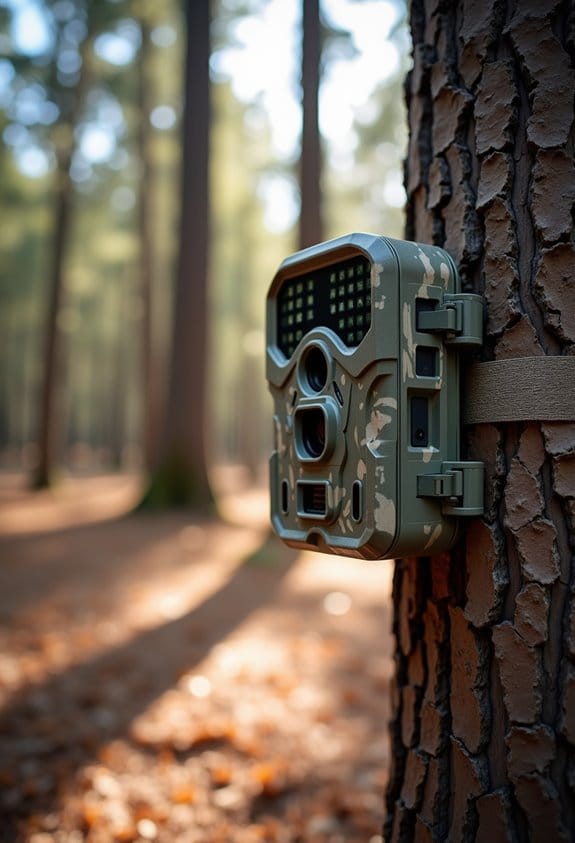
Night Video Audio: What You Can and Can’t Learn From It

Night video audio can teach us a lot about our environment, like different sounds that signal what’s nearby. For example, crickets chirping suggest green spaces, while traffic noise points to busy roads. We can also decode speech and emotional tones from these sounds, but overlapping voices and background noise can complicate things. There are ethical issues too, like privacy concerns. With forensic applications, night audio helps in investigations and wildlife research. Let’s explore more about its insights and uses!
Key Takeaways
- Night video audio can reveal environmental sounds, such as traffic or wildlife, providing valuable insights into the surrounding ecosystem and community dynamics.
- Speech transcription and emotional tone decoding can assist in understanding conversations, but background noise can complicate clarity and comprehension.
- Ethical concerns arise from potential privacy invasions when recording at night, necessitating consent and careful handling of audio data.
- Forensic applications utilize night audio to reconstruct events and establish timelines, although challenges like audio distortion and unclear sound identification exist.
- Applications include wildlife research and security monitoring, leveraging audio to enhance visual data for effective investigations and educational purposes.
What Night Video Audio Reveals About the Environment
You may be interested
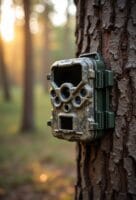
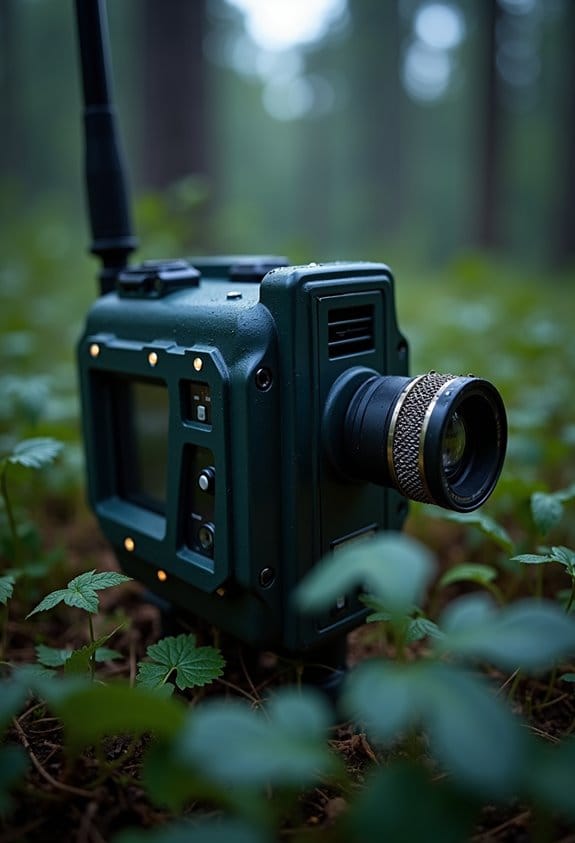
You know, listening to night video audio can really open our eyes to the environment around us. It captures all these interesting sounds that give us clues about what’s happening in the world after dark. For instance, if you hear the hum of traffic, it suggests nearby roads and how busy they might be. On the other hand, the chirping of crickets might indicate that you’re close to some green space or nature, which is pretty neat!
What’s even cooler is the variety of soundscapes you can hear. Each area has its own unique sound patterns. For example, if you’re in a suburban neighborhood, you might catch snippets of laughter or chatter from a backyard gathering, while in a remote area, the sounds might be dominated by rustling leaves and distant animal calls. By really tuning in to these nighttime audio clues, we can get a better grasp on both human activities and the surrounding wildlife. Using devices with weather-resistant designs ensures reliable night video audio recordings regardless of environmental conditions.
How to Decode Speech Content and Language From Nighttime Audio
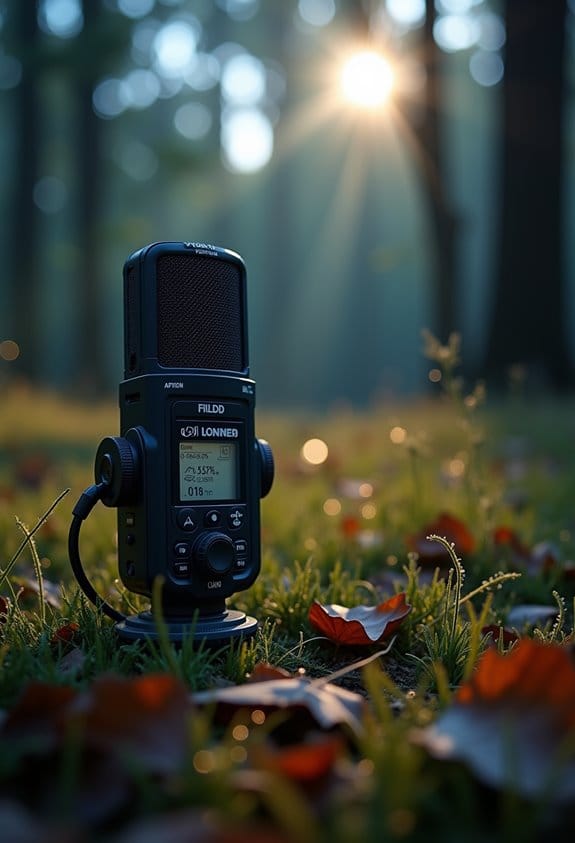
Decoding speech content and language from nighttime audio can be a really interesting endeavor! Imagine you’re listening to recordings from a cozy evening, and you find yourself unraveling different spoken languages and conversations. It’s like being a detective, piecing together a story from the sounds around you.
First up, we have speech transcription. This is simply the process of writing down the words we hear. If the audio is clear—a crisp night with minimal background noise—we can accurately capture what’s being said. For instance, if you hear someone softly discussing their day in French, you can jot down their words to create a transcript.
Next, there’s language identification. This is where your ears come into play! By paying attention to the nuances in sounds, you can often pinpoint the language being spoken. For example, the melodic tones of Spanish or the crisp consonants of German can provide clues that help you differentiate between dialects or accents.
Of course, decoding audio has its hurdles. Background sounds—like chirping crickets or rustling leaves—can drown out the speech, making it tricky to discern what’s being said. Plus, if two voices overlap, it can turn the task into a real challenge! Despite these obstacles, focusing on the elements of sound can lead you to uncover unique communication patterns during those nighttime recordings. So, the next time you hit play on a late-night audio clip, think about the stories waiting to be told! Ensuring you have recordings protected by anti-theft locking mechanisms can help maintain the integrity of your nighttime audio data.
How Night Audio Reflects Emotional Tone
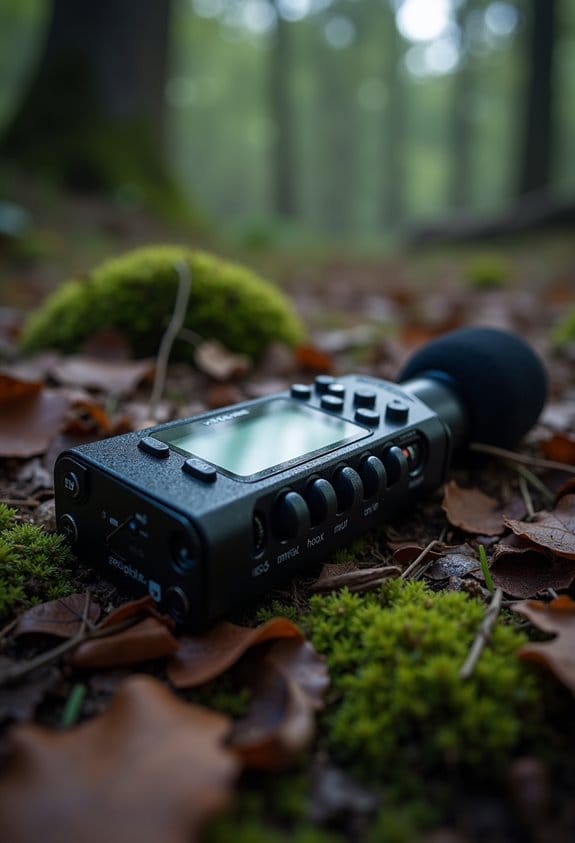
You know, understanding how night audio reflects emotional tone is pretty fascinating. It can really help us grasp the feelings behind what we hear when we listen closely. For instance, if you’re out in the evening and hear someone laughing with a high pitch, that’s often a sign of joy. On the other hand, a low tone might resonate more when someone is feeling down.
Let’s break it down. Pitch can tell us a lot; high notes can evoke happiness, while deeper sounds might bring sadness. Volume plays its role too. When you hear someone talking loudly, maybe they’re excited or passionate about something. But if you catch a soft whisper, it could hint at a secret moment or even fear. Then there’s tempo: if someone’s speaking rapidly, they might feel a bit anxious or rushed. But a slower pace often gives off a vibe of calmness, right? In fact, modern night vision technology can even capture audio cues alongside video to enhance our understanding of these emotional tones.
Unlocking Patterns in Nighttime Audio
Hey there! Have you ever noticed how nighttime audio can reveal some pretty fascinating patterns about your surroundings? Just by listening closely, we can pick up on different sounds that tell us a lot about what’s going on around us. For example, when you hear crickets chirping, that’s often a sign that it’s a peaceful night. Or picture this: you might catch the sound of footsteps nearby, hinting that someone is out for a late-night stroll.
These sounds help us piece together daily routines and activities. They also offer insights into human interactions. For instance, if you hear the rev of car engines, you could be noticing traffic patterns in your area, which might change depending on the time of week. So next time you tune in to the nighttime sounds, think about the stories they could tell about the environment and the people who inhabit it. It’s like a whole world of information just waiting to be heard! Using devices with adjustable tilt mechanisms can improve the capture of such audio-visual data for better understanding.
Ethical Concerns of Night Video Audio?
Hey there! You know, while night video audio can be really useful for certain situations, there are definitely some ethical concerns we need to chat about. For starters, when we record at night, we might unintentionally invade someone’s personal space, which can make people feel really uncomfortable. Imagine a neighbor setting up a camera that captures everything happening in your backyard—definitely not cool, right?
Another biggie is consent. In many places, it’s actually a legal requirement to get permission from people before you record them. This means that if you’re thinking about using night video audio, you should check the laws in your area to avoid any legal headaches later.
And there’s the whole issue of trust within our communities. If people feel like they’re being watched without knowing it, this can lead to feelings of distrust and anxiety. Think about it: constant surveillance can turn a friendly neighborhood into a place where everyone feels a little on edge. Plus, we need to be careful about how we store and handle the recordings. If someone gets access to private footage, that could be a recipe for misuse. It’s also important to consider fast trigger speeds in cameras, as they can capture unexpected moments quickly, which could raise additional privacy concerns.
Forensic Applications of Night Audio in Investigations
Hey there! You know, when it comes to investigating events at night, we can’t rely solely on surveillance footage. Night audio is a fantastic tool that can really boost our investigative efforts. Think about it—when you’re in a dark area and can’t see much, the sounds around you can tell a whole lot about what’s happening.
For example, imagine we hear a series of footsteps followed by the sound of a car rushing away. Those sound clues help us piece together the activity happening at that spot. We can also pick up on conversations if voices are clear. By analyzing accents or dialects, we can potentially identify the people involved, which is pretty neat, right?
Moreover, continuous audio can give us a better picture of the sequence of events. If an alarm goes off followed by shouting, we can figure out what happened first, building a timeline that sometimes video just can’t capture. Plus, by looking at the pitch and volume of voices, we might get a sense of how people felt during those interactions—were they angry, scared, or excited?
Integrating night audio with no-glow infrared technology enhances the ability to observe without disturbing the natural environment, making investigations more discreet and effective.
Frequently Asked Questions
How Do Nighttime Audio Recordings Affect Privacy Rights?
Nighttime audio recordings considerably impact privacy rights, as they often capture sounds without consent, raising concerns about nighttime privacy. We must be mindful of ethical implications, ensuring individuals are aware when their conversations might be recorded.
What Are the Legal Limitations for Nighttime Audio Surveillance?
Nighttime audio surveillance faces legal limitations, including strict surveillance laws and the need for audio consent. We must navigate these regulations carefully to guarantee ethical practices and uphold individuals’ privacy rights in such sensitive environments.
Can Nonverbal Behavior Be Inferred From Audio Alone?
In the symphony of sound, we find that audio interpretation often leaves nonverbal cues shrouded in mystery. While vocal tones can hint at emotions, the silent language of gestures remains elusive, not easily captured without visual context.
What Equipment Is Best for Capturing Nighttime Audio?
For capturing nighttime audio, we should consider using high-sensitivity condenser microphones paired with portable audio recorders. This combo enhances sound clarity while reducing background noise, making it ideal for low-light environments.
How Does Background Noise Impact Audio Clarity at Night?
Did you know that up to 70% of recorded nighttime sounds can be classified as background noise? These background sounds often lead to audio distortion, making it challenging for us to capture clear speech and important details accurately.