As an Amazon Associate, we earn from qualifying purchases. Some links on this site are affiliate links at no extra cost to you. Our recommendations are based on thorough research and editorial judgment.

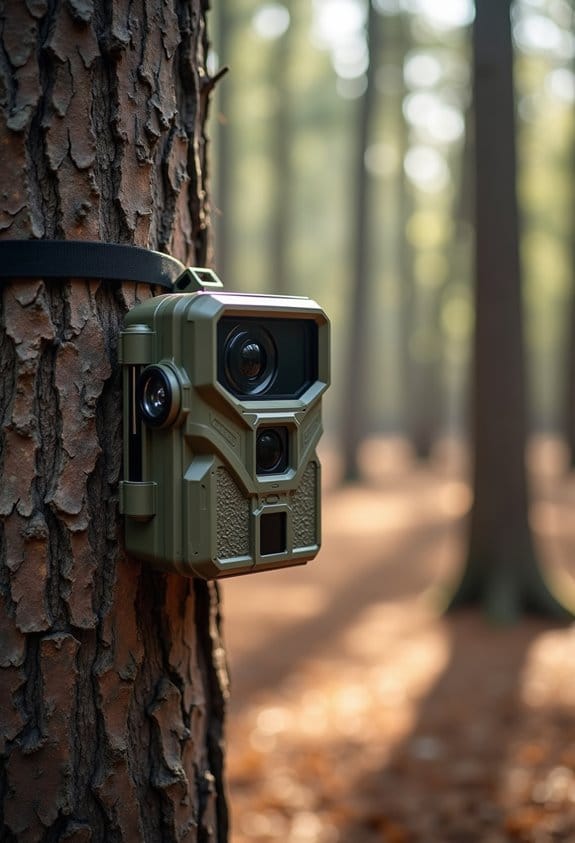
Night Color Modes: What “True Color Night” Usually Requires

When we talk about true color night vision, we’re discussing technology that enhances low-light visibility by using advanced image sensors and high-quality lenses. Here’s what it typically requires:
- High-sensitivity image sensors like Sony STARVIS for capturing more light.
- Wide aperture lenses (F1.0 or lower) to allow maximum light intake.
- High Dynamic Range (HDR) to balance different light conditions.
You may be interested


These features help you obtain clear, vibrant images at night. Keep reading to learn more about specific camera recommendations!
Key Takeaways
- True color night vision uses advanced image sensors, like starlight sensors, for enhanced low-light visibility and color capture.
- Wide aperture lenses (F1.0 or lower) are essential for maximizing light intake, improving clarity in dark conditions.
- High Dynamic Range (HDR) technology balances contrasting light areas for clearer images at night.
- Smart noise reduction minimizes graininess, ensuring clean visuals during low-light footage recording.
- Weather-resistant features, like IP66 ratings, ensure reliability and durability for outdoor night surveillance.
Understanding True Color Night Vision Technology
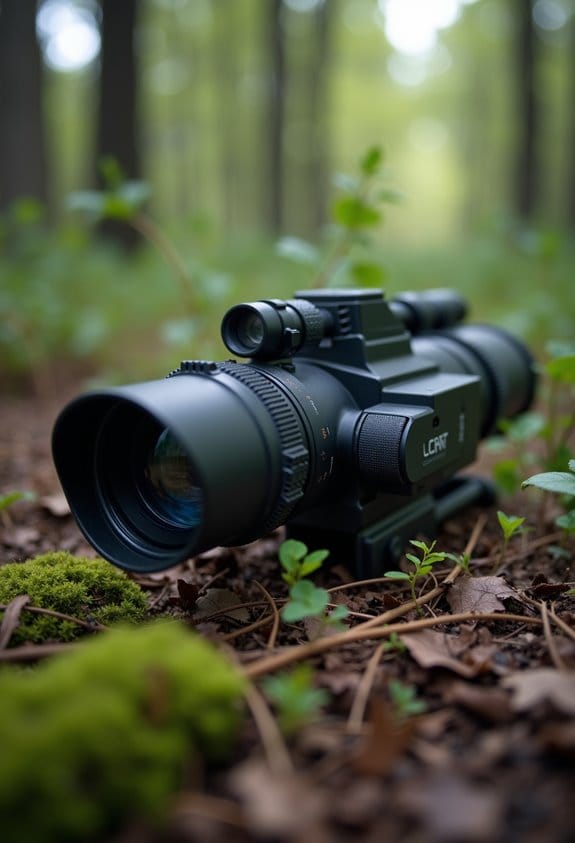
Have you ever heard of true color night vision technology? It’s pretty amazing and really helpful for getting clear images in the dark. This technology relies on advanced image sensors, like starlight sensors, that can pick up even the faintest light, almost like how our eyes adjust when we move from a bright room to a dim one.
One of the coolest things about true color night vision is that it captures images in color, even when the light is really low. Imagine walking down a street at night: streetlights provide just enough glow to make everything visible, and thanks to this technology, you can see not just shapes but actual colors of the objects around you.
To make this work effectively, cameras often use wide aperture lenses, say with an F1.0 rating. This means they can let in more light, which really boosts their performance in nighttime settings. For example, if you’re monitoring a dark parking lot, having a camera that can gather more light will give you clearer views of everything going on.
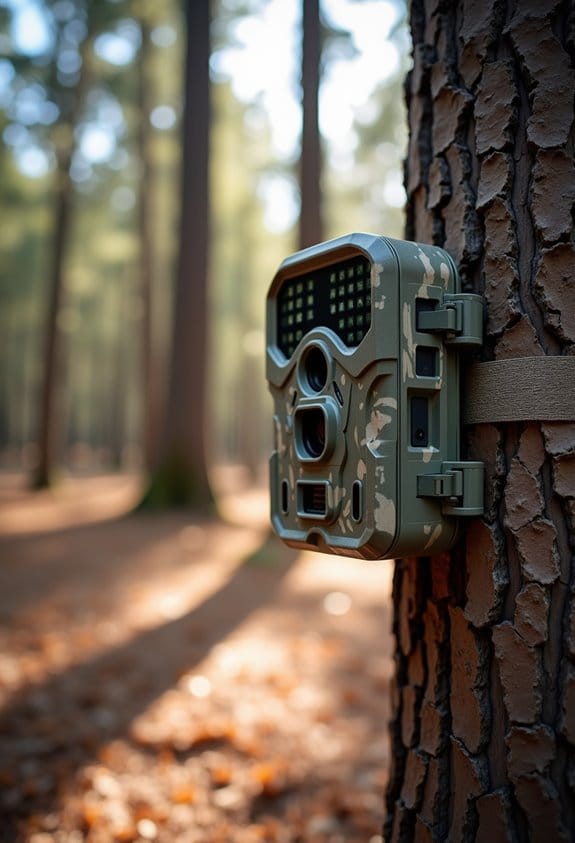
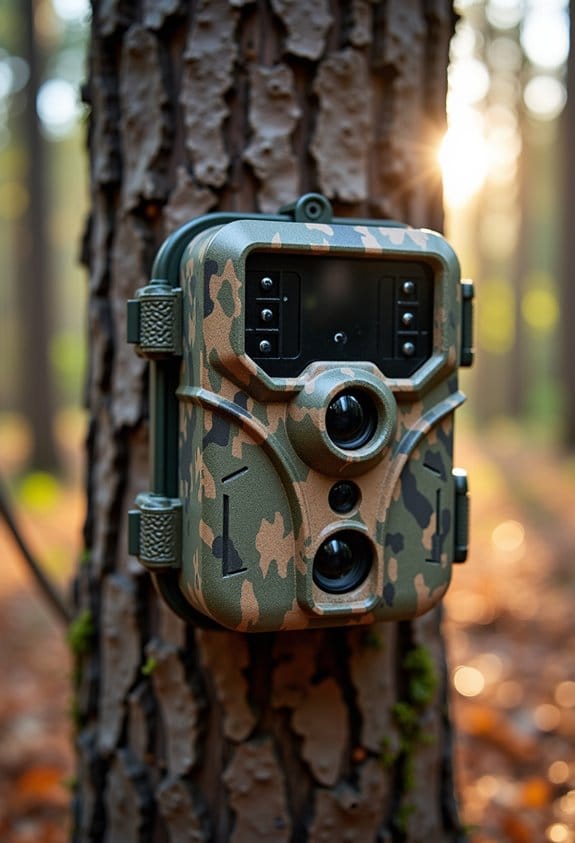
Plus, true color night vision can balance bright and dark areas through something called high dynamic range processing. That way, even if part of the scene is super bright, like a car’s headlights, you won’t lose detail in the darker shadows. And if you’re worried about grainy images, don’t be! Smart noise reduction technology keeps the visuals clean and true to color, making nighttime footage much easier to interpret. Some high-quality game cameras also incorporate infrared flash technology to enhance night vision clarity without disturbing the scene.
The Critical Difference Between Color Night Vision and Traditional Night Vision?

When it comes to nighttime visibility, understanding the difference between color night vision and traditional night vision can really change the way you see in the dark. Color night vision lets you see real colors even when the light is low, which can be super helpful in identifying objects or people clearly. For example, if you’re out camping and trying to spot a raccoon rummaging through your food stash, color night vision will help you see that furry critter’s sandy brown coat rather than just a greyish blur.
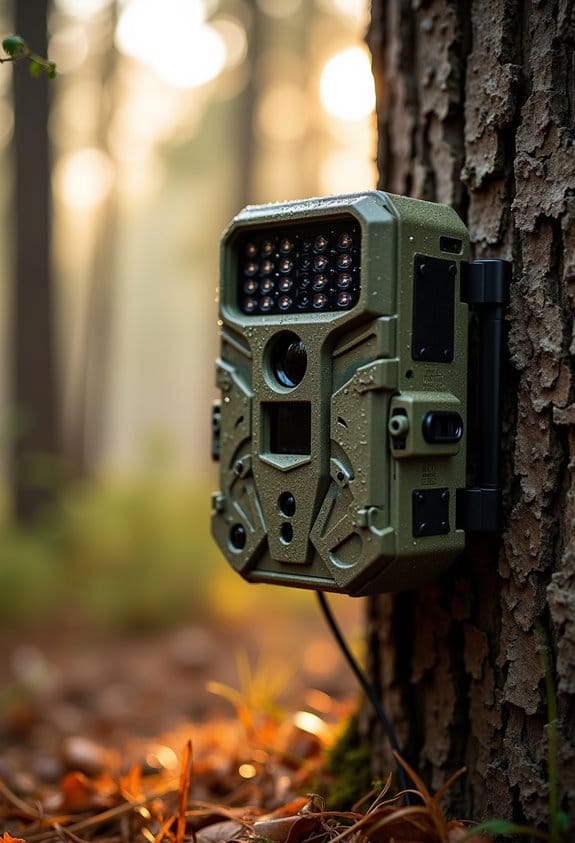
On the other hand, traditional night vision relies on amplifying low light and usually shows everything in black and white. It needs infrared (IR) light to work well, which can sometimes leave you dealing with grainy images. So, if you’re using traditional night vision while hiking, you might see a vague outline of a deer but not much detail about its appearance. Many modern cameras enhance this experience by utilizing invisible, no-glow infrared technology to capture clear images at night without disturbing wildlife.
Recommended Products

Ultra High Definition 4K (3840x2160)FOUR TIMES the resolution of 1080P! 32 Channel 6K 12MP NVR with (32) H.265+ 4K (8MP) @20FPS Weatherproof 2.8mm Wide Angle Microphone Audio & Video PoE IP Bullet Cameras

Ultra High Definition 6K 12MP (4512x2512) SIX TIMES the resolution of 1080P! 12MP Real-Time Commercial-Grade 32 Channel NVR Security Camera System with (8) Bullet & (8) Dome H.265+ 12MP Weatherproof Wide Angle PoE IP Cameras (Support Two Way Audio)

8-Megapixel with 3840x2160 @30fps Ultra High Resolution 4K Realtime Video 8 Channel 4K NVR Security Camera System with (8) 4K (8MP) @30FPS Weatherproof 2.8-13.5mm Motorized Zoom H.265 PoE IP Bullet Camera
Essential Hardware for True Color Night Vision Cameras

Hey there! If you’re curious about how true color night vision cameras work, let’s break it down. These cameras are pretty impressive because they can capture vibrant colors in very low light conditions. So, what helps them stand out?
First off, they use advanced image sensors. Take Sony’s STARVIS sensor, for example—it really boosts how well the camera sees in the dark. Next, the lenses play a big role too. Lenses with an F1.0 aperture or lower allow more light to flood in, which enhances the clarity and quality of the images you get.
Another essential feature is High Dynamic Range (HDR) and Wide Dynamic Range (WDR) technology. Think of these as smart adjustments that help the camera handle areas with varying light levels. This means you won’t end up with super bright spots or parts that are too dark to see. Plus, it’s helpful to have some ambient lighting around, like streetlamps, to make those colors pop even more.
Some cameras even come with supplemental LED lights. These are designed to enhance color capture without oversaturating the details, giving you a clearer nighttime image. This cool blend of hardware means you can get full-color images, even when things get tricky at night.
To maintain consistent performance, many true color night cameras also feature IP66 waterproof protection to ensure durability in various weather conditions.
Optimal Lighting for Stunning Color Night Vision
If you’re looking to achieve stunning color night vision, the lighting setup you choose is key. Think about how ambient lighting conditions can really make a difference—soft porch lights or streetlights can help maintain true colors when it’s dark outside.
Now, let’s talk about the tools that make this possible. For instance, cameras equipped with high-sensitivity image sensors, like the Sony STARVIS, do an incredible job of capturing more light. This means your nighttime photos or videos won’t look grainy; instead, they’ll be clear and vibrant—just like you want them! And if you use lenses with a larger aperture, like F1.0 or F1.2, those lenses let in even more light, which really boosts color clarity.
Moreover, smart noise reduction tech works wonders by balancing those bright spots and dark shadows, giving you crisp footage without the annoying distractions. And if you add HDR processing to the mix, you’ll notice a more striking contrast and better detail in low-light areas.
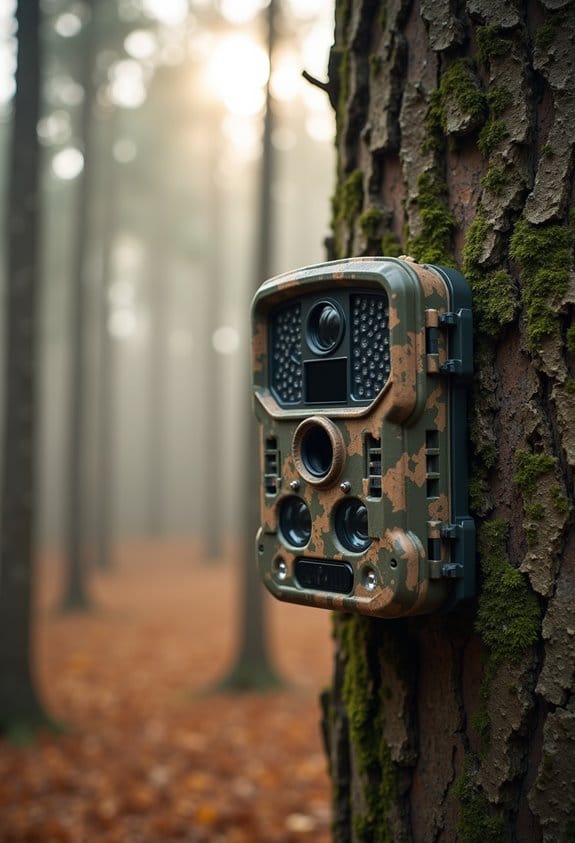
When setting up your lighting, aim for indirect illumination; it’s way better than direct bright lights. For example, using a couple of well-placed soft spotlights can make a big difference by minimizing overexposure and ensuring your colors pop during recording sessions. So, before you start filming, take a moment to adjust your lights for that perfect balance—you’ll be amazed at the results! Additionally, some trail cameras come equipped with starlight night vision to enhance observation quality in low-light conditions.
Why True Color Night Vision Is Game-Changing for Security?
True color night vision is really changing the game when it comes to security technology, and it’s about time we talk about it! Picture this: you’re trying to identify someone or spot something in low light, and you can actually see clear colors instead of just blurry shapes. That’s what this new technology brings to the table! It uses advanced image sensors that pick up on the little bits of ambient light, giving you crisp visuals even when it’s pitch dark outside.
One of the coolest perks is how accurately you can spot things. For instance, if someone is wearing a bright red jacket or if there’s a specific car parked in front of your house, true color night vision allows you to see those details clearly. This means better identification when you need it most, whether you’re checking your home security cameras or reviewing footage later.
Another great aspect is how it helps with documenting incidents. Imagine if something suspicious happens; having clear visuals makes a huge difference when it comes to reporting to authorities or investigating further. And if you’re someone who worries about home security, you’ll appreciate that monitoring your property at night feels much more reliable with this technology.
Plus, receiving real-time alerts about potential threats really gets your adrenaline going, but in a good way—you know exactly what’s going on instantly. Overall, knowing that you can see what’s happening around you clearly definitely boosts your sense of safety.
For the best vantage points and full coverage, pairing true color night vision cameras with 360-degree trail camera mounts can significantly improve monitoring capabilities.
Real-World Uses for Color Night Vision Technology
Hey, have you heard about color night vision technology? It’s pretty fascinating and can make us feel a lot safer at home and beyond. Let’s chat about some real-world uses for it that are super helpful!
First off, think about security cameras. With this tech, they can capture full-color video even when it’s dark outside. That means if something happens at night, you’ll be able to see the details clearly, like the color of someone’s clothes or even their license plate! Imagine how that could help in case of a break-in or suspicious activity.
If you’re worried about package deliveries, this tech can help with that too! You can monitor your porch after dark to catch any porch pirates in the act. Having clear images can provide strong evidence if you ever need to report theft.
And let’s not forget about elderly care. Caregivers can keep an eye on their loved ones without being intrusive. Just knowing that someone can check in if there’s an issue can give everyone peace of mind.
Another cool use is for those outdoor adventures or during stormy nights. You can easily inspect your backyard or verify your belongings are safe without stepping outside into the darkness. Plus, businesses can enhance their security in less-lit areas, like parking lots, which helps prevent theft and keeps everything under control.
Using devices with waterproof rating like IP67 ensures the technology works reliably even in harsh weather conditions.
Recommended Products

16X Optical Zoom &3D Zoom Function: Enhance your live view experience through the streamlined 3D zoom function. Instantly focus on specific areas without the need for multiple clicks, effortlessly centering the target on your screen for seamless capture.


Total Property Coverage with Revolutionary 2-In-1 Design: Secure every corner of your property with zero blind spots. In this 4-camera bundle, every single device does the work of two. The innovative Triple-Lens system combines an upper 4K bullet lens (130° wide view) with a lower 2K PTZ lens that locks on, tracks, and zooms. Get both the complete scene and crucial close-ups at the same time. It’s the perfect all-in-one security solution for large estates, sheds, rental.
Tips for Choosing the Right Camera for True Color Night Vision
Hey! So, you’re thinking about getting a camera for true color night vision? That’s a smart move, but there are some important features to consider to really make sure you’re getting the best one for your needs.
First off, focus on the image sensor. High-sensitivity sensors, like the Sony STARVIS, are fantastic at handling low-light situations, helping bring out those vibrant colors even when it’s dark. And don’t forget about the aperture! A wide aperture of F1.0 or lower helps more light in, which is crucial for capturing those rich, true colors when the sun goes down.
Also, keep an eye out for cameras with HDR (High Dynamic Range) or WDR (Wide Dynamic Range) technology. These features help the camera balance different lighting scenarios, so you’ll see clear images without washed-out spots or shadows. For instance, if you’re trying to capture someone’s face in a dimly lit park, having this capability can make a huge difference.
Finally, aim for a camera that offers at least 1080p video resolution. This ensures you can clearly see important details, like faces and license plates, even at night. It’s really all about clarity and detail when the lights go out.
Additionally, many solar-powered cameras now incorporate infrared night vision which can enhance low-light imaging while keeping the scene discreet.
Recommended Products

Ultra High Definition 4K (3840x2160) FOUR TIMES the resolution of 1080P! 64 Channel H.265+ 12MP NVR Commercial-Grade Security Camera System with (48) H.265+ 4K (8MP) @20FPS Weatherproof 2.8mm Wide Angle PoE IP Full-Time Color Night Vision Bullet Cameras (Built-in Microphone)

12.0 Megapixel Full HD Realtime Recording 32 Channel 12MP Commercial-Grade NVR and (32) 8MP 4K Weatherproof Outdoor/Indoor Color Night Vision POE IP Dome Cameras (Built-in microphone and 2.8mm 135° wide angle lens)

Facial Recognition-- Recognizes people to reduce false alarms and save storage space.
Frequently Asked Questions
What Is the Best RGB Color for Night?
For the best RGB color at night, we should lean towards warm hues like coral, minimizing blue light effects. This boosts nighttime productivity while enhancing color spectrum visibility, ensuring ambient light impact promotes comfort and safety during our rest.
What Color Light Is Best for Night Vision?
For night vision, we prefer warm light, especially red or green, as they enhance visibility without compromising safety. Blue and cold light can hinder light sensitivity, making them less ideal for nighttime environments.
How Does Full-Color Night Vision Work?
Did you know effective night vision technology can enhance color sensitivity by up to 90%? We rely on advanced sensor quality and image processing to capture the visible spectrum, improving low light performance despite light pollution effects.
What Is the Easiest Color to See at Night?
We find that yellow is the easiest color to see at night due to its hue brightness and visual contrast. In dark adaptation, it aids nighttime navigation, enhancing safety colors for improved color perception in low light environments.