As an Amazon Associate, we earn from qualifying purchases. Some links on this site are affiliate links at no extra cost to you. Our recommendations are based on thorough research and editorial judgment.

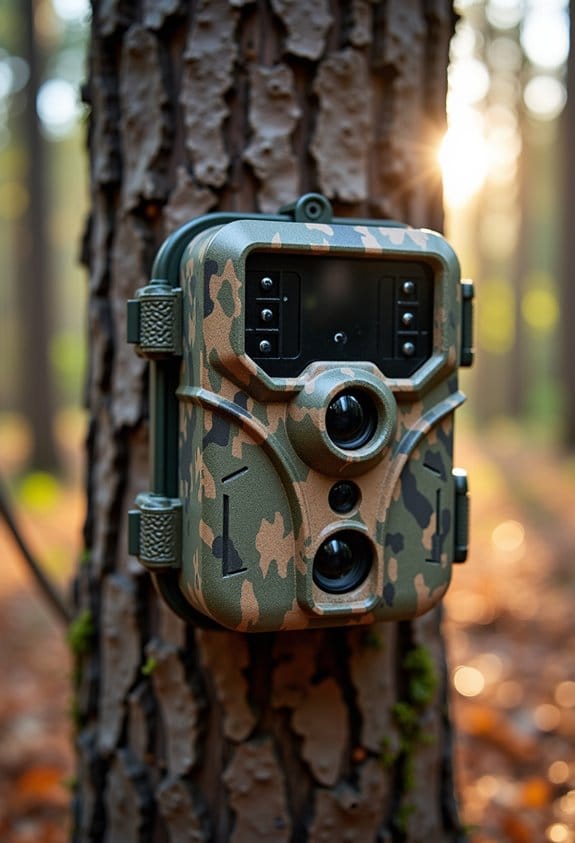
No-Glow (940NM) Vs Low-Glow (850NM): What Changes in the Field

When choosing between No-Glow (940nm) and Low-Glow (850nm) flash technology, we encounter key differences in wildlife observation. No-Glow uses invisible infrared light, perfect for sensitive animals like deer, causing no disturbance. Low-Glow emits a faint red light, providing clearer images but may scare some animals away. Here are quick points to evaluate:
- Image Clarity: Low-Glow captures clearer details.
- Wildlife Impact: No-Glow is stealthier.
- Budget: Low-Glow options are usually cheaper.
You may be interested

This helps in selecting the right type for your needs. You’ll find more insights ahead!
Key Takeaways
- No-Glow cameras emit invisible infrared light, allowing for less wildlife disturbance and more natural animal behavior in sensitive species observation.
- Low-Glow cameras provide higher contrast and clearer images, making them more effective for general wildlife monitoring under various lighting conditions.
- Low-Glow technology can spook sensitive animals, potentially altering their natural behavior in feeding or resting areas.
- No-Glow cameras typically result in darker, grainier imagery due to a slower shutter speed, prioritizing stealth over image clarity.
- Budget considerations may favor Low-Glow options, while No-Glow cameras could be seen as a long-term investment for stealthy wildlife observation.
Understanding No-Glow (940Nm) Vs. Low-Glow (850Nm) Flash Technology
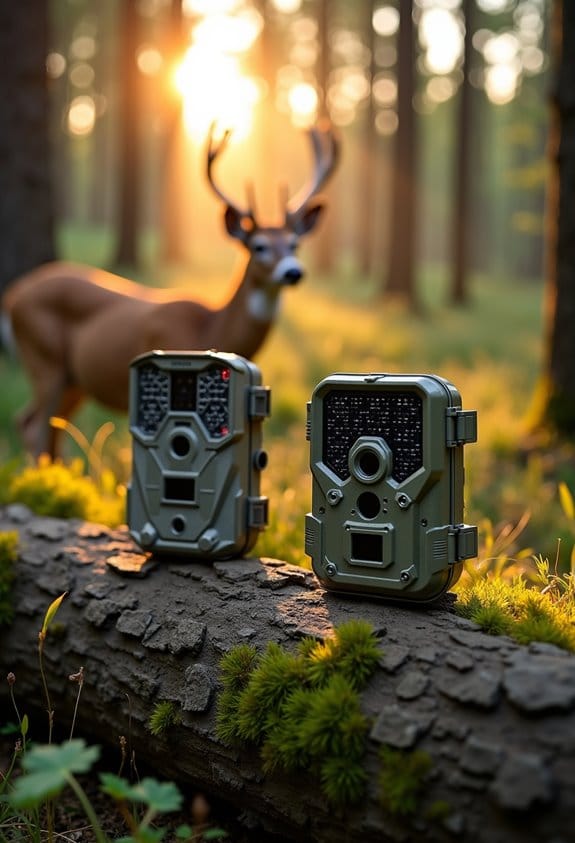
So, you’re trying to decide between No-Glow and Low-Glow flash technology for your wildlife camera? Let me break it down for you in simple terms.
No-Glow, which operates at 940nm, is pretty cool because it emits invisible infrared light. This means you can keep an eye on animals without them ever noticing—great for observing shy species like deer or owls in their natural habitat. On the other hand, Low-Glow works at 850nm and gives off a faint red light. This little hue can actually help capture brighter and clearer black-and-white images at night, but it might give a heads-up to some creatures, such as foxes, that your camera is around.
In terms of performance, No-Glow is your go-to for stealthy setups, especially if you want to avoid disturbing the wildlife. However, if you’re after longer illumination range—about 30% more than No-Glow—and clearer images, Low-Glow might be the better choice despite the risk of alerting some animals.
Ultimately, think about your goals: Are you patiently waiting to document elusive wildlife or capturing vivid nighttime shots? Both options have their perks, so it really comes down to what you need. If you’re leaning towards one, I can help you narrow it down even more!
Additionally, choosing cameras with infrared LED wavelengths optimized for your specific needs can greatly enhance your nighttime photography results.
Key Differences in Image Quality Between No-Glow and Low-Glow

Hey there! If you’re curious about the differences in image quality between No-Glow and Low-Glow cameras, you’re in for an interesting discussion! Low-Glow cameras, which operate at around 850nm, take much brighter and sharper black-and-white photos. They’re able to capture about 30% more infrared light, so if you think of it as a flashlight in the dark, they shine a bit brighter and show clearer details.
On the other hand, No-Glow cameras work at 940nm. While they help keep things stealthy since they’re less detectable to wildlife, they do produce images that are darker and softer at night. A perfect example of this is if you’re attempting to capture a fast-moving animal—Low-Glow cameras will give you clearer details, while No-Glow options may lead to some motion blur because they generally have slower shutter speeds.
In short, if you’re looking for higher contrast and more detail, Low-Glow is the way to go. But remember, if you need that extra level of invisibility, No-Glow will serve you well, although it may sacrifice some detail quality. So, it really depends on what you value more in your nighttime photography! Now, let’s talk about how each type performs in various environmental conditions. Many high-end trail cameras now balance invisibility with fast trigger speed efficiency to minimize motion blur during nighttime captures.
The Impact of Flash Type on Wildlife Behavior and Sight
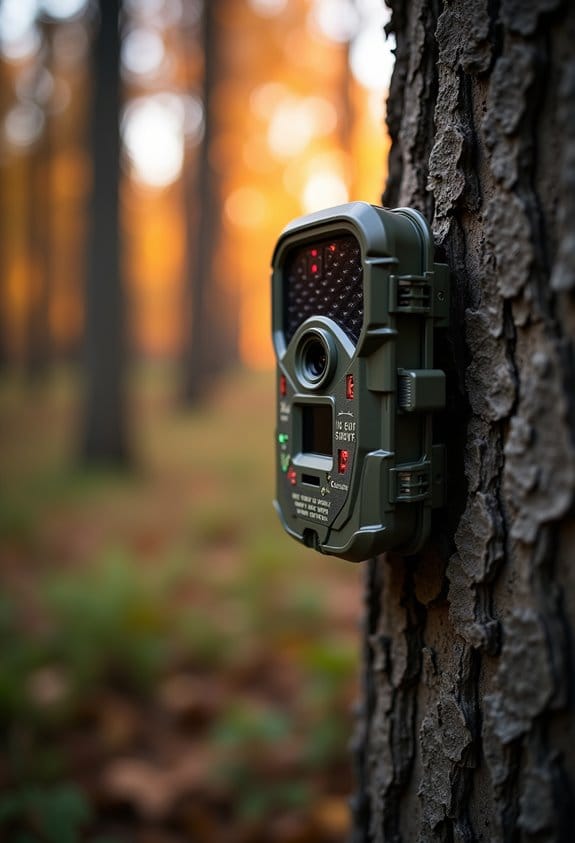
Hey! If you’re thinking about setting up trail cameras to watch wildlife, it’s really interesting to consider how different flash types can impact their behavior. You’ve got two main options: Low-Glow and No-Glow flashes, and the choice you make can really change what you capture in your photos.
Low-Glow flashes, which emit a faint red light at 850nm, can be spotted by sensitive animals. For example, if a deer sees that red glow, it might get spooked and avoid the area. On the flip side, No-Glow flashes operate at 940nm and are generally invisible to most animals, allowing them to act more naturally. So if you’re hoping to catch those spontaneous moments, No-Glow could be your go-to.
Interestingly, while both types might look similar to mammals, birds have a tougher time with the Low-Glow. They often take flight at the sight of the red light, making it trickier to capture those feathered friends on camera. And even though Low-Glow cameras usually give you clearer images thanks to their brightness, you might lose out on capturing natural behavior if animals are wary. So, if your goal is to get a true sense of wildlife in its element, No-Glow flashes might be the way to go.
Now that you have a grasp of how flash types impact wildlife observations, let’s talk about where you should place your cameras for the best results! It’s also important to note that IR LED intensity plays a key role in balancing brightness and battery life for nighttime shooting.
Advantages of Low-Glow Flash for General Wildlife Observation
If you’re excited about capturing wildlife, Low-Glow flash cameras are a fantastic option to consider! They have some cool advantages that can really enhance your experience out in nature. For starters, these cameras give you brighter night images thanks to their faint red glow. So, instead of grainy pictures, you’ll be able to see clearer black-and-white shots of animals after dark.
Another great perk is that Low-Glow cameras can catch images from about 30% farther away than No-Glow models. This means you might spot that curious deer or playful raccoon without getting too close and possibly startling them. Plus, the clarity is impressive, which is super helpful when you’re trying to observe animals that move quickly.
What’s also neat is they perform well across various wildlife, allowing you to document many different species without causing much disturbance. And here’s the cherry on top: they’re usually more budget-friendly than their No-Glow counterparts. This makes them a smart choice for anyone looking to enjoy wildlife observation without breaking the bank. With these advantages, you might just find yourself spending more time outdoors, capturing incredible moments with nature. Additionally, pairing Low-Glow cameras with extended battery life options can significantly improve your field monitoring experience by reducing maintenance needs.
Recommended Products

INCLUDES Sixteen Tactacam Reveal Ultra Cellular Trail Cameras, and Sixteen 32GB Lexar SD Cards by Trail Cams Galore, a Trademarked Brand. The Tactacam Reveal Ultra is highly adaptable. It can be paired with optional accessories such as solar panels for extended battery life, and it is designed to work on multiple cellular networks, giving you flexibility in choosing your cellular provider.

10 Long Range IR Cameras L Series. This camera has a low glow IR flash, 100 ft. detection range and uses 4D batteries.

1 L Home Model LC-H and can be powered by Verizon or AT&T. This unit connects all cameras in the system. The unit sends the pictures to the user via e-mail or the Cuddeback App.
Using No-Glow Flash for Sensitive Species
When it comes to capturing wildlife photos, No-Glow flash cameras can be a savvy choice, especially for those sensitive species we want to observe without causing any disturbance. Unlike Low-Glow cameras, which emit a faint light that some animals might notice, No-Glow flash uses infrared LEDs that are completely invisible to most wildlife.
This invisibility helps animals, like mature bucks or elusive predators, maintain their natural behaviors. For example, if a buck notices a Low-Glow camera light, it might bolt before you even get a chance to capture that perfect shot. With No-Glow, you can watch and document their behaviors without them feeling threatened.
Now, No-Glow cameras do come with their quirks. They generally have a shorter illumination range, meaning they’re best for close-up monitoring. So, if you’re looking to photograph raccoons rummaging through your backyard, a No-Glow camera is ideal for capturing their antics up close, even if the images might be a tad darker or grainy.
Choosing No-Glow means you can gather invaluable data while respecting the animals’ space, allowing us to study them in their natural habitats. It’s all about striking that perfect balance, right?
Many of the best No-Glow trail cameras also feature an impressive trigger speed of 0.1 seconds, ensuring you don’t miss even the quickest wildlife movement.
Recommended Products

Bundle Includes: 10 x Browning Trail Cameras Dark Ops Pro X Wildlife Motion-Activated Camera Browning Trail Camera, 10 x Security Box, 10 x 32GB Memory Card (100MB/s), and High-Speed Card Reader

Cellular Connectivity: SPYPOINT FLEX-DARK sends full-HD photos and videos with sound directly to your phone through the free SPYPOINT app, keeping you informed remotely

Bundles Includes: Stealth Cam 2022 G42NG 32MP No-Glow Trail Camera (10-Pack, Kryptek Camouflage) with 32GB Memory Cards (20-Pack) and a Card Reader
How to Pick Between No-Glow and Low-Glow for Your Security Needs?
So, you’re wondering how to decide between No-Glow and Low-Glow cameras for your security needs? First off, let’s think about where you plan to set these cameras up.
If stealth is your priority, go for No-Glow (940nm) cameras. They use invisible light, which is perfect if you’re monitoring wildlife or need to keep an eye on something in a sensitive area like your backyard without alerting anyone. On the other hand, if you’re in a rural setting where you want to catch clear images at night, Low-Glow (850nm) cameras are a solid choice. They emit a faint red light when they take pictures, which can actually help you get brighter and clearer images in low-light conditions.
Now, let’s talk about the trade-off between image quality and staying under the radar. If having crystal-clear images is super important to you, Low-Glow is probably your best bet. But if you need to remain unseen for safety reasons, No-Glow is definitely the way to go.
And don’t forget to think about your budget. Generally speaking, Low-Glow cameras tend to be more affordable and can give you great performance for less critical situations. So, whether you want to be discreet or just need good images, there’s a camera option for you. Just keep those needs in mind as you make your choice!
Also, consider cameras equipped with No Glow Infrared Technology if you need to ensure your presence is completely undetectable while capturing clear nighttime images.
Recommended Products

INCLUDES Two Tactacam Reveal Ultra Cellular Trail Cameras, Two Tactacam Reveal Folding Solar Panels, Two Reveal Lipo Lithium Battery Packs, Two 32GB Lexar SD Cards by Trail Cams Galore, a Trademarked Brand.

[Crystal Clear Capture, Day or Night] Capture 8MP high resolution photos and 60-second HD videos with sound, ensuring every rustle or movement in the wild is recorded in high detail. Whether you're hunting, scouting wildlife, or monitoring remote property, media is sent directly to your phone through the Spartan Camera Management App anytime, anywhere.

2 x WiseEye Data Cam 2 No Glow Trail Camera - The WiseEye Data Cam 2 No Glow Trail Camera (DC-2) is a versatile and powerful tool for monitoring wildlife and outdoor surveillance. Featuring a nearly invisible No Glow infrared flash, the DC-2 ensures discreet observation without alerting subjects to its presence, making it ideal for capturing candid nighttime images. This advanced trail camera also boasts ActionShot video recording, allowing users to capture up to 5 minutes of high-definition video on demand through the HuntControl app, perfect for documenting wildlife activities or securing footage of intruders.
Cost Considerations: Is No-Glow Worth the Investment?
So, let’s talk about No-Glow cameras for a minute. If you’re looking for stealthy surveillance solutions, you might be wondering why they come with a higher price tag compared to Low-Glow options. Well, there’s a lot to consider when it comes to the costs involved.
First off, the initial investment is a bit steeper for No-Glow cameras, but think of it like insurance. For example, if you’re monitoring a property prone to theft, choosing a No-Glow camera could save you money in the long run by deterring criminals. Plus, these cameras usually need less maintenance. Because they don’t emit visible light, there’s less chance they’ll spook nearby wildlife or attract unwanted human attention, which means you won’t be constantly fiddling with them.
Now, if you’re an avid hunter, here’s where it gets interesting. If you’re hunting in areas that have been heavily pressured, a No-Glow camera can be a game changer. It captures the natural behavior of animals without startling them, which can significantly improve your chances of a successful hunt.
Ultimately, it boils down to your specific needs. If the benefits align with what you’re looking for, then investing in No-Glow technology might very well be worth it for you. Now, let’s explore the features that can further enhance your scouting game. Many advanced no-glow models also offer faster trigger speeds, ensuring you won’t miss any quick wildlife movements.
Recommended Products
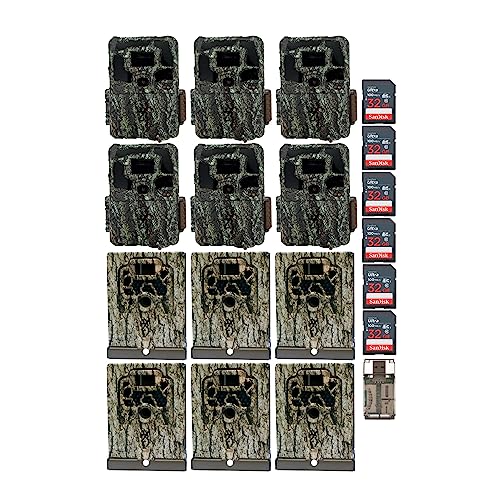
Bundle Includes: 6 x Browning Trail Cameras Dark Ops Pro X Wildlife Motion-Activated Camera Browning Trail Camera, 6 x Security Box, 6 x 32GB Memory Card (100MB/s), and High-Speed Card Reader
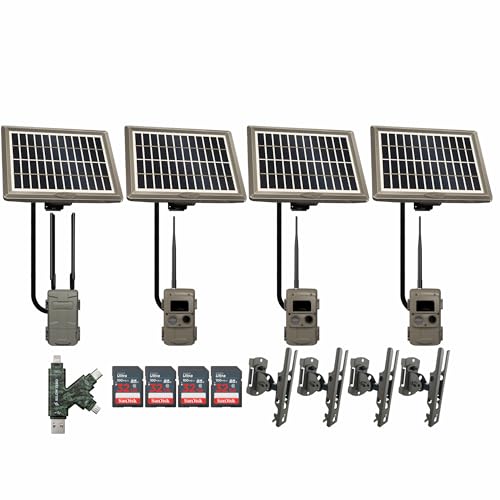
Bundle Includes: 3 x Cuddeback CuddeLink Wireless 3rd Gen Trail Camera, Cuddeback CuddeLink Cell Home Trail Camera, 4 x 32GB Memory Card, Card Reader, 4 x Cuddeback PW-3600 Solar Power Bank, and 4 x Cuddeback Genius PTL Mount for Trail Cameras

Bundle Includes: 4 x Cuddeback CuddeLink Wireless Camera, 4 x Cuddeback PW-3600 Solar Power Bank 4 x 32GB Ultra Memory Card, and High Speed Card Reader
Evaluating Your Environment for the Right Flash Type
When it comes to picking the right flash type for your camera, understanding your environment is key. Different setups call for different flashes, so let’s break it down a bit. For instance, if you’re photographing sensitive wildlife, you might want to go with a No-Glow (940nm) flash. This type emits minimal light, which means the animals are less likely to get spooked. It’s perfect for observing creatures like deer or foxes without disturbing them.
On the other hand, if you’re in a less sensitive area, like a food plot where deer come to feed, a Low-Glow (850nm) might do the trick. It provides better image quality and has a longer flash range, which is great for capturing the action. Just think about the lighting in your area too. In darker settings, the Low-Glow can really shine and give you clearer images.
Also, consider the habits of the wildlife and the type of terrain you’re working with. For open fields where you want to catch a broader view, Low-Glow works well. But in tighter spaces, where animals are more cautious, No-Glow is your best bet. By picking the right flash type based on your specific situation, you can improve your chances of getting those great shots. Let’s move on to how to set up your camera for capturing those incredible moments!
Additionally, many cameras with No-Glow infrared technology ensure that your presence remains discreet while capturing nocturnal activities without disturbing the animals.
Recommended Products

Bundle Includes: 10 x Stealth Cam DECEPTOR MAX 2.0 40MP Photo Dual-Core Cellular Trail Camera with 1440P Video (Brown), 10 x 32GB Ultra SDHC UHS-I Memory Card (100MB/s), and 1 x Focus All-In-One High Speed Card Reader

CUDDELINK WIRELESS NETWORK: Link up to 23 CuddeLink wireless trail cameras with CuddeLink and check photos remotely without disturbing wildlife patterns.

Invisible No Glow IR Lights for Total Stealth Capture high-definition photos and videos without alerting wildlife—perfect for game tracking, land management, or property monitoring.
Real-World No-Glow and Low-Glow Performance Examples
So, let’s chat about the differences between No-Glow and Low-Glow cameras and how they perform in real-world situations. If you’re out in the field, picking the right type can really make a difference. Low-Glow cameras, which operate at 850nm, emit a subtle red light. This gives you clearer images at night, and they can capture shots from about 30% further away than No-Glow cameras. So, if you’re monitoring a large outdoor space, these could be a solid choice.
On the other hand, No-Glow cameras shoot at 940nm, and they’re totally stealthy—like ninjas of the wildlife observing world. This makes them particularly useful for catching the activities of sensitive animals like mature bucks, who might bolt at the first sign of disturbance. They’re great for property surveillance too, as they won’t draw attention. Just keep in mind, while they’re discreet, the images can be a bit grainier than what you’d get from Low-Glow models.
As you think about what to choose, consider your specific needs: do you want clearer images or stealthy captures? That will help guide your decision. Additionally, keeping an eye on the camera’s trigger speed can be crucial for capturing fast-moving wildlife effectively.
Frequently Asked Questions
What Is the Difference Between 850 and 940 Nm?
Like watching stars twinkle in the night, the difference between 850nm and 940nm lies in their light spectrum. While 850nm offers visible glow, 940nm remains hidden, making infrared cameras balance between detectability and clarity.
What Is the Difference Between Low Glow and No Glow?
Low-Glow infrared cameras emit a faint red flash, visible to the human eye, while No-Glow cameras stay completely stealthy. For flash hunting, we prefer No-Glow to avoid disturbing wildlife during our nighttime observations.
What Is 850 Nm Wavelength Good For?
The 850nm wavelength’s great for night vision, enhancing infrared technology. It helps us capture clearer images in low-light conditions, making it ideal for monitoring deer and other wildlife in less sensitive environments.
What Are the Benefits of 940 Nm Wavelength?
We appreciate the subtlety that 940 nm offers for night vision, allowing us to observe wildlife without disruption. It’s perfect for discreet surveillance, letting us capture moments in nature while maintaining the peace it deserves.