As an Amazon Associate, we earn from qualifying purchases. Some links on this site are affiliate links at no extra cost to you. Our recommendations are based on thorough research and editorial judgment.

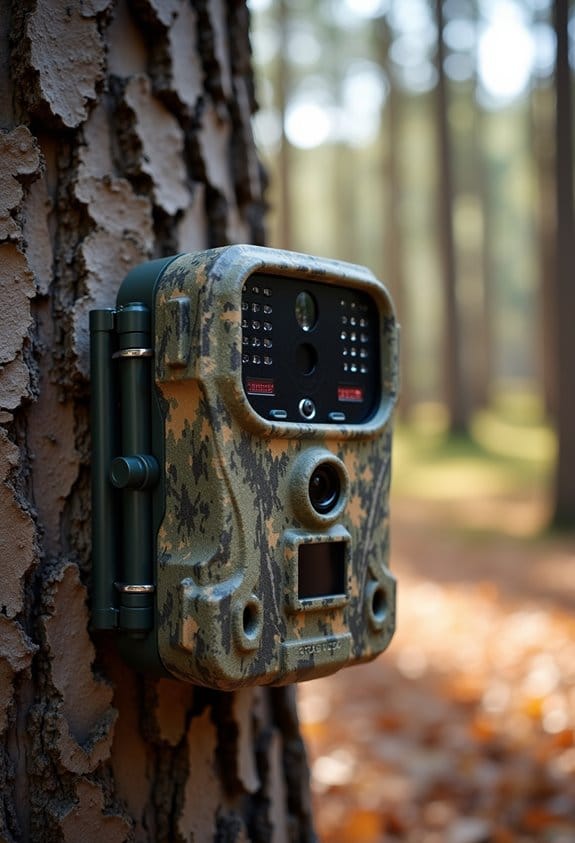
How Infrared LEDs Illuminate a Scene Without Visible Light

Infrared LEDs help us illuminate scenes without visible light, making them perfect for nighttime use. They emit invisible infrared light through a process called electron-hole recombination in semiconductors. Here’s what you should know:
- They’re great for security cameras.
- Wavelengths like 850 nm give a faint red glow, while 940 nm is completely invisible.
- This allows for discreet monitoring of wildlife or homes.
You may be interested



Stay with us to uncover more about infrared technology and its applications!
Key Takeaways
- Infrared LEDs emit infrared light through electron-hole recombination in semiconductors, producing invisible photons for illumination.
- Wavelengths like 940 nm are completely invisible to the human eye, enabling covert illumination in sensitive applications.
- Infrared light allows cameras to capture images in total darkness without disrupting surrounding environments.
- The use of no-glow infrared technology ensures minimal disturbance to wildlife and enhances safety.
- Night vision devices utilize infrared LEDs, improving visibility by detecting infrared light without generating visible glare.
How Do Infrared LEDs Work to Illuminate Scenes?
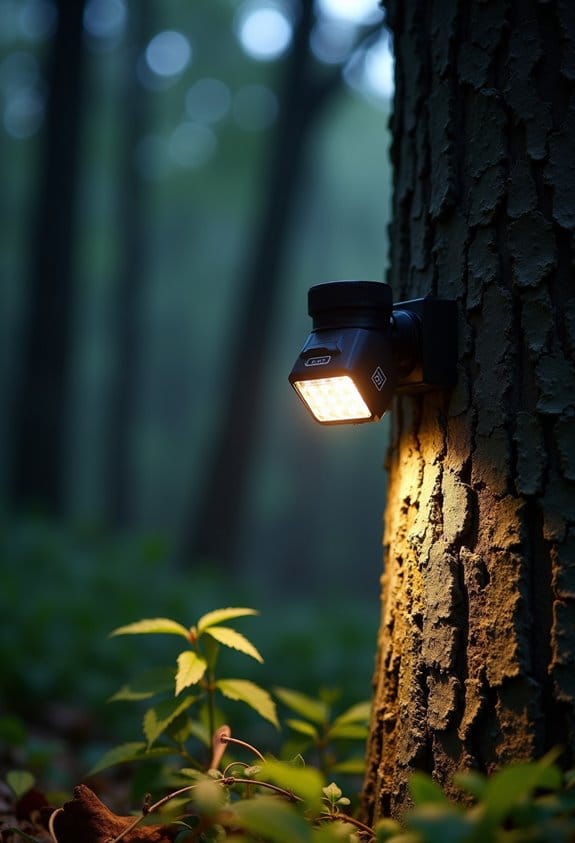
Have you ever wondered how infrared LEDs work to illuminate scenes, especially at night? It’s pretty cool how these little devices emit infrared light that’s invisible to us but can be picked up by night vision gadgets. Let me break it down for you!
First off, in those infrared LEDs, there’s a process happening called electron-hole recombination. When electrons and holes—the gaps left by electrons—come together in the semiconductor material, they produce infrared photons. Think of it like a dance where partners come together to create light, just not the kind we can see.
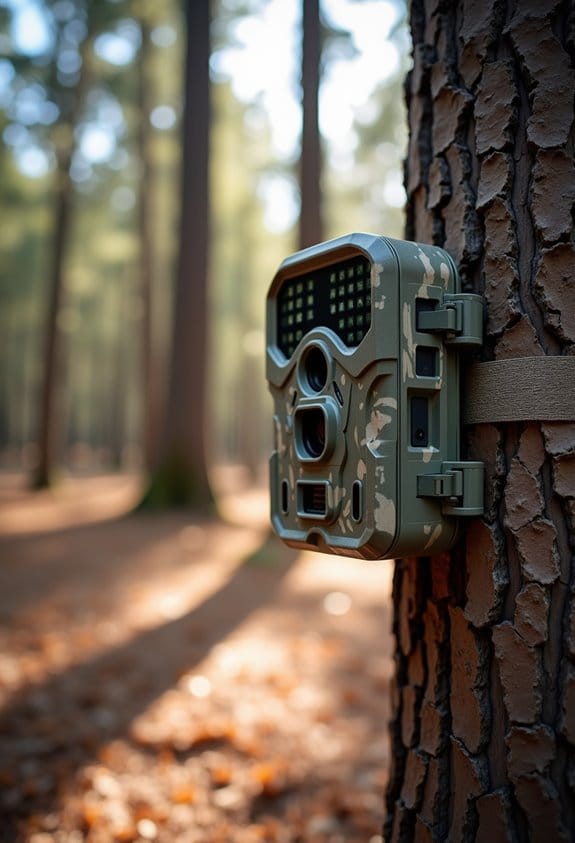
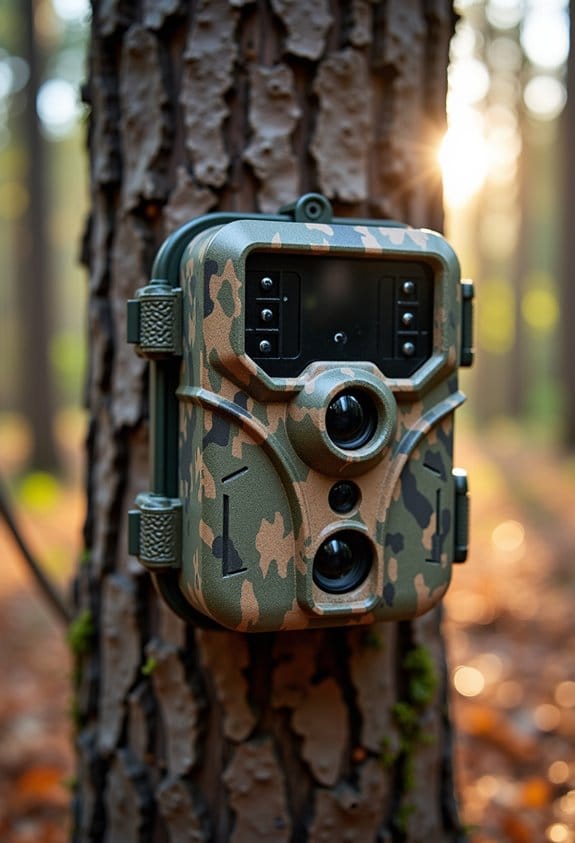
What makes infrared LEDs so interesting is their ability to provide light without the visible glow we’re used to. This stealthy illumination is perfect for nighttime use, like when you see wildlife in the dark or want to monitor your home discreetly. For example, security cameras equipped with infrared LED technology can record clear images even in pitch-black conditions, helping us stay aware of our surroundings without drawing attention. Many advanced cameras utilize infrared wavelengths such as 850nm or 940nm to achieve clear night vision without disturbing wildlife or people.
Comparing Wavelengths: 850 Nm vs. 940 Nm
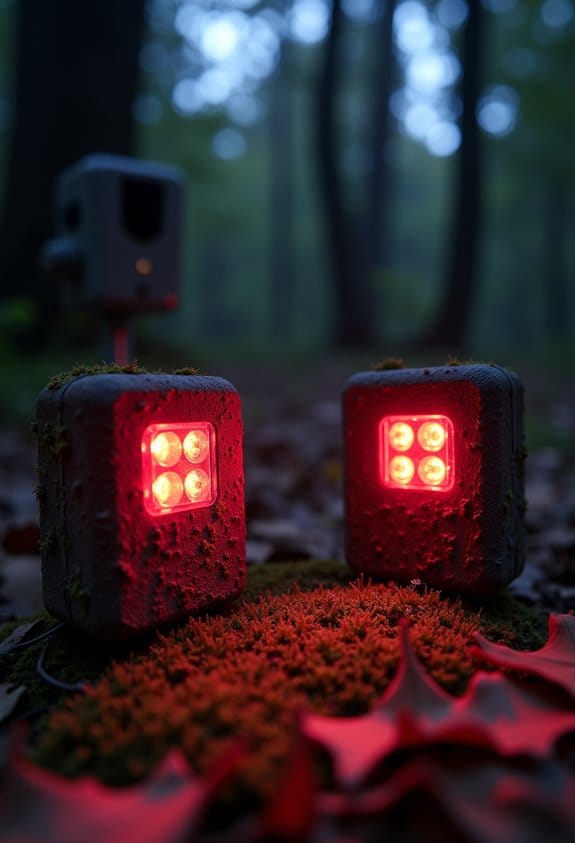
Hey there! If you’ve ever wondered about the differences between 850 nm and 940 nm infrared LEDs, you’re not alone. These wavelengths are popular choices for various applications, but they serve different purposes.
So, let’s break it down. First up, at 850 nm, you actually see a faint red glow when it’s in use. This can be useful if you’re using it for hunting or surveillance, as it provides a bit of illumination. For instance, night vision goggles tend to work better with this wavelength because they can pick up that red light, giving you clearer visuals in the dark.
On the other hand, 940 nm LEDs are completely invisible to us. That’s what makes them awesome for covert surveillance and security tasks. Imagine trying to capture footage without alerting anyone—this wavelength allows for that. If you’re in a situation where you need to minimize detection, like monitoring a sensitive area, 940 nm is your go-to.
In the end, your choice between these two really comes down to how you want to use the light. Are you after visibility, or is stealth more critical? Keep that in mind, and you’ll make the right decision for your needs! Many wildlife observation cameras rely on advanced Low Glow Infrared Technology to balance illumination and minimal disturbance.
Recommended Products


【Sensor-Enhanced 4K Clarity】Night vision rifle scope with 4K CMOS sensor, with more pixels and a larger array, enhances image precision for efficient target recognition, elevating hunting to new heights through technological innovation.

The Armasight Watchman IR Illuminator is a must-have for anyone in the field using night vision devices. Powered by VCSEL technology, the Watchman IR Illuminator helps positively ID targets and track prey beyond 500+ yards
Why Choose Infrared Light Over Visible Light?
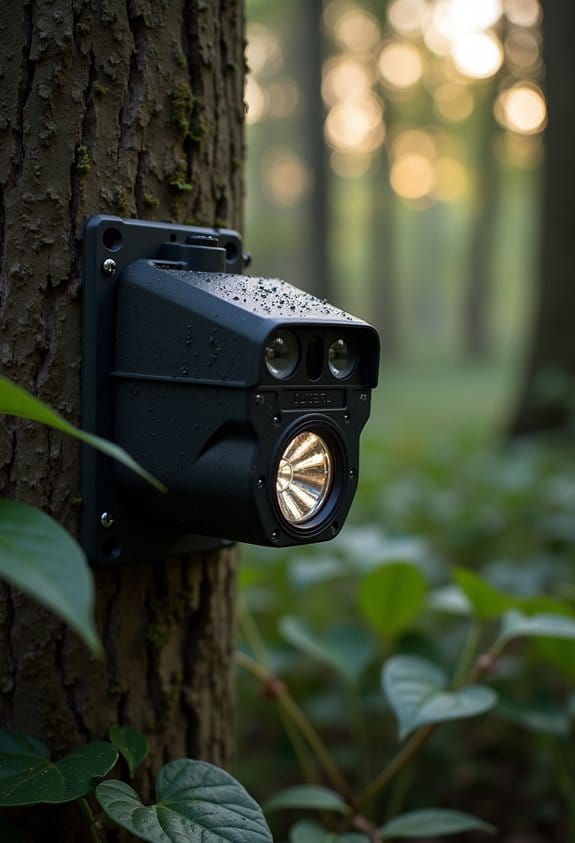
So, have you ever considered using infrared light instead of visible light? It can really be a smart choice, especially for certain tasks! For instance, if you’re into surveillance, infrared light is fantastic because it’s completely invisible to the human eye. This means you can keep an eye on things without anyone knowing you’re there—great for discreet monitoring!
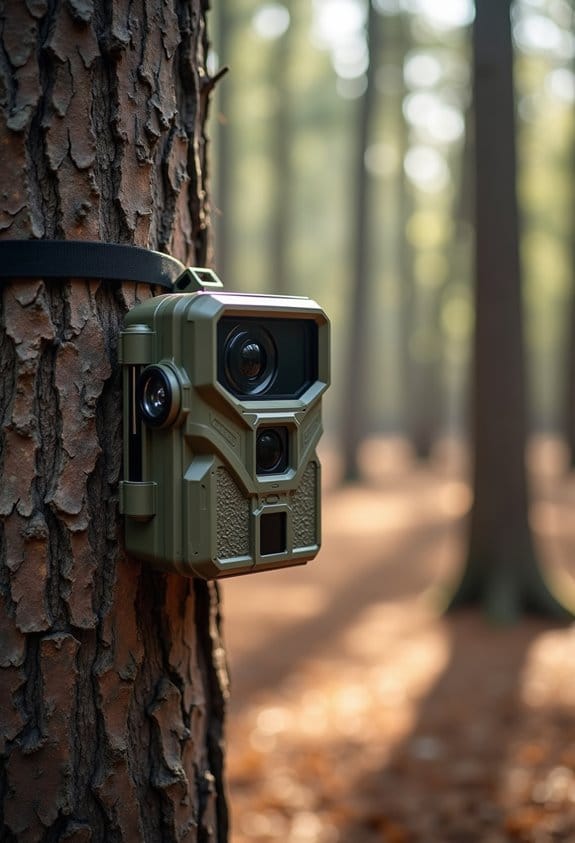
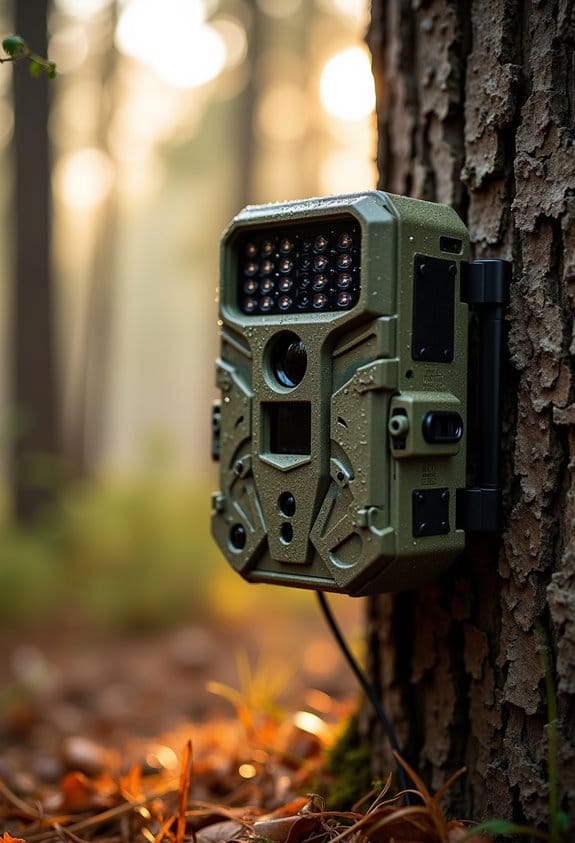
Another cool thing about infrared is how it helps with wildlife observation. You can set up cameras with infrared LEDs to track animals in their natural habitat without disturbing them. The creatures go about their business, oblivious to your presence, allowing for more accurate behavior studies.
Plus, if you’ve ever used night vision equipment, you know how crucial infrared is. It works wonderfully in pitch-black conditions, making sure you can see clearly when it’s dark out. And on top of that, infrared doesn’t create light pollution, which is important for sensitive environments where natural light is crucial.
Many advanced cameras use no-glow technology to capture clear images at night without alerting wildlife to their presence.
Recommended Products

Ultra High Definition 12MP (4000x3000) SIX TIMES the resolution of 1080P! 64 Channel H.265+ 12MP NVR Security Camera System with (32) H.265+ 12MP 4K @ 30fps Real-Time Weatherproof 2.8mm Wide Angle PoE IP Dome Cameras (Built-in Microphone)

Ultra High Definition 6K 12MP (4512x2512) SIX TIMES the resolution of 1080P! 64 Channel H.265+ 12MP NVR Security Camera System with (32) 6K 12MP Weatherproof 145° Diagonal Wide FOV H.265+ Starlight Color Night Vision PoE IP Dome Cameras (Built-in Microphone)

Ultra High Definition 4K (3840x2160) FOUR TIMES the resolution of 1080P! 64 Channel H.265+ 12MP NVR Commercial-Grade Security Camera System with (48) H.265+ 4K (8MP) @20FPS Weatherproof 2.8mm Wide Angle PoE IP Full-Time Color Night Vision Bullet Cameras (Built-in Microphone)
What Are the Top Uses of Infrared LEDs in Night Vision?
Hey, have you ever wondered how infrared LEDs make such a huge difference in night vision? These special lights are pretty much the backbone of several amazing applications. For example, security cameras with infrared LEDs can capture crystal-clear images even in total darkness. This means you can keep an eye on your property without drawing the attention of any potential intruders.
Another cool use is in night vision systems. These LEDs provide the necessary illumination for gear used by military and law enforcement, allowing them to operate safely in low-light conditions. Imagine wearing goggles that let you see everything around you, even when there’s no light at all!
Then there’s search and rescue operations. Teams equipped with infrared technology can move stealthily, minimizing the risks of detection as they work to find people in challenging environments—like thick woods or disaster-struck areas. Similarly, researchers studying wildlife can use infrared LEDs to monitor animals at night without disturbing their natural behavior. This is crucial for understanding how they interact with their ecosystems.
Infrared LEDs with 940nm wavelengths are especially valuable because they provide invisible illumination that does not disturb wildlife during nighttime observations.
Recommended Products

Megelin Upgrade Therapy Bag Full Body at Home

Octawave Technology: The Apex 2160 red light therapy for body panel delivers industry leading 8 wavelengths which includes 590nm, 630nm, 660nm, 810nm, 830nm, 850nm, 940nm and 1060nm. Includes remote, goggles, door hook, and ratchet rope hanger.

More Wavelengths Better Experience: The unique Pro300 red light panel is equipped with four wavelengths. 630nm & 660nm are both non-invasive red light, designed for everyday use. 850nm & 940nm are infrared light, offering a calming lighting experience.
What Types of Receivers Help Detect Infrared?
Hey there! Let’s chat about infrared technology and the types of receivers that can help detect those sneaky, invisible signals. You might be surprised to learn how these nifty devices work and what options are out there.
First off, we have photodiodes. Think of them as super-fast sensors that react almost instantly to infrared light. They’re perfect for applications that need quick response times, like remote controls or automatic lighting systems. If you’re working on something that requires instant feedback, a photodiode might be your best bet.
Next up are phototransistors. These guys are a bit slower than photodiodes but provide a stronger signal. They’re great for general detection tasks. For example, if you’re building a simple motion detector for your home security system, a phototransistor could do the trick quite nicely.
And then there are infrared receiver modules (IRMs). These are like all-in-one packages that include a photodetector plus demodulation circuitry. This means they give you clear digital outputs, making it much easier to work with, especially in bright environments. You might find these handy in projects like remote-controlled cars or IR communication systems.
When you’re picking a receiver, it’s a good idea to think about how fast you need it to be, how sensitive it should be, and how complicated you want your setup to be. Considering these factors will help you find the right receiver for your specific applications. Got a project in mind? Let’s explore how infrared technology can be a part of it!
For best results, ensuring your infrared sensors have stable mounting positions can improve detection accuracy and longevity.
Recommended Products

Transmit 4K HDMI and Full HD 1080P signals over 50 meters (164ft) over a CAT 6/7 cable for a stable and reliable connection. Perfect for home or office setups, including PCs, game consoles, Blu-ray players, and media players. This HDMI to Ethernet adapter supports HDMI over Ethernet technology for extended displays.

COMPACT BOOKSHELF SPEAKER PAIR - Enjoy lifelike sound from movies, games & music with Polk Monitor XT20 that features a 1" Tweeter & a 6.5" Dynamically Balanced Woofer for rich, clear audio and open, mid-range and punchy bass in an immersive soundstage

Great for Horns, Trumpets, Clarinets, Saxophones, and Drums
Key Safety Considerations With Infrared LED Lighting
Hey there! So, let’s chat about infrared LEDs and some important safety points you should know about. Even though these lights are usually safe, there are a few things to keep in mind to protect yourself while using them.
First off, infrared light is invisible to the human eye. That means you might not even realize you’re being exposed to it, especially if it’s at high levels. For example, if you’re positioned too close to a powerful infrared lamp, you might be getting more than what’s considered safe without even noticing it!
Next, it’s really crucial to steer clear of direct exposure to strong infrared sources. Our natural reflexes, like blinking or dodging, don’t kick in since we can’t see this light. Think of it like standing too close to a campfire—you wouldn’t want to get burned just because you didn’t realize how hot it was!
When it comes to the standards governing these technologies, professional systems typically adhere to IEC 62471 standards. This means they’ve been tested for safety, ensuring that they’re designed to keep you safe during use. For most consumer infrared LEDs, they usually operate well below harmful levels and have low radiant outputs, enhancing their safety profile.
In medical settings, infrared technology is often equipped with monitoring systems to manage the amount of exposure during procedures, adding an extra layer of safety.
Additionally, many modern devices use no-glow infrared LEDs which emit light at wavelengths that are nearly invisible to both humans and wildlife, thereby reducing the risk of disturbance and improving safety during use.
Enhancing Low-Light Visibility With Infrared Technology
Have you ever wished you could see clearly in the dark? Infrared technology is a fascinating way to enhance visibility when the lights are low. It uses special infrared LEDs that emit light that our eyes can’t see, but that can really help with night vision.
So, how does it work? Think about night vision goggles or cameras. These devices pick up the infrared light and turn it into images that we can see. For instance, some LEDs operate at around 850 nm, which gives off a faint red glow and works well with regular night vision systems. On the other hand, there are also 940 nm LEDs, which are completely invisible and perfect for situations where you want to stay low-key, like wildlife monitoring.
You’ll find that infrared technology is especially useful in security. Cameras equipped with infrared can keep an eye on your property at night without shining bright lights. This not only keeps the area discreet but also prevents startling nearby animals. So whether you’re securing your home or venturing out for a nighttime hike, infrared can significantly improve your visibility in the dark. Isn’t it amazing how technology can make our night adventures safer and more enjoyable? Many advanced cameras now use no glow night vision LEDs to minimize disturbance while capturing detailed night photos.
Recommended Products
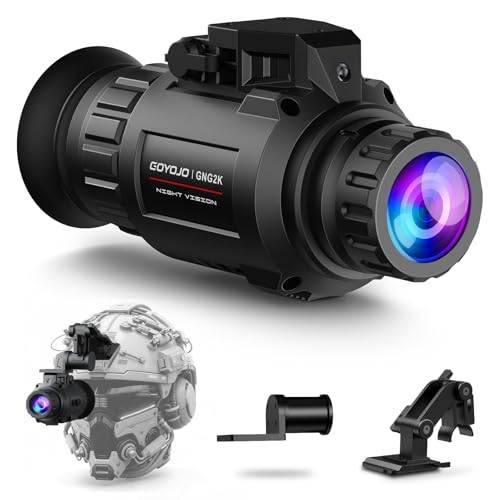
Ultra-Clear 2K Resolution – See What Others Can’t: GOYOJO GNG2K Night Vision Monocular delivers sharp 2688x1520 HD night vision with a smooth 60Hz refresh rate. Whether you’re securing your property, spotting coyotes at night, or navigating a pitch-dark trail, you’ll enjoy crystal-clear visuals without lag or blur — even in total darkness.

CUDDELINK WIRELESS NETWORK: Link up to 23 CuddeLink wireless trail cameras with CuddeLink and check photos remotely without disturbing wildlife patterns.
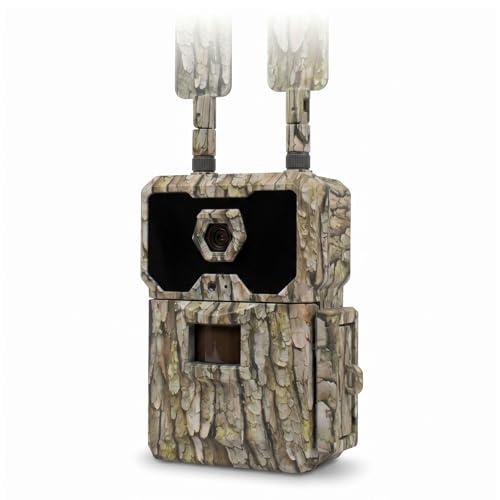
Multicarrier 4G LTE – Any Network, Anywhere: One camera, any carrier. The DC-2 auto-links to AT&T, Verizon and T-Mobile so you get rock-solid signal on any property, any season – no SIM swapping, no separate models to buy.
Frequently Asked Questions
Do IR LEDS Emit Visible Light?
While infrared LEDs primarily operate outside the visible light spectrum, sometimes they emit a faint red glow. Embracing LED technology, we uncover enchanting infrared applications where illumination exists without disturbing our night vision or creating visible light pollution.
Does Infrared Come Before Visible Light?
Yes, infrared does come before visible light in the electromagnetic spectrum. We can’t perceive these longer light wavelengths with our eyes, which makes infrared fascinating for various applications beyond human perception, especially in low-light situations.
How Do Infrared LEDS Work?
We can’t see infrared LEDs, yet they’re like secret agents in the infrared spectrum! Their efficiency springs from thermal imaging applications, adjusting factors like current and pulse width to illuminate scenes we’ll never see.
What Is the Difference Between Visible LED and Infrared LED?
Visible LEDs emit detectable light wavelengths, while infrared LEDs focus on invisible wavelengths for infrared applications. Their LED efficiency varies, making each type suitable for different uses—visible for lighting and infrared for discreet illumination.