As an Amazon Associate, we earn from qualifying purchases. Some links on this site are affiliate links at no extra cost to you. Our recommendations are based on thorough research and editorial judgment.


Minimizing Habitat Impact When Clearing a View

When you’re clearing a view, it’s important to minimize habitat impact. Here are some techniques to help you do that:
- Use selective clearing to remove only necessary trees while keeping essential plants for wildlife.
- Create buffer zones with native plants to support animal movement.
- Utilize low-impact tools to lessen soil disturbance.
- Leave natural structures, like dead trees, for wildlife habitats.
You may be interested
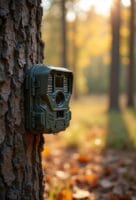
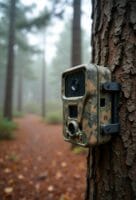
These methods not only protect local ecosystems but also enhance biodiversity. If you’re curious about more strategies, keep exploring!
Key Takeaways
- Employ selective clearing to remove only necessary vegetation while preserving important native plants for local wildlife habitat.
- Establish buffer zones with native vegetation to maintain wildlife corridors and stabilize soil during the clearing process.
- Utilize low-impact methods and equipment to reduce soil compaction and minimize ecological disturbance while clearing views.
- Conduct site assessments to determine optimal clearing timing, avoiding disruption during crucial wildlife breeding seasons.
- Create nesting spots by leaving brush piles and snags, providing shelter for birds and small mammals in the area.
How to Minimize Habitat Impact When Clearing a View

When you’re thinking about clearing a view, it’s really important to consider how we can minimize our habitat impact. There are some smart strategies that can make a difference. For instance, selective clearing is key – you want to take down only the necessary trees and shrubs while keeping those important native plants and trees in place. This not only maintains the natural beauty but also helps keep the habitat healthy for local wildlife.
Another tip is to create buffer zones. These are areas filled with native vegetation along the edges of the cleared spots. They serve as wildlife corridors, allowing animals to safely move around without being disturbed. Imagine a small strip of wildflowers and shrubs that helps a family of deer navigate through your property safely!
And let’s not forget about using low-impact methods. If you can, try hand clearing instead of heavy machinery. It’s gentler on the environment and can give you more control over what stays and what goes. You might also consider forestry mulching, which turns the cut vegetation into mulch that enriches and stabilizes the soil.
Lastly, make sure to conduct site assessments to plan your clearing around local wildlife’s breeding seasons. This means if you know certain birds nest in your area during the spring, hold off on clearing then.
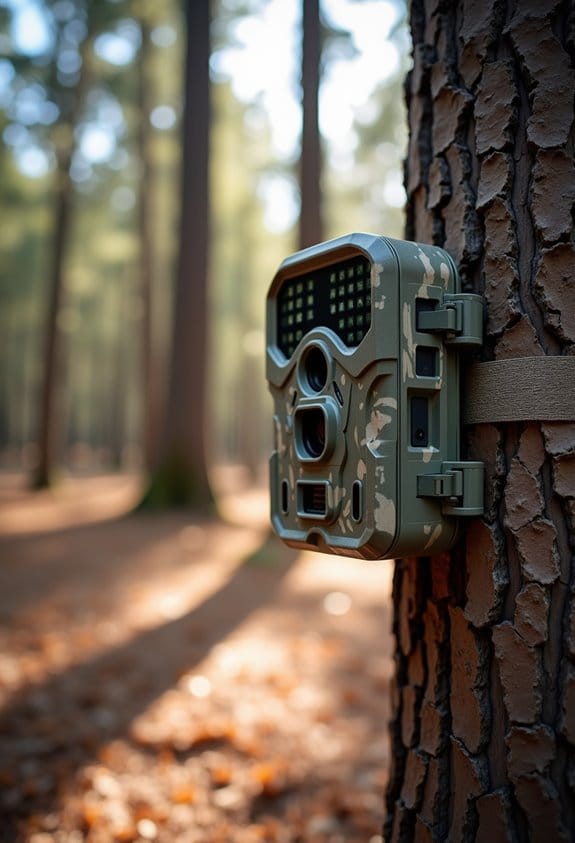
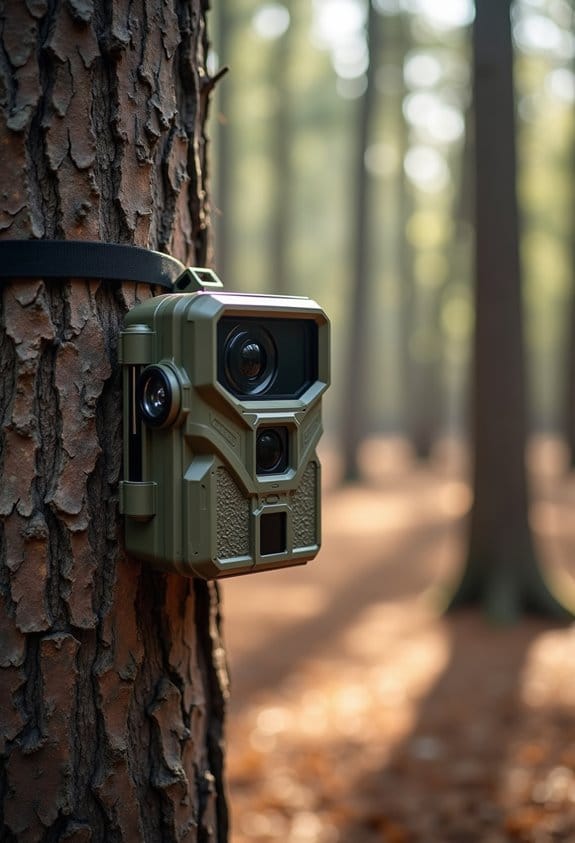
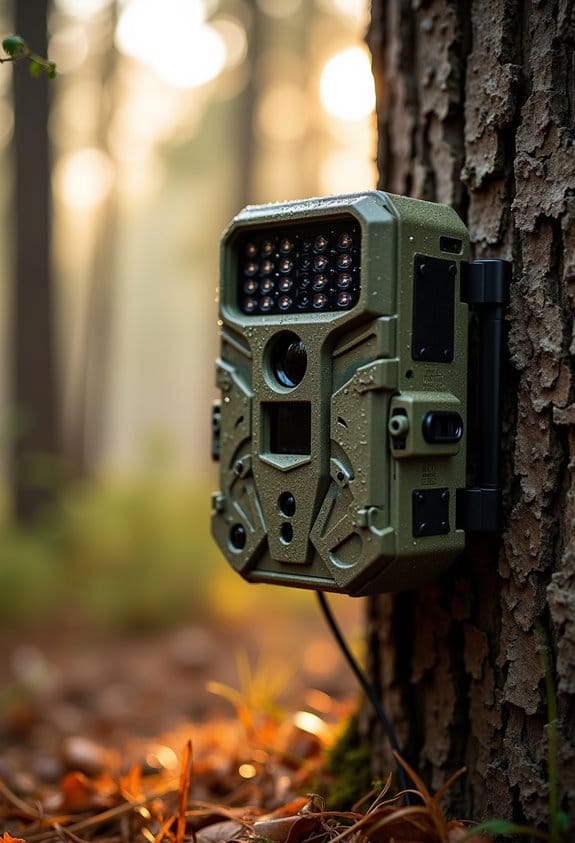
Additionally, when monitoring your cleared area, securing trail cameras with weather-resistant locks can protect your equipment while observing wildlife habits responsibly.
Essential Techniques for Habitat-Friendly Clearing
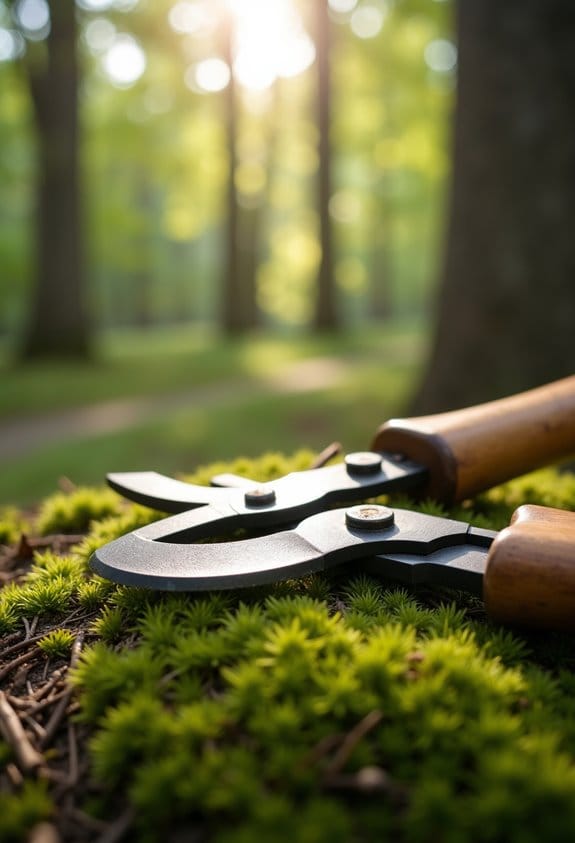
When we’re working on clearing land, it’s really important to do it in a way that keeps the habitat healthy. Think of it like this: we want to open up the area for our views but still protect the local plants and animals. To do this, there are a few key techniques that we should definitely consider.
First off, there’s something called *selective clearing*. This just means we remove specific plants that need to go while ensuring that essential native species remain untouched. For instance, if you’re clearing brush, you’d want to keep native wildflowers and shrubs that provide food and shelter for wildlife.
Then, we have *forestry mulching*. This technique is pretty neat because it turns the vegetation into mulch, which not only enhances the soil but also supports other living things in the ecosystem. It’s a bit like giving the earth a nutrient boost!
Another helpful method is *controlled burning*. This might sound intimidating, but it can actually help manage invasive plants and encourages the growth of native species. Some forests even benefit from this, as it helps reset the ecosystem, making room for healthy plants.
Don’t forget about creating *buffer zones*, especially around waterways. Planting native species in these areas can really stabilize the soil and provide a habitat for various creatures. Plus, it creates a natural filter for any runoff, which is a win-win.
Lastly, when it comes to equipment, opt for *low-impact* tools and techniques. Hand clearing or using machines that minimize disruption can really make a difference. For instance, using lighter machinery can prevent soil compaction, allowing other plants to thrive.
Additionally, employing durable materials in equipment construction helps ensure minimal replacement needs and reduces environmental disturbance over time.
Why Selective Clearing Protects Wildlife

You know, I was recently reading about selective clearing and how it really helps to protect wildlife and their natural habitats. This method focuses on removing only the necessary vegetation while keeping much of the area as it is. This is important for several reasons that really show how wildlife benefits from it.
For starters, selective clearing helps create wildlife corridors. These are safe paths that allow animals to move and migrate without facing too many obstacles. For example, deer can travel between feeding grounds and breeding areas without having to dodge heavy brush or development. It’s all about giving them space to thrive.
Also, by leaving native plants intact, we ensure that local species have access to their natural food sources and shelter. Think about it: when you see a bird’s nest tucked in a tree, that tree is likely a native species that provides the perfect habitat for those birds. It’s small actions like this that lead to big impacts on wildlife.
Plus, preserving ecosystems through selective clearing supports biodiversity. When we keep different plants and animals in an area, we help maintain healthy interactions between them. It’s like a balanced ecosystem where everything has its role. And let’s not forget about soil erosion—keeping those root systems intact reduces soil loss and helps filter out clean water. It’s a win-win!
Finally, by minimizing habitat fragmentation, animals can enjoy larger spaces that support their genetic diversity. This is crucial for the long-term survival of species. If animals can roam freely rather than being stuck in isolated patches, their chances of finding mates and maintaining healthy populations increase. Additionally, utilizing trail cameras with motion detection technology helps monitor wildlife activity without disturbing their habitats.
Planning for Ecological Protection During Land Clearing
Hey there! You know, when it comes to land clearing, planning for ecological protection is super important. It’s all about making sure we’re being kind to our environment while getting the job done. For instance, one great step is to do site assessments, which basically means checking out the area beforehand. This helps us figure out the best time to clear, especially avoiding those crucial wildlife breeding seasons when animals are really vulnerable.
Another cool idea is to set up buffer zones using native plants along waterways. Not only do these zones help stabilize the soil, but they also create natural habitats for local wildlife. Imagine a little haven for birds and insects right next to where we’re working! Plus, sticking to selective clearing techniques allows us to keep important native trees and plants around, which is a win for both nature and us.
When we do need to manage debris after clearing, we should think about how to do it sustainably. This means finding ways to recycle or repurpose waste instead of just letting it decay in a pile. And let’s not forget about the equipment we use—opting for low-impact machinery can make a big difference in minimizing disruption, especially in sensitive areas.
In short, planning for ecological protection during land clearing isn’t just the right thing to do; it makes practical sense for everyone involved. Speaking of protecting ecosystems, have you ever considered what happens to wildlife when urban development encroaches into their habitats? It’s a fascinating topic! Using wildlife cameras with cellular data can also help monitor the impact of land clearing on local species in real time.
Using Low-Impact Tools to Preserve Habitats
Hey there! Let’s chat about something really cool—using low-impact tools for clearing land. You know, when we clear land, it’s super important to use tools that minimize harm to the environment. Low-impact tools, like specialized mulchers and a mix of hand tools, help keep the soil healthy by reducing disturbance. Less disturbance means a happier ecosystem, less erosion, and ultimately better growth for plants.
So, how can we really make a difference? One great method is selective hand clearing. This means we focus on saving our native plants and trees. By doing this, we support local wildlife and keep the area’s biodiversity thriving. Another fantastic option is forestry mulching. It’s pretty neat—this technique turns whatever plants we clear into mulch, which then enriches the soil instead of just ending up in the landfill.
Timing is another key factor. If we can clear land outside of breeding seasons, we’re doing a solid favor for wildlife by giving them a chance to thrive without interruptions. Using low-glow infrared technology in monitoring helps minimize disturbance to animals during habitat clearing activities.
Leaving Natural Structures to Help Local Wildlife
Hey there! If we want to do our part in supporting local wildlife, leaving some natural structures intact when clearing land is a great way to go. It’s pretty simple and can make a huge difference for the creatures around us.
Take brush piles, for example. When we leave these heaps of twigs and branches, they create cozy spots for small mammals and birds to nest. This little act can really boost the diversity of species in the area. And what about snags—those dead trees that might seem like a nuisance? They’re actually super valuable! Over 35 bird species use these snags for nesting, and many mammals rely on them for food and shelter.
Now, let’s chat about stream banks. By fencing them off, we can preserve the plants that grow there. This not only helps keep our water clean but also provides homes for more than 80 kinds of birds. Plus, if we create temporary pools during land clearing, amphibians can find safe spaces to breed, which is crucial for their survival.
And don’t forget about buffer zones! When we leave strips of native plants around cleared areas, we help stabilize the soil and give wildlife a way to move between different habitats. It’s all about making those connections. By incorporating these natural structures, we’re nurturing our local ecosystems and giving wildlife a fighting chance. What do you say we explore more ways to enhance these habitats? Using infrared night vision cameras can help monitor the impact on wildlife without disturbing them.
How Sustainable Practices Boost Biodiversity
You know, sustainable practices aren’t just a passing trend; they actually play a huge role in boosting biodiversity and making our environments more lively and vibrant. For instance, when we use techniques like selective clearing and forestry mulching, we minimize disruptions to habitats and protect native plant species. This not only stabilizes the soil but also supports various ecosystems, helping them thrive.
Let’s break it down a bit. One effective method is creating buffer zones by planting native plants alongside waterways. This keeps the soil healthy and acts as a wildlife corridor, letting animals move freely between habitats. Another good technique is controlled burning, which manages invasive species while allowing native plants to come back stronger.
Plus, if you’ve ever wondered about equipment used in land clearing, using low-impact tools can make a big difference too. They prevent soil compaction, which helps protect the plants and animals in the area. And don’t overlook the importance of debris management; recycling organic waste into mulch can really enhance soil quality.
When all these strategies come together, they create healthier habitats and boost wildlife populations. So, just imagine the difference small actions can make in fostering a rich and diverse environment around us! Using heavy-duty designs for outdoor equipment can further ensure minimal disturbance and long-lasting protection of these natural zones.
Frequently Asked Questions
How to Reduce the Effects of Habitat Fragmentation?
Did you know over 80% of species depend on habitat connectivity? To reduce fragmentation effects, we can implement wildlife corridors, prioritize native species in land use planning, and support reforestation efforts as sustainable conservation strategies.
What Is Mitigation for Habitat Impacts?
Mitigation for habitat impacts involves habitat restoration and conservation strategies that promote biodiversity preservation. By incorporating eco-friendly practices, community involvement, and effective land use planning, we can enhance wildlife corridors while complying with environmental regulations and supporting sustainable development.
How to Limit Habitat Destruction?
How can we limit habitat destruction? By embracing sustainable practices like habitat restoration, wildlife corridors, and conservation techniques, we promote native species, soil preservation, and ecological balance through revegetation strategies while ensuring minimal disturbance and fostering environmental education.
How Does Clearing Affect the Environment?
Clearing affects the environment by causing deforestation consequences like biodiversity loss, wildlife displacement, and soil erosion. It deteriorates water quality, heightens air pollution, disrupts carbon storage, and can lead to species extinction and ecosystem imbalance.