As an Amazon Associate, we earn from qualifying purchases. Some links on this site are affiliate links at no extra cost to you. Our recommendations are based on thorough research and editorial judgment.


Avoiding Nest and Den Disturbance: Sensitive Placement Guidelines

When planning construction or landscaping, we must follow sensitive placement guidelines to protect nests and dens. The Migratory Bird Treaty Act safeguards over 1,000 bird species, making it illegal to disturb active nests. Here are key points to keep in mind:
- Schedule work outside the nesting season (February to July).
- Identify nests by observing bird behavior.
- Create buffer zones of 50 to 300 feet around nests.
You may be interested
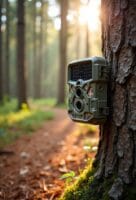
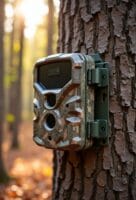
By being aware of these guidelines, you can help protect wildlife and avoid legal issues. There’s more to learn about this important topic.
Key Takeaways
- Schedule construction activities between August 1 and January 31 to avoid conflicts with the primary nesting season from February to July.
- Conduct pre-construction nest surveys to identify active nests and inform project planning effectively.
- Establish buffer zones of 50 to 300 feet around identified nests to limit human disturbances based on bird species.
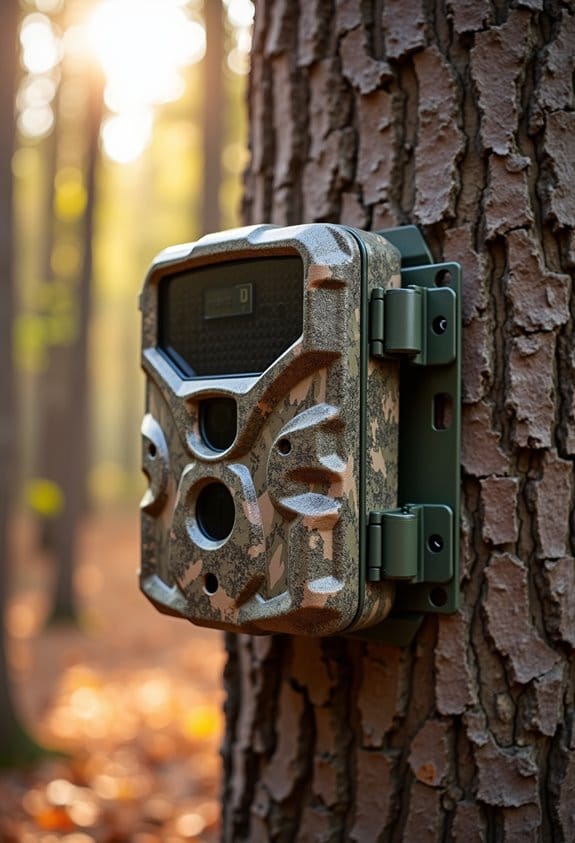
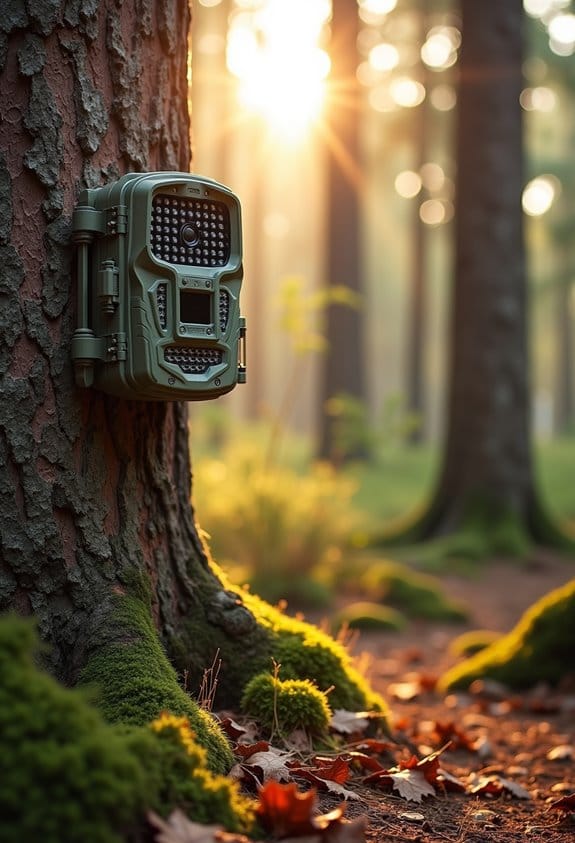
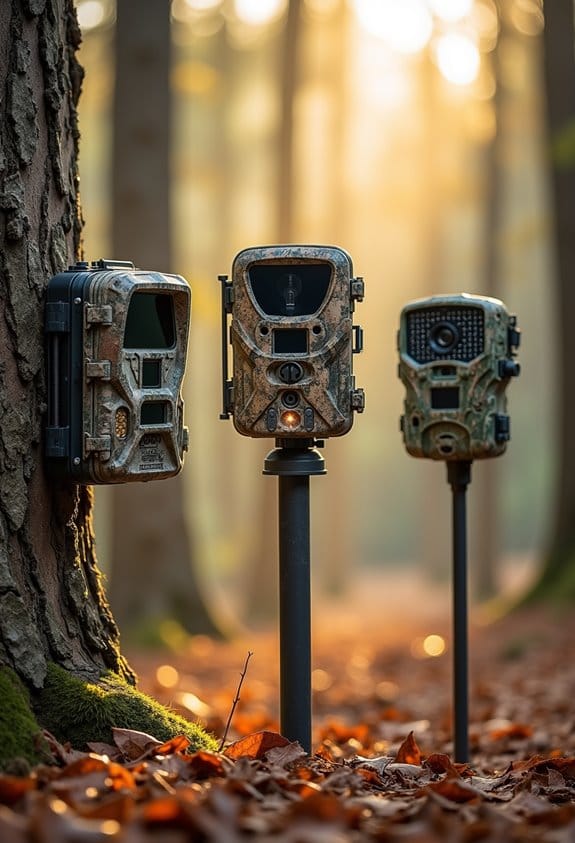
- Monitor nests using cellular game cameras to minimize disturbances and document any interactions with wildlife.
- Collaborate with bird biologists for informed scheduling of projects and report any disturbances to local wildlife authorities promptly.
Understanding Legal Protections for Nesting Birds

If you’re curious about how to protect nesting birds, you’re in for an interesting topic! The Migratory Bird Treaty Act (MBTA) safeguards more than 1,000 species by making it a no-no to disturb active nests. It’s a big deal because these birds rely on their nests for their young, and the law is there to ensure they can do that safely.
So, what do we mean by “active nests”? Essentially, if a nest has eggs or chicks in it, it’s covered by these protections. For instance, in California, if someone destroys a nest, they could face significant penalties under Section 3503. It’s not just individuals—homeowners associations can also get into trouble if they don’t respect these laws, facing fines or even jail time in some cases.
Nesting season runs from February to August, making it crucial for everyone, especially homeowners and property managers, to be vigilant during that time. For example, if you’re planning to trim trees or do yard work, it’s a good idea to check for any nests first. This way, you’re not just being a good neighbor to the birds—you’re also staying on the right side of the law.
Using technology with long-lasting battery power can help monitor habitats without frequent human disturbance.
Next, let’s explore how you can help create a bird-friendly environment while enjoying your outdoor space!
Why Sensitive Placement Guidelines Are Crucial for Bird Safety

When it comes to bird safety, using sensitive placement guidelines during construction or landscaping work is super important. These guidelines make sure that active nests are protected, allowing our feathered friends to go about their business of nesting and raising their young without disturbance. For example, if you’re planning to plant new trees or build a deck, being mindful of where nesting birds might be can make a big difference.
There are a few key reasons we need to think about this. First, did you know that it’s illegal to disturb active nests without special permission due to the Migratory Bird Treaty Act? This law is all about keeping our bird populations safe. Plus, the nesting season typically happens from February to August, so if you’re doing any outdoor projects, you’ll want to plan ahead and check for any nests before you start.
Using technology like wildlife cameras with infrared detection can help monitor areas without disturbing birds, ensuring safe and compliant project planning.
Best Timing for Protecting Nesting Birds During Construction Activities

If you’re planning any construction work and want to protect nesting birds, timing really matters! In California, the primary nesting season stretches from February 1 to July 31, with the busiest period for nesting happening from April 15 to July 31. That’s when lots of birds are working hard to raise their families, so it’s best to keep disturbances to a minimum during that time.
From August 1 to January 31, you can usually schedule construction without worrying much about nests, as birds tend to be less active then. For example, if you’ve got a big renovation project in mind, try to aim for those months! Also, before starting any work, make it a habit to carry out nests surveys, which means checking the area for active nests. This simple step can save you from potential legal trouble under the Migratory Bird Treaty Act, which offers legal protections for those birds during nesting. Using technology with energy-efficient motion detection can help monitor wildlife activity effectively without causing unnecessary disturbances.
Recommended Products

1.Genuine 304 Stainless Steel Bird Spikes for Long Term Use. Our bird spikes for large birds are made of premium 304 stainless steel material and will not get rusty even installed outdoor. Both the pins and bases are 304 stainless steel made. Compared to the plastic bird spikes, our bird spikes for pigeons could withstand longer time use.The bird spikes for small birds or pigeon is deal for different location such as ledges, beams, rafters,chimneys and so on.
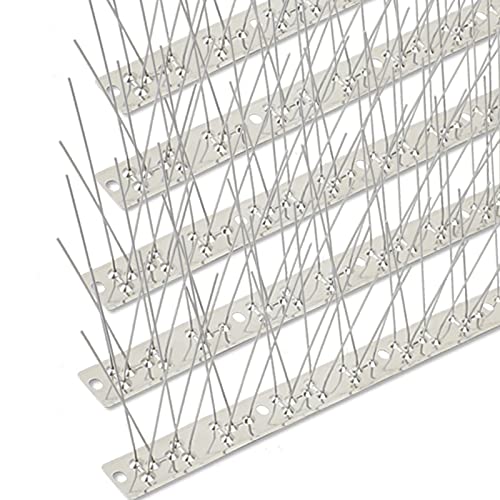
1.Genuine 304 Stainless Steel Bird Spikes for Long Term Use. Our bird spikes for large birds are made of premium 304 stainless steel material and will not get rusty even installed outdoor. Both the pins and bases are 304 stainless steel made. Compared to the plastic bird spikes, our bird spikes for pigeons could withstand longer time use.The bird spikes for small birds or pigeon is deal for different location such as ledges, beams, rafters,chimneys and so on.
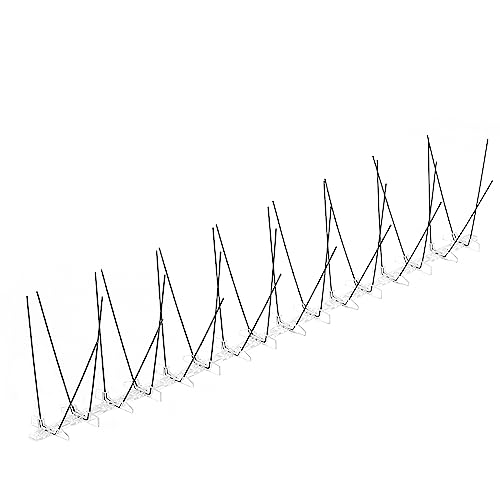
ANTI BIRD SPIKES: Bird B Gone's EnviroSpike metal bird spikes offer a reliable and humane solution to deter unwanted birds like pigeons, seagulls, and crows. With their dulled points, these spikes act as a barrier, stopping birds from landing on porches, rooftops, ledges, windowsills, fences, and other perching areas without causing them harm.
How to Identify Nests Before Your Construction?
Hey there! So, if you’re curious about how to spot bird nests before construction kicks off, it’s really all about being proactive during the breeding season, which runs from February to August. This is when a lot of birds are busy making their homes, and catching their nests early is key.
First off, take a good look around areas where birds might hide their nests. Think about spots like bushes, trees, or even the nooks of buildings. For example, if you’re near a dense thicket or a leafy tree, those are prime real estate for bird nests. Also, keep your eyes peeled for birds acting a bit suspiciously—if you see them flying back and forth with twigs, that could be a telltale sign they’re building a nest nearby.
It’s helpful to check out resources like NestWatch or the Cornell Lab of Ornithology too. They have tons of information on different bird species and what their nests look like. If you do find a nest, make sure to jot down where it is with coordinates and snap a few photos. This is super helpful for planning your construction and makes sure you’re following the best practices for nest protection.
Using motion detection technology such as smart PIR sensors can also help monitor wildlife activity around nests without disturbing them.
Being mindful of these nesting habits not only protects wildlife but also keeps your project on track. Now, let’s talk about what to do if you do find a nest and how to handle it properly!
Recommended Products

Items Included: Canon EOS R5 Mark II Mirrorless Camera, Canon RF 24-105mm f/4 L IS USM Lens, Camera Strap, R-F-5 Camera Cover, ER-SC3 Shoe Cover, LP-E6P Lithium-Ion Battery, Canon LC-E6 Charger, Battery Pack Cover, IFC-100U Interface Cable, E-77 II Lens Cap, Lens Dust Cap RF, EW-83N Lens Hood, Lens Case LP1319, Canon 200ES Shoulder Bag, 64GB Memory Card

45.7MP Stacked CMOS sensor and EXPEED 7 image processing. Fast powerful AF that can keep up with the fastest subjects and frame rates.

SONY ALPHA A9 II: Compact professional cameras mastered for sports photography and photojournalism
Creating Effective Buffer Zones to Protect Nests
So, you’ve spotted some potential bird nests, and now you’re wondering how to keep them safe? Creating effective buffer zones around these nests is super important because it helps reduce human disturbances that could endanger the birds. Essentially, a buffer zone is a protective space where activities are limited to ensure the birds can thrive.
First off, the size of these zones really depends on what type of birds we’re talking about. For some species, you might need a buffer zone that stretches anywhere from 50 to 300 feet. That might mean marking off areas in parks or backyards where construction or heavy landscaping isn’t allowed, especially during nesting season. Speaking of nesting season, that runs from February to August, so it’s vital to restrict things like building projects or access to these areas during that time.
You’ll also want to clearly mark these buffer zones so that everyone knows to steer clear. Think about putting up signs that remind workers and neighbors to be cautious. It not only raises awareness but fosters a community effort to protect our feathered friends. Don’t forget to regularly check these zones, too! Keeping an eye on them allows you to adapt your protection measures based on how well the birds are nesting or if any new threats pop up.
Additionally, using wildlife cameras with night vision technology can help monitor these buffer zones discreetly without disturbing the birds.
Recommended Products

Dual-Spectrum Clarity – Day or Night 🌗 Combining an industry-leading 1280×1024 thermal sensor with a 4K digital optical channel, this dual-spectrum system offers unmatched precision for 24/7 operations. Detect heat, confirm visuals, and adapt seamlessly to changing light conditions.

👍【REACH NEW FRONTIERS】Autel Robotics EVO Max 4T V2 perfectly integrates a wide camera, Zoom Camera, L~aser R~angefinder, and T~hermal Camera. Ultra-sensitive wide-angle camera supports 48MP 1/2" CMOS, max ISO 64000, Moonlight Algorithm 2.0 allows capturing crisp even in low-light environments. Zoom Camera supports 48MP 8K 10x optical zoom (160x Max). L~aser R~angefinder's Measuring Range: 16.4–3737 ft, Measuring Accuracy: ± (1 m + D×0.15%). T~hermal Camera with 640*512 30Hz t~hermal imaging and 9.1mm focal length and 16x digital zoom.

Advanced Zoom and Ranging: Features objective ring zoom control and precise laser ranging up to 1000m, ensuring accurate targeting and enhanced observation capabilities for various applications.
Collaborating With Wildlife Biologists to Ensure Nest Safety
You know, teaming up with wildlife biologists can really be a game changer when it comes to protecting bird nests. It’s awesome how these experts can help us understand what effects our actions might have on nesting birds. For instance, they can conduct nest surveys to spot active nests, which means we actually know where to tread lightly.
They also recommend creating buffer zones around these nests during nesting season, which is usually from February to August. This way, we can avoid disturbing the birds while they’re busy raising their young. Plus, they know all about legal stuff, like the Migratory Bird Treaty Act, helping us stay on the right side of the law while we care for these feathered friends.
And if we need to do any construction, they can suggest the best times to do it—times that won’t interfere with the birds’ nesting. Imagine scheduling a project in late fall or early winter instead of the busy nesting months! Working closely with these biologists not only safeguards these important species but also boosts our understanding of the ecosystem. It’s a win-win!
Additionally, using low glow infrared technology in observation tools can ensure we monitor wildlife without disturbing their natural habitats.
Next, let’s look into specific ways we can implement these strategies in our local communities.
Recommended Products

INCLUDES Two Tactacam Reveal Ultra Cellular Trail Cameras, and Microfiber Cleaning Cloth by Field Boys, a Trademarked Brand. The Tactacam Reveal Ultra is highly adaptable. It can be paired with optional accessories such as solar panels for extended battery life, and it is designed to work on multiple cellular networks, giving you flexibility in choosing your cellular provider.

1 L Home Model LC-H and can be powered by Verizon or AT&T. This unit connects all cameras in the system. The unit sends the pictures to the user via e-mail or the Cuddeback App.

6 Long Range IR Cameras L Series Item LL-2A. Cuddelink infrared camera with low glow LEDs for long range and excellent image quality.
How to Report Nest Disturbances: Your Responsibilities
Hey there! Let’s chat about how important it is to be aware of our responsibilities when it comes to reporting disturbances to active bird nests. If you happen to notice a disturbance, there are a few simple steps we can take to ensure the safety of those nests.
First off, it’s super helpful to document the details. Jot down the date, time, and exact location where you saw the issue. If there were any specific actions that caused the disturbance, like a loud construction noise or someone getting too close, make a note of that too. For example, you might say, “At 10 AM on March 5th by the oak tree, I noticed workers using machinery close to a nest.”
Next, let’s talk about the laws that protect these birds. It’s good to have a basic understanding of the Migratory Bird Treaty Act, which makes sure that nesting birds are safe from harm. Also, check out local regulations since they can vary by area. You might be surprised to learn about specific local ordinances designed to protect particular species in your region.
Once you’ve gathered your information, the next step is to report it. Reach out to the appropriate wildlife authority, like the California Department of Fish and Wildlife (CDFW), so they can take action. Sometimes, it might be as simple as sending an email or making a quick phone call.
Finally, if you see others working near the nest, it can help to communicate with them kindly. Encourage them to pause their work until the chicks are safe. A simple approach could be, “Hey, there’s an active bird nest nearby, would you mind taking a break until they’re out of the danger zone?”
Using technology like cellular game cameras can also aid in monitoring nests remotely without causing additional disturbances, providing valuable evidence when reporting.
What to Do if You Encounter a Nest Emergency?
If you ever find yourself in a nest emergency, it’s important to stay calm and keep your distance from the nest. Remember, tampering with active nests can lead to legal trouble under the Migratory Bird Treaty Act, so it’s best to avoid getting too close. For example, if you see a nest in a tree in your backyard, appreciate it from afar rather than trying to interact with it.
If you notice any injured or orphaned birds nearby, that’s when you should step in and help, but not directly! Instead, reach out to local wildlife rehabilitation services, like Project Wildlife in San Diego. They have the expertise to handle these delicate situations.
Here’s a helpful checklist for next steps: First, if you see any disturbances around active nests, report them to the California Department of Fish and Wildlife. It can really make a difference. Second, try documenting what you observe—taking photos or jotting down notes can help with wildlife advocacy efforts. Lastly, if landscaping or construction is happening nearby, talk to those involved about the legal protections for nesting birds. Remember, caring for wildlife not only helps the animals but contributes to the health of our local ecosystems.
When you’re faced with a nest emergency, staying informed and proactive is key. It’s about encouraging others to respect our feathered friends and ensuring they have a safe place to thrive. Using wildlife cameras with real-time alerts can help monitor nests remotely without disturbance. Now, let’s explore what you can do if you come across wildlife in distress beyond just birds!
Recommended Products

For remote surveillance needs, this network camera is best suited
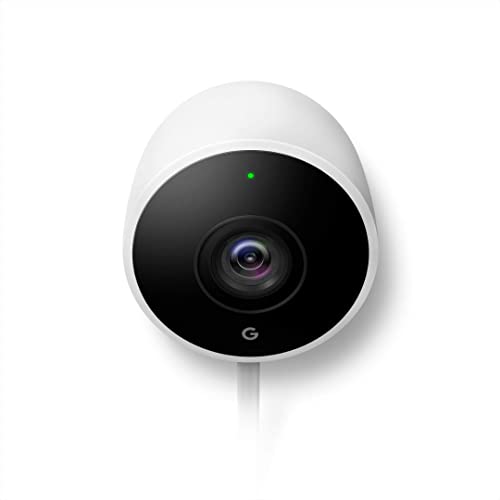
24/7 live video: 130 Degree view shows your home in 1080P HD day and night

Nest Cam has built-in intelligence and can tell the difference between a person, animal, and vehicle and send alerts directly through the Google Home app[1], no subscription required.Operating Temperature : –4°F to 104°F (–20°C to 40°C)
Frequently Asked Questions
What Deters Birds From Building a Nest?
Birds often avoid nesting due to insufficient nesting materials, predator presence nearby, and environmental noise from human activity. These factors lead them to seek safer, quieter nesting locations, ensuring their survival and successful reproduction.
Will a Mother Bird Return to a Disturbed Nest?
A mother bird often won’t return to a disturbed nest due to sensitive bird behavior and maternal instincts. Environmental factors, like stress from disturbances, can lead to nest abandonment and greatly affect her chicks’ survival chances.
How Do You Stop House Martins From Building Nests?
To stop house martins from building nests, we can use nest prevention techniques like installing effective deterrent plants, making nesting site modifications, and applying humane removal methods before their breeding season begins in spring.
Does Aluminum Foil Stop Birds From Nesting?
Like shimmering shields of silver, aluminum foil’s deterrent power against nesting birds isn’t foolproof. It can influence bird behavior, but myths persist. Seasonal nesting habits may render it ineffective, so we must explore broader solutions together.