As an Amazon Associate, we earn from qualifying purchases. Some links on this site are affiliate links at no extra cost to you. Our recommendations are based on thorough research and editorial judgment.

Roaming and Coverage Borders: What to Expect in Rural Areas

When traveling in rural areas, understanding roaming and coverage is essential. You might find fewer cell towers, leading to weak signals. Here are some key points to take into account:
- Check local coverage maps to gauge signal strength.
- Research your carrier’s roaming agreements to avoid extra charges.
- Think about eSIMs or dual-SIM devices for better options.
- Use Wi-Fi calling or messaging apps when signals drop.
You may be interested


By planning ahead, you can stay connected despite limited coverage. There’s more to discover about enhancing your connectivity.
Key Takeaways
- Rural areas often experience limited mobile coverage due to fewer cell towers, increasing the likelihood of dropped connections.
- Check your carrier’s roaming agreements to avoid unexpected charges while traveling through rural regions.
- Research local coverage maps prior to your journey to find areas with strong mobile signals.
- Dual-SIM devices and eSIMs can help manage local data plans without needing to switch physical SIM cards, reducing roaming costs.
- Utilize Wi-Fi calling and messaging apps as alternative communication methods when cell service is unavailable in remote locations.
The Importance of Understanding Roaming and Coverage in Rural Areas
Have you ever found yourself in a rural area, only to realize your phone struggles to connect? That’s because mobile coverage can be pretty limited in these parts, thanks to fewer cell towers. Imagine driving through a scenic landscape, and suddenly, you’re cut off from your music playlist because there’s no signal!
When you’re in these areas, data roaming can also hit you with some surprising charges. If your phone connects to a local carrier that’s different from your home network, those roaming fees can really add up. For example, if you decide to take a weekend trip to the mountains and your phone connects to a nearby, unfamiliar provider, you could end up with a hefty bill by the time you get back home. It’s essential to check your carrier’s roaming agreements first, as rates can vary a lot by provider and region.
Before you set off, make sure to adjust your phone settings—you can usually switch off data roaming to avoid potential surprises. And if you’re curious about coverage, researching local maps beforehand can really help. Knowing where the signals are strong means you’ll stay connected without breaking the bank on international fees. So, next time you plan a rural getaway, just take a little time to prepare, and you’ll enjoy your trip even more! Additionally, using devices equipped with 4G LTE connectivity can significantly improve your chances of maintaining a reliable connection even in remote areas.
How eSIMs Enhance Connectivity in Limited Network Areas
When you’re out in less populated areas, staying connected can be a bit of a struggle, right? That’s where eSIMs, or digital SIMs, come in handy to really boost your mobile connectivity. They allow you to easily switch between different networks. So, if you find yourself in a rural spot where reception is weak, you can quickly connect to a local carrier that might offer better coverage.
Another cool thing about eSIMs is that they can hold multiple carrier profiles. Imagine you’re on a road trip and you cross into a new area. Instead of worrying about your usual provider’s coverage, you can instantly pick up a local data plan without fumbling for a physical SIM card. Plus, this saves you from those pesky roaming charges that can really add up.
And don’t forget, eSIMs are designed to thrive in remote locations where traditional carriers often don’t reach. Picture yourself hiking in the mountains or camping in a national park—having an eSIM could let you connect to a nearby network that keeps you online where your usual carrier might fail.
With technology continually improving and more partnerships with regional providers emerging, accessing data and staying connected in these underserved regions is becoming easier than ever. It’s a real relief for adventurers and those living in rural communities alike. Additionally, using devices with 4G LTE connectivity ensures faster and more reliable data transmission, even in remote areas. So, next time you think about heading off the beaten path, consider how an eSIM can keep you connected on your journey.
What Affects Your Mobile Signal in Remote Areas?
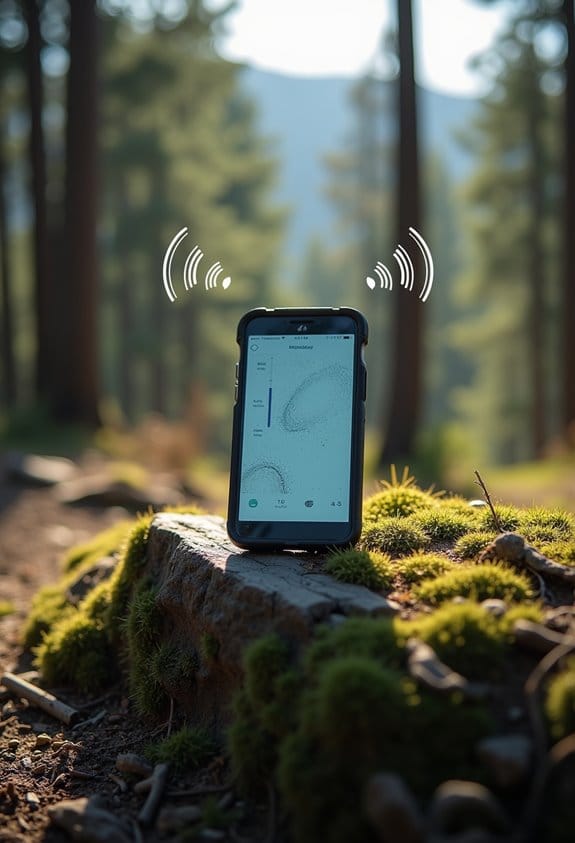
Hey there! Have you ever wondered why your mobile signal gets so weak when you’re in remote areas? Well, it turns out there are a few key culprits behind this frustrating issue.
First off, think about the infrastructure. In less populated areas, there are fewer cell towers, which means your phone has a harder time finding a signal. Then, there are the natural landscapes to consider. Mountains, valleys, and thick forests can block those radio waves, and that makes your connection unreliable. Take a trip to the mountains, and you might find that your phone barely gets any service!
Weather also plays a role. Stormy conditions or heavy rain can mess with your signal temporarily. And let’s not forget about older networks; if your phone is stuck on 3G or 4G, you might notice slower data speeds compared to newer technologies like 5G.
But don’t worry! There are things you can do to improve your situation. Consider investing in a signal booster or using a smartphone known for its strong reception. By understanding what’s going on with your mobile signal, you can make better choices and stay connected even in those remote spots. Using a device that supports 4G LTE technology can greatly enhance connectivity in rural areas.
So, next time you’re out exploring, keep these tips in mind!
Practical Solutions for Travelers Facing Connectivity Challenges
I totally get it—dealing with connectivity challenges in rural areas can be super frustrating. But don’t worry, there are some practical solutions to help you stay connected. For starters, using a dual-SIM device can be a lifesaver! It allows you to use a local eSIM in addition to your home carrier, which can really help you skip those pricey roaming fees. For example, when I traveled through a remote part of Italy, switching to a local eSIM saved me a bundle in data charges.
Another great option is to install signal boosters. These handy gadgets can improve your reception, but placement is key for them to work their magic. So, be sure to find a spot where you have at least a little bit of signal to start with. If you’re heading somewhere extremely remote, you might want to look into satellite internet options like Starlink. They can be a bit pricey upfront, but the peace of mind with reliable internet can be worth it.
Also, don’t forget to check out your options for local networks and eSIM providers. Doing a bit of research ahead of time can really improve your mobile data access. And when the service is spotty, using Wi-Fi calling or messaging apps can keep you connected, even if you’re out in the sticks.
For longer-term outdoor monitoring, investing in 4G LTE connectivity devices can provide more consistent coverage across rural and remote areas.
With these tips in hand, you’ll be equipped to tackle your connectivity concerns and make your travels a lot smoother. Now, let’s talk about how best to manage your devices while on the go!
Recommended Products

6.8 inches, LTPO OLED, 1B colors, 1280 x 2800 pixels

This phone is unlocked and compatible with any carrier of choice on GSM and CDMA networks (e.g. AT&T, T-Mobile, Sprint, Verizon, US Cellular, Cricket, Metro, Tracfone, Mint Mobile, etc.).
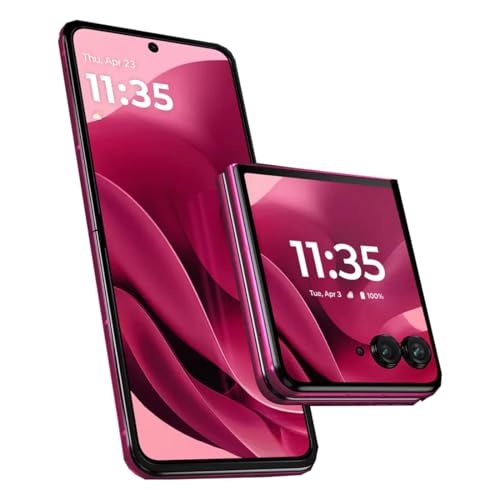
Network Compatibility: Unlocked for GSM Carriers like T-Mobile (Excluding Verizon, Sprint, US Cellular), No CDMA. Dual SIM (1x Nano-SIM slot, eSIM), Networks: 2G GSM, 3G, 4G LTE, 5G
Utilizing Dual-SIM Devices for Improved Connectivity Options
Staying connected while roaming through remote areas can be tricky, but that’s where dual-SIM devices come to the rescue! These handy smartphones let you use two different SIM cards at the same time, making it super easy to manage your communication needs.
For instance, you can keep your home SIM card in for important calls while adding a local SIM for cheaper data plans. This way, you can access the internet without breaking the bank! Plus, many dual-SIM phones come equipped with features that automatically switch to the network with the strongest signal, so you’re not left scrambling for connection when you need it the most.
And if you’re someone who travels a lot, the eSIM feature is definitely worth checking out. It allows you to store multiple carrier profiles right on your phone, so whenever you land in a new country, you can quickly hop onto a local network without the hassle of swapping physical SIM cards. It’s all about staying connected, even when you’re exploring those off-the-beaten-path locations. Many modern devices also offer 4G connectivity features to ensure you have reliable service in rural areas.
Preparing for Connectivity Alternatives When Cell Service Fails
Have you ever thought about how to stay connected when cell service suddenly disappears? It can be tricky, especially in rural areas, but there are several options worth considering.
First off, Wi-Fi calling is a handy feature that allows you to make phone calls using a Wi-Fi connection instead of a cellular signal. It’s great to have, but keep in mind that it may not connect you to emergency services. So, if you find yourself in a tight spot, you might want to have a backup plan.
Then there are messaging apps like WhatsApp and Signal. If you’re connected to Wi-Fi, these apps can let you send messages and make voice calls. Just be aware that sometimes public Wi-Fi may have restrictions that could limit your ability to use these apps fully.
For more remote areas, satellite phones can be a real lifesaver. They provide a reliable communication option where cell coverage just doesn’t reach. It’s worth investing in one if you’re planning a trip into the wild.
And let’s not forget about Personal Locator Beacons (PLBs). In an emergency, these devices can send out SOS signals that help rescuers find you, even without any cell service. If you’re heading into the backcountry, carrying a PLB could give you some peace of mind.
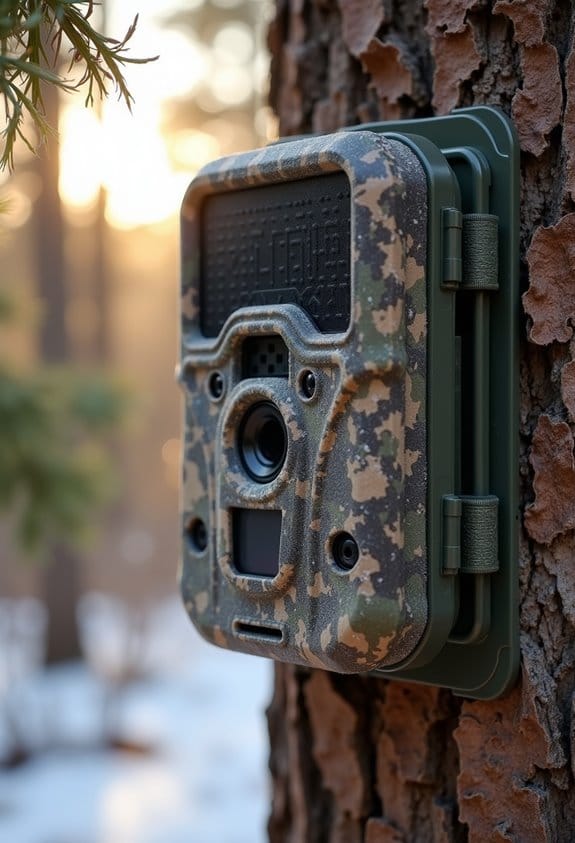
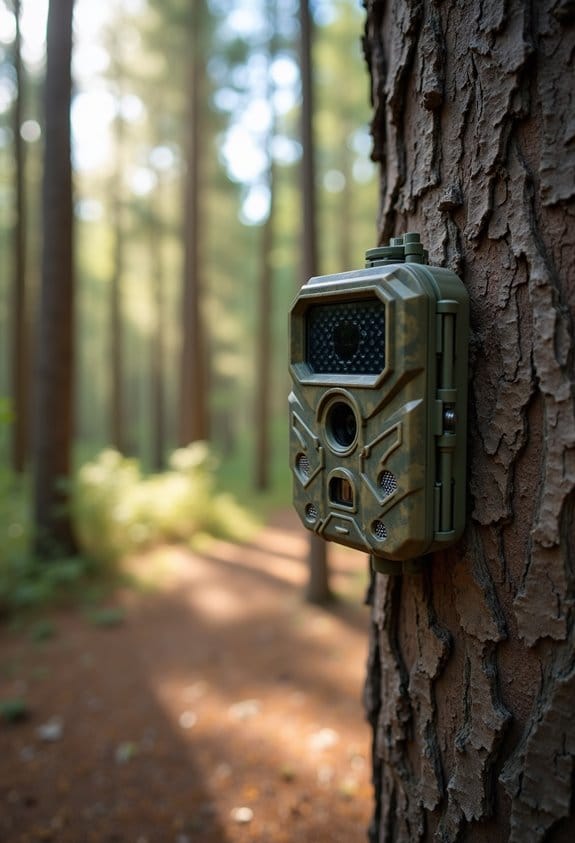
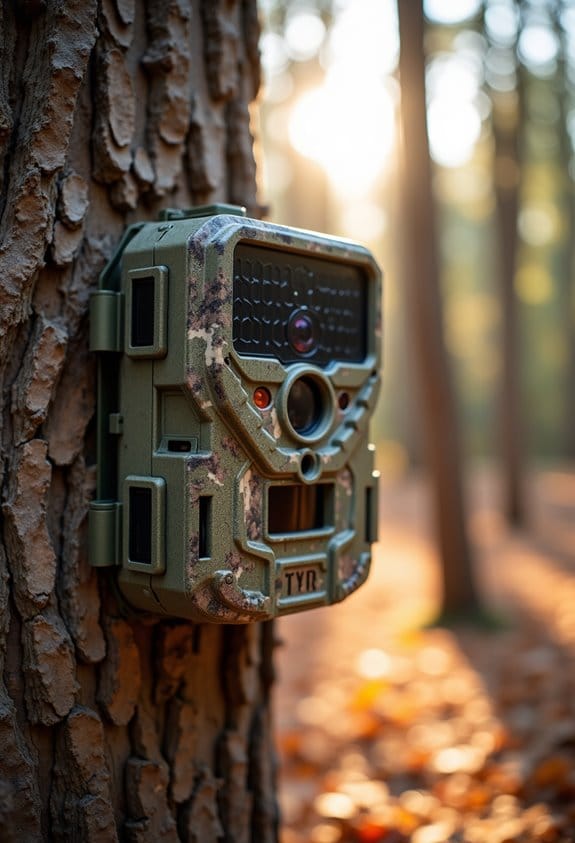
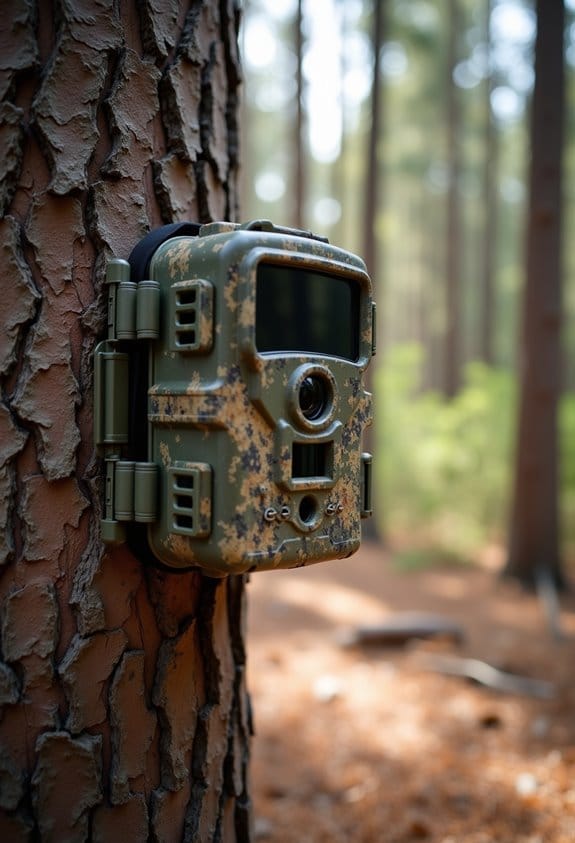
Additionally, specialized devices like cellular wildlife cameras with 4G LTE connectivity can serve as effective communication and monitoring tools in areas with limited service.
Staying connected when the cell towers go down might seem daunting, but with these alternatives up your sleeve, you’ll feel a lot more secure. So, what’s next? Let’s explore how to prepare for those unexpected scenarios!
The Role of Satellite Communication for Remote Areas
Hey there! Let’s chat about how satellite communication plays a crucial role in keeping people connected in remote areas. You know those hard-to-reach spots where cell networks just don’t cut it? That’s where satellite systems really shine. They provide vital connectivity, ensuring that folks in isolated locations can stay in touch.
For instance, think about services like Starlink. They use Low Earth Orbit satellites to deliver high-speed internet, which is a big deal for anyone living or traveling far from urban centers. And if you’re on the move, tools like Starlink Roam make it super easy to stay connected even in the most off-the-grid places.
Another important aspect is emergency communication. Imagine being out in the wilderness and needing help. Satellite phones or Personal Locator Beacons (PLBs) can send out distress signals, which can be literally lifesaving.
Of course, it’s worth noting that things like heavy rain or snow can mess with satellite signals, so that’s something to keep in mind. Still, overall, satellite communication really bridges the gap for travelers and adventurers in remote areas. Speaking of which, let’s explore some practical uses of this technology in everyday life! Additionally, integrating solar-powered technology in remote monitoring devices enhances reliability and long-term connectivity even in the most isolated settings.
Tips for Choosing the Right eSIM for Your Rural Travel Needs
Choosing the right eSIM for your rural travel can really enhance your experience when exploring off-the-beaten-path areas. Imagine setting off on an adventure and being able to share breathtaking moments without worrying about losing your signal! It’s essential to pick an eSIM that fits your unique needs.
First off, make sure to look for providers that offer extensive coverage. For instance, Roamless is a great option if you’re traveling to rural locations since they cover over 200 destinations, even those that might not be well-served by local carriers. It’s smart to check coverage maps to see how reliable the service is in the specific areas you plan to visit.
Next, think about the benefit of having an eSIM that supports multiple profiles. This feature allows you to switch to local networks without the hassle of changing SIM cards—perfect for quickly adapting to different areas. Also, compatibility is crucial; you’ll want to confirm that your device works with the frequency bands used by local networks to avoid weak reception.
Lastly, consider some added features like hotspot sharing and in-app calling. These can really help you stay connected while keeping costs in check. For example, if you’re in a remote cabin and want to share the internet with friends, hotspot sharing could make life a lot easier.
Additionally, looking into cellular plans with trial periods can provide a risk-free way to test connectivity before committing long-term.
With a little planning, you can enjoy your travels without missing a beat when it comes to staying in touch with family and friends. Speaking of which, let’s talk about some useful apps that can help you navigate these connections while you’re traveling.
Recommended Products

Google Pixel 10 is the everyday phone unlike anything else; it has Google Tensor G5, Pixel’s most powerful chip, an incredible camera, and advanced AI - Gemini built in[1]

US CARRIER SUPPORT: The M7 is certified for AT&T, T-Mobile, and Verizon and unlocked for flexible use across compatible carriers. For US local carrier eSIM or SIM activation and data plan details, contact your carrier directly.

This pre-owned product is not Apple certified, but has been professionally inspected, tested and cleaned by Amazon-qualified suppliers.
Frequently Asked Questions
Who Has More Coverage in Rural Areas?
In our analysis, we find major providers like Verizon and AT&T often dominate rural connectivity challenges, thanks to their infrastructure investment trends. Local carrier advantages and user experience testimonials reveal varying coverage and signal strength across geographical areas.
What Are the Disadvantages of Roaming?
Like a ship lost at sea, roaming can leave us adrift with high charges, poor signal strength, and unreliable connections. We must navigate operator agreements and data limits to avoid frustrating travel inconveniences.
What Happens When Cellular Roaming Is On?
When cellular roaming’s on, we connect to foreign networks, but signal strength can falter. Understanding roaming agreements, coverage maps, and potential roaming fees can dramatically affect our user experience and device compatibility while traveling internationally.
How Do I Get a Network in a Rural Area?
To get a network in rural areas, we should explore local carriers using coverage maps, consider mobile hotspots, invest in signal boosters, and look into satellite internet or community initiatives for reliable rural broadband and emergency services.