As an Amazon Associate, we earn from qualifying purchases. Some links on this site are affiliate links at no extra cost to you. Our recommendations are based on thorough research and editorial judgment.

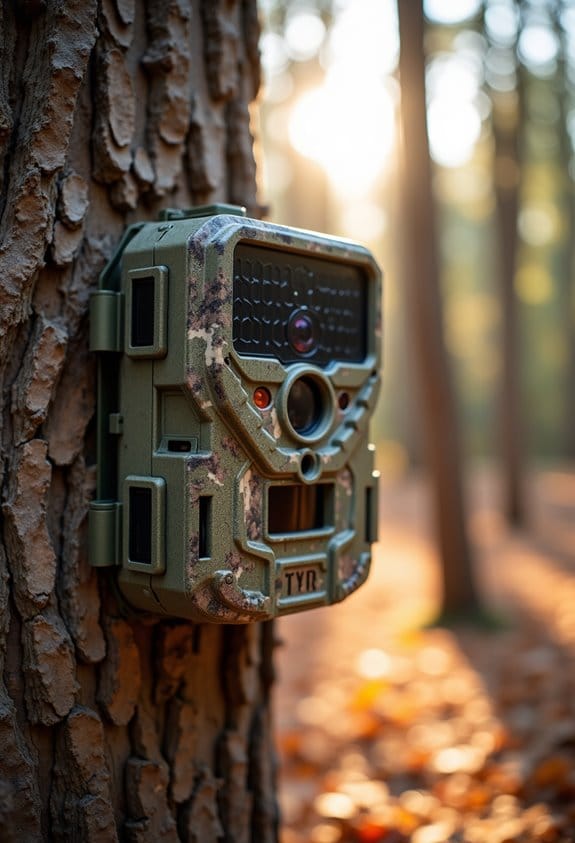
Creating an “Ethical Trail Cam Policy” for a Landowner or Group

Creating an ethical trail cam policy involves several important steps. First, verify you comply with local laws and get permission from landowners. Next, choose quiet spots for camera placement to respect privacy and minimize disturbance. Be transparent by informing neighbors about your cameras and their purposes. Use security measures like locks to prevent theft. Finally, promote open dialogue and cooperation among community members. By following these guidelines, you’ll create a respectful and effective policy for everyone involved. You’ll find more helpful tips ahead.
Key Takeaways
- Establish clear guidelines for obtaining permission from landowners before setting up trail cameras to ensure legal compliance.
- Define rules for camera placement to protect privacy, including avoiding busy areas and maintaining a height of 6 to 8 feet.
- Promote transparency by communicating intentions and providing information about camera locations to the local community and landowners.
- Implement data management practices that prioritize encryption, secure storage, and responsible sharing of collected footage to protect privacy.
- Regularly review security measures and encourage dialogue among land users to prevent misunderstandings and respect each other’s equipment.
Compliance With Local Regulations and Laws
You may be interested

Hey there! So, if you’re thinking about using trail cameras, it’s super important to keep in mind that we have to follow local regulations and laws. It might seem a bit tedious, but trust me, staying on the right side of the law makes the whole experience a lot more enjoyable!
First things first, always ask for permission from landowners before you set up your camera on their property. You don’t want to accidentally find yourself in trouble for trespassing. A friendly chat can go a long way—and who knows, the landowner might even appreciate your interest in wildlife!
Next, let’s talk about wildlife protection laws. If you spot any protected or endangered species, it’s crucial to take special care. For example, if you’re in an area where the California condor is known to nest, you definitely want to avoid photographing them without the proper permission. It’s all about being respectful to our wildlife and their habitats.
Also, touching base with your local wildlife agency is a smart move. They can fill you in on the specific rules regarding trail camera use, especially during hunting seasons. Some areas even have time restrictions, so it’s always best to double-check.
And here’s something fascinating: did you know that some states, like Utah and Arizona, have outright bans on using trail cameras for hunting? Being aware of these regulations can save you from hefty fines. So, if you’re planning your next adventure, take a moment to research the local rules before heading out.
To further protect natural habitats and optimize monitoring, consider using real-time monitoring technology available in modern cellular trail cameras to minimize disturbance to wildlife and increase the effectiveness of your observations.
How to Monitor Wildlife Responsibly?
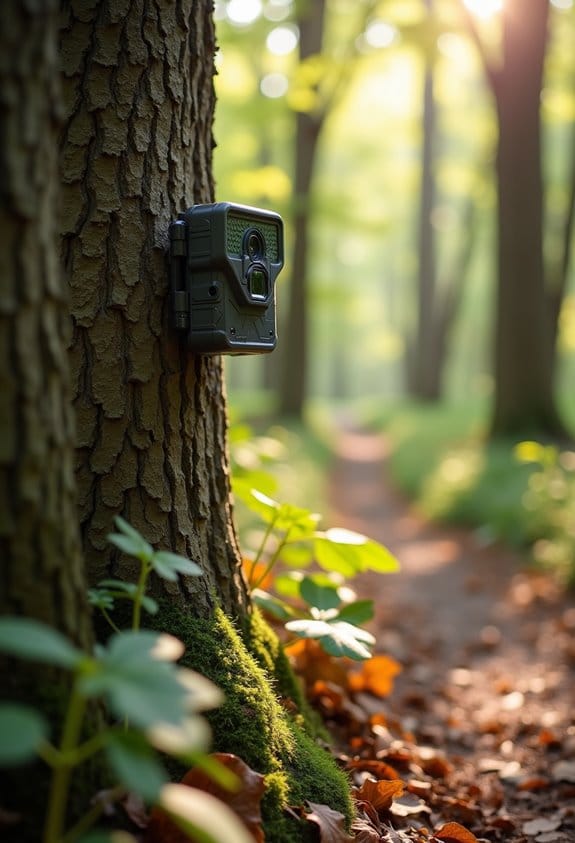
So, you’re curious about how to monitor wildlife in a way that’s responsible and respectful? That’s a great question! First things first, if you’re planning to set up trail cameras, always ask for permission if you’re on private property. It’s like knocking on someone’s door before stepping inside their house. Respecting privacy is key!
When you’re looking for spots to set up those cameras, think about choosing locations that won’t bother anyone. For instance, avoid areas close to neighbors’ homes or busy paths where people frequent. This way, you minimize any privacy concerns and keep things fun for everyone involved!
Also, be sure to check your cameras regularly. This isn’t just about getting cool wildlife shots—it’s also to ensure you’re only capturing the animals. If you stumble upon unnecessary footage, don’t hesitate to delete it. It keeps things tidy and respects the privacy of any other individuals that might appear.
When it comes to the footage you do keep, think about protecting it. You might want to consider using encryption to prevent any unauthorized access. This is especially important since you never know who might get curious about your recordings! Lastly, brush up on local wildlife protection laws—you want to make sure you’re playing by the rules, especially if you’re monitoring protected species.
Choosing cameras with motion detection and alerts can help you receive instant notifications about wildlife activity while minimizing unnecessary recordings.
Taking these steps not only helps you enjoy wildlife ethically but also fosters a greater appreciation for the environment around you. So, are you ready to explore more ways to engage with wildlife?
Recommended Products

8 Long Range IR Cameras L Series. This camera has a low glow IR flash, 100 ft. detection range and uses 4D batteries.
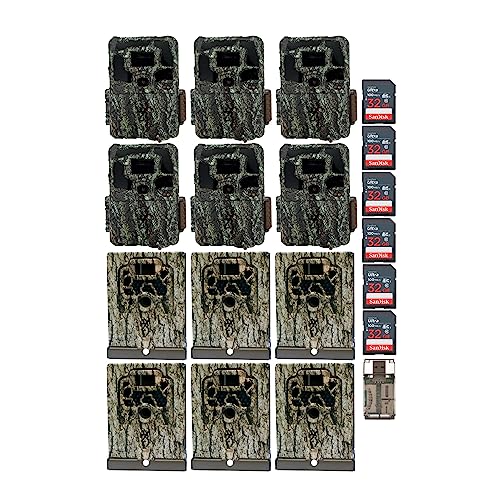
Bundle Includes: 6 x Browning Trail Cameras Dark Ops Pro X Wildlife Motion-Activated Camera Browning Trail Camera, 6 x Security Box, 6 x 32GB Memory Card (100MB/s), and High-Speed Card Reader

[Crystal Clear Capture, Day or Night] Capture 8MP high resolution photos and 60-second HD videos with sound, ensuring every rustle or movement in the wild is recorded in high detail. Whether you're hunting, scouting wildlife, or monitoring remote property, media is sent directly to your phone through the Spartan Camera Management App anytime, anywhere.
Guidelines for Responsible Trail Camera Placement
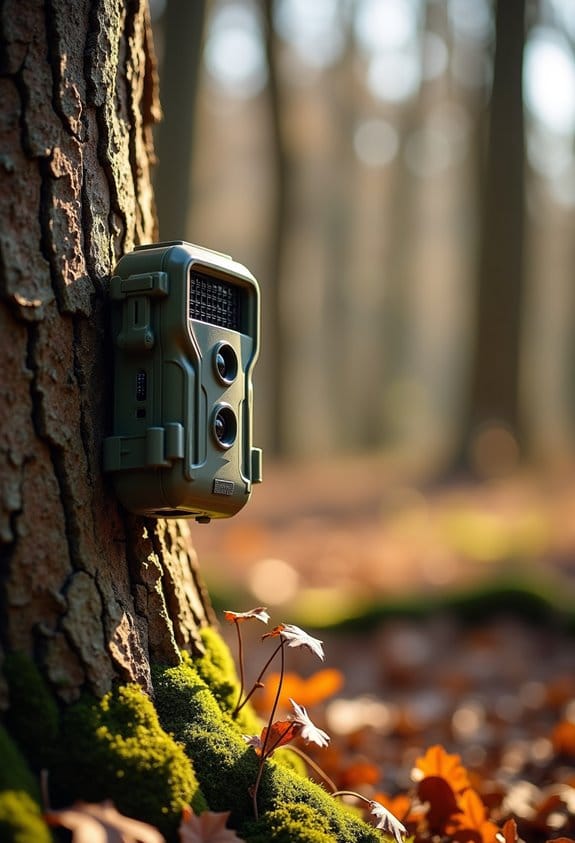
You know how exciting it is to capture those stunning wildlife images with a trail camera? However, placing them isn’t just about setting it and forgetting it; it takes careful planning and consideration. For starters, always get permission from the landowner before setting up your camera. It’s a simple way to respect property rights and avoid any legal snags down the road.
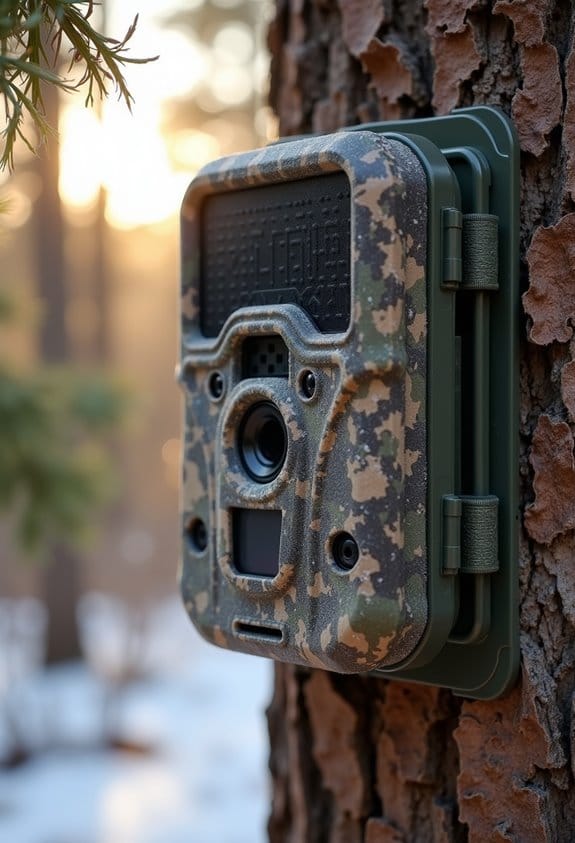
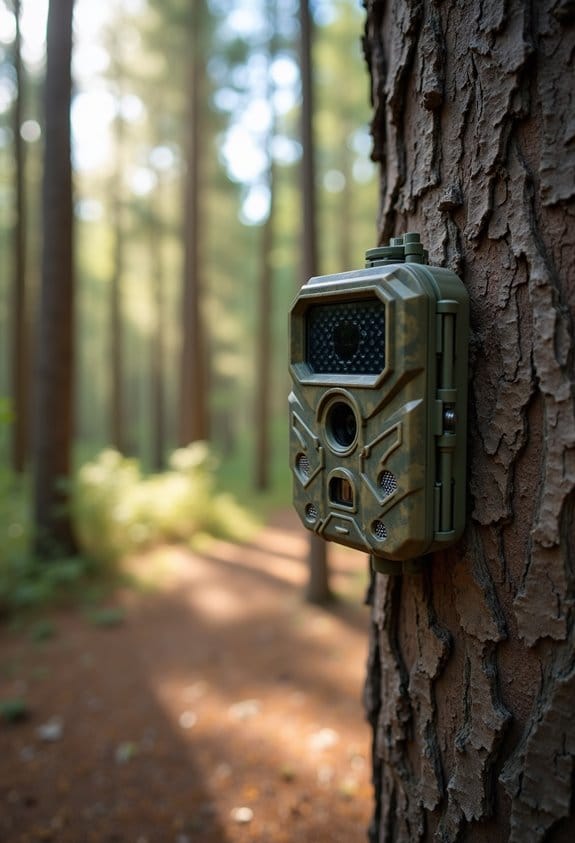
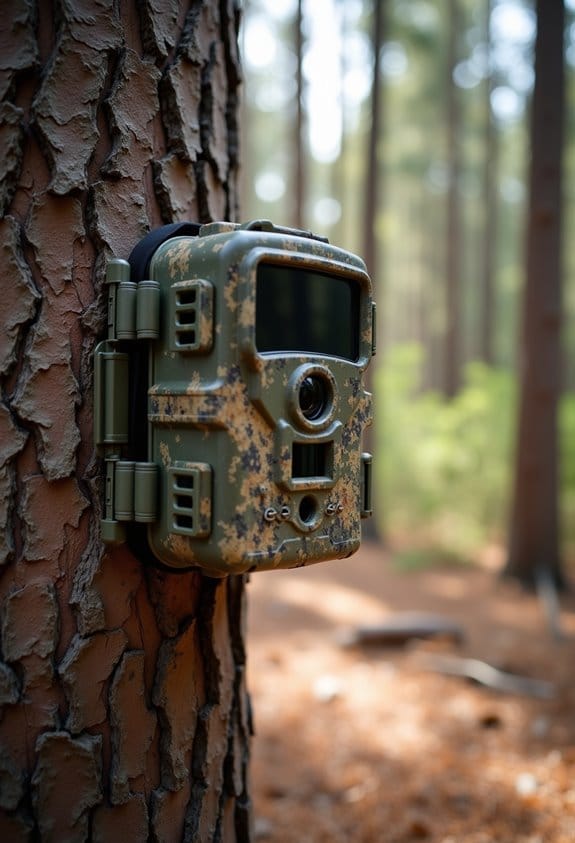
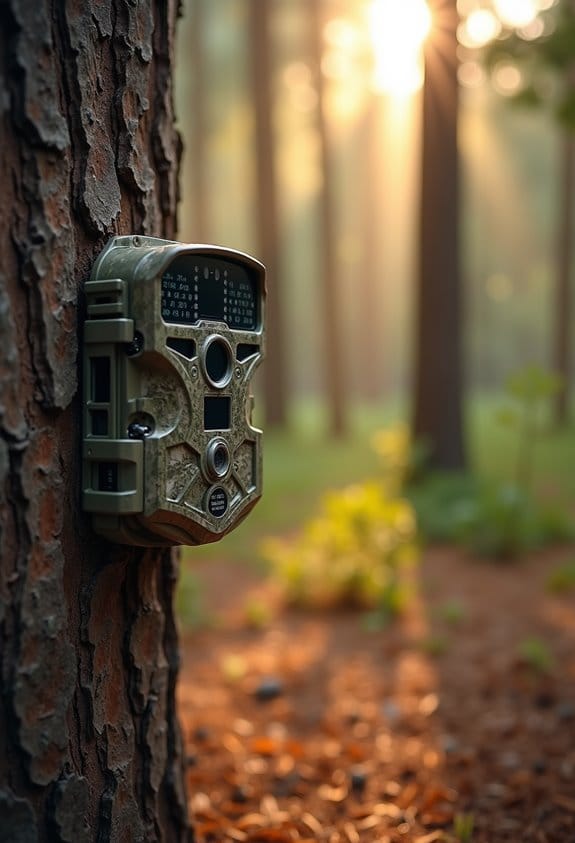
Next, think about where you’re positioning the camera. Steer clear of busy areas to avoid capturing random people in your footage. Instead, look for quieter spots where wildlife naturally roams. When you do set it up, aim to mount the camera about 6 to 8 feet high and angle it downward. This helps you get better shots while minimizing your impact on the area.
Camouflaging your camera is also key. Use things like branches, leaves, or bark to blend it in, which not only protects your gear from potential thieves but also keeps animals from noticing it. And don’t forget to check on your camera regularly! Ensuring it’s working properly and not capturing a bunch of unnecessary footage keeps your project running smoothly.
Mounting your trail camera at the proper height and angle is crucial, as the optimal mounting angle can significantly improve the quality of your captures.
All these steps contribute to a more responsible and effective way of using trail cameras, so you can focus on enjoying the incredible images you capture!
Recommended Products


UNINTERRUPTED POWER: Keep your CuddeLink and Tracks cameras running indefinitely with our high-performance solar charger power bank — ideal for hunts, timelapse, and wildlife monitoring.

Hands-Free POV & Wearable - Magnetic mounting lets you clip the camera to a cap or wear it with the Magnet Pendant, freeing up your hands for a first-person perspective.
Transparency: Informing Others About Camera Locations
Setting up trail cameras is a thrilling part of wildlife monitoring, but it’s important to keep the community in the loop about camera locations. Being open about where these cameras are placed helps build trust among everyone involved. For instance, putting up clear signs around the areas where cameras are set lets people know what’s happening and helps them feel more comfortable.
Talking to your neighbors is another great step. For example, chatting with local landowners not only shares your goals for monitoring wildlife but also gives them a chance to voice any privacy concerns they might have. It’s all about keeping the lines of communication open.
Keeping track of where you’ve set up your cameras and when is also crucial. A simple log of camera coordinates and installation dates helps you and others stay informed about what’s going on. Plus, sharing what kind of wildlife footage you’re capturing and how you plan to use that data keeps everyone engaged and excited about the project.
Lastly, if you ever need to change a camera location, make sure to update everyone involved. This keeps the trust strong and any potential worries at bay. All of this transparency isn’t just good practice; it’s a way to bring everyone together in the shared goal of understanding our wildlife better. What do you think about involving the community further in wildlife observations?
Including information about the use of cellular trail cameras with remote monitoring capabilities can also illustrate the technology’s benefits and address any concerns about privacy or data usage.
Security Measures to Prevent Camera Theft
When you’re setting up trail cameras for wildlife monitoring, it’s super important to think about how to protect them from theft, just as much as you think about capturing that amazing footage. Imagine your excitement when you check your camera only to find that it’s gone! To avoid that disappointment, here are some straightforward tips.
First off, use Python cable locks to firmly attach your cameras to sturdy trees or posts. These locks are not just a simple option; they make it significantly harder for anyone to snatch your camera in a hurry. Consider investing in steel security boxes specifically made for trail cameras, which provide an extra layer of protection against thieves—and even vandalism.
Location is key. Try to position your cameras in areas that are less frequented by hikers or hunters. The more secluded your camera is, the less likely it is to be stolen. Also, consider camouflaging your cameras with local materials like leaves or branches. This way, they blend into their surroundings, so they’re not obvious to passersby.
Lastly, don’t forget to regularly check on your camera sites. By visiting them often, you can ensure that your setup remains intact and deter anyone who might think about stealing it. It’s kind of like keeping an eye on an old friend—you want to make sure they’re okay. Speaking of protecting your gear, let’s talk about what to do if your camera does go missing.
Using locks with cut-resistant designs further helps deter theft by preventing easy cable severing.
Recommended Products

Bundle Includes: 10 x Browning Trail Cameras Dark Ops Pro X Wildlife Motion-Activated Camera Browning Trail Camera, 10 x Security Box, 10 x 32GB Memory Card (100MB/s), and High-Speed Card Reader

4 CAMERAS. 4 SOLAR PANELS. TOTAL PROPERTY COVERAGE. — Get four complete Tactacam Defend cellular security cameras, each with its own Defend solar panel to keep it running unattended. Watch every angle of your property from one app — driveway, gates, barns, equipment yards. Includes four Lexar 32GB SD cards and a Field Boys cleaning cloth. Over $305 in essentials, ready to mount out of the box.

Data Management and Security Best Practices
Hey there! If you’re using trail cameras, managing your data properly is super important. You want to keep that footage safe and guarantee your privacy. One great way to do this is by using cameras that come with built-in encryption. This means that even if someone tries to sneak a peek at your files, they’ll be locked up tight and hard to access.
Another key tip is to control who can see your footage. Only share access with folks who need it—maybe your close friends or family members who are in on the project. By keeping it limited, you can better monitor what’s going on and reduce the chances of any mishaps.
Don’t forget to do regular checks on your camera and data management. Think of it like giving your setup a little tune-up to make sure everything is running smoothly and meeting privacy laws. You should also have a plan for deleting footage you don’t need. The quicker you clear out that unnecessary data, the less risk you pose regarding privacy issues.
Keeping your data safe with these simple practices can really make a difference. Many modern trail cameras also offer cloud storage options for secure and easy access to your footage.
Now that you know the basics of data management, let’s talk about how to choose the right trail camera for your needs!
Recommended Products

Wide-Angle Lens and User-Friendly Design: The 96 degree wide-angle lens of the GoLive 2 lets you see more. Make sure you don't miss a thing with this new feature: ideal for wide-open areas and security purposes. The GoLive 2 also has a 2" front-facing LCD screen.Our compact, nature-resistant design has simplified switches & control buttons and a built-in metal pitch-angle bracket to make it easier than ever to deploy your trail camera in the field.

Wide-Angle Lens and User-Friendly Design: The 96 degree wide-angle lens of the GoLive 2 lets you see more. Make sure you don't miss a thing with this new feature: ideal for wide-open areas and security purposes. The GoLive 2 also has a 2" front-facing LCD screen.Our compact, nature-resistant design has simplified switches & control buttons and a built-in metal pitch-angle bracket to make it easier than ever to deploy your trail camera in the field.

WIRE-FREE MOBILE SECURITY CAMERA SYSTEM: The cellular security camera with a high-capacity battery uses 4G LTE network technology to bring a wireless security experience. Added Reolink Solar Panel makes sure it never runs out of juice, providing more charging options. Note: Do not support 24/7 recording and WiFi Connection.
Involve Your Community in Trail Camera Ethics
Hey there! If we want to make sure trail cameras are used wisely in our community, it’s super important that we all get involved in the conversation about trail camera ethics. By discussing how to monitor wildlife while also respecting everyone’s privacy, we can find a balance that works for all of us.
One great way to kick things off is by hosting some friendly workshops. These gatherings can help us brush up on the legal guidelines and learn the best practices for using trail cameras. Imagine getting together with neighbors and sharing stories about local wildlife while picking up some useful tips – it sounds like a fun day out!
Another idea is to team up with local wildlife agencies. By collaborating, we can create clear guidelines that reflect what matters most to our community, making sure everyone’s on the same page. Plus, being open about where we plan to set up our cameras helps to avoid any awkward misunderstandings with our fellow nature-lovers.
Let’s not forget about collective responsibility. If we work together to keep an eye on any wildlife issues and report back, we’ll strengthen our community ties and support ongoing conservation efforts. Considering factors like trigger speed importance can also help us choose the best cameras for effective monitoring. So, are you ready to get involved and make a difference in our approach to trail camera use?
Respecting Nearby Landowners and Hunters
Hey there! When it comes to using trail cameras, respecting the rights of nearby landowners and fellow hunters is super important. Think of it this way: if you wouldn’t want someone encroaching on your space, why do it to others? Before you set up your camera, make sure to knock on your neighbor’s door and ask for permission. It’s a small gesture that goes a long way in maintaining good relationships within the hunting community.
Also, be mindful of where you place your cameras. Avoid busy hunting paths where other folks are likely to be. It’s all about keeping things friendly and cooperative out there. For example, if you know a popular deer crossing is nearby, consider positioning your camera a bit off the beaten track to prevent any unnecessary traffic.
Another thing to keep in mind is privacy—yours and that of your neighbors. Ensure your cameras aren’t capturing images from their property. It’s just common courtesy. Plus, if you’re worried about other hunters not being aware of your cameras, put up some visible signs explaining why they’re there and what info they’re tracking.
And let’s not forget about ethics. Respect goes both ways. If you happen to come across another hunter’s camera, leave it be and don’t move or tamper with it. By keeping these simple practices in mind, we can all enjoy our time outdoors worry-free—and who knows, you might even inspire others to do the same! Now that we’ve covered trail cameras, let’s chat about choosing the right locations to maximize your hunting success. Remember to choose camera locations with environmental and location considerations in mind to optimize your monitoring and reduce disturbance.
Promoting a Culture of Cooperation and Mutual Respect
Hey! You know how much fun it is to use trail cameras for spotting wildlife and making our hunting trips more exciting? But there’s something equally important: building a culture of cooperation and mutual respect among all of us who use these cameras. Let’s chat about a few simple ways we can make that happen!
First off, talking openly with others who use the land is a fantastic way to clear up any potential misunderstandings. For instance, if you’re on a property where multiple people are setting up cameras, taking a moment to share your plans can help prevent any overlap or accidental issues.
Next, think about setting up some clear guidelines for where cameras should go. We might want to choose spots that are respectful of each other’s space. It’s also super helpful to tag your camera with your name and contact info. That way, if someone has a concern or needs to reach you, they can do so easily.
One more thing to consider is brushing up on local wildlife laws and ethical hunting practices. This not only helps you stay within the rules but also encourages everyone around you to do the same. For example, if there’s a rule about how close you can place a camera to a water source, make sure you’re aware of it!
Finally, why not think about setting up a shared calendar or a group chat? This can keep everyone in the loop about where cameras are placed, so we can all enjoy our time in nature without stepping on each other’s toes.
Also, incorporating instant notifications from cellular trail cameras can help keep everyone informed in real-time about wildlife activity and camera status.
Best Practices for Ethical Trail Camera Use
Hey there! If you’re thinking about using trail cameras, it’s super important to make sure we’re being ethical and respectful while doing so. First off, always remember to get permission from landowners before setting up your camera on their property. It’s a simple courtesy that builds good relationships and keeps things transparent.
Also, don’t forget to check out local wildlife regulations. Knowing the rules helps us monitor wildlife safely and responsibly. For instance, in some areas, there might be specific times when it’s prohibited to use cameras, especially during certain seasons.
When you’re picking spots for your camera, choose locations that won’t disturb any busy human or animal traffic. Setting up away from trails or picnic spots can make a big difference! Plus, it helps ensure that the camera captures natural behavior without interruptions.
It’s also a good idea to let folks know about your camera. You can put up visible signs nearby explaining what the cameras are for and how you plan to use the data. Transparency is key—it helps people feel more comfortable about having cameras around.
Finally, make sure to handle any data you collect securely. Store it carefully and consider privacy, especially if you accidentally capture images of people. Being responsible with this information underscores our commitment to ethical practices.
Additionally, regularly checking signal strength helps ensure your camera is functioning properly and capturing the intended wildlife images without technical issues.
Recommended Products

RV Cell Signal Booster: Stream entertainment, use GPS, and hotspot from the campsite or remote destinations in your RV, trailer, or camper

ML15-12 SLA is a 12V 15AH Sealed Lead Acid (SLA) rechargeable maintenance free battery, Pack of 10 - UL Certified

Large 8" RV navigator with high-resolution touch display and options for portrait and landscape mode.Control Method:Touch,Application,Voice.Special Feature:Custom Routing; Driver Alerts; RV Parks and Services Info; Easy Trip Planning.
Frequently Asked Questions
Are You Allowed to Put Trail Cameras on Public Land?
We can place trail cameras on public land, but we must navigate the intricate web of trail camera regulations. Let’s make certain our camera placement aligns with public land policies, ethical hunting practices, and wildlife conservation efforts.
What States Have Banned Trail Cameras?
Several states, including Arizona, Nevada, Kansas, Montana, and New Mexico, have enacted trail camera regulations. We should consider the wildlife conservation impact, ethical hunting practices, and public opinion trends in this state-by-state comparison.
How Many Trail Cameras per Acre?
Ever wonder how many trail cameras we should place per acre? With technological advancements, we recommend 10-15 acres per camera for effective wildlife monitoring ethics, ensuring landowner permissions and responsible placement strategies align with conservation efforts.
How to Secure a Trail Camera on Public Land?
To secure our trail cameras on public land, we should follow best practices like proper camera placement, ensuring legal considerations are met, using technology choices wisely, and providing proper signage while encouraging community involvement for wildlife ethics.