As an Amazon Associate, we earn from qualifying purchases. Some links on this site are affiliate links at no extra cost to you. Our recommendations are based on thorough research and editorial judgment.

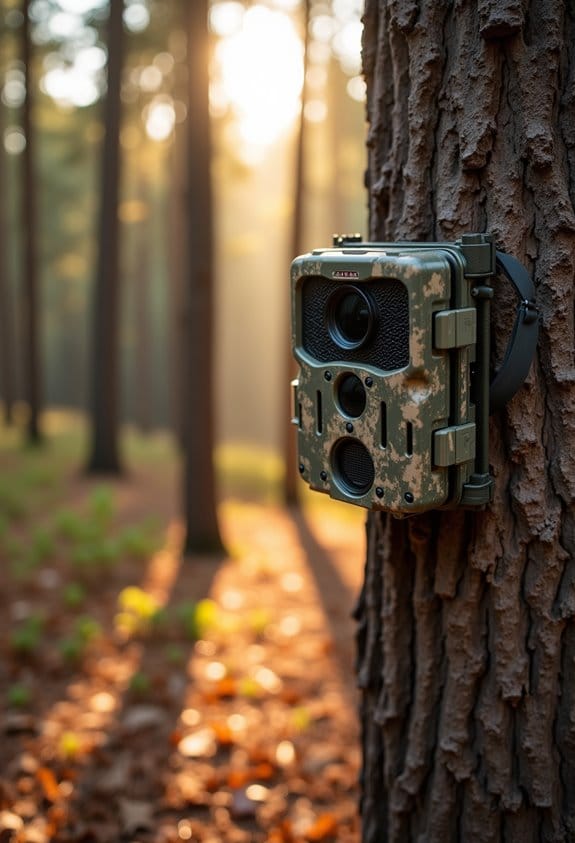
Why Animals Sometimes Notice Cameras at Night (Non-Glow Reasons)

Animals sometimes notice cameras at night due to several factors:
- Sounds: Cameras often make faint clicking noises, which can intrigue curious wildlife.
- Scent: Human smells left behind can unsettle animals, causing them to avoid the area.
- Vision: Animals see differently than we do, detecting movement and light changes easily.
You may be interested


These elements can alter their behavior. Understanding these reasons can help create a more peaceful interaction with wildlife. There’s more to explore on how to reduce detection.
Key Takeaways
- Subtle clicking noises from the camera’s infrared filter can attract the curiosity of nearby wildlife in quiet settings.
- Mechanical sounds from the camera’s internal mechanisms may alert sensitive animals, leading to cautious behavior.
- Human scents left behind from regular camera checks can deter sensitive species and alter wildlife behavior.
- Animals may notice movement or changes in their environment, prompting them to investigate unfamiliar objects like trail cameras.
- Over time, as animals habituate, they may respond less to cameras, but initial curiosity can still lead to detection.
Common Sounds That Alert Wildlife to Trail Cameras
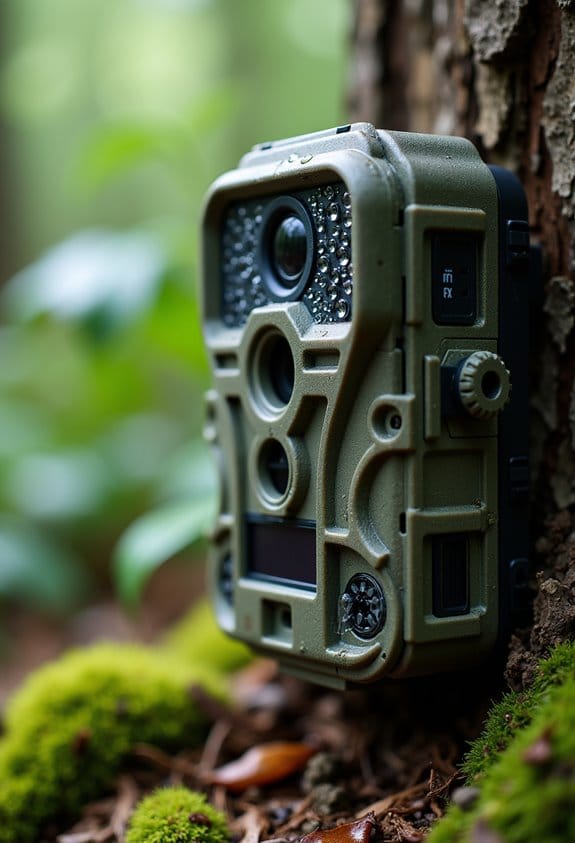
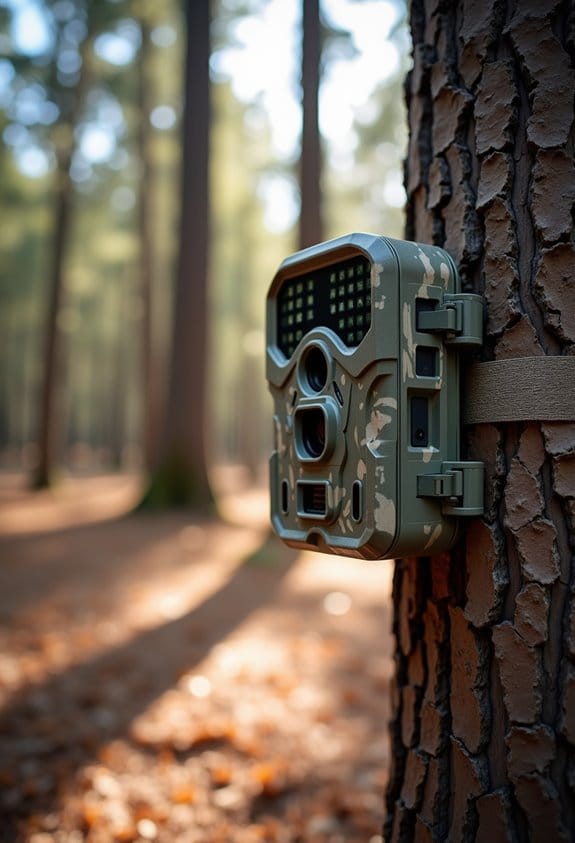
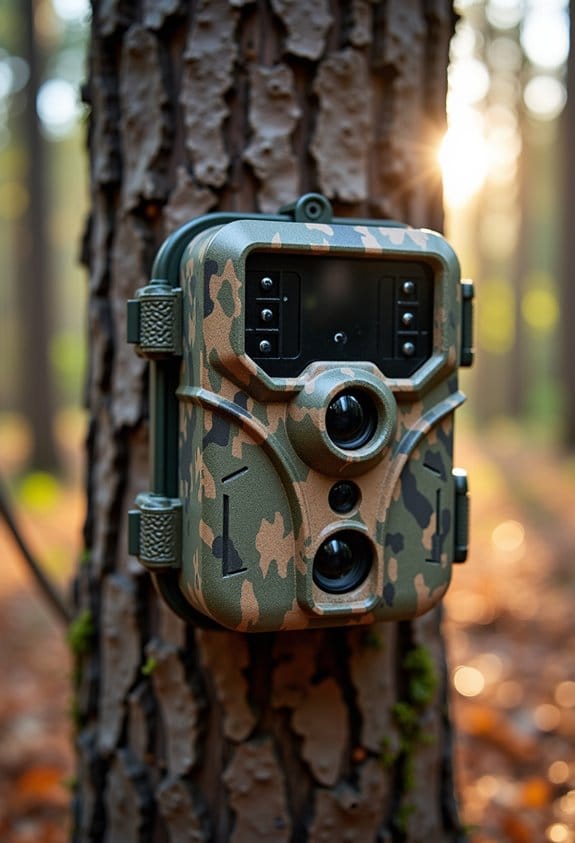
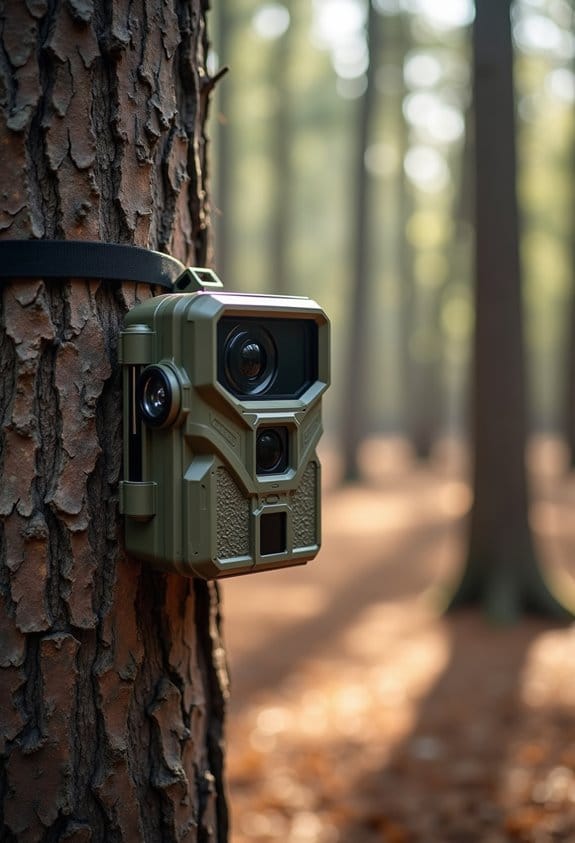
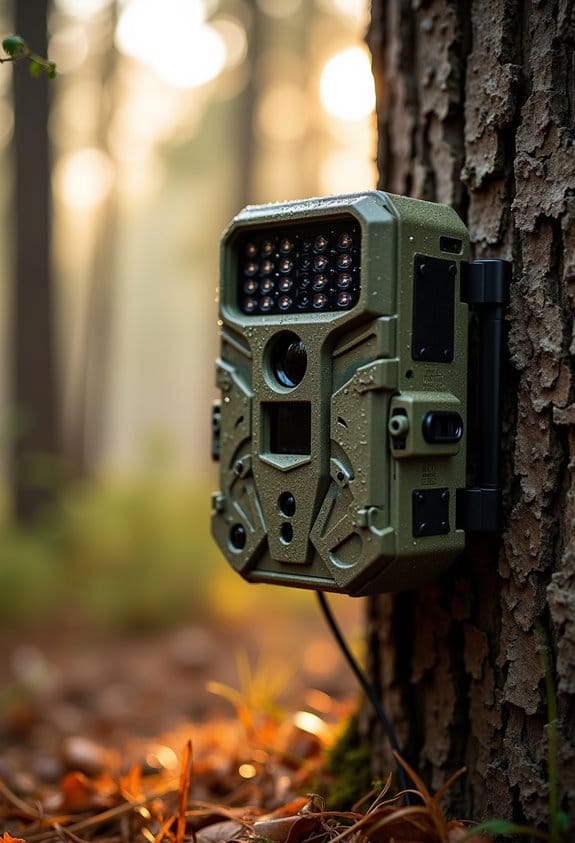
When you set up trail cameras, it’s fascinating to think about the sounds they might make that could attract wildlife. Even though many cameras are built to be pretty quiet, they can produce some subtle noises that you might not expect. For example, a clicking noise can occur when the infrared (IR) filter switches modes. This small sound can still catch the attention of curious creatures.
Another thing to keep in mind is the internal mechanisms. Sometimes, these sounds are loud enough to alert animals like foxes or badgers, especially in a tranquil setting where any noise stands out. Plus, if you’re in a quieter area, even the faint sounds might travel further and alert local wildlife. Additionally, cameras with no-glow infrared LEDs are designed to minimize light disturbance, but mechanical noises can still reveal their presence.
How Human Scents Affect Animal Behavior
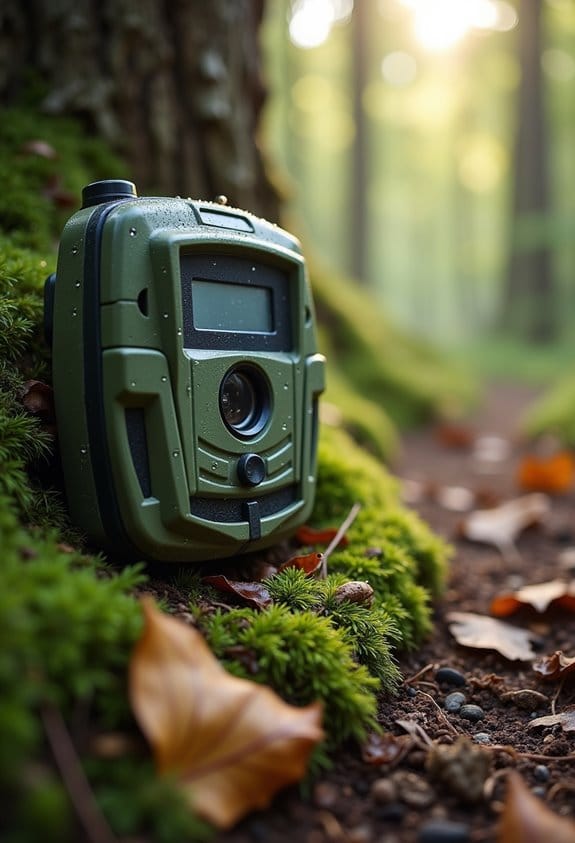
When you’re setting up trail cameras, it’s not just about snapping photos; you really need to consider how human scents can affect animal behavior. Believe it or not, the smell of humans can first spark curiosity among wildlife, drawing them closer to your camera. For instance, a curious deer might wander in for a sniff, intrigued by that unusual aroma.
But here’s where things get trickier. Some animals, especially the sensitive ones like badgers, have an incredible sense of smell, and once they catch a whiff of humans, they might come closer to investigate. While that sounds fun initially, human scent can hang around longer than you’d expect. This lingering smell can cause animals to avoid that spot altogether, particularly those more secretive ones, like foxes or rare birds. They tend to steer clear of areas marked by human scents because they’re attuned to detecting threats.
Another thing to think about is when you regularly check your cameras; each time you go near, you leave behind more of your scent. This can make wildlife skittish and change their usual paths. For example, if you’re consistently visiting a spot, you might notice fewer critters around, as they adjust their routes to avoid the area. So, it’s worth being mindful of how your presence influences animal movements. Looking ahead, let’s explore how to set your cameras up in a way that minimizes your scent and keeps those wildlife visits abundant! Using trail cameras with low-glow infrared flash can help reduce disturbance caused by visible light, making animals less likely to notice the device itself.
How Animals Detect Sounds From Cameras
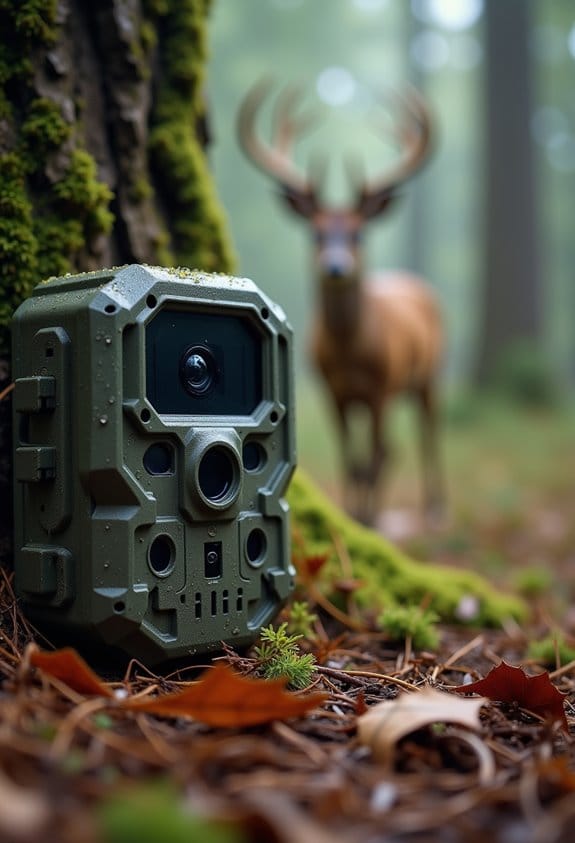
Hey there! You know, even though we often think of cameras as silent devices, they can actually emit some pretty subtle sounds that animals can hear. For example, when the infrared filter shifts modes, you might pick up a clicking noise that catches the attention of curious wildlife. This is fascinating because certain animals, especially those with sharp hearing like deer or foxes, are likely to notice these sounds more than we realize.
In a quiet environment, these little noises stand out even more. Take badgers, for instance: if they hear a click while foraging nearby, their natural curiosity might lead them to check out what’s making the sound, which in this case could be a hidden camera. However, there’s an interesting twist—over time, animals can get used to these sounds. If that badger visits the area frequently and keeps hearing those clicks, it might eventually ignore them entirely.
Many modern cellular wildlife cameras are engineered with no-glow night vision to reduce detection by animals during low-light conditions.
How Animals See Their Environment
You know, animals see their environment in some pretty fascinating ways that can be quite different from how we perceive things. For instance, their eyes are equipped with special structures that help them detect light and shapes in unique manners. Let’s break it down a bit.
First off, there are these cool cells in their eyes called rod and cone cells. Rod cells are crucial for seeing at night, allowing creatures like owls to navigate even in total darkness. On the other hand, cone cells help them see colors in visible light. Think about how colorful a bird’s feathers can look to another bird!
Then there’s something called the tapetum lucidum, which many nocturnal animals have. It’s this reflective layer behind their retinas that actually boosts their night vision. That’s why when you see a cat at night, its eyes may appear to glow—it’s maximizing the little light available.
Some animals can even detect infrared light, which is completely invisible to us. For example, snakes can sense heat emitted by their prey, allowing them to hunt effectively in the dark. Conversely, certain species can see ultraviolet light, which helps them pick up on patterns and markings that are invisible to our eyes. This can be particularly useful for bees when they’re locating flowers.
But it’s not just about vision; background noise and movement play a huge role in how animals interact with their surroundings, too. Additionally, some animals may notice subtle signals such as low-light emissions or camera trigger speeds, which affect their awareness of invisible infrared devices.
So, the next time you watch your pet or see wildlife, think about all the ways they might be experiencing their world differently than you do. It’s a constant reminder of how diverse nature truly is!
Habitual Changes: How Wildlife Adapts to Cameras Over Time
You know, it’s really interesting to watch how wildlife adapts to cameras over time. At first, these animals are super curious about the cameras, almost like they’re investigating a new toy in their environment. But as they get used to seeing the camera regularly—this whole process is known as habituation—they start to act more like themselves and become less cautious.
So, how does habituation work? Well, it generally unfolds in a few simple steps. Initially, animals approach the camera out of curiosity, often sniffing or inspecting it. Over time, like a deer that might prance around nervously at first, they’ll start to relax and go about their usual business, like munching on grass or playing with friends. However, it’s fascinating how different species respond. Some might adapt quickly, like raccoons who seem to thrive around human activity, while others might take a bit longer to adjust.
One thing to keep in mind is that our actions can impact their behavior too. If we frequently check the cameras and leave our scent behind—like from our shoes or gear—animals might get spooked again and revert to that cautious behavior. It’s a delicate balance. Observing these patterns not only helps us understand wildlife better but also reminds us of the importance of giving them their space. Proper mounting compatibility and careful camera placement can minimize disturbances and aid habituation. With that in mind, let’s explore more about how human interaction affects wildlife behavior!
Understanding Why Wildlife Gets Spooked by New Things
Hey there! Have you ever wondered why wildlife gets spooked by new things in their environment? It’s pretty fascinating when you think about it. Animals often react in surprising ways to unfamiliar objects, and their responses can really vary. For instance, when they encounter something new, like a trail camera, it might trigger their curiosity or even their skepticism.
Let’s take trail cameras as an example. When we set them up, the scent we leave behind can initially draw wildlife in. You might think that cameras are quiet, but they actually make little noises, like clicks when they change modes, which can catch the attention of nearby animals. Larger critters, like badgers or foxes, often show interest and might even come closer to investigate, while smaller animals could just go about their business without a care.
Over time, many wildlife species become accustomed to these familiar objects. However, some shy or elusive species might still jump at the slightest change. It’s interesting to think about how some animals adapt and others remain cautious, isn’t it? Understanding these reactions really gives us insight into how wildlife interacts with their surroundings. Using cameras with no glow infrared LEDs can help reduce the disturbance animals feel from visible lights.
Moving forward, let’s explore some strategies we can use to minimize human impact on wildlife behavior.
Effective Strategies to Minimize Camera Detection
Hey there! If you want to minimize camera detection while capturing wildlife, there are some really straightforward strategies you can use. For starters, opting for no-glow cameras is a smart choice. These cameras emit infrared light that’s tough for animals to see, which means they won’t notice a thing when you’re trying to snap those perfect shots.
Another key tip is to be mindful of scents. When you’re setting up your camera, it’s important to keep the area clean. Just think about it: if you’re hiking through with a strong smell of soap or food, animals will pick up on that and steer clear of the area. A good practice is to wear gloves and avoid touching anything unnecessary around the camera.
Also, try not to clear away too much vegetation. If you go cutting down plants, you’re disturbing their habitat, which can make them feel uneasy. Instead, find a spot where the camera can sit naturally within the environment. It can also be tempting to check your cameras all the time, but limiting how often you visit them can help keep the wildlife calm. And remember to place your cameras where animals typically hang out, like near a water source or a well-worn path. If animals get used to your setup, they’ll be less likely to notice the camera. Additionally, using an infrared illuminator with an automatic light sensor can help maintain stealth by minimizing visible light emissions at night.
Frequently Asked Questions
Why Do Glow in the Dark Things Not Show up on Camera?
Ever wonder why glow-in-the-dark things don’t show up on camera? It’s due to their glow properties, camera sensitivity, and light spectrum limitations. Reflective surfaces and nighttime visibility also play roles in our elusive captures.
Why Do Animals React to Cameras?
Animals react to cameras due to their innate awareness and nocturnal instincts. Camera sensitivity can trigger curiosity or caution, influencing animal behavior in wildlife photography. Ultimately, each moment captured reflects their unique responses to unseen observers.
What Animal Is Nearly Invisible to Infrared Cameras?
Certain highly specialized nocturnal predators use camouflage techniques, enabling them to hide from detection in the infrared spectrum. Their unique animal perception makes them nearly invisible, ensuring they remain hidden from enthusiastic observers like us.
Do Nocturnal Animals Hate Light?
Don’t we all prefer darkness at times? Nocturnal animals indeed exhibit light sensitivity, impacting their adaptive vision and nocturnal behavior. Their habitat awareness and survival instincts drive them to avoid bright areas for safety.