As an Amazon Associate, we earn from qualifying purchases. Some links on this site are affiliate links at no extra cost to you. Our recommendations are based on thorough research and editorial judgment.


What Metadata Tells You (and What It Doesn’t)

Metadata reveals important details about your photos, like camera settings (for example, shutter speed) and when they were taken. It helps you organize images by date or location and even shows if the photo may have been edited. However, it doesn’t always guarantee authenticity. Some metadata can get altered or removed, and different cameras may log info inconsistently. If you want to understand metadata better, there’s more to explore about accessing and managing it effectively.
Key Takeaways
- Metadata can reveal technical details like camera settings, date, time, and location of a photograph, aiding in its organization and context.
- EXIF data serves as a digital fingerprint, useful for evaluating image authenticity and identifying any inconsistencies in timestamps or locations.
- However, the presence or absence of metadata alone does not guarantee the truth or validity of an image; context and source matter too.
- Different camera manufacturers may record metadata inconsistently, leading to gaps or variations affecting interpretation and authenticity assessments.
- Metadata provides valuable insights into image context but is not exhaustive; it should be complemented with critical analysis of the content itself.
Why Metadata Matters for Your Photos
You may be interested



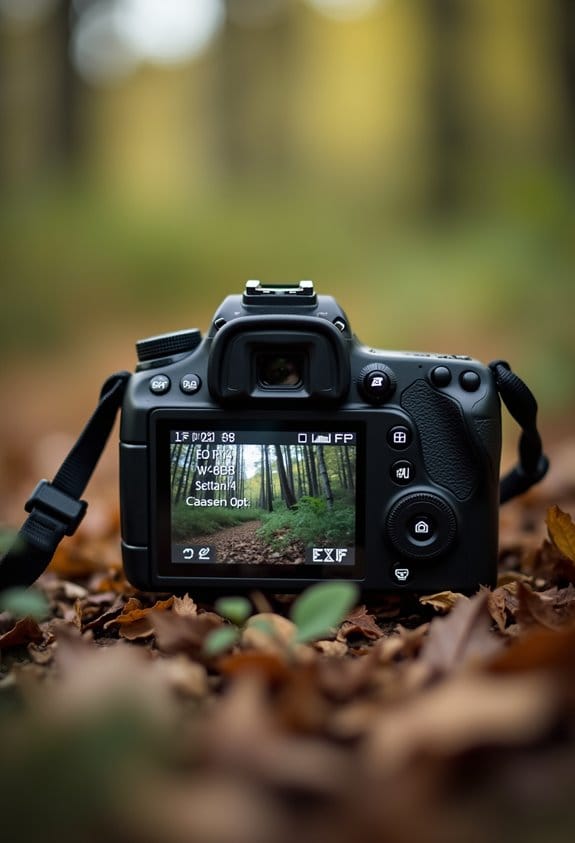
Hey! Have you ever thought about the little details that come along with your photos? That’s where metadata comes in, particularly something called EXIF data. It’s packed with valuable information that can really help you understand more about your shots. For instance, it tells you about the camera settings you used, like the aperture or shutter speed, when the photo was taken down to the exact date and time, and even location data showing where you snapped that picture.
Knowing this metadata can make managing your photo collection so much easier. For example, if you want to find all the photos you took during your last vacation, you can simply filter by date or location. But here’s something to keep in mind: metadata can also contain sensitive info. If you’re sharing photos online, it’s a good idea to use tools that let you edit or strip out that data to protect your privacy. Some advanced devices even include geotagging features that embed precise location information in the metadata.
The Different Types of Metadata: What They Reveal

Hey there! Have you ever thought about how metadata is like the hidden story behind your photos? It reveals important details that can really enhance your understanding of each image you capture. Let’s break down the different types of metadata that can be super helpful.
First off, there’s technical metadata. This is all about the camera settings you used—things like shutter speed, aperture, and ISO. For instance, if you shot a sunset with a slow shutter speed, having that info in your metadata helps you remember just how you created that soft blur.
Then we have descriptive metadata, which is more about the human touch. This is where you can find titles, keywords, and tags that provide context and make searching for specific images easier. Imagine if you wanted to find all the photos tagged with “beach” from your summer vacation; that’s where this kind of metadata shines.
Next is administrative metadata, which covers stuff like usage rights, copyright, and licenses. Think of it as a protective shield for your creative work. You’ll want to know you can share your photos freely or if there are restrictions.
Lastly, structured metadata helps organize all this information so you can find it easier, especially across different platforms. For example, if you use your images on social media or a blog, structured metadata ensures they’re consistent and easy to locate.
Standards like EXIF for technical details and IPTC for descriptions help keep everything tidy and reliable. Understanding the metadata of your photos can open up a whole new layer of appreciation for your work. So, next time you snap a shot, remember that there’s more than meets the eye! Let’s explore how to utilize this information to enhance our photography skills. Additionally, in specialized equipment like cellular deer cameras, metadata plays a crucial role in providing time stamps and location data that improve wildlife tracking and monitoring.
How Metadata Confirms or Contradicts Image Authenticity?
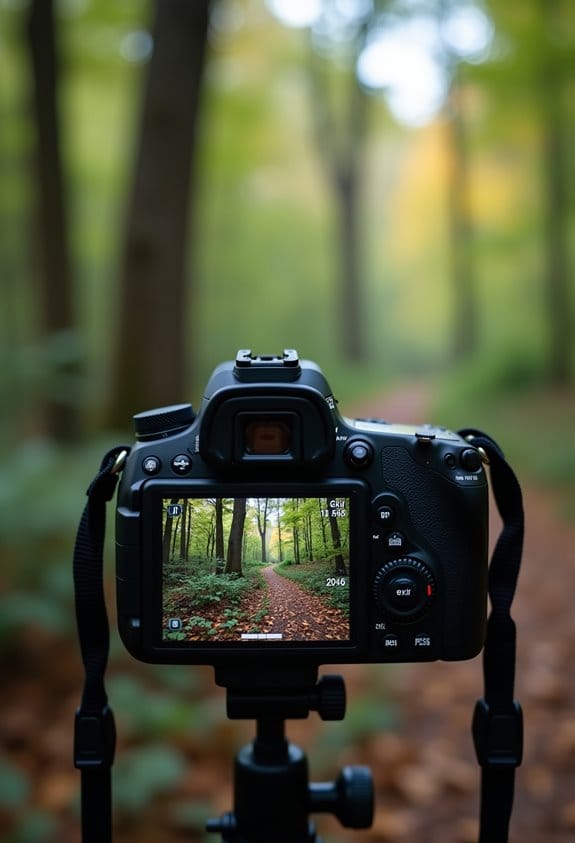
Have you ever wondered how metadata can either confirm or throw shade on a photo’s authenticity? It’s pretty fascinating once you start looking into it! Metadata is like a digital fingerprint for images. It reveals important details that can help you evaluate whether a photo is the real deal or not.
For example, EXIF tags tell you everything from the camera model used to the settings at the time the shot was taken, including the time and date. If you see a timestamp that doesn’t match up with the photo—like a bright sunny day dated in the middle of a snowstorm—it could make you suspicious about its authenticity. And then there’s geotagging data, which pinpoints exactly where the photo was taken. If a photo claims to be from a bustling city and the geotag tells a different story, that’s a red flag!
It’s crucial to keep an eye out for any inconsistencies in the metadata. Missing or altered data can raise questions—was it edited? Experts can often tell if a photo has been tampered with by examining its metadata closely. With this understanding, you can make more informed judgments about the images that come your way. Additionally, many modern systems incorporate cloud storage backup to securely preserve original metadata and footage, which aids in verifying image integrity over time.
Debunking Myths: The Truth About Metadata in Images
Hey there! So, let’s chat about something that often gets a little confusing—metadata in images. Many folks think that if an image has metadata, it must be authentic. But that’s not quite the case, and here’s why.
First off, what exactly is metadata? Think of it as information about your photo, like the camera settings you used or when you snapped it. For instance, EXIF data can show you the exact device used to take the picture and even its GPS coordinates. However, just because a photo lacks this metadata doesn’t mean it’s fake. For example, you might come across a beautiful landscape photo on social media that has no metadata, but that doesn’t automatically discredit its authenticity.
Another thing to consider is that some camera manufacturers log EXIF data differently. This means that you might not get the full story from the metadata alone. Like, if you take a picture with a less common camera brand, the data might not show all the details you’d expect.
In essence, while metadata can lend a hand in providing context, it’s not the end-all-be-all for verifying the truth about an image. Additionally, for cameras such as cellular wildlife models, factors like data plans and cloud storage play a significant role in how images are managed and accessed. So, when you come across a photo, it’s wise to consider other elements, like the source and content, to truly gauge its authenticity. Isn’t it fascinating how much more there is to a picture than meets the eye?
Limitations of Metadata: What It Cannot Reveal About Your Images
Hey there! You know, when we glance at a photo, we might assume that the metadata lays everything out for us. But here’s the thing: metadata has its limits. For one, different camera brands record varied metadata, which means some important details—like settings or the conditions under which a shot was taken—can go missing.
Take flash power, for instance. It’s often not included in the EXIF data, so if you want to recreate that perfect lighting, you might find yourself guessing. Also, features from automated settings like specific camera modes can disappear too. And let’s not forget about privacy; people can edit or completely remove EXIF data, which raises doubts about how genuine a photo really is.
Just because a photo lacks metadata doesn’t mean it’s fake or misleading. Sometimes, it just reflects choices made by the person sharing it or editing it. So, while metadata can give us some insights, it definitely isn’t the complete picture. It’s a helpful tool, but it won’t reveal every secret behind the images we enjoy. Speaking of secrets, let’s chat about what other aspects can influence our interpretation of photos next! For example, devices like cellular wildlife cameras offer features such as infrared technology that impact the image quality beyond what metadata can disclose.
How to Access Metadata for Better Insights
Let’s talk about how you can access metadata to really enhance your understanding of your images. Metadata is like the behind-the-scenes information that tells you more about what’s captured in an image. If you’re on Windows, just right-click on the file and select Properties. For Mac OS X, it’s similarly easy—right-click and choose Get Info.
If you want to dig a little deeper, consider using a tool like ExifTool. This nifty software lets you view all sorts of valuable details, like the camera settings used or even where the photo was taken, thanks to the GPS data. For example, if you’re curious about the aperture or shutter speed for that stunning sunset shot you took, ExifTool will show you those specifics.
For those times when you just want a quick peek at the metadata, online tools like Jeffrey’s Exif Viewer come in handy. You can upload your images there to see the metadata without fuss.
What if you have a whole batch of photos? There are tools that allow you to extract metadata across multiple files at once. This is super useful if you’re organizing a large collection or conducting research on a series of images. Knowing how to access and read metadata can truly enrich your understanding of your photography journey. Ready to explore more on how to analyze the images themselves? Keep in mind that for wildlife photography, metadata can also help track details like night vision technology and motion detection settings used in cellular cameras.
Practical Tips for Managing and Preserving Metadata
Managing and preserving metadata in your digital files is super important if you want to keep their value and integrity intact. Think of metadata as the behind-the-scenes information that tells you about a file, like who created it, when it was created, and how it has been modified. So, if you’re dealing with electronic evidence, it’s crucial to get a handle on this stuff!
First things first, make sure to educate your team on why metadata matters. For instance, if you’re in a legal context, a well-organized metadata trail can prevent problems down the road. You’ll want to set some clear protocols in your discovery plans for how to handle metadata—think of this as creating a roadmap. Specify the formats for storage and use tools that won’t accidentally alter this vital information when sharing files.
It’s also a good idea to get the expertise of digital forensics professionals early on. They can guide you through the twists and turns of metadata collection and analysis, helping you steer clear of costly mistakes. And don’t forget to regularly check and update your metadata practices. Just like cleaning out a closet, keeping things in order can help you stay compliant with legal standards over time.
When working across borders or with remote data, understanding global SIM card support can be essential for maintaining consistent access to metadata during international collaborations.
Frequently Asked Questions
What Should Metadata Tell You?
Metadata should tell us about accuracy in file organization, ensuring effective data governance and search optimization. It also informs us of user privacy concerns, helping us maintain integrity while traversing our digital landscape responsibly.
What Can Metadata Reveal?
Metadata can reveal essential details like identity verification, content ownership, and data integrity. It also aids digital forensics while balancing user privacy. Understanding these aspects helps us navigate digital environments more effectively and responsibly.
What Are the Three Types of Metadata?
There’re three types of metadata: descriptive metadata enhances searchability, technical metadata details camera settings, and administrative metadata covers usage rights. Together, they empower us to manage and preserve our digital assets effectively and responsibly.
What Are the Four Elements of Metadata?
The four elements of metadata are technical, descriptive, administrative, and structural. By adhering to metadata standards and ensuring data quality, we can enhance data governance and effective metadata management, providing meaningful contextual metadata for better understanding.