As an Amazon Associate, we earn from qualifying purchases. Some links on this site are affiliate links at no extra cost to you. Our recommendations are based on thorough research and editorial judgment.


Photo Burst vs Video Clips: How Each Captures Animal Behavior

When capturing animal behavior, both photo bursts and video clips have unique advantages. Photo bursts let you capture rapid sequences of action, freezing moments like a lion pouncing. You can choose the best shot later. Video clips present the flow of behavior, offering context and sound to enrich your understanding. They often last about 30 to 60 seconds, letting you observe interactions in depth. Each format has its strengths; knowing when to use them can enhance your wildlife photography experience.
Key Takeaways
- Photo bursts capture fleeting moments in high definition, allowing for the selection of the most impactful action shot.
- Video clips provide a continuous view of animal interactions, showcasing behaviors and sounds over a longer duration.
- Burst modes excel at freezing fast movements, crucial for documenting quick animal behavior such as a lion pouncing.
- Video offers a richer context, illustrating emotional expressions and the dynamics of animal interactions in a narrative form.
- Combining both formats maximizes wildlife observation, ensuring comprehensive coverage of behaviors and enhancing storytelling depth.
Understanding Photo Bursts in Wildlife Photography

You may be interested
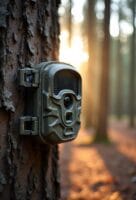
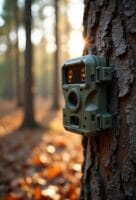
When you’re out in the field snapping shots of wildlife, using photo bursts can really amp up your game. Photo bursts allow you to capture rapid sequences of images, which is perfect for freezing action in sharp detail. Imagine catching the moment a cheetah launches into a sprint or a bird takes flight—you’ll want those details!
Depending on your camera, you can usually shoot anywhere from 3 to an impressive 30 frames per second. If you’re tracking fast animals, having that higher burst speed can make all the difference. For instance, if you’re photographing a dolphin jumping out of the water, you want to catch every splash at just the right moment.
Another crucial tip is to use continuous autofocus. This feature helps keep your moving subjects nice and sharp, which is essential when shooting wildlife. It’s especially handy for those unpredictable moments, like when a lion suddenly chases after its prey.
Timing is everything, too. By predicting animal movements—like knowing when a deer might leap across a trail—you can set yourself up for that perfect shot. Oh, and don’t forget to pack some large-capacity memory cards. They’ll hold lots of images from those quick bursts, so you won’t miss a single highlight.
Also, choosing cameras with fast trigger speeds will help you capture rapid movements more effectively without missing critical moments.
With these tips, you’re well on your way to capturing stunning wildlife photos. Let’s move on to some best practices for composing your shots to make them pop even more!
The Role of Video Clips in Capturing Animal Behavior
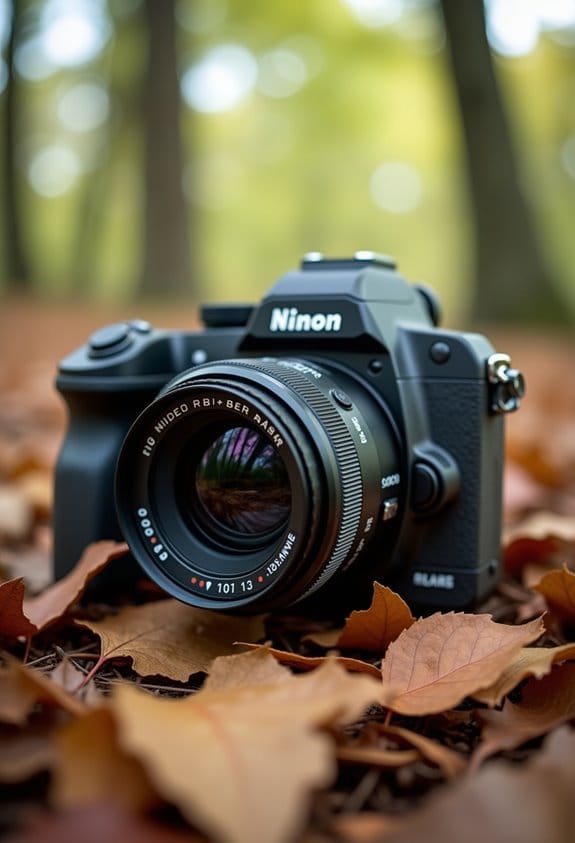
Capturing animal behavior goes beyond just snapping still photos; video clips can really elevate your wildlife observations. They let you see those lively interactions that are tough to catch in a single frame. For example, you can record a pair of birds performing a courtship dance or a troop of monkeys engaging in playful social dynamics. Plus, you’ll get to hear their sounds, like the warnings they give or the chatter among them, which adds another layer to your understanding of their communication.
Video clips usually last between 30 to 60 seconds, so you can capture more than just quick moments. This longer format increases your chances of catching that perfect, fleeting behavior—like a deer leaping through a stream. Just keep in mind that video files can take up a lot of space, so be sure to manage your memory card wisely. Balancing your video clips with a few still shots helps ensure you’re maximizing your experience while observing wildlife.
Next time you’re out, consider how you can capture those dynamic moments—it may just help you tell a richer story about the animals you encounter! Modern wildlife cameras often offer 4G LTE connectivity, enabling instant alerts and real-time access to your video clips even in remote locations.
Comparing Photo Bursts vs. Video Clips for Storytelling
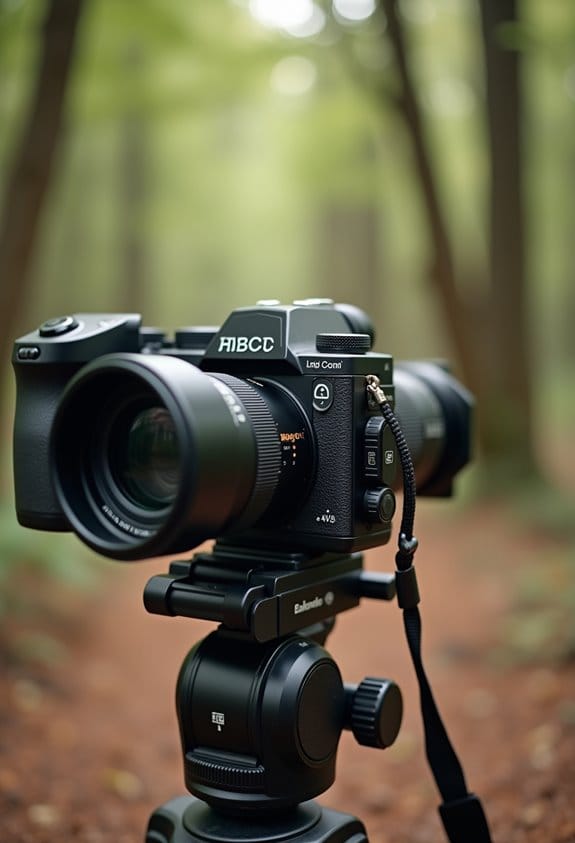
Hey there! So, when it comes to storytelling in wildlife photography, you really have two cool options: photo bursts and video clips. Knowing when to use each can make a huge difference in how you share your story, so let’s break it down.
With photo bursts, you’re getting a rapid series of images that capture quick moments. This is perfect for freezing action in the blink of an eye. For instance, if you’re photographing a cheetah sprinting after its prey, a burst can help you choose the exact frame that shows the intensity of the chase. You get to pick the best shot that really captures that thrilling animal behavior.
On the flip side, video clips are fantastic for showing the flow of an animal’s movements. They let you see social interactions and behaviors in a way that photos simply can’t. Imagine filming a troop of monkeys playing in the tree branches; you can catch their antics as they interact, and you can even include the sounds of their playful chatter, which adds a whole new layer to your storytelling.
Using advanced autofocus technology, photo bursts help highlight those fleeting emotional expressions. In contrast, video clips might take a bit more work in editing to bring out the key moments. Understanding the strengths of both can really help you decide how best to tell your wildlife story. So, whether you’re thinking in frames or minutes, just keep your subject and the story you want to tell in mind! Additionally, utilizing cameras with remote monitoring and management can greatly enhance your ability to capture timely wildlife moments without disturbing their natural behavior.
How Photo Bursts Capture Key Emotional Moments in Wildlife
You know, photo bursts are such a fantastic tool for capturing those raw emotional moments in wildlife photography. When you’re shooting at speeds of 3 to 30 frames per second, it’s like having a high-speed camera ready to snap multiple images all at once. This is especially helpful for catching those unique expressions in animals, whether it’s a moment of aggression during a territorial dispute or the pure joy of playful young cubs tumbling over each other.
Let me break it down a bit. When animals are moving quickly, like a cheetah sprinting after its prey or a bird taking flight, photo bursts can really help freeze those swift actions in time. Plus, taking multiple shots increases the chances of capturing an authentic expression. Think about it: during a dramatic standoff, you might catch a lion’s fierce glare or an elephant’s raised trunk, revealing their emotional state in a way that a single shot might miss.
Continuous autofocus is also a lifesaver, especially for keeping those fast-moving animals clear and sharp. And if you’re experimenting with different angles or compositions, these bursts open the door for telling deeper stories through emotion. For instance, you might capture a daring leap by a monkey from one branch to another, showing both its bravery and playfulness in the series of images you collect.
In essence, using photo bursts allows us to paint a more vivid picture of wildlife, revealing their emotional layers that sometimes go unnoticed. Many advanced cameras now incorporate rapid trigger speed technology to maximize the capture of these fleeting moments. So, the next time you’re out in the field with your camera, remember that capturing these moments is not just about speed but also about understanding the emotions behind the actions.
Benefits of Video Clips in Wildlife Photography
If you’re getting into wildlife photography, you really should think about the awesome benefits of using video clips. They can give you a whole new perspective on animal behavior that still photos often can’t capture. For instance, when a mother bird feeds her chicks, a video shows the delicate movements involved, while a still image might miss that beautiful interaction entirely.
Another cool thing about videos is that they capture sounds. Imagine hearing the distinctive calls of wolves howling or the rustle of a snake moving through the grass. Those sounds add depth to your understanding of how animals communicate and interact with each other.
Plus, videos are great for figuring out the size and gender of animal species. By watching them move, you can spot differences that may not be obvious in a snapshot. And let’s be honest, using video mode means fewer missed moments; whether it’s a rabbit sprinting away or a bear fishing, important actions happen fast, and videos can catch those quick happenings.
Combining video clips with your still images gives you a fuller picture of wildlife dynamics. This approach helps you truly appreciate the complexity of animal behavior. So, when you’re out in the field, consider rolling some video—it’s a fantastic way to enrich your photographic story. Cameras with fast trigger speeds ensure you won’t miss critical action when capturing video clips.
How to Choose Between Photo Bursts and Video Clips?
When we’re out capturing animal behavior, the choice between using photo bursts or video clips can really change what we end up seeing. If you want to catch those lightning-fast moments, burst mode is your go-to. It snaps multiple pictures in quick succession, which is perfect for action shots—like a lion pouncing on its prey. You won’t miss any of those critical details!
On the flip side, video clips offer a different kind of richness. They let you see not just the movement, but you can also capture sounds and interactions that help paint a fuller picture. Imagine watching a mother bird feed her chicks; the video captures the sounds of their chirping and shows their movements, giving you insight into their behavior that a still photo might miss.
Of course, you should also keep storage space in mind. Burst mode can fill up your memory card fast with tons of images, whereas a video clip can capture longer behaviors without taking up as many files. So if you’re aiming for quick action shots, go for burst mode. But if you want to analyze behaviors in depth, video clips are definitely the way to go.
As you prepare for your next wildlife adventure, think about what you want to capture. Each method has its strengths, and knowing your goals will help you make the best choice! Additionally, choosing a camera with high-resolution video options can significantly enhance the quality of footage collected during your observations.
Tips for Mastering Photo Bursts and Video Clips in the Field
Hey there! If you’re looking to master photo bursts and video clips while observing wildlife, I’ve got some handy tips for you. These techniques can really take your photography to the next level and make those incredible moments even more memorable.
First off, let’s talk about burst mode. This feature lets you capture several images in quick succession—usually anywhere from 3 to 30 frames per second. Imagine you’re watching a heron just about to take flight. If you hit burst mode at this moment, you can nail that perfect shot of the bird in action, rather than just a blurry image of where it used to be.
Next, don’t forget about video clips! Try recording short bursts of 30 to 60 seconds. This can be particularly useful when you see animals interacting, or even to capture those ambient sounds, like a lion’s roar or a babbling brook. These clips can add so much context to your photos and tell a richer story.
Also, make sure you’ve got plenty of space on your memory cards—I’d recommend getting cards that are at least 128GB. Nothing’s worse than watching a stunning moment stroll by, only to realize you’ve run out of memory!
It’s a great idea to combine both photo bursts and video clips. For example, you could start with a photo burst of a group of deer frolicking and then switch to a video clip to capture them as they calmly graze. This way, you get to showcase both their playful side and their serene moments.
Lastly, don’t forget to regularly manage your footage. Go through what you’ve captured and set aside the best shots. This will help you focus on what’s impactful and save you time later on when you want to share your work.
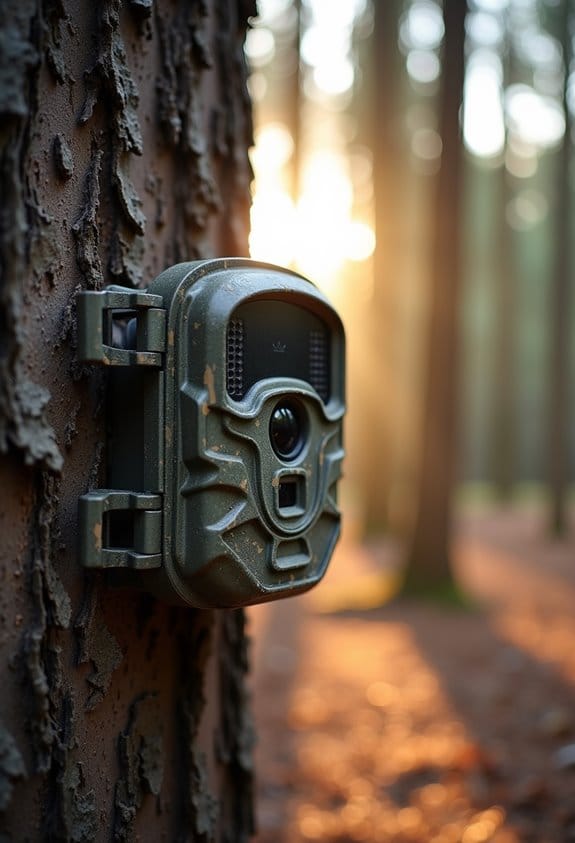
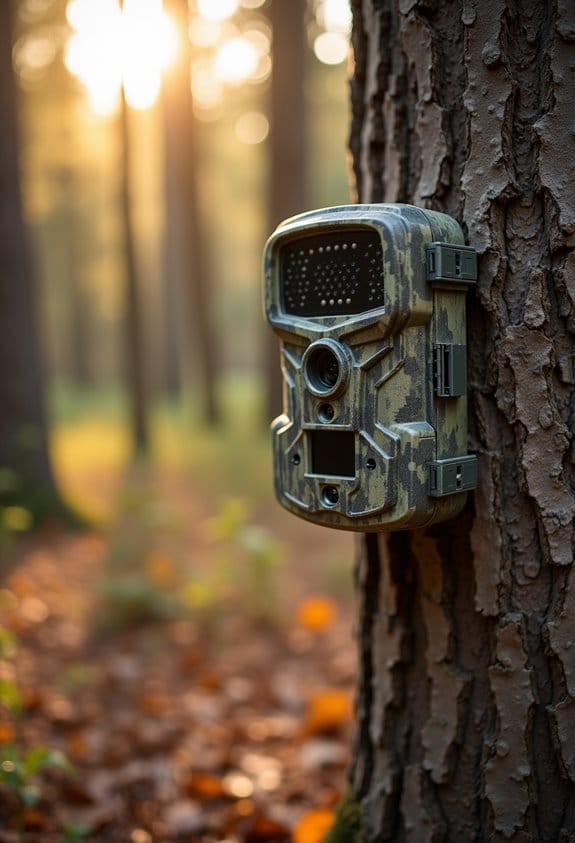
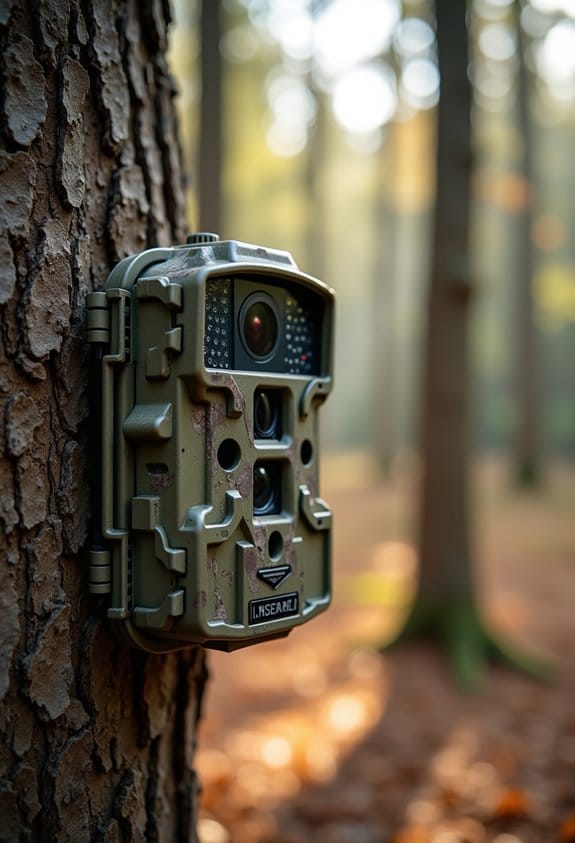
To get the best results from your equipment in the field, consider using adjustable trail camera mounts to position your cameras for optimal angles and stability.
Frequently Asked Questions
What Equipment Is Best for Capturing Photo Bursts?
When it comes to capturing photo bursts, we should consider our camera settings, lens choice, and shutter speed. Experimenting with various shooting angles can really bring our burst mode images to life!
Can Video Clips Be Edited for Better Storytelling?
Absolutely, video clips can be edited to enhance storytelling. We can apply various video editing techniques to improve narrative flow, highlight animal behavior focus, and amplify emotional impact, making our stories more engaging and resonant.
How Do Lighting Conditions Affect Photo Bursts and Video?
Lighting conditions can dramatically influence our results. With varying dynamic range and shutter speed, exposure settings shape both photo bursts and video. The contrast effects at different times of day can evoke stark emotions within our captures.
Are There Specific Animal Behaviors Better Captured by One Method?
We’ve found that video clips excel at showcasing social interactions and hunting techniques, while photo bursts capture aggressive displays and mating rituals effectively. Feeding habits can be illustrated well by both methods, depending on the situation.
What Common Mistakes Should Photographers Avoid With Both Techniques?
We’ve all felt the sting of missed moments. To avoid common mistakes, we must perfect action timing, watch for focus blur, consider subject distance, and adhere to composition rules and clever framing techniques.