As an Amazon Associate, we earn from qualifying purchases. Some links on this site are affiliate links at no extra cost to you. Our recommendations are based on thorough research and editorial judgment.

Water Intrusion and Battery Compartments: Prevention and Inspection

When it comes to water intrusion in battery compartments, prevention and inspection are key. Here are some essential tips:
- Look for corrosion on terminals, which shows moisture exposure.
- Check for cracks or bulges in the battery casing.
- Maintain a waterproof design for better protection, like using silicone sealants and gaskets.
- Conduct regular inspections and drainage checks.
You may be interested



By understanding these points, we can protect our batteries effectively. Let’s explore more about keeping our battery compartments safe.
Key Takeaways
- Ensure battery compartments have a minimum IP67 rating for effective waterproofing against moisture intrusion.
- Regularly inspect for corrosion, cracks, or bulges to detect signs of water damage early.
- Use silicone-based sealants and gaskets to reinforce connections and prevent leaks in critical areas.
- Schedule monthly maintenance checks to ensure adequate drainage and ventilation in battery compartments.
- Conduct water immersion tests and air-tightness assessments to confirm the integrity of the battery enclosure against water ingress.
What Are the Risks of Water Intrusion in Battery Compartments?
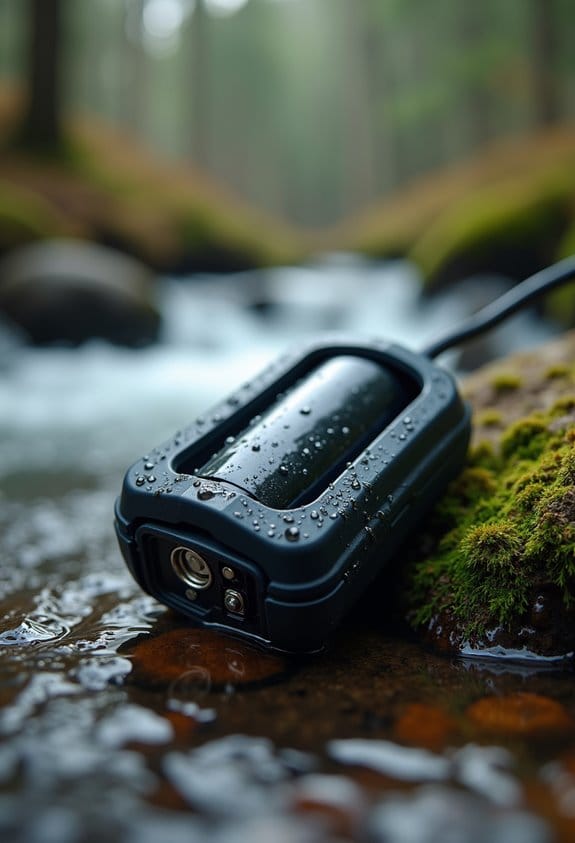
Hey, have you ever thought about the risks of water intrusion in battery compartments? It’s something that can really impact your battery system in more ways than you might expect. For instance, when water seeps in, it can cause short circuits. This means that parts could overheat or even get damaged, which is pretty concerning!
Then there’s corrosion to think about. If saltwater gets in, it can really ramp up the corrosion process, which weakens the components of your battery. Imagine dealing with a weakened battery that suddenly fails when you need it most—definitely not fun!
Another serious risk is thermal runaway. If the battery overheats and isn’t managed properly, there’s a chance it could lead to fires. This is why keeping everything in check is vital. Unfortunately, this water intrusion can also mess with the Battery Management System (BMS), which could temporarily immobilize your vehicle. Ensuring waterproof and weatherproof designs can help protect batteries and extend their service life.
Key Signs of Water Damage in Battery Systems
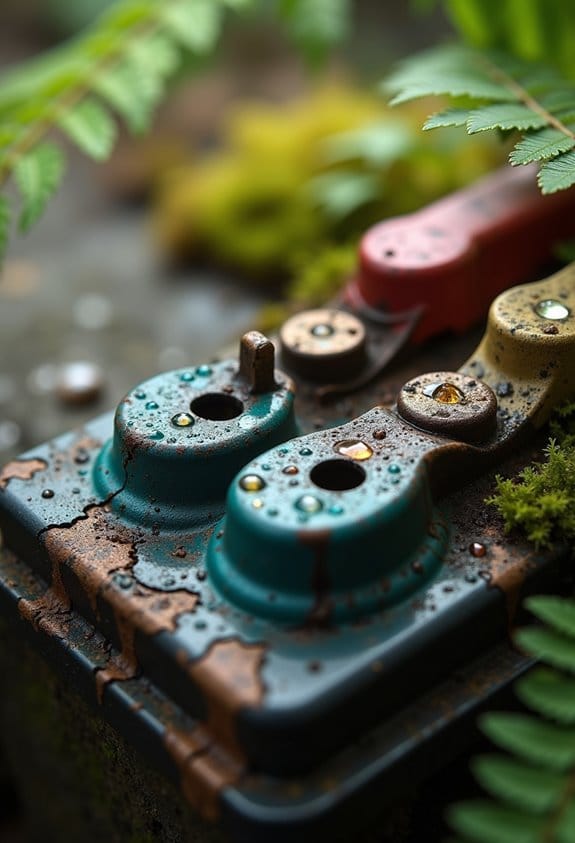
Have you ever thought about how to spot water damage in battery systems? It’s actually pretty crucial to catch these problems early, since they can really mess things up and cost you later on. Here are some clear signs to keep an eye on.
First off, check the terminals for corrosion. If you see any white, green, or blue residue, that’s a big red flag that moisture has gotten in there. For instance, if you’ve left your battery in a damp garage, that buildup might indicate a problem. Also, take a peek for any cracks or bulges on the battery casing. Even slight deformities can mean water is sneaking in, which isn’t safe.
Another sign to look for is voltage issues. If your battery suddenly shows drops in voltage readings, it could be because water has caused a short circuit. While you’re at it, don’t forget to examine the area for rust or discoloration, especially near electrical connections in the battery compartment. This often points to prolonged moisture exposure.
Lastly, pay attention to any musty smells or condensation** you might notice. Both can be signs that water damage is lurking, and it’s a good idea to check things out further if you spot them. Keeping an eye on these signs will help ensure your battery system stays safe and functional. If you notice anything unusual, it’s always better to investigate sooner rather than later! Also, considering the integration of solar-powered batteries** can help reduce the risk of water damage by minimizing maintenance exposure.
Importance of Regular Inspection and Maintenance
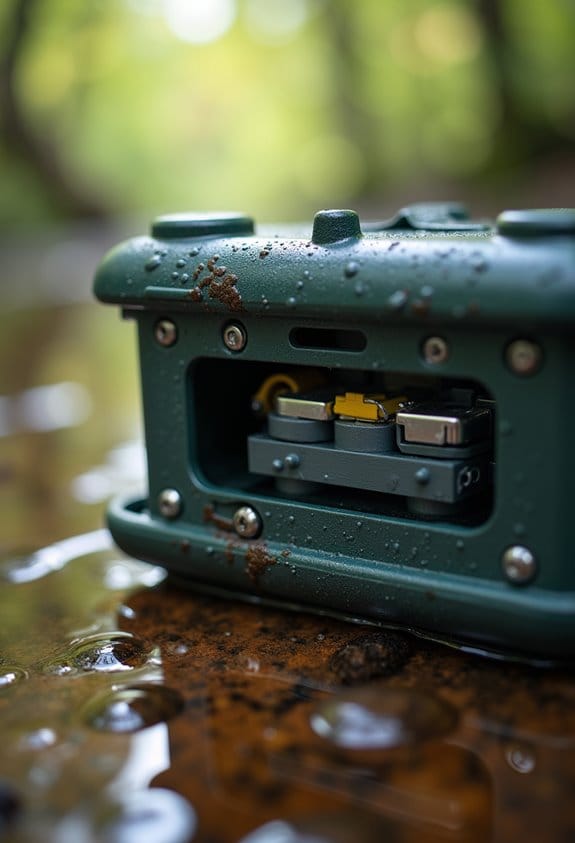
Hey there! If you’re interested in keeping your battery systems in tip-top shape, spotting signs of water damage is just the starting line. Regular inspection and maintenance are super important for catching any potential issues before they become big headaches. So, what should you look for?
First off, keep an eye out for corrosion on the terminals. You know, that white or green gunky buildup? It can really mess with your battery’s performance and might lead to failures if you don’t address it. Also, take a moment to check the battery compartments. If you notice any cracks or bulges, that’s a red flag—moisture can sneak in and ruin everything.
Don’t forget to clean those corroded terminals! A little elbow grease can go a long way in ensuring good electrical connections. Plus, if you’re using flooded batteries, testing them with a hydrometer is a must. Healthy readings typically range from 1.265 to 1.299—if yours is outside that zone, it might be time for some serious attention.
This routine isn’t just a chore; it’s a proactive step to prolonging the life of your battery. Keeping tabs on these aspects can save you from unexpected surprises down the road. Speaking of surprises, let’s chat about what to do if you discover any red flags during your inspection! Solar-powered systems offer sustainable power sources that can help reduce maintenance needs and protect battery longevity.
How to Inspect Your Battery Enclosures Effectively
So, you want to know how to effectively inspect your battery enclosures? It’s a great skill to have, as it can help prevent battery failures and ensure everything runs smoothly. Let’s break it down into some simple steps you can take to keep those enclosures in tip-top shape.
First, start with the seals. Check the gaskets and O-rings regularly; when they’re worn out, they can let in water, which is definitely not what you want. You can do this by giving them a light tug to see if they feel firm or if they’ve started to crumble.
Next up, look for any visible damage. Keep an eye out for cracks or surface issues on the battery enclosure. Even small cracks can allow moisture to sneak in, which can lead to bigger problems down the line. If you spot any, it’s best to address them right away before they turn into bigger leaks.
Another useful test is the water immersion test. You can periodically immerse the enclosures in water to see if they hold up. If bubbles appear, you likely have an area that needs fixing. And don’t forget about air tightness tests. These help you check if the enclosures maintain pressure without any leaks, which is a solid indicator that they’re sealing properly against water ingress.
Finally, make sure to document your inspection findings. Keep a list of any corrosion or moisture issues and address them right away. This kind of proactive approach guarantees electrical safety and shows you’re on top of your battery care.
Additionally, choosing battery enclosures with IP67 weather resistance can greatly reduce the risk of water intrusion during regular use.
Best Practices for Waterproofing Your Battery Compartment
If you’re looking to waterproof your battery compartment, there are some straightforward strategies you’ll want to follow. Firstly, aim for a design that has an IP67 rating or higher. That means it can handle some water splashes and even temporary submersion without any issues, which is super important if you’re using your equipment in wet environments.
Next up, sealing is where you can really make a difference. A good silicone-based sealant can work wonders to keep water from sneaking in through battery connections. Think of it like a protective skin—just make sure you also use gaskets in the right spots to cover any gaps. For example, applying a waterproof coating on the inside of the battery enclosure can shield it from moisture and corrosion, helping to extend the life of the components.
Placement is another vital factor. Be mindful of where the batteries sit in your design; try to keep them away from the areas that are most likely to get splashed. You can also incorporate vents and drainage channels to guide any water away from the battery compartment. Regular check-ups can’t be overlooked, either. Performing air-tightness and water immersion tests will help you catch any potential leaks early, ensuring your batteries stay safe and dry.
Many advanced trail cameras also feature IP66 waterproof ratings, offering excellent protection against rain and dust, which can be a great benchmark when selecting equipment.
With these practices in place, you’ll have a robust battery compartment that can confidently withstand the elements! Next, let’s look at some troubleshooting tips for when you suspect water intrusion.
Materials That Enhance Waterproof Battery Design
When it comes to designing a waterproof battery, the materials you choose play a crucial role in ensuring it stays safe from moisture. Let’s talk about some smart options that can help keep your battery protected.
First up, we have sealants and adhesives. Silicone-based materials are great for this—they fill in any tiny gaps, so water can’t sneak in, and they still let the materials flex a bit, which is important for durability. Then there are waterproof coatings. Think of these like rain gear for your battery—they help repel moisture and shield the enclosure from harsh environmental conditions, like rain or snow.
Next, consider insulating materials. These are essential for keeping the battery cells separated, which helps prevent any electrical issues due to moisture. Also, don’t overlook corrosion resistance. Sturdy materials like polycarbonate and aluminum can protect the outside of the battery from water damage.
One fascinating option to explore is self-healing polymers and nanocoatings. These materials have a special ability to fix minor damage on their own, which boosts waterproofing over time. So, if you had a tiny scratch on your battery casing, it could help reseal that area!
Additionally, using materials with a high IP66 waterproof rating ensures the battery compartment can withstand heavy rain and dust exposure, enhancing long-term durability in outdoor environments.
Monitoring Systems for Water Intrusion Detection
Hey there! Let me tell you about these really cool monitoring systems for detecting water intrusion in battery compartments. They play a crucial role in keeping your battery healthy and safe from water damage. Imagine you’re out on an adventure and suddenly, you notice water exposure – knowing that your battery has a safeguard in place can make all the difference!
These systems typically use humidity sensors to constantly check moisture levels. If any water starts sneaking in, the sensors give you a heads-up so you can address it before any real damage occurs. Many of these systems even work hand-in-hand with the battery management system (BMS). This means they can monitor battery voltage, ensuring everything’s running smoothly and preventing any electrical mishaps. For instance, if moisture is detected, the system can automatically disconnect the battery load to protect it – pretty nifty, right?
Regularly checking these monitoring systems is important too. Think of it like getting a check-up – you want to make sure everything is in good shape and functioning as it should. This way, you can confidently hit the road or head out for adventure, knowing you’ve taken the right steps to protect your battery from unwanted water intrusion. Many devices also feature IP-rated waterproof designs that help maintain performance even in wet or harsh outdoor conditions. Now that we’ve covered the role of these systems, let’s talk about what to look for when choosing the best one for your needs!
Managing Water Intrusion and Damage in Battery Compartments
Hey there! So, let’s talk about keeping our batteries safe from water damage. Water intrusion can be a real concern, especially if you’re using batteries in places where they might get a bit wet. Here are some straightforward ways to manage that and ensure your batteries stay in great shape.
First off, you should make a habit of doing regular inspections. Just like you’d check your car for any signs of wear and tear, you want to look out for any corrosion or moisture around your battery compartments. If you spot something amiss, like a little rust or dampness, it’s crucial to tackle those issues right away. For example, if you notice any discoloration on the battery terminals, it’s time for a clean-up before it affects performance.
Another great step is to invest in waterproof enclosures. Aim for those rated at least IP67 – this means they have a good level of moisture resistance. Think of it like using a well-fitted rain jacket; it keeps you dry and protected from the elements. Combining this with proper sealing techniques, like using gaskets and O-rings around the compartments, can create a powerful barrier against water getting in.
After any exposure to water, take action by drying the area and carefully inspecting the connectors. This little step can make a huge difference in preventing short circuits that might lead to more significant problems down the road. Establishing a maintenance schedule is also key; regularly check drainage and ventilation to promote good airflow. It’s all about creating a setup that reduces the risk of water-related damage over time.
Additionally, choosing devices with robust IP ratings such as IP65 or IP66 ensures durability and reliable protection against harsh weather conditions.
The more proactive we are, the better we can protect our investments in these batteries. And speaking of investments, let’s chat about how to extend battery life next!
Best Practices for Long-Term Battery Compartment Care
Hey there! Taking care of our battery compartments might seem like a small task, but it really makes a big difference in keeping everything running smoothly. Think of it this way: a little attention now can save you from headaches later on. So, let’s chat about some straightforward practices you can adopt.
First up, make it a habit to check your battery compartments once a month. You’re looking for cracks or any signs of damage because even a tiny gap can let in water, and we definitely want to avoid water damage. For example, if you notice a crack, it might be time for a replacement before it leads to bigger problems.
Next, cleanliness is key. Take a look at those terminals regularly for any signs of corrosion, which can show up as white, green, or blue buildup. A simple wipe with a cloth can help keep things clean and safe, ensuring that your battery connections stay strong.
If you’re storing batteries outdoors, consider using waterproof battery boxes that have gasket seals. These boxes really help protect against moisture, especially if you live in a rainy area. And don’t forget, in colder months, keeping your batteries insulated can prevent damage from extreme temperatures.
Lastly, it’s useful to monitor the voltage and state of charge. Investing in a battery management system can be a great move—it’ll alert you if something’s off, giving you peace of mind. Keeping an eye on these little details can really help you extend the life of your batteries. Additionally, choosing solar-powered models can reduce maintenance by providing sustainable energy and longer operational life in remote areas.
Frequently Asked Questions
What Are the Three Main Causes of Battery Failure?
Battery failures mainly stem from inadequate maintenance, temperature effects, and environmental factors. To enhance battery life, we should focus on regular checks of electrolyte levels, implement corrosion prevention measures, and consider necessary system upgrades for peak performance.
How Do You Monitor and Maintain a Vessel’s Battery Systems and What Steps Do You Take if There’s a Charging Issue?
We monitor our vessel’s battery systems through regular maintenance strategies, conducting electrolyte level checks and corrosion prevention methods. If charging issues arise, we perform diagnostics to evaluate battery health and follow replacement guidelines as needed.
Can Water Cause Battery Corrosion?
Yes, water can cause battery corrosion. For efficient battery corrosion prevention, we should implement humidity control methods, monitor electrolyte levels, and follow inspection frequency guidelines, using corrosion mitigation techniques to guarantee peak battery terminal maintenance.
How Much Water Should You Put in a Deep Cycle Battery?
We should guarantee the water level in our deep cycle battery is about 1/2 inch above the plates. Following these battery maintenance tips and water level guidelines helps us optimize electrolyte importance and battery longevity factors.