As an Amazon Associate, we earn from qualifying purchases. Some links on this site are affiliate links at no extra cost to you. Our recommendations are based on thorough research and editorial judgment.

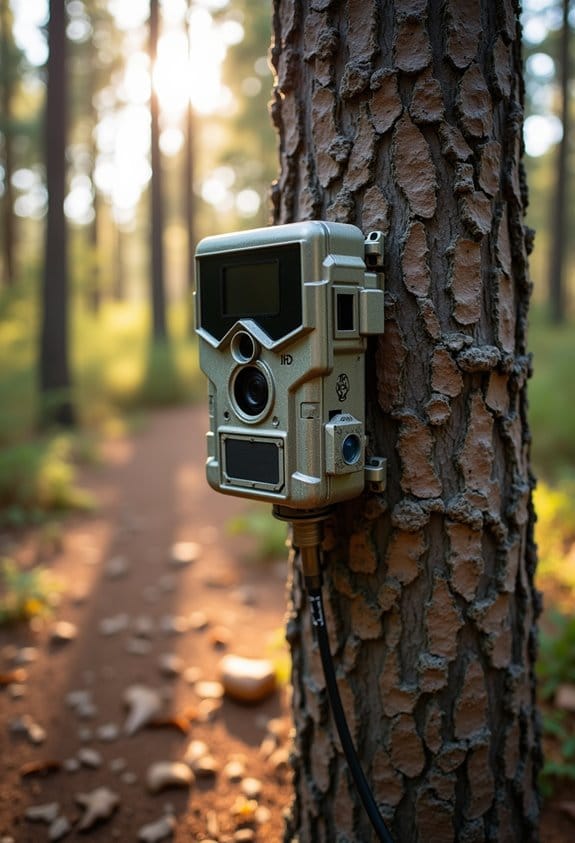
Cable Management Outdoors: Preventing Wear, Leaks, and Chew Damage

When managing cables outdoors, we need to focus on preventing wear, leaks, and chew damage. Here are some key points:
- Use weather-resistant materials to guard against UV rays and moisture.
- Employ braided sleeving, which protects against abrasion and chewing by pests.
- Ensure connectors are sealed to prevent leaks.
- Elevate cables off the ground to reduce moisture exposure.
You may be interested
By addressing these issues, we can keep our cables safe and extend their life. There’s even more to reflect on when it comes to cable management.
Key Takeaways
- Use weather-resistant products like heavy-duty sheathing and braided sleeving to protect cables from UV rays and moisture.
- Elevate cables off the ground with hooks or trays to reduce moisture exposure.
- Seal all connectors thoroughly and employ waterproof enclosures to prevent leaks.
- Install chew-resistant materials and cable conduits to protect against rodent damage.
- Regularly inspect cables for wear and replace damaged ones to ensure long-term durability.
The Importance of Outdoor Cable Management
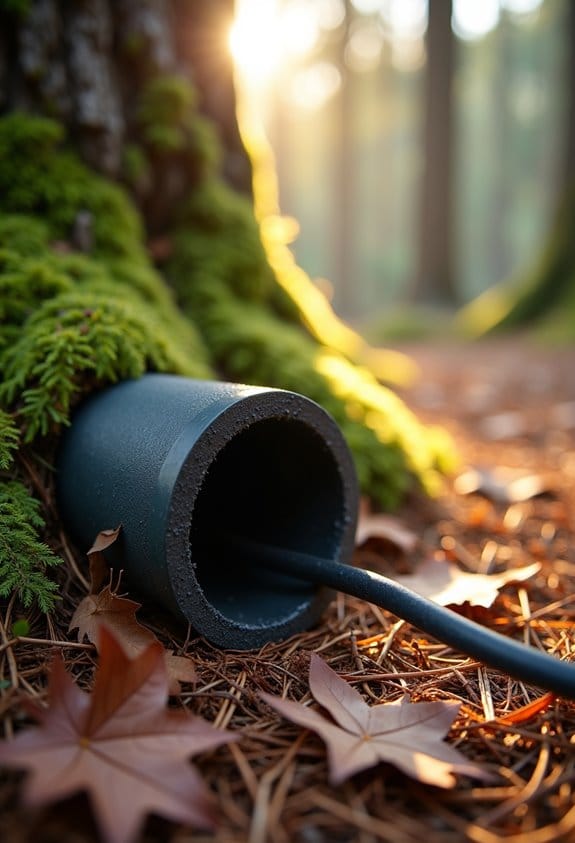
Hey there! So, have you ever thought about outdoor cable management? It’s one of those things that often gets overlooked when we’re busy sprucing up our gardens or picking out patio furniture, but it’s super important! Managing those cables outside isn’t just about keeping things tidy; it also helps keep you safe and your cables in good shape.
For starters, let’s talk about cable protection. You know how harsh sunlight and rain can be? If those cables are just lying around, they get worn down quickly. A simple tip is to use weatherproof covers or cable boxes. These not only shield your cables from the elements but also keep them organized.
And then there’s safety—nobody wants to trip over tangled wires or, worse, face the risk of electrocution. Keeping cables neatly tucked away can significantly reduce those hazards. You could use cable clips to secure them along walls or edges; it’s a straightforward solution that can make a huge difference.
Lastly, consider the aesthetics. Neatly managed cables make your outdoor spaces look more polished and inviting. Instead of unsightly wires, think of the clean look you’ll have. You could even decorate your outdoor area with potted plants to divert the eye away from any remaining cables.
Using weather-resistant materials in your outdoor cable management can further protect against damage and ensure long-lasting durability.
Common Outdoor Threats to Cables: Weather and Pests
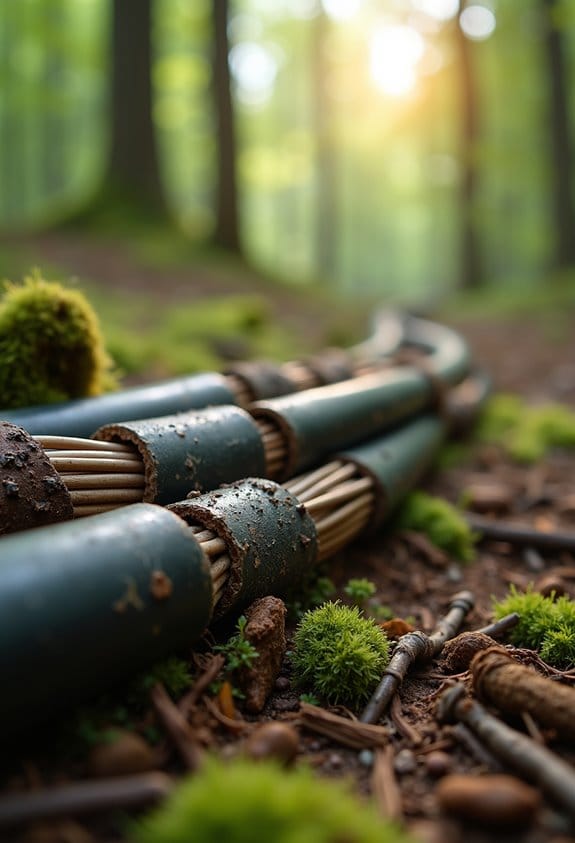
When we enjoy our beautiful outdoor spaces, we often overlook the common threats that cables face out there. Outdoor cables encounter all sorts of challenges from the weather and pesky critters. Let’s break down some of these risks.
First off, those bright sunshine rays can really wreak havoc on cable jackets. Over time, UV rays break down the material, leading to performance hiccups. So, if you notice a cable looking faded or brittle, it might be time to replace it.
Then there’s moisture. Just imagine a heavy rainstorm; excess water can sneak into connectors and cause all sorts of problems, like electrical shorts. A good tip is to make sure connectors are properly sealed to keep moisture out, especially before bad weather hits.
And let’s not forget about our furry friends—rodents! They can be a real nuisance, chewing through cables and creating potential fire hazards. Using cable covers or rodent-resistant materials can really help keep those little troublemakers at bay.
For ultimate weatherproof protection, consider using materials rated at least IP65 or higher to ensure durability against outdoor elements.
Recommended Products

SPECIFICATIONS: 1 Channel | 270 Pcs Bulk Pack | Overall Size – 60” L x 5” W | Channel Size - 1.5” W x 0.5” H | Color - Black

Canon USA Authorized. Items Include: Canon EOS R5 Mirrorless Camera with 24-105mm f/4 Lens | Ultimate Hybrid Power for Creators Who Do It All, 64GB UHS-II SDXC Memory Card, Canon EOS 200ES Shoulder Bag
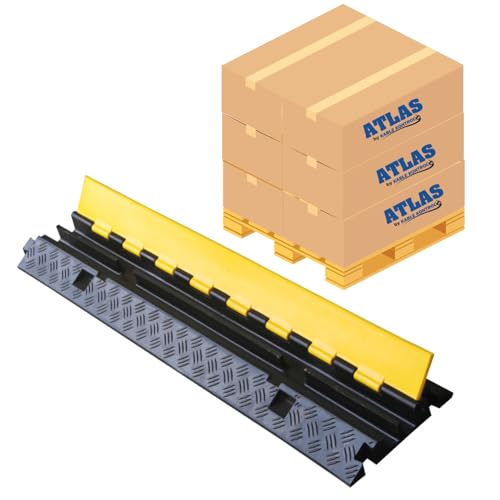
Dimensions: 2 Channel | 80 Pcs | Channel Size is 1.25” W x 1.25” H | Overall Size is 40” L x 10” W x 1.77” H | Weight 16.53 Lbs | Operating Temperature Range from - 40º F to 131º F | Meets MUTCD, OSHA, RoHS
Effective Solutions for Outdoor Cable Protection
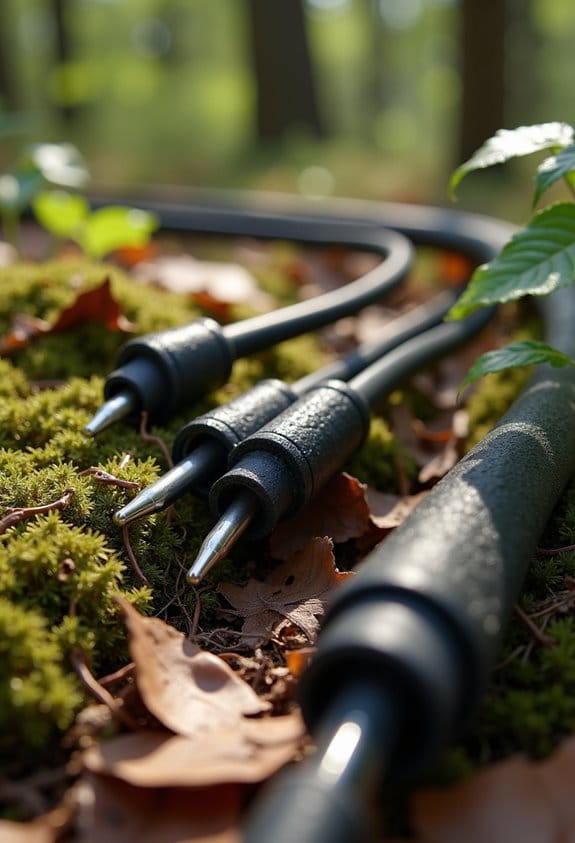
Hey there! If you’ve got outdoor cables, understanding the risks they face makes it clear why effective outdoor cable protection is essential. From pesky animals to tough weather conditions, these cables need a little TLC to stay safe and functional.
One great way to protect them is by using braided sleeving. Think of it as a cozy jacket for your cables, shielding them from wear and those annoying little animal chews. Plus, you should definitely consider installing weatherproof outlet covers, like the Dri-Box®. It keeps moisture and dust out of electrical connections, which is super important for keeping everything running smoothly.
Heavy-duty cable ties are also a smart choice. They’re tough and help keep everything neat and secure, despite whatever Mother Nature throws our way. And don’t forget about protective sheathing! It acts like a shield against UV rays, extreme temperatures, and moisture, so your cables last much longer.
Lastly, a little regular maintenance goes a long way! Make it a habit to check your cables often—cleaning off connectors and looking for any signs of damage can save you a lot of trouble down the road. Taking these steps ensures your outdoor cables remain reliable and perform at their best. Using weatherproof designs can significantly enhance cable longevity in harsh outdoor conditions. Ready to tackle your outdoor cable protection strategy? Let’s move on to the next steps for setting everything up!
Recommended Products

Highlights Compact & Lightweight with only 2.2 kg weight including battery Ultra fast splicing (5 sec.) Ultra fast heating (9 sec.) Dust-free, water resistant and shock-proof. Touch-screen operation Remote support via internet Upgrades software via internet Remote interactive maintenance via internet
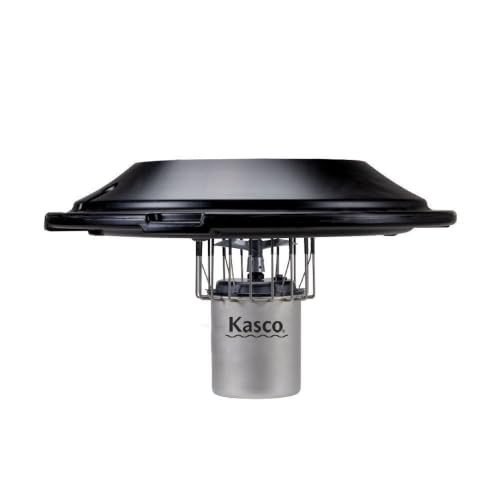
Aeration Kit Includes: 3/4 HP surface aerators come with float and mounting hardware, 240-volt configuration with 100’ electric power cord, and 3 mooring lines. Optional lighting packages and control panels are available. Bottom Screen Not Included.

★ U-SHAPED DESIGN: With unique U-shaped design, it can be easily pull back when you don’t need the shade. You can determine the distance between the sections with control tape and close it when not in use. It is also a stylish decoration for your patio or pergola.
Choosing the Right Materials for Cable Safety
When it comes to cable safety, picking the right materials is crucial, especially for outdoor cables that need to withstand the elements. Think about it like this: if you want your cables to last, you need to protect them from wear and tear caused by weather and critters.
For starters, consider using cable sleeves made from polyethylene (PET). These guys are tough—offering great resistance to both wear and pesky rodents. If you’re organizing your cables outside, weatherproof cable ties, like those from Panduit®, are a solid choice. They help keep everything in order, no matter how bad the weather gets.
Next up, think about heavy-duty protective sheathing. This works like sunscreen for your cables, shielding them from harmful UV rays, moisture, and extreme temperatures. If rodents are a concern, look into braided sleeving made from modified polyamide; it’s flexible and cleverly designed to keep pests at bay. Lastly, don’t overlook durable covers made of PVC or steel, which provide extra protection against wildlife and unpredictable weather. Additionally, selecting materials with an IP66 waterproof rating can further ensure reliable protection against water and dust intrusion outdoors.
Recommended Products

[8AWG Tinned Copper Wire]: YDDECW solar extension panel cord made of larger diameter 8AWG tinned copper wire which is minimize power loss in solar panel systems, the inner conductor consists of 140 tin-plated copper, well constructed and good conductive

SPECIFICATIONS: Size: 1/2" |Length: 100 Feet | Flat: 0.6" | Diameter Expansion Range: 0.55" - 0.78" | Material: 304SS | Melting Point: Over 1000°C |Halogen Free

All In One Kit:16Ft. insulated line set*1,wall sleeve cylinder*1, decorative wall cap*1, wall filler putty*2, non-adhesive decorative wrapping tape*2, flexible condensate drain hose*1, matching length interconnecting cable(18Ft., 16/4)*1
How Braided Sleeving Protects Cables
Hey there! Have you ever thought about how braided sleeving can really protect your outdoor cables? It’s an awesome way to keep those wires safe from all sorts of damage. Let me break it down for you.
First off, braided sleeving is made from tough woven polyethylene (PET) material, which means it does a great job resisting abrasion. So, if you have pets or other critters that like to chew on things, this stuff can help save your cables from their little teeth! Imagine how annoying it would be to find a frayed wire after a playful afternoon in the yard.
Next up, environmental protection is a big selling point. Braided sleeving shields your cables from harmful UV rays, moisture, and dirt. This means your cables can handle the elements better and last longer. It’s like giving your cables a little raincoat and sunscreen all at once!
And don’t forget about temperature control! This sleeving can handle extreme heat and cold, keeping your cables safe from temperature swings. So whether it’s a hot summer day or a chilly winter night, you know your cords are shielded.
One of the best parts? Its split design makes threading wires easy and keeps everything from getting tangled. No more wrestling with a mess of cords when you need to make adjustments; it’s all about simplicity!
Lastly, braided sleeving enhances safety. It acts like a protective sheath around your cables, which helps reduce the risk of electrical shorts and potential fire hazards. That’s a huge relief, especially if you have outdoor setups or installations. Additionally, using materials with weather resistance like powder-coated finishes helps ensure durability in harsh outdoor conditions.
Recommended Products

SIZE: 3/4" (Flat) / 0.48" (Diameter) | Length: 250 Feet | Monofilament Thickness: 0.12mm | Spools 100FT or more may have splices

DIMENSIONS: Diameter: 3.5" | Length: 100 Feet | Thickess: 0.047" | Flat Width: 5.9"

Flame-Retardant Protective Sleeving – Equipped with a durable braided sleeve that adds an extra layer of protection against abrasion, heat, and fire risks, enhancing cable safety.
Correct Ways to Install Outdoor Cables
Hey there! So, if you’re looking to install outdoor cables, I’ve got some handy tips to help you out. First things first, you want to make sure you’re using outdoor-rated cables. These are specially designed to resist UV rays and moisture, which is crucial because they’ll stand up better to the elements.
Once you have your cables in hand, make it a point to keep them elevated off the ground. This slight adjustment can really lower the chances of moisture damage. Think of it like giving your cables their own little platform above puddles!
Another great idea is to use protective sheathing, like a braided sleeve, around your cables. This adds an extra layer of defense against any pesky abrasions or even hungry rodents that might want to nibble on them. Plus, securing your cables with weather-resistant ties can help keep everything neat and prevent sagging, which looks a lot better too!
Oh, and don’t forget to label each end of the cables. It’s a simple step, but it can save you a ton of time in the future when you need to troubleshoot or identify connections. By following these steps, you can feel confident that your outdoor cable installation will not only function well but last a long time too! Also, considering the weatherproof design of your installation materials will help ensure durability against environmental stressors.
Ready to tackle the next part of your project? Let’s dive into the installation process!
Recommended Products

UNDERGROUND FEEDER: 12-2 CU UF-B WITH GROUND cable is designed for direct burial applications in residential and commercial electrical installations.

Manufactured from individual copper strands and tinned to perform in the harshest marine environments.

10AWG, 2 CONDUCTORS, BLACK JACKET, 500FT SPOOL. Premium 10 gauge speaker cable, featuring 105 strand Oxygen-Free Copper conductors and a super-luxe outer jacket. Built to exacting standards with zero compromises.
How to Keep Your Cables in Top Shape?
Hey there! If you’re wondering how to keep your outdoor cables in top shape, I’ve got some practical tips for you. Taking care of these cables isn’t just about avoiding wear and tear; it can save you money and hassle down the road.
First off, it’s really important to use weather-resistant products. Think about outdoor extension cords that are designed to withstand UV rays and moisture—this can make a huge difference in durability. For instance, investing in braided sleeves not only adds a layer of protection from the elements but also makes your cables easier to manage.
Next, don’t forget to conduct regular inspections. Just like checking your tires before a road trip, take a few minutes every couple of months to look for any signs of wear or damage on your cables. Spotting a frayed wire early can prevent a much more costly repair later on.
And here’s a tip you might not think of right away: consider using rodent-resistant sleeving. If you live in an area where critters are a concern, this extra layer of protection can save your cables from being chewed up.
When it comes to maintenance, labeling both ends of your cables can make a world of difference. This simple step lets you identify which cable goes where, so you won’t have to play detective every time you need to unplug something. Lastly, keep things tidy with effective cable management—like using clips or trays to secure your cables away from harsh weather. Also, using durable, weatherproof materials such as those with IP65/IP66 ratings can extend the lifespan of outdoor cables significantly.
Reduce Trip Hazards by Organizing Cables
Hey there! So, you know how those outdoor cables can sometimes turn into trip hazards? Organizing outdoor cables is really important for keeping everyone safe and avoiding any clumsiness on walkways. Let’s go through some easy ways to tidy them up and keep accidents at bay.
First off, cable ties are a lifesaver. Just grab a bunch of them and bundle your cables together. This helps prevent them from tangling and makes the area look a lot neater. For instance, if you have an extension cord running from your house to your garden, use cable ties to bunch it up on one side instead of letting it flop around.
Another great tip is to elevate your cables. You can use hooks or even a simple cable tray to lift them off the ground. This way, they’ll be more visible and less likely to trip someone up. Imagine hanging your lights for a party—suspending the cables above the walkway keeps everyone safe and adds a nice touch!
Don’t forget about protective covers! These are ideal for outdoor cables since they shield them from the elements while keeping everything organized. You can buy cord covers specifically designed for outdoor use, ensuring they hold up against rain or snow.
Lastly, make it a habit to do regular inspections. Just take a moment every few weeks to check your cables. If you see any loose wires lying around, just tuck them in or rearrange them. Keeping things organized not only looks good but also keeps your space safer. Using materials that offer weather resistance can greatly improve the longevity of your outdoor cable setups.
Best Practices for Labeling and Identifying Cables
Labeling and identifying cables is super important, especially if you want to keep your outdoor areas neat and safe. Imagine trying to figure out which cable is which when it’s time for maintenance—that can be a real headache! A simple way to avoid that confusion is to use durable tags on both ends of each cable. These tags should be weather-resistant so they can stand up to the elements. This little trick makes it really easy to spot which cable you’re dealing with at a glance.
Another handy tip is to use color-coding. For example, you could wrap different cables with specific colors of tape: maybe blue for power cables and green for data cables. This way, you can quickly identify what each one does without needing to read every single label. It’s like having a visual map of your cables right in front of you, making it easier to connect or troubleshoot things.
Don’t forget to include useful information on your labels, such as the cable length, where it goes, and its voltage rating. This can really help if you’re installing something new or need to do repairs. And make sure those labels are attached securely and can be easily seen from a distance. You want to minimize any chance of confusion, right? Plus, make a habit of updating your labels whenever you change configurations or add new cables. It’ll save you time and hassle in the long run. Using mounts with weather-resistant plastics can also assist in protecting cables while maintaining flexibility for adjustments.
Making Your Outdoor Space Look Great While Managing Cables
Transforming your outdoor space into something that looks fantastic doesn’t have to be a challenge—especially when it comes to managing cables! One great tip is to use braided sleeving to hide those messy wires. I really like the Flexo® Rodent Resistant sleeving because it not only keeps your cables tidy but also protects them from curious critters and tricky weather. That’s a win-win!
To keep things safe and neat, try organizing your cables properly. It makes a big difference in preventing trips and keeping your area looking sharp. For instance, grab some weather-resistant cable ties to secure everything in place. You can also use cord covers to shield cables from UV rays and rain—these are super handy for outdoor setups. And think about layout too; aligning your cables with your landscaping can make everything feel more intentional and appealing.
Taking the time to manage cables effectively really shows that you care about the details in your outdoor oasis. Plus, a well-organized space isn’t just functional; it creates a welcoming vibe for friends and family to enjoy. For added reliability, consider mounts with a tool-free installation feature to simplify securing your outdoor equipment along with your cables. Now that you’ve got those cable tips down, let’s discuss how to choose plants that thrive in your outdoor setting.
Frequently Asked Questions
How to Protect Outdoor Electrical Cable?
To protect outdoor electrical cable, we should use weather-resistant cable covers, employ UV-resistant materials, and regularly inspect our outdoor installations for wear. These measures guarantee longevity and safety in harsh outdoor conditions.
How to Protect Wires From Being Chewed?
To protect wires from being chewed, we can use chew resistance methods like protective coatings and install natural deterrents around our areas. Regular inspections for signs of activity also help keep our cables safe and secure.
What Are the Hazards of Poor Cable Management?
Poor cable management leads to cable deterioration from weather exposure, wildlife interference, and increased risk of accidents. We’ve all seen how tangled wires can create hazards, making organization essential for safety and longevity.
What Is the Best Material for Cable Protection?
When we think about safeguarding our cables, weather-resistant materials are essential. Flexible conduit options and protective cable sleeves offer the best defense, ensuring our systems thrive even against nature’s unpredictability and the little critters’ curiosity.