As an Amazon Associate, we earn from qualifying purchases. Some links on this site are affiliate links at no extra cost to you. Our recommendations are based on thorough research and editorial judgment.


What Cold Weather Does to Batteries and How to Plan Around It

Cold weather can really affect battery performance. It slows down chemical reactions, causing batteries to lose capacity. For instance, lead-acid batteries can lose up to 20% of their power at freezing temperatures. Here are some signs your battery may struggle: slow engine cranking, dim lights, and frequent jump-starting. To plan around this, winterize your batteries by insulating them and storing them in a cool, dry place. You’ll find other helpful tips on how to keep your batteries strong this winter.
Key Takeaways
- Cold weather reduces battery capacity by up to 50%, especially in lead-acid and lithium-ion batteries, affecting performance.
- Signs of battery struggles include slow engine cranking, dim lights, and frequent jump-starts during winter months.
- To mitigate cold weather effects, store batteries in a regulated environment, ideally between 50°F and 85°F.
- Use high-quality options like AGM or Optima Yellow Top batteries for improved performance in extreme cold conditions.
- Regular inspections and maintenance, including checking for corrosion and using smart chargers, enhance battery reliability in winter.
How Cold Weather Affects Battery Performance

You may be interested



When it gets really cold outside, we tend to think about how it affects us—like bundling up in layers—but have you ever considered how it impacts your car battery? Cold weather can seriously mess with battery performance, slowing down the chemical reactions that keep everything running smoothly. For example, did you know that lead-acid batteries can lose up to 20% of their capacity when it’s freezing? And once it drops to -22°F, they might drop to as low as 50% capacity, which can make starting your engine a real challenge.
Lithium-ion batteries aren’t off the hook either. When temperatures plummet, the movement of lithium ions slows down, which means they struggle to produce the energy you need. On top of that, when it’s cold, your engine has to work harder because of thicker motor oil, and starter motors demand more energy. This can lead to a frustrating situation—just imagine being late for work because your car won’t start!
That’s why I can’t stress enough the importance of regular battery checks, especially if your battery is on the older side. Take a few minutes to ensure your battery is in good shape before the winter chill sets in. This simple step can save you a lot of trouble when it’s freezing outside! Effective power management systems can also help enhance battery lifespan in cold conditions.
Signs Your Battery May Struggle in Winter

Hey there! As winter approaches, it’s a good idea to keep an eye on your car battery, especially since it can struggle in cold weather. Have you ever noticed your engine cranking slowly when you start it up? That’s a classic sign your battery might be lacking some power during the chilly months.
Another thing to watch out for is dim lights. If your headlights or dashboard lights look a bit weaker than usual, it could mean your battery isn’t delivering enough energy. And here’s a quick tip: if your battery is over 3 to 5 years old, you should definitely consider getting it tested. Older batteries are far more likely to give you trouble when temperatures drop.
You might also find yourself jump-starting your car more frequently. If that’s the case, it’s definitely time to think about a new battery. Additionally, take a moment to check for any visible damage, like leaks or swelling around the terminals. If you see any of that, your battery could be on its last legs.
Being proactive about these signs can save you a lot of hassle later on. So, keep an eye out for these indicators, and you’ll be in good shape to tackle this winter! Also, consider investing in weatherproof equipment to ensure reliable performance even in harsh winter conditions.
Steps to Winterize Your Batteries
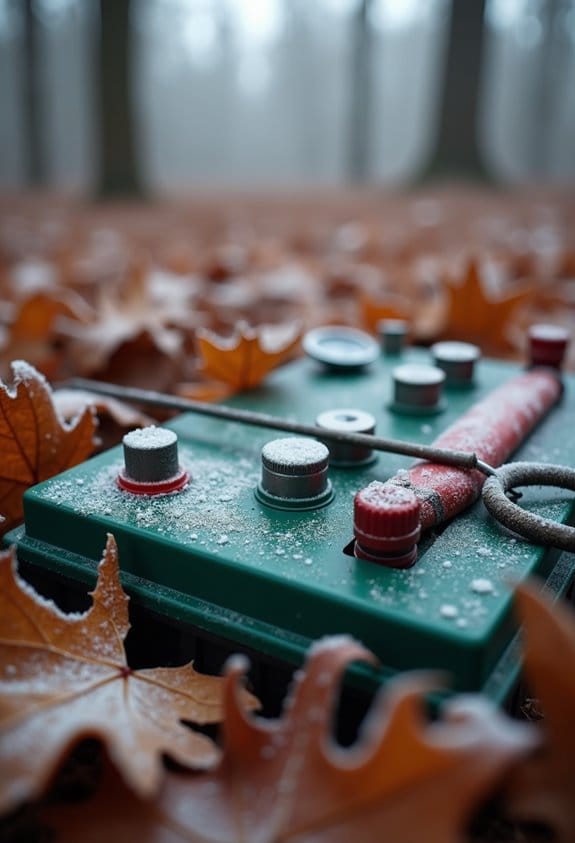
Hey there! If you want your batteries to work like champs in the winter, getting them ready ahead of time is key. So, let’s talk about how to winterize your batteries to keep everything running smoothly when those chilly temperatures hit.
First off, you’ll want to store your batteries in a cool, dry place. Ideally, aim for temperatures between 50°F (10°C) and 85°F (30°C). This helps prevent any loss in capacity. For instance, if you leave your batteries in a freezing garage, you might be in for a surprise when they struggle to hold a charge.
Next, don’t forget about regular inspections. Check the terminals for any corrosion and clean them up. If you have lead-acid batteries, they might need equalization to ensure they’re all balanced and performing well. It’s a little maintenance that pays off big time!
Also, using smart chargers is a smart move. These chargers adjust to the cold weather, which minimizes the risk of overcharging. You’ll end up with better performance when you need it most.
It’s a great idea to evaluate your battery sizing too. Did you know cold temperatures can reduce capacity by about 10% for every 15°F drop below 80°F? This means if you’re planning to run your batteries in really frigid conditions, you might want to consider getting larger batteries or even a few extras.
Lastly, check with your distributor about cold-weather batteries. They can tell you which models are designed for reliability in lower temperatures. Additionally, using batteries with built-in solar panels can help maintain charge longer by reducing maintenance needs in cold and remote environments.
Top Battery Types Ideal for Cold Weather Scenarios
When it comes to choosing the right battery for cold weather, it really matters if you want reliable performance when temperatures drop. You don’t want to be stuck in the cold, trying to start your car, and facing a dead battery!
First up, let’s talk about AGM batteries. They’re solid performers because they have high cold-cranking amps and low internal resistance, so they’re great at firing up your engine, even in frigid conditions. Imagine it’s a snowy morning and you’re in a hurry – an AGM battery can save the day by ensuring your car starts smoothly.
Next, have you heard of Super Start Platinum Batteries? They’re specifically built for extreme climates, making them a reliable option for those chilly mornings when you really need your vehicle to cooperate. Also, the Optima Yellow Top batteries are worth considering; they have a high reserve capacity, which means they can keep powering your systems even if the temperature takes a nosedive.
Another fantastic choice is the Northstar AGM Batteries. They’re designed for serious performance in cold weather, providing excellent cranking power and the ability to handle deep discharges. Picture this: you’re camping in the winter and your gear needs power – a Northstar battery is capable of meeting that demand without fail.
For prolonged cold-weather outdoor activities, consider batteries with solar power operation to enhance durability and reduce dependence on frequent replacements.
Battery Maintenance Tips for Cold Months
Hey there! Let’s talk about battery maintenance during those chilly months. Keeping your vehicle’s battery in tip-top shape when it’s cold outside is super important for a smooth ride.
First off, make sure you store any spare batteries properly. A cool, dry place is best, ideally between 50°F (10°C) and 85°F (30°C). This keeps them effective and ready to go when you need them! For instance, if you’ve got a car battery sitting in your garage, try to keep it away from any drafts or extreme temperatures.
Regular inspections are also key. Take a few minutes to check for corrosion around the terminals. Corrosion can create a barrier that prevents the battery from charging efficiently. You can easily clean this with a mixture of baking soda and water—just make sure to disconnect the terminals first.
Another handy tip is to use a smart charger. These chargers adapt to the colder weather, helping to enhance the charging process and making sure your battery gets the juice it needs. Just think about how frustrating it is when you hop in your car on a frosty morning and the battery’s dead—having a smart charger can help prevent that!
Also, remember that battery capacity drops as the temperature drops. You might see a 10% decrease for every 15°F-20°F drop below 80°F, which means your battery can struggle a bit more when it’s freezing out. Keeping that in mind will help you anticipate when it might be time for a battery check.
Lastly, make it a habit to clean the battery terminals regularly. This simple action can go a long way in preventing draining issues during those frosty months. With these tips in your back pocket, you’ll be ready to tackle winter head on! Now, let’s move on to some strategies for dealing with those cold starts.
Additionally, if your equipment relies on long-term use in cold conditions, considering devices with solar-powered batteries can help extend operational life by providing sustainable power.
Frequently Asked Questions
How to Prevent Battery From Dying in Cold Weather?
To prevent our battery from dying in cold weather, let’s invest in a battery warmer. We should follow battery maintenance tips and ideal charging practices, adding battery insulation techniques to our winter preparedness checklist for reliable performance.
What Is the 40 80 Rule for Batteries?
The 40/80 rule helps optimize battery lifespan by keeping charge between 40% and 80%. In cold weather, it’s essential we use proper charging techniques and maintenance to mitigate temperature impact on battery performance.
How Cold Is Too Cold for a Battery?
Batteries typically struggle below 32°F, impacting battery efficiency. For ideal storage conditions, we should keep them warm. Using winter driving tips and battery maintenance strategies can help guarantee reliable performance in cold temperatures.
How Often Should I Start My Car to Keep the Battery Charged in Winter?
To keep our battery’s heart beating in winter, let’s start our car at least once a week. With these battery maintenance tips, we can boost battery performance factors and guarantee car battery longevity despite cold weather effects.