As an Amazon Associate, we earn from qualifying purchases. Some links on this site are affiliate links at no extra cost to you. Our recommendations are based on thorough research and editorial judgment.


Trail Camera vs Camera Trap vs Game Cam: What’s the Difference?

When we explore the differences between trail cameras, camera traps, and game cams, we find some key distinctions. Trail cameras are simple devices triggering images upon movement, perfect for casual observation. Camera traps use advanced tech to capture high-quality data for research but need more setup. Game cams are just another name for trail cameras, sharing similar features. Each device suits different needs, so let’s look closer at their advantages and what they can offer you.
Key Takeaways
- Trail cameras and game cams are the same, designed for simple wildlife observation and easy setup.
- Camera traps are more advanced, offering high-quality images for ecological research and long-term data collection.
- Trail cameras typically have lower image quality but are user-friendly and budget-friendly for casual users.
- Camera traps require more complex setup and management but provide comprehensive data for in-depth animal behavior studies.
- Both types serve the primary purpose of observing wildlife discreetly, but their functionalities and ideal usage differ significantly.
Understanding Trail Cameras, Camera Traps, and Game Cams: Key Differences and Uses

You may be interested

When it comes to watching wildlife, it’s really helpful to understand the differences between trail cameras, camera traps, and game cams. You might be interested to know that “game cams” is simply a different way of saying trail cameras. Both of these tools let you capture images of animals, but they cater to different needs.
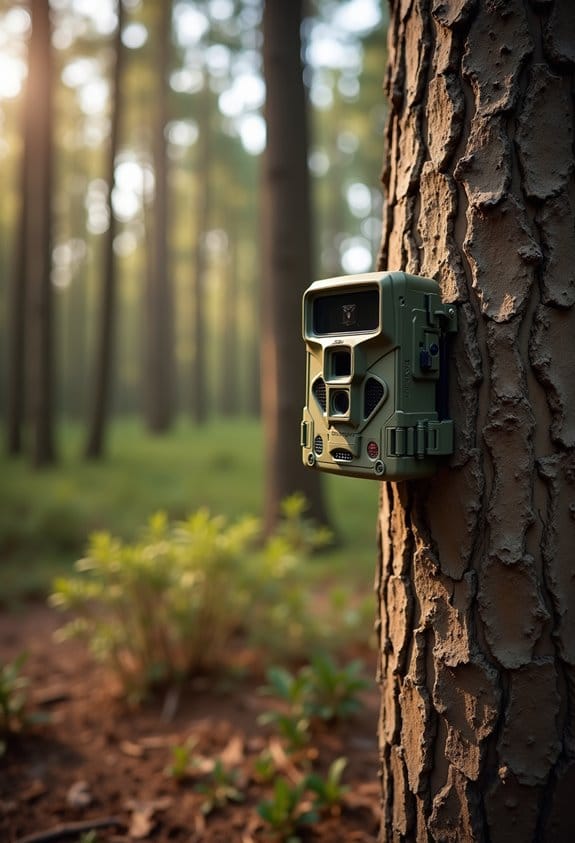
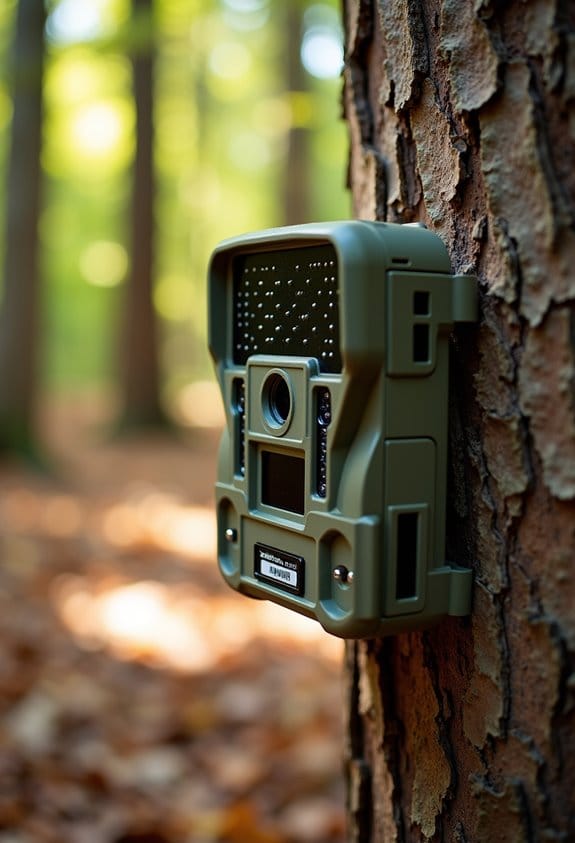
Trail cameras are generally compact and easy to use. You can set them up in your yard or favorite hiking spot, and they will automatically snap photos when they detect movement. They’re perfect for hunters or anyone who enjoys observing wildlife without disturbing them. For instance, you might set up a trail camera near a feeding area to see what animals visit at night.
On the flip side, camera traps are a bit more high-tech. They usually come with larger cameras and require a bit more hands-on setup. These are often used in research to track animal behavior and can capture much higher quality images. You might see them used by wildlife biologists studying animal migration patterns, where they get to set up the camera in a specific habitat for detailed observation.
Both trail cameras and camera traps are great for observing wildlife discreetly, but they really serve different purposes. If you’re looking for something easy and fun for personal use, trail cameras are the way to go. But if you’re aiming for a more scientific approach, camera traps are the tool to consider. It’s fascinating how these tools let us peek into the lives of animals! Modern trail cameras often feature advanced night vision technologies that allow clear captures even in complete darkness.
Key Features of Trail Cameras vs. Camera Traps

Hey there! So, if you’re looking to explore wildlife observation, understanding the key features of trail cameras and camera traps is super important. Think of trail cameras as your go-to buddy for quick and easy wildlife captures. They’re compact and user-friendly, making them perfect for beginners. Plus, they come with motion sensors that snap photos automatically when they detect movement. Just keep in mind that their image quality might be a bit lower compared to more advanced options.
Now, let’s chat about camera traps. These are a bit more sophisticated, often utilizing DSLRs that deliver really high-quality images. However, they do require some manual setup and a bit of photography know-how. For instance, if you want to capture nighttime scenes, you can set up off-camera lighting to get those details you might miss with a trail camera. Many newer models even include rapid trigger speed features to capture fast-moving wildlife more effectively.
Recommended Products

8 Long Range IR Cameras L Series. This camera has a low glow IR flash, 100 ft. detection range and uses 4D batteries.
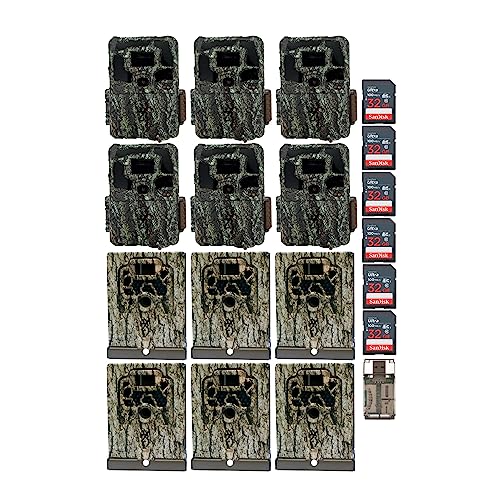
Bundle Includes: 6 x Browning Trail Cameras Dark Ops Pro X Wildlife Motion-Activated Camera Browning Trail Camera, 6 x Security Box, 6 x 32GB Memory Card (100MB/s), and High-Speed Card Reader

[Crystal Clear Capture, Day or Night] Capture 8MP high resolution photos and 60-second HD videos with sound, ensuring every rustle or movement in the wild is recorded in high detail. Whether you're hunting, scouting wildlife, or monitoring remote property, media is sent directly to your phone through the Spartan Camera Management App anytime, anywhere.
The Advantages of Trail Cameras for Wildlife Monitoring

Hey there! If you’re curious about monitoring wildlife, trail cameras are a fantastic tool to consider. They’re super simple to use, which makes them perfect for anyone just starting out in wildlife observation. Let me share some of the benefits that make these cameras stand out.
First off, trail cameras come with passive infrared sensors that quickly detect motion. This means that the moment an animal walks by, the camera snaps a picture or starts recording video—no need for you to be there! Imagine capturing a family of deer grazing at dusk without disturbing them. It’s a great way to observe their natural behavior.
Another cool feature is their long battery life. Many of these cameras can run for weeks or even months, so you don’t have to keep checking in. You can set it up in your backyard or a favorite hiking trail and come back later to check out all the wildlife activity—like seeing raccoons rummaging through a campsite at night.
Speaking of nighttime, trail cameras often come equipped with infrared lighting. This means they can capture clear images in low-light conditions, so you can see what’s happening after the sun goes down, like those sneaky nocturnal critters like owls or foxes.
And don’t worry about breaking the bank. There are plenty of budget-friendly options out there, allowing you to get involved in wildlife monitoring without spending a fortune. Plus, using durable trail camera mounts ensures your equipment stays securely positioned in the field.
So, if you’re ready to observe nature in action, trail cameras are definitely worth exploring! What kinds of wildlife are you hoping to catch on camera?
Recommended Products

INCLUDES Sixteen Tactacam Reveal Ultra Cellular Trail Cameras, and Sixteen 32GB Lexar SD Cards by Trail Cams Galore, a Trademarked Brand. The Tactacam Reveal Ultra is highly adaptable. It can be paired with optional accessories such as solar panels for extended battery life, and it is designed to work on multiple cellular networks, giving you flexibility in choosing your cellular provider.

10 Long Range IR Cameras L Series. This camera has a low glow IR flash, 100 ft. detection range and uses 4D batteries.

1 Cuddelink Home LLC-H Cellular Camera Powered by Verizon or AT&T. This camera connects all cameras in the system. The Camera sends the pictures to the user via e-mail or text.
Benefits and Limitations of Camera Traps for Ecological Research
Hey there! Have you ever heard of camera traps? They’re pretty amazing tools for ecological research. These nifty devices help us observe wildlife in their natural habitats without disturbing them at all. They work by using passive infrared sensors that pick up heat, allowing us to capture images of different species as they go about their daily lives.
One of the coolest things about camera traps is that they’re non-intrusive. This means we can see how animals behave in the wild, which helps us understand their habits better. Plus, they can stay out in the field for long periods—sometimes months—which lets researchers gather a ton of valuable information about populations and behaviors over time. For instance, a study of deer populations might reveal their movement patterns during different seasons.
However, camera traps aren’t without their downsides. For starters, they have a narrow field of view, which means they might miss some interactions happening just outside their range. Also, setting them up can be quite tricky; you have to position them just right to capture the action. Plus, once they start rolling, researchers can end up with thousands of images and videos, which can be a bit overwhelming to sort through.
Despite these challenges, camera traps are invaluable for understanding wildlife dynamics and conservation. They give us a unique glimpse into animal life that we wouldn’t get otherwise. So, if you’re curious to learn more about what we discover through these devices, let me know! Effective use of 360° adjustability in mounting adapters greatly enhances optimal camera positioning and image capture.
Recommended Products


True 4K Ultra HD Smart Bird Feeder with Camera- Experience bird watching like never before with smooth,true 4K ultra-high-definition live view at 30fps. The camera captures detailed 8MP HDR photos and videos in both daylight and low light, while portrait-orientation technology helps you see delicate feather textures and natural colors more clearly

Factors to Consider When Choosing Between Trail Cameras and Camera Traps
When you’re trying to decide between trail cameras and camera traps, it’s worth taking a moment to think about what you really want out of the device. Are you looking for something simple and quick to use, or are you ready to tackle something a bit more complex for serious research?
For instance, if you’re just getting started, trail cameras are a solid choice because they’re pretty user-friendly. You can set them up quickly and capture those candid moments of wildlife without too much hassle. On the other hand, camera traps often have more advanced features, but that means they can also require a bit of technical know-how and time to configure properly. So, if you’re a casual observer or just hoping to spot some deer during hunting season, trail cameras might be your best bet.
Durability is another factor to think about. Trail cameras are built to brave the elements, which makes them pretty dependable in various weather conditions. You just set them up, and they’re good to go. Camera traps, while they can be incredibly effective, do require more careful placement to avoid environmental challenges, like being too exposed to rain or direct sunlight.
Battery life is something else to consider. Trail cameras may need their batteries swapped out fairly regularly, depending on how often you’re using them and how many videos or photos they’re capturing. However, camera traps generally boast longer battery life, but they might drain faster with heavy usage, especially if you’re trying to snap high-quality images at every little movement. Many modern devices also include low data mode features that can help extend battery life and reduce data consumption during use, which is especially beneficial for long-term outdoor monitoring.
Recommended Products

1 L Home Model LC-H and can be powered by Verizon or AT&T. This unit connects all cameras in the system. The unit sends the pictures to the user via e-mail or the Cuddeback App.

36MP Photos and 1080p Videos with Sound: Capture clear images and videos day or night with a 100' flash and detection range.

4 Long Range IR Cameras L Series. These cameras have a low glow IR flash, 100 ft. detection range and use 4D batteries.
When to Use Game Cams, Trail Cameras, and Camera Traps?
Choosing the right gear for wildlife observation can be a bit tricky, especially when it comes to game cams and trail cameras. But don’t worry, I’m here to help clarify things! Game cams and trail cameras are basically the same thing, and they’re perfect for newbies. You can just set them up with little fuss, making them a fantastic option for straightforward wildlife watching. For example, you might use one in your backyard to catch a glimpse of deer passing by at dawn.
Now, when you think about trail cameras, they really shine in spots where you know animals frequent. Think of placing one along a game trail. You simply let it capture all the action, showing you who’s around and when.
On the other hand, camera traps are a step up in terms of complexity, but they’re worth it if you want amazing images. These are often used by researchers and wildlife photographers to study animals in detail. If you’re looking to monitor specific behaviors, like a mother bear feeding her cubs over a few weeks, a camera trap would be a solid choice.
The key takeaway? Reflect on what you want to achieve and the setting where you’ll be placing your camera. Each type serves different needs, so choose one that lines up with your goals. Ready to explore what these cameras can help you discover in the wild? Let’s dive into some specific features you should look out for! For enhanced results, consider cameras with a fast trigger speed to capture quick wildlife movements more effectively.
Recommended Products

6 Long Range IR Cameras L Series Item LL-2A. Cuddelink infrared camera with low glow LEDs for long range and excellent image quality.

Bundle Includes: 10 x Stealth Cam Fusion MAX 2.0 36MP Cellular Wireless Trail Camera with Built-In GPS, 10 x SanDisk 32GB Ultra SDHC UHS-I Memory Card (100MB/s) and 1 x Focus All-In-One High Speed Card Reader

Bundle Includes: 6x Browning Trail Camera - Strike Force FHDR 40MP Trail Camera, 6x 32GB Ultra SDHC UHS-I Memory Card (100MB/s) and All-In-One High Speed Card Reader.
Frequently Asked Questions
What Is the Difference Between a Trail Camera and a Camera Trap?
Trail cameras, with user-friendly features, capture quick wildlife moments, while camera traps, used for detailed wildlife photography, involve advanced setups for high-quality images. We appreciate how both stimulate our understanding of wildlife behavior.
What Are the Three Main Types of Cameras?
The three main types of cameras we use in wildlife photography are trail cameras, which use motion detection, camera traps for high-quality images, and traditional cameras for video recording. Each serves unique purposes in our adventures.
What Are the Disadvantages of Camera Traps?
When we think about camera traps, their limited detection range can hinder our wildlife observations. Plus, battery life issues and high costs add to the challenges, making them less user-friendly for our adventurous pursuits.
Do Camera Traps Work at Night?
Yes, camera traps do work at night! With infrared technology, we capture animal behavior effectively, allowing us to observe nocturnal activity without disturbing wildlife. Proper setup enhances night vision, ensuring clear images even in darkness.