As an Amazon Associate, we earn from qualifying purchases. Some links on this site are affiliate links at no extra cost to you. Our recommendations are based on thorough research and editorial judgment.


Resolution Myths: Why “More MP” Doesn’t Always Mean Better Evidence

When we talk about megapixels, we often think more is better, but that’s not always true. Here’s what you should know:
- Image Quality: It depends more on sensor size and lens quality.
- Lower Megapixels: They may perform better in low light, capturing clearer images.
- Cropping: High megapixels help when you want to crop photos while keeping details.
You may be interested



Understanding these points is essential for taking great photos. Keep exploring, and you’ll uncover more photography tips soon.
Key Takeaways
- Higher megapixels do not guarantee better image quality; sensor size and lens quality play a more significant role.
- Lower megapixel images can outperform in low-light situations by reducing noise and maintaining clarity.
- A sharp lens is essential; poor lens quality can negate the benefits of a high megapixel count.
- Recent smartphone technology produces outstanding images without relying on high megapixel counts.
- Bumping up the megapixel count increases file sizes, complicating management without necessarily improving output quality.
Megapixels: What You Really Need to Know
Hey there! So, let’s chat about megapixels. You know, those little dots that make up an image? Megapixels tell us how many of those dots are in a picture, but don’t let that number fool you into thinking more is always better. Sure, higher megapixel cameras can capture more detail, but that’s just one piece of the puzzle when it comes to image quality.
For example, if you’re out shooting in a dimly lit café, a camera with fewer megapixels might actually produce clearer images than one with a ton of them. Those extra pixels can sometimes create more noise in low light—definitely something to keep in mind! Plus, if you’re just sharing photos on social media, a camera with 12-16 megapixels is usually more than enough to get crisp, clear images.
And, let’s talk about file sizes. A camera with a high megapixel count will generate larger files, which can get tricky to sort through, especially if you’re not planning to print those stunning landscapes or group shots. So, don’t get caught in the trap of thinking that more megapixels mean better photos—what matters most is how you use them! It’s all about finding the right balance for your photography style and needs.
Also, keep in mind that when selecting a camera, image resolution and storage capacity play crucial roles in ensuring your photos and videos are managed efficiently.
Next time we chat, I can share some tips on how to choose the perfect camera for your adventures!
Recommended Products
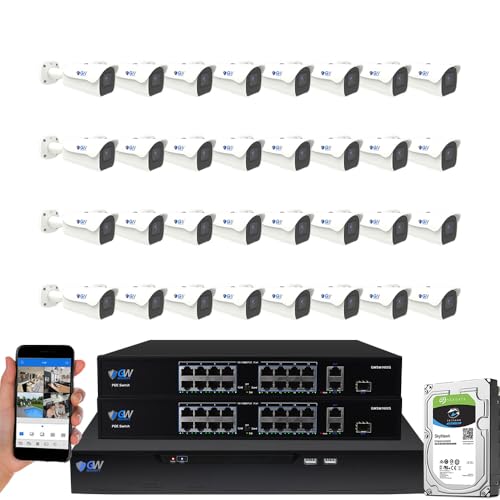
8-Megapixel with 3840x2160 Ultra High Resolution 4K Video & Audio 32 Channel 6K 12MP NVR Security Camera System with (32) 4K (8MP) Weatherproof 2.8-12mm Motorized Zoom H.265+ PoE IP Bullet Camera

Bundle Includes: 1 x Sony Alpha a7S III Mirrorless Digital Camera (Body Only), 1 x Sony FE 24mm f/1.4 GM Lens, 1 x Lilliput A7S 7" Full HD Monitor, 1 x Sony MDR-7506 Headphones, 1 x Audio-Technica PRO 24-CM Stereo Condenser Microphone, 2 x SanDisk SecureDigital 64GB Extreme PRO Memory Card, 3 x NP-FZ100 Rechargeable Battery, 1 x Corel Photo Software With PhotoMirage, AfterShot, Painter Essentials, PaintShop Pro, and Video Studio, 1 x Professional Aluminum Tripod and more...

Bundle Includes: 1 x Sony Alpha a7S III Mirrorless Digital Camera (Body Only), 1 x Sony FE 24-70mm f/2.8 GM Lens, 1 x SanDisk SecureDigital 64GB Extreme PRO Memory Card, 2 x NP-FZ100 Rechargeable Battery, 1 x Corel Photo Software With PhotoMirage, AfterShot, Painter Essentials, PaintShop Pro, and Video Studio, 1 x Large Padded Case, 1 x NP-FZ100 charger, 1 x Memory Card Reader, 1 x Mini Portable LED Video Light , 1 x 3 Piece Filter Kit UV/CPL/F 82MM, 1 x Micro HDMI Cable and more...
Key Factors That Affect Image Quality
When it comes to understanding image quality, it’s easy to get wrapped up in megapixels. But the truth is, several key factors truly shape how a photo turns out. It’s like having a great recipe; you need all the right ingredients for that perfect dish!
First off, let’s talk about the camera sensor. A quality sensor can make a huge difference; even a camera with lower megapixels can produce stunning images if the sensor is up to par. Think of it like a good chef with just a few tools—they can still create a masterpiece!
Then, there’s lens quality. A sharp lens can capture fine details that make your images pop. For instance, you could have a camera with high megapixels, but if the lens isn’t great, you might end up with soft, blurry images instead of crystal-clear shots.
We can’t forget about lighting, too. Good lighting can elevate your images dramatically. Whether it’s the golden hour just after sunrise or a soft, diffused light on a cloudy day, the right lighting can transform a simple shot into something breathtaking.
Lastly, consider your shooting parameters. Things like shutter speed and ISO play a huge role in how clear your image is. Using a high ISO can cause noise, which is basically unwanted graininess that distracts from your subject.
Additionally, having high-quality IR LED technology can significantly improve nighttime image clarity by providing invisible illumination without disturbing the wildlife.
Recommended Products

IN THE BOX: 1 x SiOnyx Aurora Pro Explorer Edition (SiОnух Aurora Pro Night Vision Camera, 940nm IR Illuminator, rechargeable batteries for both the camera and the IR Illuminator, 32GB microSD card + Reader and SD Card Box, USB charger and it's all packed neatly in a watertight hardshell case); 1 x Hat

Overview: This PoE camera system includes a 32-channel 4K PoE NVR with a pre-installed 8TB HDD and 20× 8MP IP PoE cameras built-in microphone. Each camera features a 2.8mm lens with 110° wide-angle viewing, a sturdy metal housing, and IP67-rated weatherproofing for reliable indoor/outdoor deployment

【10.1" Touchscreen Truck GPS Navigator 】10" high-resolution truck/trailer gps navigator with built-in dash cam, and built-in GPS Navigation,Provide 2D / 3D map view mode, free lifetime map, free upgrades for 3 years (coverage of the U.S., Mexico, Canada).Special Feature:Bluetooth,WiFi.
When Higher Megapixels Matter Most
Hey there! So, let’s chat about megapixels in photography. Higher megapixels can make a big difference in what you can do with your pictures, especially in a few key scenarios. For instance, if you’re into wildlife photography, having that extra megapixel power means you can crop your images significantly. Imagine you spot a rare bird far away; with higher resolution, you can zoom in on it while still keeping all that lovely detail sharp!
Now, if you’re planning to print your photos, say for a gallery or a large canvas, higher megapixels bring the clarity and sharpness you need. Think about it: a low-resolution image can turn pixelated and blurry when blown up. Also, if you’re capturing fine details, like in architecture or macro shots of bugs, those extra megapixels help reveal textures and details you might miss with a lower count.
And with screens getting more high-res every year, you want your images to look fantastic on digital displays, right? Higher megapixels ensure that crisp, clear look we all want to see. Plus, starting with a high-resolution image gives you more flexibility in post-processing—like cropping or enhancing without sacrificing quality.
In short, when it comes to photography, higher megapixels can truly elevate your images. It’s all about what you plan to do with those photos! Speaking of which, let’s talk about how shutter speed and lighting conditions can also play a crucial role in your photography success. Additionally, cameras with superior low-light performance can significantly enhance image quality during nighttime or low-visibility conditions.
Recommended Products

Sony’s extensive high-performance G Master line work with the 50.1 megapixel*1 Exmor RS image sensor and BIONZ XR image processing engine to create deep, lifelike, high-resolution rendering. The sensor’s high pixel count means that resolution is still a very impressive 21 megapixels (approx.) when shooting in APS-C mode or cropping to APS-C size after shooting.
Sony’s extensive high-performance G Master line work with the 50.1 megapixel*1 Exmor RS image sensor and BIONZ XR image processing engine to create deep, lifelike, high-resolution rendering. The sensor’s high pixel count means that resolution is still a very impressive 21 megapixels (approx.) when shooting in APS-C mode or cropping to APS-C size after shooting.
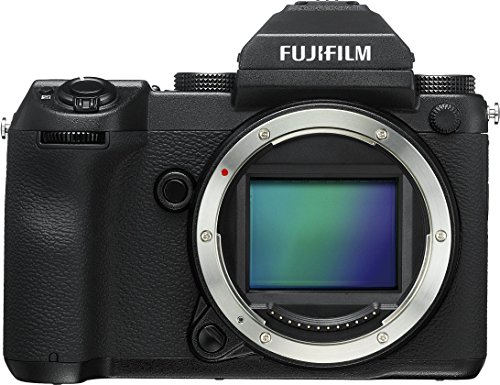
43.8mm x 32.9mm, 51.4 MP CMOS sensor, boasting Approx. 1.7x the area of full frame sensors + x processor Pro
Why Low Light Performance Matters in Photography
You know, taking great photos in bright sunlight might seem like a walk in the park, but the real challenge hits when you step into low light situations. Low light performance in photography is crucial because it helps you capture those clear and detailed images when natural light is hard to come by. For instance, if you’re at a wedding reception with dim lighting, having a camera with excellent low light performance can save those special moments without a flash ruining the cozy atmosphere.
One of the impressive features nowadays is how cameras can handle high ISO settings, sometimes going as high as 25,600. This means you can shoot in darker environments without sacrificing image quality. Plus, a camera that excels in low light will produce noise-free images, which is a game changer for night photography. Think about capturing cityscapes at night or enjoying a concert; having that clarity helps make your photos stand out.
Similarly, in wildlife photography, especially with cellular deer cameras, low-glow infrared technology enhances night vision capabilities without disturbing the animals.
Recommended Products

Super-telephoto, 600mm Lens with Wide f/4 Maximum Aperture, Exclusively for EOS R-series cameras.

World’s lightest1 600mm super-telephoto full frame wide-aperture F4 lens
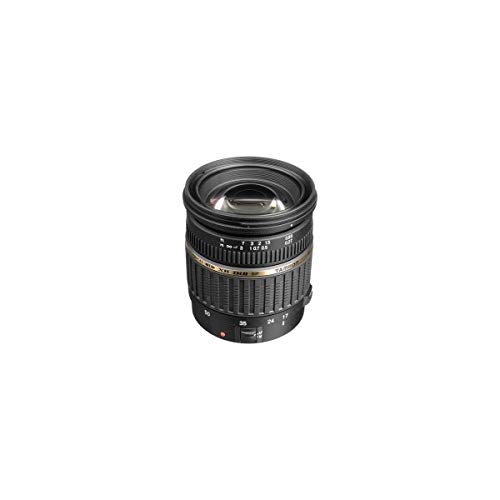
Construction: 13 Groups/ 16 Elements Diaphragm: 7 blades
Debunking Myths About Megapixels and Photography Requirements
Hey there! You know, when you start exploring photography, you hear a lot about megapixels. While having a high megapixel count definitely sounds impressive, it’s not the only thing that matters in capturing great images.
First off, let’s talk about image quality. It’s actually more about the sensor size and the quality of your lens than just how many pixels you have. For instance, a camera with fewer megapixels but a larger sensor and a fantastic lens can often outperform one with a higher pixel count that has a cheaper lens.
Then there’s cropping. Sure, having a camera with high megapixels gives you the flexibility to crop your images without losing too much detail. But if you’re just posting on social media or making small prints, a lower megapixel camera can more than do the job.
Also, keep in mind that more pixels don’t automatically mean better photos. You can have all the pixels in the world, but if your lens isn’t sharp or your image processing isn’t on point, you won’t get great results. For example, even smartphones now deliver stunning images without a sky-high megapixel count, thanks to improved technology.
Moreover, aspects like infrared illumination angle greatly impact the quality and usability of trail camera images, especially in low-light conditions.
Recommended Products


Bundle Includes: Browning Defender Pro Scout Max Extreme HD Cellular Trail Camera with GPS Images and Smart IR Video, 32GB Ultra SDHC UHS-I Memory Card (100MB/s), and All-In-One High Speed Card Reader

[Crystal Clear Capture, Day or Night] Capture 8MP high resolution photos and 60-second HD videos with sound, ensuring every rustle or movement in the wild is recorded in high detail. Whether you're hunting, scouting wildlife, or monitoring remote property, media is sent directly to your phone through the Spartan Camera Management App anytime, anywhere.
Frequently Asked Questions
Do Higher Megapixels Mean Better Quality?
Higher megapixels don’t always mean better quality. We must consider image clarity, color depth, and noise levels. Lens quality and sensor size also impact results, affecting printing size and image compression.
Why Is 12MP Better Than 48MP?
We believe 12MP can outperform 48MP because its larger sensor size enhances low light performance, minimizes image noise, and optimizes dynamic range, while lens quality and post-processing impact remain more critical than sheer file size.
What Are the Disadvantages of High Resolution Images?
When we consider high-resolution images, we often overlook their downsides. They can lead to increased file sizes, storage requirements, image noise, and demand stronger processing power, potentially compromising color accuracy and exceeding printing limits despite lens quality.
What Is the Difference Between Resolution and MP?
Resolution refers to image clarity and pixel density, while megapixels indicate total pixels. Lens quality, sensor size, color depth, and noise management impact overall image quality, influencing print size and clarity beyond just MP count.