As an Amazon Associate, we earn from qualifying purchases. Some links on this site are affiliate links at no extra cost to you. Our recommendations are based on thorough research and editorial judgment.


Biosecurity Basics: Cleaning Gear Between Locations to Reduce Spread

When cleaning gear between locations, we must follow key biosecurity practices to stop harmful germs from spreading. Start by removing dirt and debris first. Then, use specific cleaning solutions recommended for your gear. Rinse it with hot water for better germ elimination. It’s also important to keep dedicated cleaning areas to avoid cross-contamination. Regular staff training helps maintain these practices. By staying consistent, we can reduce the risk of contamination effectively. Let’s explore more tips to enhance our cleaning methods.
Key Takeaways
- Always clean gear thoroughly before disinfecting to maximize germ-killing efficacy and prevent cross-contamination between locations.
- Set up dedicated cleaning stations at each location to streamline cleaning processes and enhance organization.
- Utilize portable cleaning equipment to ensure effective cleaning even in remote or varying locations.
- Conduct regular staff training on biosecurity protocols to maintain consistent and effective cleaning practices across all sites.
- Keep detailed logs of cleaning activities to ensure compliance with biosecurity measures and track the effectiveness of cleaning routines.
How to Clean Gear Effectively for Biosecurity

You may be interested


When it comes to working with livestock, cleaning your gear effectively is super important for keeping everyone safe from disease. You really want to make sure that whatever equipment you’re using—whether it’s a pitchfork or your boots—is disinfected before you move to a different location. Here’s a simple way to tackle it.
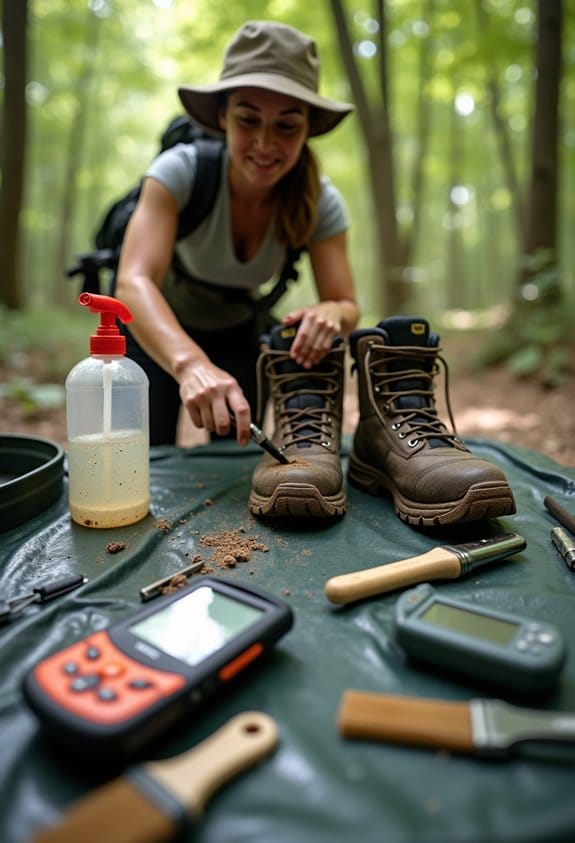
First off, start by removing any organic matter. That means getting rid of dirt and debris—think of it like shaking off the crumbs before vacuuming your carpet! After that, use cleaning solutions that are recommended for your specific gear. For instance, if you’re cleaning milking equipment, look for cleaners specifically designed for that purpose.
Next, give everything a rinse with hot water. This step is crucial because hot water helps to kill germs and gets your disinfectant working more effectively. Setting up a designated cleaning station can also make the process smoother. Having all your supplies in one place—like brushes, buckets, and your cleaning solutions—saves you time and helps you stay organized.
Don’t forget to wear your personal protective equipment (PPE)! Gloves and masks are key to keeping yourself safe while you work. Lastly, keeping a written biosecurity log to track your cleaning and disinfecting procedures is really useful. It helps ensure you’re not missing any steps that could spread disease.
Implementing these practices will not only keep your animals safe but also help you feel confident about your efforts in maintaining a clean environment. It’s all about being proactive with biosecurity to safeguard your livestock and your health! Additionally, using durable and weatherproof gear rated for IP65/IP66 protection ensures your equipment lasts through tough farm conditions.
Best Biosecurity Practices for Cleaning and Disinfecting Gear

Hey there! If you want to keep your livestock in tip-top shape, following the best biosecurity practices for cleaning and disinfecting gear is crucial. It might sound a bit daunting, but I promise it’s pretty straightforward.
First things first—always clean before you disinfect. Imagine you’re trying to wipe a dirty window; if you don’t clear off the grime first, the cleaner won’t do its job as well. So, grab a brush or a sponge and remove any organic material from your gear before reaching for the disinfectant. For instance, if you’re cleaning feeding troughs, scrub them down to get rid of any leftover feed, feces, or dirt.
Next, think about your disinfectants. It’s like rotating your laundry—don’t keep using the same soap all the time! Switching up your disinfectant solutions regularly can really help in preventing germs from becoming resistant. Make sure to read the manufacturer’s instructions too, because hot water rinsing can really boost how well your cleaning does.
Also, keeping a log of your cleaning activities is super helpful. Jot down when you clean and what steps you took; it makes tracking your efforts easier and ensures you’re following biosecurity protocols. And don’t forget about cross-contamination! Use disposable covers on your gear and set up dedicated cleaning stations to keep everything organized and germ-free.
Using mounts made from weather-resistant materials for your equipment can also reduce the risk of contamination by minimizing wear and tear during outdoor use.
Training Staff on Biosecurity Protocols
Hey there! Let’s chat about biosecurity training—why it’s crucial for keeping a farm healthy. Imagine a strong fence around a garden, keeping out pests; that’s what a solid biosecurity plan does for us. Regular staff training is key to making sure everyone knows how to prevent the spread of diseases that could harm our animals and crops.
To make this effective, we can hold regular training sessions. This keeps everyone in the loop about the latest biosecurity practices. For example, we could set up hands-on demonstrations where staff learn proper techniques for cleaning and disinfecting equipment and footwear—an essential step for minimizing risks. It’s one thing to read about it; seeing it in action makes a big difference.
We also need clear guidelines. Providing written instructions and eye-catching signage can really help remind everyone about personal hygiene and cleanliness on the farm. When new employees come on board, we should integrate biosecurity training right from day one. This way, they understand how important it is to keep our operations running smoothly.
Finally, assessing compliance is vital. By regularly checking in to see how everyone is doing, we can identify areas that need a little extra focus. Offering refresher courses can reinforce that accountability, ensuring everyone is on the same page. With this solid biosecurity training in place, we’re really setting ourselves up for success! What do you think we should cover next?
Additionally, using technology such as remote monitoring can help oversee compliance with biosecurity protocols more effectively.
Common Challenges in Cleaning Gear Across Locations
Cleaning gear between different locations can be quite a tricky challenge when it comes to biosecurity. If we don’t do a proper job cleaning our equipment, we run the risk of spreading infectious diseases—something we definitely want to avoid!
One of the biggest hurdles we encounter is the lack of designated cleaning stations. Imagine trying to clean a muddy pair of boots without a proper setup—it’s tough! If there’s no dedicated area for cleaning, gear often ends up not getting the disinfection it really needs.
Then, there’s the pressure of time, especially during peak seasons. With so much going on, we might be tempted to skip thorough cleaning, which can lead to a higher potential for diseases to spread. It’s like deciding to skip washing your hands before dinner because you’re in a rush—sometimes it just takes that little extra effort to keep things safe.
Another challenge is inconsistent training among staff. Not everyone has the same level of knowledge about biosecurity practices, which can lead to uneven cleaning methods. For instance, one team might diligently scrub every piece of equipment, while another might overlook important spots. That’s why having clear and consistent training is essential.
One solution to these challenges is to invest in portable cleaning equipment, like pressure washers and disinfectant sprays. These make it easier to effectively clean gear on the go. By having these tools available, we can ensure better cleaning practices no matter where we are.
In addition, utilizing remote monitoring tools with low data mode can help ensure timely alerts and efficient management of cleaning stations and protocols.
Creating a Consistent Routine for Gear Maintenance
Hey there! Let’s chat about something super important—maintaining our gear. You know, having a consistent routine really helps keep everything clean and safe. Think about how often our tools come into contact with livestock; it’s crucial to prevent any potential illness from spreading.
First off, setting specific cleaning times can really make a difference. For example, if you clean your gear after every site visit, you’ll minimize the chance of bringing anything harmful from one location to another. It’s like having a mini ritual after each use.
Next, having dedicated cleaning areas is a real game plan. Load up a spot with all the essentials—soap, disinfectants, and plenty of water. This keeps everything organized and makes it easy to jump into cleaning mode right where you need to be.
Also, always remember to remove any organic material before you start disinfecting. It’s all about maximizing the effectiveness of those cleaners. Just think of it this way: if you leave bits of dirt or debris behind, the disinfectant won’t work as well.
Don’t forget to inspect your equipment regularly! Keeping an eye out for any wear and tear helps ensure that everything remains functioning and clean. You can also start a simple log to track when you clean and maintain your gear. Trust me, it saves you from wondering when the last time was.
Lastly, make sure everyone involved knows the routine. A quick training session can go a long way in reinforcing the importance of biosecurity practices. When the whole team understands why these steps matter, it builds a stronger safety net.
Additionally, using energy-efficient technology in devices like monitoring cameras can help make outdoor biosecurity management more sustainable and reduce maintenance time.
And there you have it! By following these routines, you’re setting a solid foundation for healthy livestock management. What’s next on your mind?
Frequently Asked Questions
What Are the Three Biosecurity Practices?
Did you know that over 75% of emerging infectious diseases stem from wildlife? We practice three main biosecurity measures: equipment sanitation, visitor screening, and disease monitoring, ensuring effective preventive measures, transport protocols, and wildlife control against pathogens.
How Do You Clean Surfaces to Prevent Infection?
To clean surfaces effectively, we use surface disinfection techniques and effective cleaning solutions on high touch areas. We also establish cleaning schedules, train staff, and follow contamination prevention methods while adhering to environmental safety standards.
What Are the Three Levels of Cleaning That Take Place in Healthcare Facilities to Prevent the Spread of Pathogens?
In healthcare facilities, we use three levels of cleaning: cleaning, disinfection, and sterilization. These infection control measures reduce pathogen transmission risks, enhance healthcare facility hygiene, and improve surface disinfectant effectiveness while minimizing cross-contamination risks.
What Is the Line of Separation in Biosecurity?
The line of separation in biosecurity measures helps us control pathogen transmission. By establishing clear boundaries, we enhance infection prevention, enforce cleaning protocols, and conduct thorough risk assessments to uphold environmental control on our farms.