As an Amazon Associate, we earn from qualifying purchases. Some links on this site are affiliate links at no extra cost to you. Our recommendations are based on thorough research and editorial judgment.


Off-Season Storage: Keeping Batteries and Seals Healthy

To keep batteries and seals healthy during off-season storage, we should follow a few key steps. First, charge batteries to about 40-70% to avoid deep discharge damage. Store them in a cool, dry place, ideally between 35°F and 77°F. Check for leaks and clean terminals to reduce corrosion. Also, disconnect batteries from devices to prevent unnecessary drain. By monitoring storage conditions, you’ll enhance battery life. Next, let’s explore common mistakes we should avoid for best results.
Key Takeaways
- Store batteries charged between 40-70% to enhance lifespan and avoid deep discharge damage during off-seasons.
- Monitor and maintain ideal temperature (35°F – 77°F) and humidity (30% – 50%) levels to prevent corrosion and damage.
- Inspect battery seals for cracks and maintain their integrity to protect batteries from moisture and environmental damage.
- Clean battery terminals regularly to prevent corrosion and maintain optimal performance; use a soft cloth without chemical cleaners.
- Use non-conductive, fireproof containers for storage, and elevate batteries off the ground to avoid dampness.
Why Proper Off-Season Storage Matters for Batteries

You may be interested



Hey there! When it comes to off-season battery storage, you might be surprised at just how important proper care really is. Keeping your batteries charged between 40-70% can make a huge difference. It’s like keeping your car in good shape; if the battery runs too low, it can really impact its lifespan.
So, what’s the best way to store batteries? First off, find a temperature-controlled space where you can keep them between 35°F and 77°F. Think about it—just like we don’t like extreme heat or cold, batteries don’t either! You’d also want to peek at them every now and then. Check for any signs of damage, leakage, or swelling; these could signal that something’s not right.
Don’t forget about those battery terminals! Cleaning them can stop corrosion from building up and prevent any accidental discharges. And hey, if you have a trickle charger lying around, it could be worth using; it helps keep that charge right where you want it. For extended storage, selecting batteries with solar power options can also help maintain charge and longevity.
The Importance of Charging Batteries Before Storing
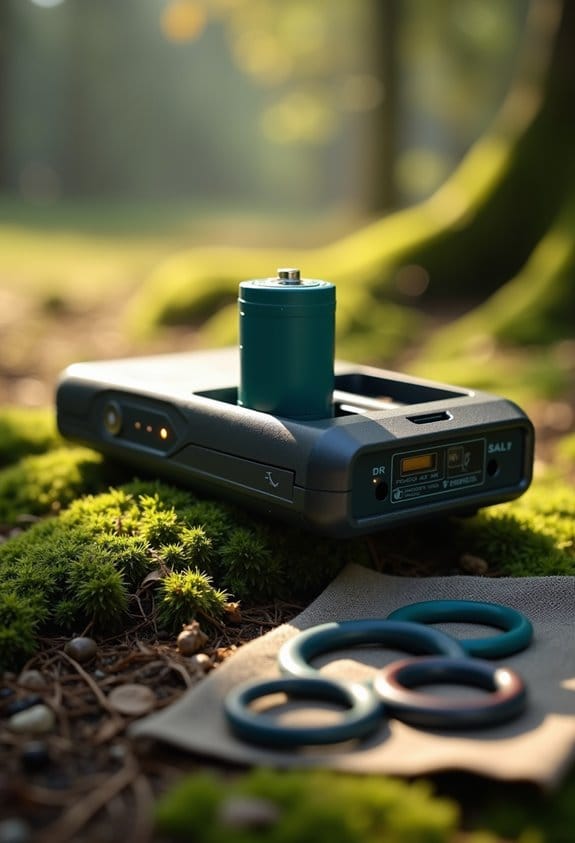
Hey there! You know, charging batteries before storing them is super important if you want to keep them in good shape for when you need them later. Let me break it down for you: when you fully charge a battery, it helps avoid deep discharge, which can actually do some serious damage and render it useless over time.
Think about it this way: batteries naturally lose some charge even when they’re not being used. So, if you stash away a battery that’s not fully charged, you might find it dead when you pull it out later. Ideally, you want to keep that charge level around 50-60% while it’s in storage to really give it the best chance of staying healthy.
For instance, if you have a rechargeable battery for your camera, you’d want to give it a solid charge before tucking it away after a trip. And don’t forget to check on it every now and then to make sure that charge is still there. Trust me, a little bit of maintenance goes a long way in extending the life of your batteries, so they’ll be ready to go when you are!
Alright, speaking of battery care, have you ever wondered about how temperature affects battery life during storage? Keeping batteries at a moderate temperature is crucial since extreme cold or heat can degrade their performance and shorten their overall lifespan, especially with lithium-ion batteries.
Key Battery Storage Mistakes to Avoid for Longevity

If you want to keep your batteries lasting longer, it’s crucial to avoid some common storage mistakes that many people overlook. For instance, keeping your batteries fully charged or completely drained isn’t great for them. A sweet spot to aim for is around 50 to 60 percent charge. Think of it like a gas tank; you wouldn’t want to run it on empty or always fill it to the brim, right?
Another tip is to keep those battery terminals and casings clean. Regularly wiping them down can help reduce self-discharge rates, which is just a fancy way of saying your batteries will hold their charge better when they’re clean. If you notice any white chalky buildup on the terminals, it’s a sign that a clean-up is overdue!
Also, remember to disconnect your batteries from devices when you’re not using them. Even in idle mode, some devices can create what we call parasitic currents that can drain the battery unnecessarily. If you’re storing your batteries for a while, just take them out to save them from this silent energy thief.
Storing your batteries properly is just as important. Keep them in a climate-controlled environment—ideally between 35 and 77°F (2 to 25°C). Extreme temperatures can really mess with their lifespan. And don’t forget to check the voltage levels every few months to ensure they’re not dipping too low. Consistent maintenance helps prevent deep discharge, which can lead to irreversible damage.
Using high-capacity batteries like those with around 7800mAh capacity can also help ensure longer service between charges and support power-hungry features efficiently.
How to Safely Disconnect Batteries From Equipment
Hey there! If you’re looking to safely disconnect batteries from your equipment, you’re definitely on the right track. It’s super important to keep both your safety and the battery’s health in mind while doing this.
First things first, always ensure the battery is turned off. This little step helps keep the battery’s discharge rate steady, so you won’t have any unexpected power drain while you work. Think of it this way: it’s like putting a cap on a bottle before you start pouring; it just keeps everything contained.
Next up, grab the right tools! You’ll want to use insulated wrenches or pliers when you’re disconnecting the positive and negative terminals. This seriously reduces the risk of electric shocks that can catch you off guard. And, remember, keep any metal objects away from the battery terminals to avoid any short circuits. It’s like keeping your keys away from your heartrate monitor while you’re at the gym – just safer that way!
If your equipment allows for it, removing the battery can be a good idea, especially during off-seasons. This keeps it safe from the elements and helps prolong its life. Don’t forget, it’s always a good idea to consult the manual. Every piece of equipment might have its quirks, so skimming through the instructions can save you a headache later on.
For extended outdoor use, considering solar-powered options can help reduce maintenance by providing sustainable energy sources during storage periods.
Best Environments for Battery Storage
Hey there! So, you’ve learned how to safely disconnect your batteries from your equipment—great job! Now let’s chat about where to store those batteries to keep them in top shape. It’s super important to set them up in the right environment so they stay healthy and ready when you need them.
First off, think about temperature. Ideally, aim for a spot that stays between 35°F and 77°F (or 2°C to 25°C). For example, a basement is usually a good choice because it tends to be cooler than other parts of the house. Then there’s humidity—keeping it between 30% and 50% is ideal to prevent any rust or corrosion. You can use a hygrometer to check the humidity levels if you’re not sure.
Now, location matters too! Choose a cool, dry area that’s away from direct sunlight and heat sources like heaters or radiators. Storing batteries in a closet or a cupboard can work well. And don’t forget about protection; it’s a smart idea to use non-conductive, fireproof containers. This adds an extra layer of safety, especially if you have multiple batteries to store.
Lastly, try to keep your batteries elevated off the ground. This prevents them from getting damp or experiencing drastic temperature changes. For instance, a shelf or a sturdy table works perfectly. Following these simple tips can help ensure your batteries are always in good shape and ready to power up when you need them!
Additionally, understanding your battery’s capacity can help you manage storage charge levels effectively, maintaining battery health over time.
Now, let’s move on to some best practices for checking battery health regularly.
Effective Charging Strategies for Battery Longevity During Storage
You know when you want your batteries to last as long as possible? It’s all about charging them the right way during storage. Starting with a fully charged battery is crucial; this way, it won’t get completely drained and lose its power. For lithium batteries specifically, a good sweet spot is to keep them at around 50-60% charge. Think of it like filling your car’s gas tank—too low and you might run out, too full and it can cause problems.
Another handy tip is to give your batteries some regular TLC. Using a trickle charger every once in a while helps keep their health in check and combats that pesky self-discharge. Generally, just checking the charge levels every 1-3 months can make a big difference. You want to stay within safe limits to keep them performing at their best.
Oh, and don’t overlook temperature! Charging below about 5°C (that’s 40°F) is a no-go. For the best results, keep them in an environment where the temperature is between 0°C (32°F) and 27°C (80°F). This temperature range helps prevent any potential damage to the batteries. With these easy tips, you’ll be on your way to helping your batteries stay in great shape while they’re sitting in storage! Additionally, choosing a trail camera with solar power operation can significantly reduce battery drain during long-term use.
Monitoring Temperature and Humidity in Storage
Keeping an eye on the temperature and humidity in your battery storage area is super important if you want to make sure those batteries last a long time. Think of it like giving your batteries a cozy home—just the right environment can keep them in top shape!
First off, let’s talk about temperature. Ideally, you want it to stay between 35°F and 77°F. Imagine what happens to your food if it sits in extreme heat or cold; batteries can suffer in the same way. For instance, if you store them in a garage that gets too hot in the summer, you could shorten their lifespan.
Now, about humidity—try to keep it between 30% and 50%. When humidity is too high, it can lead to corrosion, especially on the battery terminals. That means you might end up with a dead battery way sooner than expected! A simple solution? Use a hygrometer to check the moisture levels in the air.
Speaking of cold temperatures, if it dips below 32°F, you might slow down battery aging, but be careful! Make sure the battery’s charge doesn’t drop below 20% in those chilly conditions. Otherwise, you could run into trouble when you finally need to use them.
To keep everything in check, grab a thermometer and hygrometer. They’re handy little tools that help you stay informed about your storage conditions. And don’t forget about insulation and ventilation—they’re like a comfy blanket for your batteries, making sure everything stays just right.
In the end, keeping your batteries in the right environment not only extends their life but also enhances their performance. Solar-powered cameras, in particular, benefit greatly from well-maintained battery care to ensure year-round use without interruption. So, make sure to give them the care they deserve! Speaking of care, let’s explore how to handle batteries safely during maintenance.
How to Keep Seals Intact Against Moisture and Cold
When it comes to keeping seals intact against moisture and cold, how you store your batteries really matters. Think of it like giving them a cozy home that protects them from the harsh elements. First off, find a climate-controlled area to store your batteries. This helps prevent moisture from sneaking in and potentially damaging those important seals.
You might also want to toss in some desiccants, like silica gel packets, into your storage containers. They work wonders by soaking up any excess humidity, keeping everything dry and safe. And don’t forget to take a quick look at the seals every now and then. Checking for any cracks or wear ensures they’re still doing their job before you store them away.
Another tip? Always keep your batteries elevated, even just a few inches off the ground, to minimize moisture risks. A small shelf or a sturdy box can work great for this! Lastly, before you tuck your batteries away, make sure they are charged between 40-70%. This balance helps avoid seal degradation, so your batteries are ready to go when you need them again. Keeping these simple steps in mind will really prolong their life and effectiveness. Using materials with weather resistance properties in battery storage solutions can further protect seals from moisture damage. So, now that we’ve covered storage, let’s talk about some common mistakes people make with batteries!
Common Mistakes to Avoid When Storing Batteries
Hey there! Let’s chat about how to store batteries properly. It might seem simple, but there are some common mistakes that can really hurt their lifespan and performance. For starters, make sure you charge your batteries to about 50-60% before putting them away. If you leave them drained for too long, you might have a tough time getting them back in working order.
Next up, don’t forget to clean your batteries before storage. If you notice any dirt or grime on the terminals or casing, give them a quick wipe down. This helps prevent corrosion, which can really mess with their efficiency. Imagine using a battery that’s not performing well because it was sitting dirty for months—frustrating, right?
Always disconnect your batteries from any devices. This simple action helps prevent accidental discharges, which can drain them faster than you think. Plus, it’s super easy to forget about a device that’s still drawing power.
When it comes to the environment, pick a stable spot for storing your batteries. Avoid locations that are too cold or humid, like a damp basement or an unheated garage. Instead, consider a climate-controlled space, like a drawer in your home office.
Finally, make it a habit to check on your stored batteries every so often. Look for signs of trouble like swelling, leaks, or any corrosion. By keeping an eye on them, you’ll ensure they’re in top shape when you need them.
Using durable and weather-resistant storage options can further protect your batteries from environmental damage during extended off-seasons, similar to choosing weatherproof designs for outdoor equipment.
Storing batteries doesn’t have to be complicated, but these little steps can make a huge difference in their performance down the line. Now, let’s talk about how to recycle old batteries safely once you’re done with them.
Preparing for Spring: Getting Your Batteries Ready for Use
Hey there! So, with spring just around the corner, it’s the perfect time to get our batteries ready for all the outdoor fun we have planned. First things first, make sure those batteries are fully charged. It’s a simple step that helps keep them in top shape and ready to perform well.
Next, let’s do a quick visual check. Look for any signs of problems like swelling, leaks, or those pesky corrosion spots on the terminals. If you see any damage, it’s best to set those batteries aside and not use them.
Now, think about how you’re storing your batteries. For lithium-ion batteries, aim to keep them between 40-70% charged. That’s the sweet spot for maintaining their lifespan. For AGM batteries, you want to ensure they’re above 12.4 volts to avoid freezing, especially if you live in cooler areas. A handy tip is to check their voltage using a multimeter to be sure.
Finally, don’t forget to clean your batteries! Give them a gentle wipe to remove any dust or dirt. A clean battery performs much better and doesn’t discharge as quickly. Follow these steps, and you’ll be all set for a fantastic spring recharge! What’s next on your list to get ready for the season?
Also, consider using a high-capacity rechargeable battery to ensure longer usage periods and fewer replacements during your outdoor activities.
Frequently Asked Questions
What Is the Best Way to Store Batteries Over the Winter?
To store batteries over winter, we should keep them at an ideal temperature of 35-77°F, use non-conductive containers, and perform regular battery maintenance to extend their lifespan and guarantee safety during storage.
What Is the 80 20 Rule for Batteries?
The 80/20 rule is essential for battery longevity tips. We should keep our batteries charged between 20% and 80% using ideal charging techniques, considering temperature effects and following proper battery maintenance practices to enhance overall performance.
How to Keep Your Battery From Dying in the Winter?
Like wrapping a warm blanket around our battery, we can use battery maintenance tips and winter charging practices to combat cold weather effects. Implementing preservation techniques guarantees our battery stays healthy and ready for spring’s arrival.
Where to Store Batteries When Not in Use?
We recommend storing batteries in ideal locations that maintain 35°F to 77°F, while controlling humidity between 30-50%. Different battery types require attention, so let’s make sure we safeguard them from temperature effects and potential corrosion.