As an Amazon Associate, we earn from qualifying purchases. Some links on this site are affiliate links at no extra cost to you. Our recommendations are based on thorough research and editorial judgment.

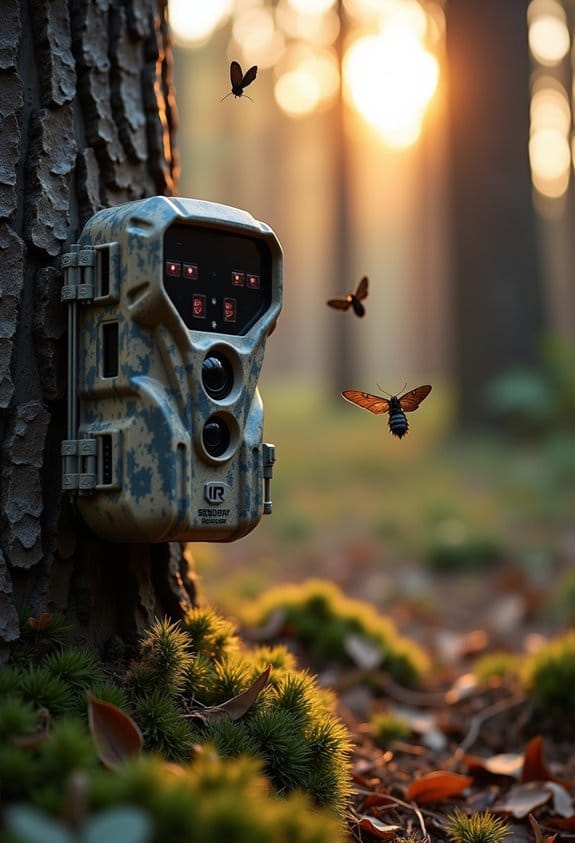
Insects at Night: Why Bugs Swarm IR and What to Do

At night, you’ll notice bugs swarming around night vision cameras because they’re attracted to infrared light. This light acts like a beacon for insects like moths and mosquitoes. Unfortunately, these bugs can cause problems by leaving smudges on footage, making it hard to see clearly. To prevent this, consider using low-light cameras or adjusting nearby outdoor lights. Regular camera maintenance helps too. If you want to discover more effective strategies, keep exploring!
Key Takeaways
- Insects are drawn to night vision cameras due to emitted infrared light and heat signatures, serving as attractive beacons.
- Regular maintenance, including cleaning camera lenses, is essential to prevent clarity issues caused by insect residue.
- Installing bug zappers nearby helps reduce the number of insects attracted to the cameras.
- Positioning outdoor lights away from cameras minimizes insect attraction and improves camera effectiveness.
- Opt for night vision cameras with low-light technology or softer light emissions to reduce insect swarming.
Why Bugs Are Drawn to Night Vision Cameras?
You may be interested


When you think about night vision cameras, you probably picture their awesome capability to see in the dark. But have you ever wondered why insects seem so fascinated by them? It’s pretty intriguing!
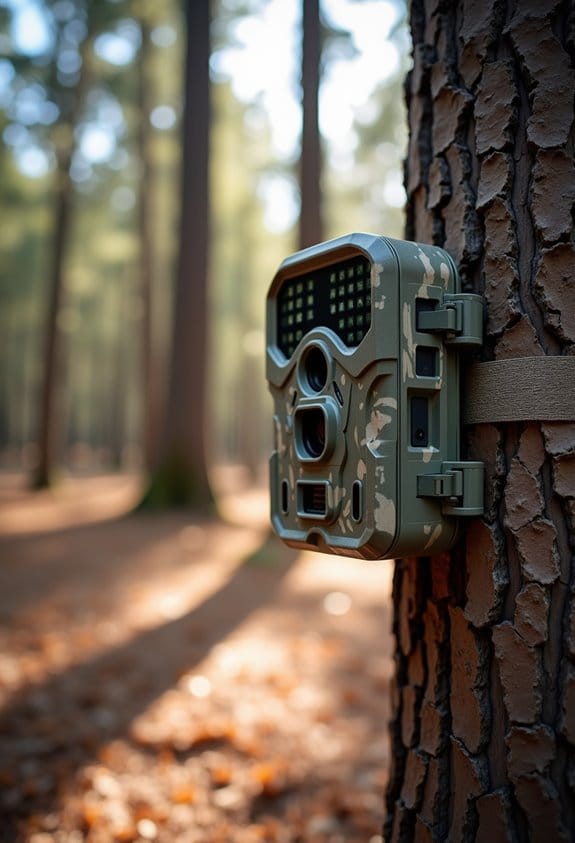
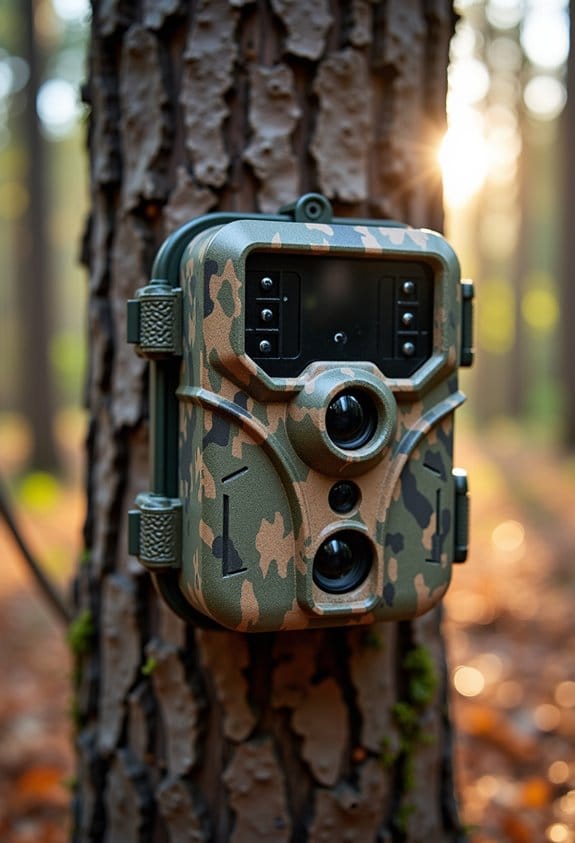
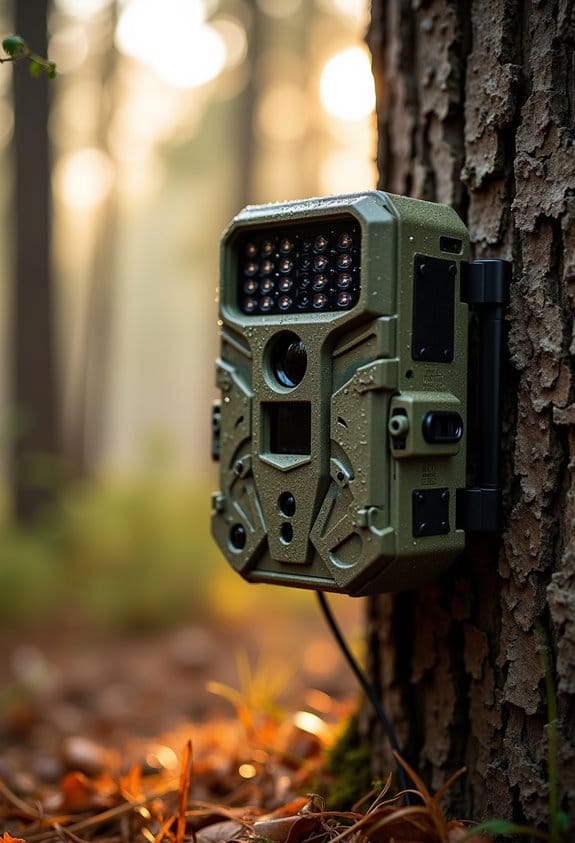
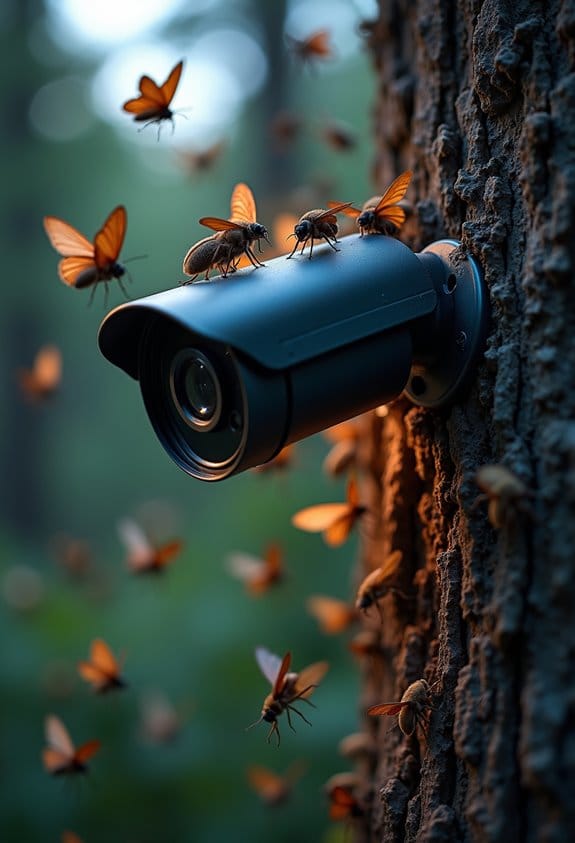
Insects are attracted to night vision cameras mainly because of the infrared light they emit. This infrared (IR) light acts like a beacon for many flying bugs, especially moths and mosquitoes. For example, if you’ve ever set up a night vision camera outside, you might have noticed that it attracts all sorts of moths fluttering around it, drawn in by the invisible light.
Another reason bugs flock to these cameras is the heat they produce. Many insects have special heat-sensing organs that help them locate warm spots, and yes, those cameras give off some heat. Plus, if you have a model with visible red lights, that can make things even more enticing for bugs, pulling them in like a moth to a flame.
When these insects get too close, they often appear as bright white blurs on the footage. It’s fascinating to see how they reflect light back into the camera! Of course, environmental conditions matter too; things like temperature and humidity can really influence bug activity around your camera. So, the next time you check your night vision footage, don’t be surprised if it looks like a little insect party!
Isn’t nature fascinating? Speaking of which, let’s chat about the best ways to position your night vision camera to capture the most interesting wildlife! Also, using cameras with Low Glow Infrared Technology can help reduce the unwanted attraction of insects while still providing clear nighttime images.
Recommended Products

Ultra High Definition 4K (3840x2160)FOUR TIMES the resolution of 1080P! 32 Channel 6K 12MP NVR with (32) H.265+ 4K (8MP) @20FPS Weatherproof 2.8mm Wide Angle Microphone Audio & Video PoE IP Bullet Cameras

Ultra High Definition 6K 12MP (4512x2512) SIX TIMES the resolution of 1080P! 12MP Real-Time Commercial-Grade 32 Channel NVR Security Camera System with (8) Bullet & (8) Dome H.265+ 12MP Weatherproof Wide Angle PoE IP Cameras (Support Two Way Audio)

Unique display where characters reverse direction depending on measurement mode you are in
Common Problems With Bugs on Night Vision Cameras
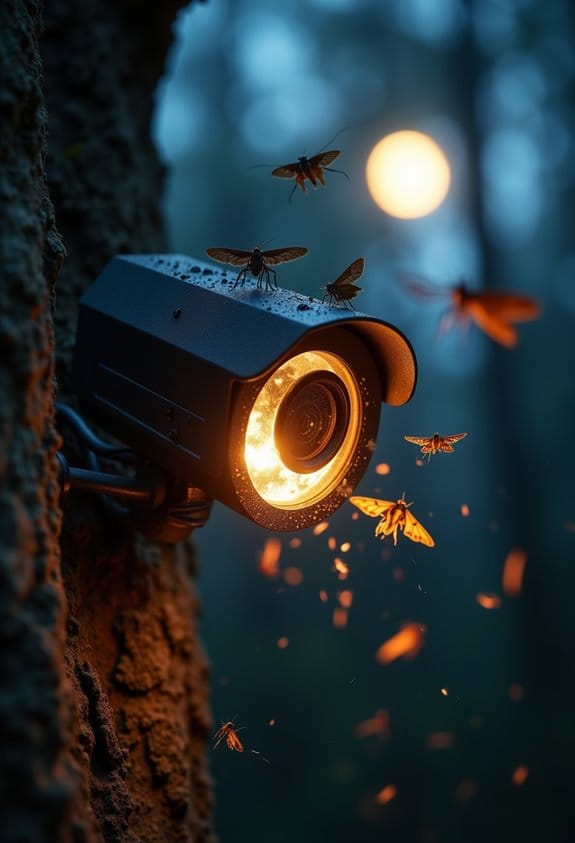
Hey there! Did you know that bugs around night vision cameras can really surprise you with some unexpected problems? These little critters are often drawn to light sources, especially infrared (IR) LEDs, which are what night vision cameras use to see in the dark. When they buzz too close to the lens, they can show up as bright white smudges in your recordings, making it tricky to tell if there’s a genuine threat to your home security.
Let’s break down the issues. For one, those blurry smudges can make it tough to identify faces or objects clearly in your footage. Imagine checking the camera for suspicious activity, only to see a bunch of blurry insect shapes instead. Then there’s the problem of spider webs and insect nests accumulating around the camera, which can block your view even more. You’ll find yourself needing to clean the camera weekly, especially if you live in a bug-heavy area, so your footage stays clear and reliable. To minimize this issue, it helps to use cameras with low-glow IR LEDs, which reduce insect attraction compared to higher wavelength options.
Recommended Products

10 Long Range IR Cameras L Series. This camera has a low glow IR flash, 100 ft. detection range and uses 4D batteries.

INCLUDES Two Tactacam Reveal Ultra Cellular Trail Cameras, and Microfiber Cleaning Cloth by Field Boys, a Trademarked Brand. The Tactacam Reveal Ultra is highly adaptable. It can be paired with optional accessories such as solar panels for extended battery life, and it is designed to work on multiple cellular networks, giving you flexibility in choosing your cellular provider.

1 L Home Model LC-H and can be powered by Verizon or AT&T. This unit connects all cameras in the system. The unit sends the pictures to the user via e-mail or the Cuddeback App.
What You Can Do to Prevent Bug Issues

Hey there! Did you know that bugs can really mess with your night vision cameras? But don’t worry; there are a bunch of practical steps we can take to keep them at bay and ensure your cameras work as they should.
First off, consider installing bug zappers nearby. These handy devices attract insects with UV light, which means fewer of them will trigger your camera unnecessarily. You could also try applying insect repellent on the camera bodies themselves. Just be careful not to spray the lens—keeping it clear is crucial for getting those sharp images you need.
Another tip is to think about your outdoor lighting. If you set your lights further away from the camera, it’ll reduce the attraction for bugs right in front of the lens. Plus, don’t forget about regular cleaning! Using a microfiber cloth to wipe down your cameras helps remove any debris that could interfere with the picture quality.
Lastly, adjusting detection zones is a smart move. By limiting the sensitivity to smaller objects, like pesky bugs, you can avoid those annoying false motion alerts. Additionally, selecting cameras equipped with No Glow Infrared Technology can effectively minimize attracting insects while maintaining excellent night vision performance. With these steps, you’ll notice your night vision cameras capturing clearer images, which lets you focus on what really matters—keeping an eye on your property. Ready to dive into other tips to enhance your security setup?
Recommended Products

Includes Four TACTACAM – Defend 360 Cellular Security Camera with Solar Panels and Rechargeable Batteries, Two Large Field Boys Carrying Cases to fit 2 Defend 360 Cameras each, and Microfiber Cleaning Cloth by Field Boys, a Trademarked Brand.

INCLUDES Two Tactacam Reveal Ultra Cellular Trail Cameras, Two Tactacam Reveal Folding Solar Panels, Two Reveal Lipo Lithium Battery Packs, Two 32GB Lexar SD Cards by Trail Cams Galore, a Trademarked Brand.

Cuddelink L Series Home Unit Item LLC-H. The home unit is compatible with Verizon or AT&T.
Best Cameras for Managing Insect Issues
Hey there! So, you know how pesky insects can really mess up our outdoor enjoyment? Well, when it comes to managing insect problems, the right camera can make a huge difference. Let’s chat about some of the best options out there that can help you keep those bugs at bay.
First up, have you considered night vision cameras? These beauties come with low-light or starlight technology, which means they capture clear images even in dim conditions without using bright infrared light that attracts bugs. It’s like having a superhero on your side, keeping everything visible while keeping insects away!
One standout option is the Reolink ColorX. This camera captures vibrant colors even in low light, which means you won’t need to rely on those bright LED lights that often draw insects in. It’s perfect for tracking any trouble that comes your way without turning your area into a bug magnet.
Another great pick is the Argus 4 Pro. This camera records in stunning 4K resolution and, importantly, does it without the infrared light that bugs love. Just imagine having crystal-clear video while keeping the creepy crawlies at a distance!
Lastly, let’s talk about warm lighting cameras. The Reolink Altas is a fantastic choice because it gives off a softer glow, making it less likely to attract those annoying bugs.
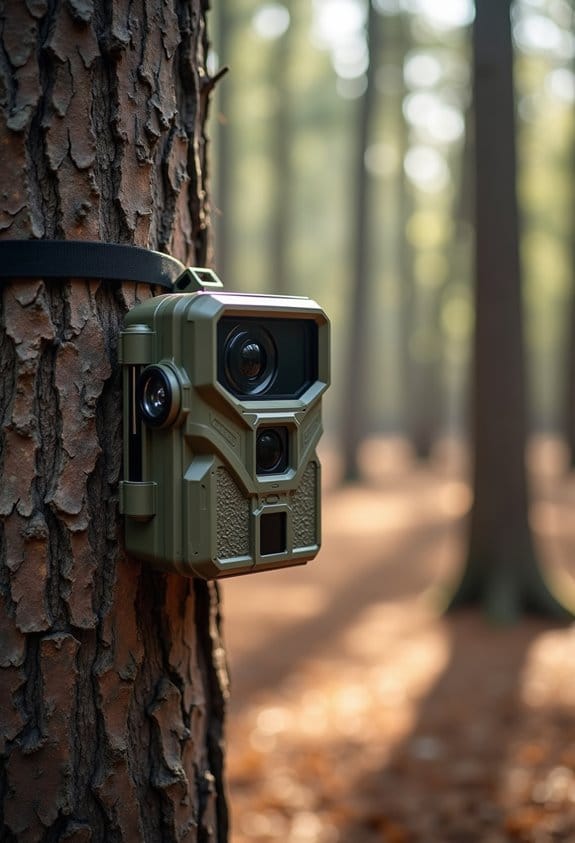
Choosing cameras with camouflage features can also help minimize disturbances and avoid drawing insects toward your recording area.
It’s fascinating how the right technology at your fingertips can help you tackle insect issues, isn’t it? But that’s just the tip of the iceberg—let’s explore more strategies for keeping your outdoor spaces bug-free!
Recommended Products

👍【2026 AUTEL EVO MAX 4N V2】The latest EVO MAX 4N V2 retains all the powerful features of EVO MAX 4N, while EXTRA added powerful functions 🆕 What’s New in V2: ✅ Redesigned Exterior: 1) Optimized placement of fisheye lenses and navigation lights for enhanced visual obstacle avoidance. 2) Added side ventilation grooves for improved heat dissipation. ✅ Standard ABX41-D Battery: Comes equipped with the advanced ABX41-D battery, supporting hot-swapping and featuring Battery In-place Detection. Sends an app alert if the battery isn’t fully seated, preventing power loss and improving safety.

Ultra High Definition 6K 12MP (4512x2512) SIX TIMES the resolution of 1080P! 64 Channel H.265+ 12MP NVR Security Camera System with (32) 6K 12MP Weatherproof 145° Diagonal Wide FOV H.265+ Starlight Color Night Vision PoE IP Dome Cameras (Built-in Microphone)
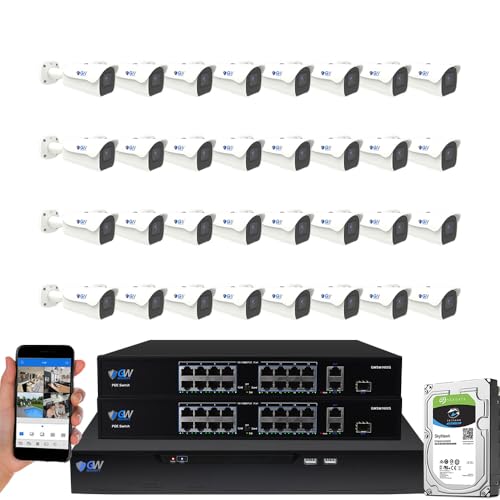
8-Megapixel with 3840x2160 Ultra High Resolution 4K Video & Audio 32 Channel 6K 12MP NVR Security Camera System with (32) 4K (8MP) Weatherproof 2.8-12mm Motorized Zoom H.265+ PoE IP Bullet Camera
Community Insights: Effective Solutions for Camera Bug Issues
When it comes to pesky bugs around security cameras, the community has shared some effective tips that can make a real difference. You might be surprised to find out how simple adjustments can keep those insects at bay while ensuring your camera works smoothly. For starters, installing a bug zapper nearby can be a great move. These devices attract and eliminate insects drawn to the artificial lights, making your security cameras less appealing to them.
Regular cleaning of your cameras is another straightforward yet crucial step. Think about it: bug residue can easily block the lens, leading to unclear footage or annoying false alerts. Just a quick wipe down with a microfiber cloth can go a long way in maintaining clarity.
Another handy trick is to tweak the detection zones on your cameras. If you’re using infrared light, adjusting these zones can help filter out those tiny bugs that might otherwise trigger your alerts. For lighting, consider positioning outdoor lights further away from your cameras. This keeps the bugs from flocking to your cameras, which can significantly boost their reliability.
Additionally, opting for cameras with infrared technology designed to minimize insect attraction can further improve performance during nighttime monitoring.
Recommended Products

POWERFUL INSECT KILLER | High Quality Electronic Bug Zapper Handles Your Property’s Flying & Biting Pest Problem Via High-Intensity UV Black Light, Powerful Octenol Mosquito Attractant [30-Day Cartridges Included] & Supercharged 5600-Volt Instant Kill Grid | Just Hang the Lantern on Your Property to Lure & Eliminate Thousands of Flies, Gnats, Beetles, Moths & Most Mosquito Species for Pennies a Day

【Widespread Bug Defense】Equipped with 3 high-efficiency LED lamps and a powerful 3,500V shock grid, our bug zapper is able to effectively cover 4,000 sq.ft, attract and control mosquitoes, flies, moths, gnats and more with ease, keeping your family safe from annoying flying insects.

4-IN-1 BUG ZAPPER - Solar mosquito zapper, indoor/outdoor bug zapper, portable cordless fly zapper, and camping zapper. Chemical-free, odorless, safe for humans and pets.
Engaging Strategies for Enhanced Security Monitoring
When you’re looking to boost your security monitoring system, it’s important to make sure it’s both effective and reliable. One issue that often pops up, especially at night, is those pesky nocturnal insects messing with your cameras. Let me share some easy ways to tackle this problem.
First off, keeping your night vision cameras clean is super important. A quick wipe-down can help you avoid blurry footage and ensure your alerts are based on real threats. Plus, adjusting the detection zones on your camera settings can really help. By limiting those zones, you can prevent small bugs from setting off the alerts and focus strictly on potential intruders.
Another great tip is to install outdoor lighting away from the cameras. Since bugs love light, keeping the luminance at a distance will discourage them from hanging around and messing with your footage. You might even want to consider using insect repellents near the cameras—just make sure to avoid spraying the lens itself, so you don’t block the view.
And if you’re really overrun by bugs, those bug zappers can be a lifesaver! Placing one nearby can control the insect population and keep those false alarms to a minimum. By implementing these simple strategies, you can significantly enhance your security monitoring without letting insects interfere.
Now that we’ve tackled the nighttime nuisances, let’s talk about how to further improve your camera setup for overall peace of mind.
Frequently Asked Questions
How to Get Rid of Nighttime Bugs?
To get rid of nighttime bugs, we can use natural repellents like essential oils, set up indoor traps, apply insect sprays, create external barriers, adjust lighting, and prepare seasonally for effective control.
What Insect Swarms at Night?
At night, we often see moths, beetles, mosquitoes, and crickets. Fireflies illuminate the darkness, while nocturnal ants emerge, joining the dance of nighttime pollinators, creating a unique symphony of sounds and movements in the evening air.
What Do Cicadas Do to Humans at Night?
Cicadas create nighttime disturbances with their loud mating calls, sometimes overwhelming us. While their sound effects are disruptive, they also highlight their fascinating life cycle and play a vital role in our environment, dispelling urban myths surrounding them.
What Does It Mean When Bugs Swarm?
When bugs swarm, it indicates their attraction to light. Their erratic swarm patterns can impact ecosystems and pest control efforts. We can use home remedies to manage nocturnal insects and reduce their disturbances effectively.