As an Amazon Associate, we earn from qualifying purchases. Some links on this site are affiliate links at no extra cost to you. Our recommendations are based on thorough research and editorial judgment.

Human Privacy on Trails: Ethical Posting and Redaction Practices

When we’re on trails, it’s important to think about privacy. Here are some key points to keep in mind:
- Always ask for permission before taking photos of others.
- Avoid sharing exact trail locations to protect yourself and others.
- Remove personal identifiers from posts, like names or health info.
- Use redaction tools to blur faces in photos.
You may be interested


By following these suggestions, we can respect everyone’s privacy while enjoying the great outdoors. There’s more to learn about staying safe!
Key Takeaways
- Always seek permission before photographing individuals on trails to respect their privacy rights.
- Remove personal identifiers and specific locations from shared posts to protect your safety and others’.
- Utilize redaction tools to scrub sensitive metadata from photos and maintain anonymity in shared content.
- Stay informed about privacy laws, such as GDPR, to ensure compliance when sharing trail-related information.
- Engage in discussions about privacy norms within outdoor communities to foster a respectful sharing environment.
Understanding Privacy Issues on Trails
You know, when we head out to enjoy nature on the trails, it’s easy to forget that our privacy might be at stake. A lot of us love capturing moments with our cameras, but it’s super important to respect everyone’s privacy rights while doing so. For example, thinking about whether a stranger might want their photo taken is key. Always ask for permission first—it goes a long way in showing you care about their space.
Another thing to consider is identifiable information in your photos. Sharing an image of someone standing in front of a unique landmark might inadvertently reveal their location. Be mindful of how much personal detail you’re exposing. If you’re ever in doubt, it’s wise to familiarize yourself with local photography laws, especially if you’re using drones or shooting in crowded areas.
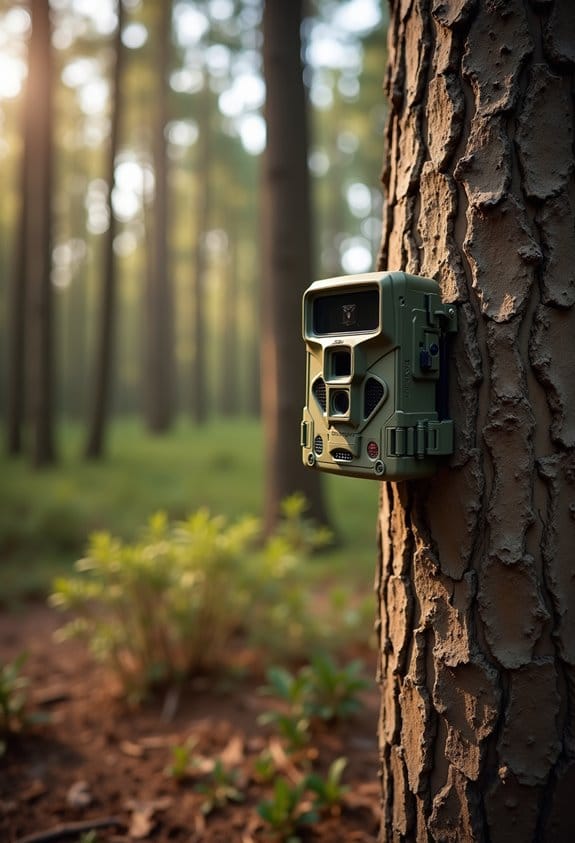
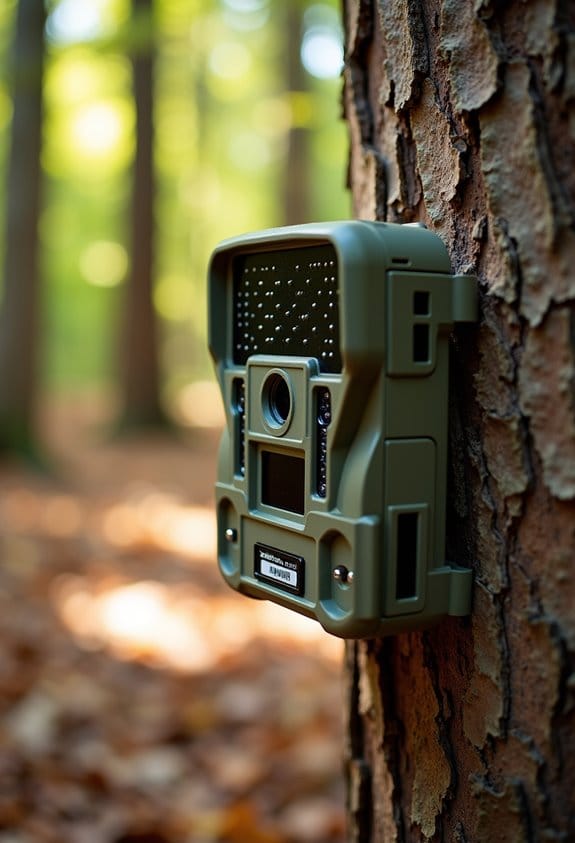
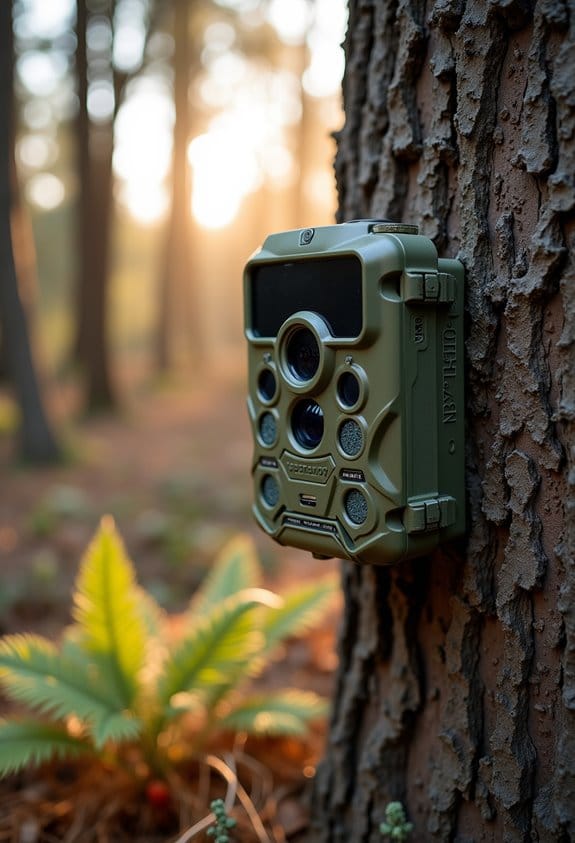
Also, keep in mind the ethical side of things. Many organizations have guidelines about respectful photography practices. For instance, if you’re posting on social media, think about whether you should blur out faces or license plates to protect people’s privacy. Sometimes, a quick edit can make a big difference in keeping others’ details under wraps. Additionally, when using trail cameras, ensuring motion detection settings are properly adjusted can minimize unintended captures of people, balancing effective monitoring with privacy concerns.
Key Risks of Sharing Trail Information
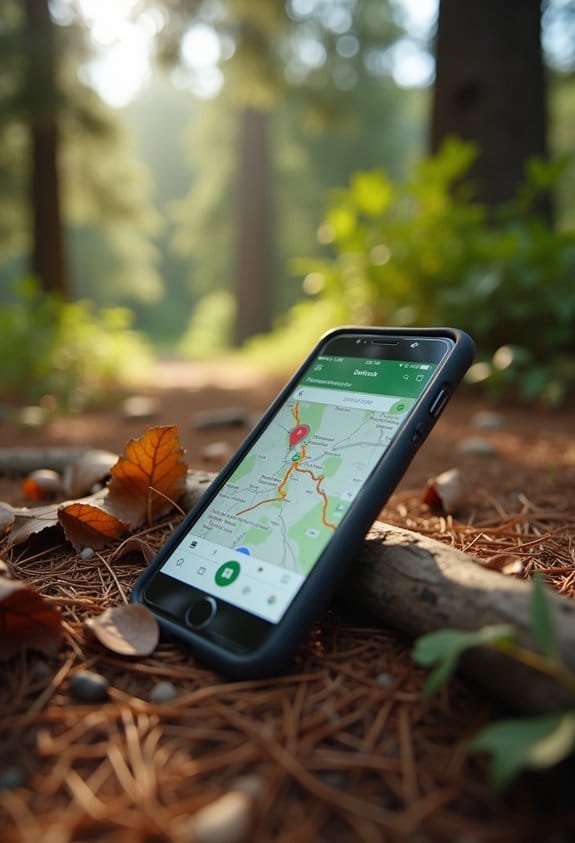
Hey there! So, the topic of sharing trail information comes with some serious risks we should definitely talk about. While it can make our outdoor adventures more enjoyable, it’s super important to think carefully about what we share and how it could affect our safety and privacy.
For example, if you post details about your latest hike on social media and mention the park you frequently visit, it might draw unwanted attention. Stalkers or criminals could use that info to track your patterns, which is pretty unsettling when you think about it. Plus, if you’re not careful to redact certain details—like your specific location or any personal identifiers—not only could it compromise your safety, but it may also break privacy laws designed to protect sensitive information.
Imagine sharing a beautiful photo from your favorite trail but forgetting to blur out the location. Anyone who sees it could easily find out where you are—and you might be surprised at how that can attract weird or scary interactions. This is particularly important if you’re sharing information about personal health, which can fall under protected health information (PHI). It’s a lot to consider, right?
In a nutshell, it’s essential to be really mindful when sharing trail info. This way, we not only keep ourselves safe but also respect the privacy of others. What do you say we look into some best practices for sharing trail info safely?
Additionally, just as in wildlife monitoring where features like infrared heat detection enhance security without disturbing privacy, thoughtfully managing the details shared about trails can safeguard personal safety and respect ethical boundaries.
Best Posting Practices for Trail Lovers
Hey there! If you love hitting the trails like I do, it’s super important to think about what you’re sharing online to keep our experiences fun and safe. When you post about your adventures, always remember to strip away any personal identifiers, like names or specific locations. This helps keep everyone’s privacy intact and avoids unwanted attention.
A handy tip? Use redaction tools to scrub out any sensitive info before you hit that “share” button. This way, you can share your amazing trail moments without risking anyone’s safety. Plus, it’s a good idea to have conversations with fellow hikers about the dangers of oversharing geolocation data. Educating others on ethical posting can make a big difference!
Also, periodically review your posting habits. Think of it as spring cleaning for your online presence. Make sure you are up to date with the latest privacy practices and data protection rules. It’s a small effort that can have a big impact—especially when you want to keep the trails enjoyable for all.
Finally, prioritize anonymity when sharing trail info. You can share tips on the best lookout spots or the hardest climbs without giving away who, where, or when. Keeping it general can help ensure everyone enjoys their outdoor adventures safely. Speaking of tips, next up, let’s chat about how to connect with fellow trail lovers while still prioritizing security!
Additionally, considering the use of cellular trail cameras can help you monitor and share your outdoor experiences responsibly without compromising privacy.
Techniques for Redacting Personal Data and Anonymizing Locations
Hey there! If you’re planning some trail adventures, it’s super important to think about how to keep your personal information safe. One of the best ways to do this is by using smart techniques to redact personal data and anonymize your locations. Let’s chat about how you can do that!
First off, always remove personal identifiers from anything you share, like your name or exact address. For instance, if you take a picture at a beautiful viewpoint, avoid tagging the specific location. Instead, you could say something like “a stunning overlook in the local national park.” This way, you keep your experience personal but still maintain some privacy.
Another handy tip is to use redaction software. This is especially helpful for getting rid of any hidden details in your photos, like GPS metadata. You know—those little data nuggets that can let someone track exactly where you were when you took that picture. It only takes a few clicks, and it gives you peace of mind!
Also, think about the risk of someone being able to identify you based on what you share. It’s a good idea to focus on removing direct identifiers—the less someone knows about you, the safer you are. And, of course, make sure to stay in the loop with any legal requirements, like GDPR, if you’re sharing your adventures online.
For those using trail or cellular cameras, understanding how remote access and mobile management work can further protect your privacy by controlling what images or data are shared automatically.
Recommended Products

Spyder X Capture Pro is the ultimate color management tool kit for serious photographers & pros with all the essentials needed to precisely manage color from capture through editing in your workflow.

[Sharper details with Dual 4K Recording] The Industry-leading F77 Dashcam upgraded to the advanced STARVIS 2 IMX678 sensor provides crystal-clear footage, and simultaneously records your car front and back at 4K@30fps(8MP)+4K@30fps(8MP). Redtiger car dash cam effortless detail capturing day or night, making it the flagship dash camera for drivers.
How Tech Tools Can Enhance Trail Safety and Privacy
When it comes to trail adventures, keeping safety and privacy in mind is super important. Luckily, tech tools can really help us with both. For instance, GPS tracking lets you share your live location with a trusted friend. That way, if something goes wrong, someone knows exactly where to find you.
Mobile apps are another handy option. They allow you to report any trail hazards, like fallen trees or slippery paths, without giving away your personal information. It’s like helping fellow adventurers while keeping your own details private!
Additionally, there are tools for data anonymization, which ensure your personal information stays protected when you share trail data. Imagine using software that automatically blurs your name and address before you share it on social media. This way, you can keep your info safe while still contributing to a community of outdoor enthusiasts.
And let’s not forget about automated redaction tools. These can work on your videos to blur out identifiable features, so even if you capture an amazing view, your privacy remains intact. With all these options, you can explore nature more freely and confidently.
As we embrace these tech solutions for better safety and privacy, there’s even more to talk about, like how blockchain technology plays a role in this setup. Let’s dive into that next!
Many trail cameras now include advanced motion detection to help provide timely alerts, enhancing safety without compromising user privacy.
Recommended Products
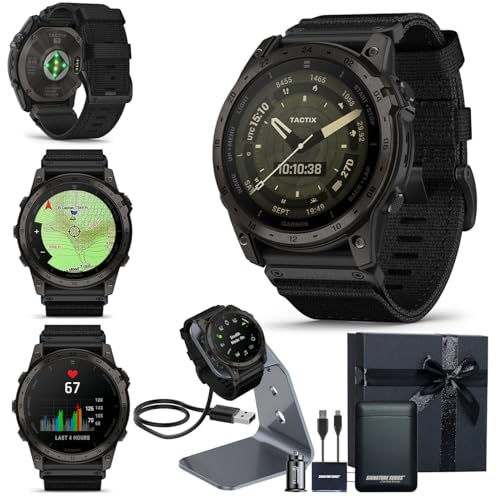
BUNDLE INCLUDES: Garmin tactix 7 AMOLED Premium Tactical GPS Smartwatch, Signature Series Garmin Watch Charger Stand, Signature Series Power Bundle, and Signature Gift Wrap

Advanced tactical GPS smartwatch features a bright 1.4” AMOLED display, titanium bezel and sapphire lens, enhanced graphical interface and built-in LED flashlight for after-dark visibility
Drafting Community Guidelines for Trail Privacy
Hey there! When we’re out exploring the trails, it’s super important to think about trail privacy. Setting up some community guidelines can really help keep our adventures respectful and enjoyable for everyone. Let’s break it down together.
First off, always remember to obtain consent before snapping a pic or video that features others. It’s just like asking for permission before sharing a friend’s story. For instance, if you’re hiking with a buddy and they’re in the shot, just ask, “Hey, is it cool if I post this?” That way, you’re making sure everyone feels comfortable.
Next, consider using redaction practices—which simply means blurring or cropping out things that might identify someone, like their face or a license plate in the background. It’s similar to how movies sometimes edit characters’ appearances for privacy. By doing this, you maintain the scenic beauty without putting anyone on the spot.
Don’t forget about the legal stuff as well. It’s a good idea to familiarize yourself with data privacy laws, like GDPR. This might sound complex, but it basically means knowing your rights when sharing content. Each region may have different laws, so it’s not a bad idea to do a quick search depending on where you’re hiking.
If you notice anyone disrespecting these guidelines, don’t hesitate to report violations. We’re all in this together! Just like a friendly nudge from a hiker passing by, accountability helps keep our community strong.
Lastly, let’s talk about ethical posting. This means sharing with awareness and care. Think of it as being a good neighbor; no one wants their personal moments out in the public eye without their say-so. So next time you’re tempted to share a group picture, remember to check in with your pals first.
Using advanced motion detection technology can also help responsible trail cameras avoid capturing unintended bystanders, contributing to better privacy practices.
With these guidelines in mind, we can create a more supportive hiking community! Now, let’s gear up for the next adventure, where I’ll share tips on finding the best trails to explore together.
Encouraging Responsible Sharing Among Trail Users
To keep our outdoor spaces enjoyable for everyone, it’s super important to focus on responsible sharing among trail users. Think about it: when we post about our hikes or adventures, we want to be respectful of the environment and others, right?
First off, let’s avoid sharing sensitive information. For example, if you find a cool spot to see wildlife, it’s better to keep the exact location under wraps. This protects the animals and lets everyone enjoy the area without overcrowding. And when you’re posting photos, remember to anonymize them. A simple trick is to blur out faces or crop out identifiable details, like license plates, so that everyone’s privacy stays intact.
When you share your experiences, stick to general terms. Instead of mentioning specific trails or people’s names, you could say something like, “I had a great time on the local trail!” This way, you’re keeping the vibe friendly and inclusive. Also, be sure to check out the community guidelines whenever you’re sharing. They help everyone stay accountable and respectful of each other.
Lastly, getting involved with trail advocacy groups can be really beneficial. Many of them offer workshops that teach best practices for sharing and respecting privacy. All of these steps help us create a safer and more enjoyable outdoor experience for everyone, paving the way for our next adventure! Using trail cameras with tamper-proof mounting can also promote responsible monitoring while protecting privacy.
Resources for Learning About Privacy in Outdoor Sharing
When we’re out enjoying nature, it’s super important to think about how we share our adventures. You know, with so many outdoor sharing platforms around, they often have some pretty solid guidelines to help us post responsibly while also keeping people’s privacy intact.
Take a look at some helpful resources. For starters, the International Association of Privacy Professionals offers some fantastic training on data security. They share best practices for protecting sensitive info, so you’re not accidentally putting someone’s personal details out there. For instance, when you post a photo of a scenic view with friends, you might want to use editing tools to blur out their faces.
Also, it’s good to get familiar with laws like GDPR—especially if you’re sharing across different countries. This understanding can really help you stay compliant and avoid any legal hiccups. Plus, knowing the community standards of the platform you’re using can make a big difference. It not only builds trust but shows that you respect others’ privacy, too. Additionally, understanding the importance of trigger speed in trail cameras can help you be mindful about the level of detail captured in outdoor photos and videos.
Recommended Products

Focus Sensitivity Range :EV 0 to EV 20 (at ISO 100 equivalent with F2.8 lens attached)

SONY USA Authorized Model - Includes FULL SONY USA Warranty | The Sony Alpha ZV-E10 mirrorless vlog camera features the E-mount interchangeable lens system, offering a wide selection to suit your style while the flip-out vari-angle LCD, advanced audio options and features designed specifically for vlogging make this the ideal content creators camera.

Large 24.2MP APS-C Exmor CMOS Sensor and fast BIONZ X processor
Navigating Privacy in Outdoor Communities
When we’re out enjoying the great outdoors, respecting privacy is crucial, especially since we often meet fellow enthusiasts along the way. It’s essential to be mindful of what personal information we share about others, like their full names or contact details, unless we have their permission. Think of it this way: you wouldn’t want someone talking about your personal life without asking you first, right?
Another thing to consider is the pictures we take. If you’re snapping a photo of a beautiful view and someone happens to be in the background, it’s best to check if they’re okay with you sharing that shot online. Imagine you took a great hike and decided to share your experiences—just double-check that any faces in your photos are blurred out if you haven’t gotten consent to share them.
You should also think about your overall online behavior. Before hitting “post” on social media, ask yourself if the content might compromise someone’s privacy. For instance, if you’re sharing a trail location, consider whether revealing that particular spot might put anyone at risk of overcrowding or unwanted attention.
Finally, it’s a good idea to check out the community guidelines of any outdoor platforms you use. These rules help us understand what’s acceptable to share and maintain a respectful atmosphere for everyone. By keeping these guidelines in mind, we can enjoy the outdoors together while ensuring everyone feels safe and respected.
Using stable and weather-resistant mounts for trail cameras can also help ensure that wildlife and human activity are monitored responsibly without causing disturbance.
Now, let’s also talk about how to create a supportive environment in outdoor communities!
Frequently Asked Questions
What Types of Personal Information Should I Avoid Sharing Online?
We should avoid sharing personal identifiers, contact information, sensitive content, and location details. It’s best not to include identifiable landmarks, timestamps, family members, health information, financial data, or social media links in our posts.
Can I Share My Trail Photography Without Compromising Others’ Privacy?
We can absolutely share our trail photography while respecting privacy. Let’s prioritize trail etiquette, use non-identifiable shots, consider consent, and remain privacy-aware, ensuring our posting reflects responsible sharing and group dynamics for everyone’s security.
How Can I Report Privacy Violations on Trail-Sharing Platforms?
When we see privacy breaches in our shared trails, we must report violations to uphold community guidelines. Ethical photography preserves user anonymity and fosters accountable posting, ensuring responsible sharing for all who cherish nature’s beauty.
Are There Legal Implications for Sharing Sensitive Trail Information?
Yes, there’re legal implications for sharing sensitive trail information. We must consider consent requirements, privacy laws, and liability issues. Public trails might have fewer restrictions, but sharing private property info and personal data risks violating ethical guidelines and data protection.
What Should I Do if I See Someone Violating Privacy Practices?
If we see someone violating privacy practices, let’s approach them respectfully, emphasizing privacy awareness and ethical considerations. Together, we can encourage responsible sharing within community guidelines, reinforce consent importance, and foster a culture of respect and trail etiquette.