As an Amazon Associate, we earn from qualifying purchases. Some links on this site are affiliate links at no extra cost to you. Our recommendations are based on thorough research and editorial judgment.

How to Use a Strap Mount Correctly: Preventing Sag and Slippage

To use a strap mount correctly and prevent sag and slippage, follow these steps:
- Inspect straps for damage before use.
- Thread the loose end through the mount and secure both ends.
- Use at least two straps for loads over 300 lbs.
- Check tension regularly during transport, as weather changes can loosen them.
You may be interested



Also, consider using additional straps at different angles for added support. Keep going, and you’ll discover more tips for improving your strap mounting skills.
Key Takeaways
- Inspect straps for damage before use, ensuring they can securely hold the load without risk of failure.
- Use at least two straps for loads over 300 lbs, securing them at different angles for stability.
- Regularly check strap tension during transport to prevent loosening from vibration or weather changes.
- Ensure sturdiness of anchor points; weak anchors can lead to strap failures or cargo shifting.
- Clean and maintain strap mounts regularly to prevent rust and ensure optimal functionality over time.
Why Proper Strap Mounting Matters for Stability

Hey there! Let’s chat about something super important when it comes to transporting cargo: proper strap mounting. You might be surprised at how much difference a well-mounted strap makes in keeping everything stable during a trip. By securing the load correctly, we can evenly distribute the weight, which helps prevent anything from sagging or shifting, leading to potential accidents.
Think about it this way: when you tie down a heavy load like furniture in a moving truck, if the straps are loose or not placed correctly, those items could slide around. This could not only damage your stuff but also create safety risks on the road. So, using the right number of straps for the weight of your cargo is crucial. It’s like having a seatbelt for your load.
Another thing to keep in mind is strap tension. You want to tighten them just enough to hold everything in place but not so much that they’re close to breaking. For example, you can pull on the straps until they’re snug but still allow for some slight movement, which helps keep both your straps and cargo safe.
Lastly, regularly inspecting your strap mounting points is a must. Just like you check your tires before a long drive, ensuring your straps are secure can save you a lot of trouble down the line. So, whenever you get to a rest stop or your destination, take a moment to look everything over. Keeping these tips in mind not only guarantees a smoother ride but also gives you peace of mind when hauling precious items!
Also, using user-friendly straps designed for easy setup can make the mounting process quicker and more reliable.
Step-by-Step Guide to Securely Mounting Straps

Hey there! If you’re looking to securely mount straps, I’ve got some easy-to-follow steps that will keep everything in place while you’re on the road. First up, take a good look at your straps—check for any frays or damage. You don’t want to find out the hard way that a strap is worn out just when you need it the most!
Once you’ve ensured your straps are in good shape, thread the loose end through the mount. This little step helps eliminate any slack, which is super important for stability. Then, hook both ends securely. It’s like fastening a seatbelt—just make sure it’s snug, but not too tight. If you’re dealing with a heavy load, it’s a good idea to add some extra straps for that extra bit of security.
After you’ve got everything strapped down, remember to regularly check how tight they are during your journey—especially after hitting some bumpy patches. This quick check can give you peace of mind that your load is safe and sound. Speaking of safety, let’s talk about the different materials you can use for your straps next! Choosing durable materials such as alloy steel or heavy-duty plastic ensures reliability and longevity in outdoor conditions.
Recommended Products

SMITH MACHINE FUNCTIONAL TRAINER: It’s the best of both worlds, free weights and functional trainer all in one, with 6 total pulleys, pull up bar, power rack, and free weight smith bar. Fully Loaded option includes the SCS Weight Bench, Preacher Curl Attachment, and Leg Extension / Leg Curl Attachment

HIGH-HEAT PERFORMANCE - SwimEasy solar pool heaters capture more heat from the sun with superior absorber technology. They also enable water to move effectively through the collector by removing flow barriers with its specially crafted over-molded header. These features combine to give SwimEasy solar pool heater panels extreme heating capabilities!

Made of stronger steel while retaining the same thickness.
Common Mistakes That Lead to Sagging and Slippage

When it comes to securing a load, ensuring it’s done right is crucial. Many folks make common mistakes that can lead to sagging and slippage, and trust me, you don’t want that happening mid-transport. For instance, using straps that aren’t strong enough for your load can be a recipe for disaster. Imagine strapping down a heavy appliance with a lightweight strap—no good!
Another issue is anchor points. If you’re attaching your straps to something flimsy, like the edge of a truck bed instead of a strong tie-down point, your load is at risk. It’s like trying to hold onto a rope tied to a stick—it just won’t hold up well under pressure. Also, remember to tighten those ratchet straps as much as possible. A loose strap can mean that your load shifts around while you’re driving, making both the load and your journey quite unpredictable.
And don’t forget about monitoring those straps during your trip. Even if you start off secure, things can shift as you drive, so a quick check can help maintain that tension. Plus, leave no excess webbing hanging out; it can flap in the wind, creating uneven tension and possibly leading to slippage. Using mounts and hardware made from impact-resistant materials can also improve overall stability and prevent unexpected failures. By keeping these simple tips in mind, you’ll keep your load secure and your drive safe!
Recommended Products

SPECS - (200) Flat Hook Ratchet Strap Fixed Ends | Length: 11" | Width: 4" | Working Load Limit: 5,400 lbs. | Assembly Break Strength: 16,200 lbs. | Webbing Break Strength: 20,000 lbs. |Material: Polyester | Product Weight: 9.15 lbs. | Color: Yellow

SPECS - (320) Chain Ratchet Tie Downs | Length: 30 ft | Width: 2" | Assembly Break Strength: 10,000 lbs | Working Load Limit: 3,333 lbs | Strap Material: Polyester | End Fitting: 18" Chain Extension with Grade 70 Grab Hooks | Weight: 8.4 lbs each

SPECS - (960) 2 in x 12 ft ETrack Straps | (2) Spring E-Fitting Hooks | Working Load Limit: 1,467 lbs | Break Strength: 4,400 lbs | Material: Polyester | Width: 2 in | Fixed End Length: 4 ft | Loose End Length: 8 ft | Weight: 2 lbs each
How to Use Additional Straps for Better Load Support
Hey! You know how using additional straps can really boost load support? It’s all about making sure the weight is spread out evenly so things don’t shift around. For instance, when you’re hauling something heavy in your truck, using more than one strap can make a huge difference. Just make sure each strap you choose is rated for the weight you’re securing.
One great technique is to attach the straps at different angles. It might sound complicated, but think of it like creating a triangle—those angles help keep everything stable. If you throw some edge protectors into the mix, you’ll keep both your straps and the cargo safe from any wear and tear, which definitely helps maintain tension.
Also, don’t forget to check the tension regularly. If you’re driving on bumpy roads, those straps can loosen a bit, so giving them a quick tighten can prevent any issues. Lastly, it’s super important to follow the working load limit (WLL) guidelines. You really don’t want to exceed the strap limits; that’s a recipe for trouble.
For improved security and longevity, consider using mounts made from heavy-gauge steel or weather-resistant materials to protect your gear from environmental damage.
Recommended Products

ENDLESS RATCHET STRAP ASSEMBLY - Endless Ratchet straps are ideal when you want to keep that bundle of smaller units held together. This type of ratchet tie down is a one-piece strap that wraps around the load and threads back through the ratchet.

SPECS - (196) Chain Straps | Length: 27 ft | Width: 2" | Assembly Break Strength: 10,000 lbs | Working Load Limit: 3,333 lbs | Material: Polyester | Finish: Zinc-Plated | End Fitting: 18" Chain Extension with Grade 70 Grab Hooks | Weight: 8.1 lbs ea
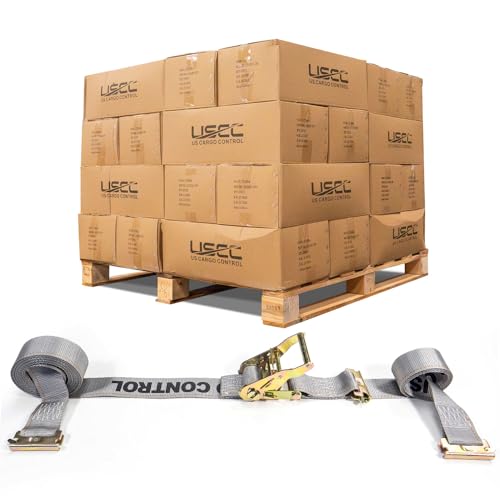
SPECS - (640) 2 in x 16 ft ETrack Straps | (3) Spring E-Fitting Hooks | Working Load Limit: 1,467 lbs | Break Strength: 4,400 lbs | Material: Polyester | Width: 2 in | Fixed End Length: 4 ft | Loose End Length: 12 ft | Weight: 2.71 lbs each
Maintenance Tips for Strap Mounts
Hey there! If you’re using strap mounts to secure your loads, taking care of them is just as important as ensuring everything is properly fastened. Basically, if you want those straps to work effectively every time, a little maintenance goes a long way!
First off, let’s talk about inspecting for wear and tear. Before you even think about using your strap mounts, take a moment to look for any signs of fraying, rust, or damage. For example, if you spot fraying on the strap, it’s a tell-tale sign that it’s time to replace it to avoid potential accidents.
Next, don’t forget about cleaning them up after use. All you need is a damp cloth to wipe them down and remove any dirt or debris. This helps prevent mildew from building up, which, trust me, can be a real pain later on.
Storage is crucial too. When you’re not using them, stash your strap mounts in a dry and cool spot. Consider using wraps or containers to keep them from tangling up—nothing’s worse than a knotted strap when you’re in a hurry!
If your mounts have any moving parts, it’s a good idea to give them a quick squirt of light lubricant now and then. This ensures everything operates smoothly. And remember to regularly check the tension of the straps and the anchor points. If they feel loose, adjust them to keep your load secure.
Also, choosing mounts made from durable, weather-resistant materials can greatly extend their lifespan and effectiveness.
Recommended Products

【24 hours Customer Service】Cloudenergy provides technical support and online customer service with fast feedback within 24 hours. If you have any product-related issues or questions, please get in touch with us directly, Cloudenergy support team is always here for you.

【24 hours Customer Service】Cloudenergy provides technical support and online customer service with fast feedback within 24 hours. If you have any product-related issues or questions, please get in touch with us directly, Cloudenergy support team is always here for you.

Compact Case Fits Legacy Bays– Designed to fit center-controller golf cart battery bays, this 38.4V 60Ah LiFePO₄ pack slides in where many packs can’t—ideal for older compartments while keeping cables tidy.
How to Stay Safe and Avoid Strap Failures
Hey there! You know how important it is to stay safe when using straps, right? Strap failures can be a real headache, so let’s talk about how to avoid them. First off, always give your straps a good inspection for any frays or rust before you even think about using them. It’s a simple step that can save you from a lot of trouble later on.
When it comes to the load weight, keep in mind that if you’re hauling anything over 300 lbs, it’s best to use at least two straps. This way, you’ll get balanced support, and it’ll take some of the pressure off each strap. Oh, and don’t forget about selecting sturdy anchor points. Make sure they’re reliable, as a weak anchor can lead to strap failures.
Here’s a quick checklist to keep in mind: Check your straps often for any signs of damage, always stick to the Working Load Limit (WLL), and consider using edge protectors. These handy little tools can help prevent any fraying that might occur when your straps rub against sharp edges. Also, make it a habit to check the tightness of your straps during transit. Vibrations can loosen them up, and you don’t want that happening! Using mounts or anchors made from durable materials can further ensure the security and stability of your loaded items.
Troubleshooting Sagging Issues in Strap Mounts
Hey there! So, if you’ve ever tried securing things with straps, you know sagging can be a real headache. It can mess with your setup and make everything look messy. Let’s chat about some easy ways to tackle this issue together.
First off, take a good look at your strap mounts. Are there any missing brackets or screws? If something’s loose, it can really affect how stable your gear is. Before you head out or start using them, just make sure everything is tightly secured.
Another tip is to use Velcro straps for extra support, especially when you’re working with things like awning poles. They can help keep everything snug, so you don’t have to worry as much about sagging.
And don’t forget to adjust the tension on your straps regularly. Weather changes, humidity, and temperature can really mess with strap materials. A quick check every now and then can make a big difference in stability, especially on a hot day or after a rain.
Also, think about how you’re packing your items. Make sure your straps aren’t twisted or overly loose; this simple step can help prevent slippage. For instance, if you’re packing a kayak, make sure the straps are tight and straight to keep it stable on your roof rack.
Lastly, always consider the weight of what you’re securing. Heavier loads can lead to more sagging, so understanding your load limits is key. It’s like when you carry a backpack – if you overpack it, you’ll end up with sagging straps or, even worse, a broken zipper.
Recommended Products

Built with 100% premium cedar lumber, finished in a natural cedar stain color

Marine grade pre-galvanized steel frame, 78" wide x 159" long

Heavy Duty: The MicroSport LowBed Trailer supports up to two 20' canoes or kayaks and up to a 800 lbs load capacity;
Learning From User Experiences With Strap Mounting
Hey there! Let’s chat about strap mounting—a super handy technique but one that can trip you up if you’re not careful. You know, I’ve learned a lot from hearing how others approach it, and there are definitely some common pitfalls and solutions that can make your setup much smoother.
First off, it’s essential to get the tension just right. If your straps are too loose, you can expect some serious sagging, which can really throw off your setup. For instance, when mounting an awning, I’ve found that using multiple Velcro straps provides a solid support system, giving you much more stability.
Also, make sure you’ve got enough straps on hand. If you skimp on the number, it could lead to design issues down the line, leaving you feeling frustrated. And don’t underestimate the power of packing and folding techniques. Properly storing your straps can really enhance your efficiency—check out some tutorial videos if you need a visual guide!
One of the best parts about strap mounting is the community support. Engaging with fellow enthusiasts can unearth some great tips and tricks. For example, sharing troubleshooting ideas can help refine your approach and make the whole process a lot more enjoyable. So, let’s keep the conversation going! What specific techniques or setups have you tried?
Additionally, considering the weather-resistant steel construction of some mounting accessories can help ensure your strap mounts stay durable and stable in outdoor environments.
Frequently Asked Questions
How to Correctly Use a Ratchet Strap?
Are we using ratchet straps correctly? Let’s inspect different ratchet strap types, apply proper tensioning techniques, and watch for strap wear indicators to guarantee our loads stay secure during transport. Safety always comes first!
How to Stop a Strap From Falling Down?
To stop a strap from falling down, we should make proper strap adjustments, choose durable strap materials, and always follow safety precautions. Regularly checking our setup helps guarantee everything remains secure and reliable during use.
What Are Common Ratchet Strap Mistakes?
We’ve all seen a shipwrecked boat; common ratchet strap mistakes, like strap alignment errors, improper tensioning techniques, and inadequate material selection, can sink our cargo safety. Let’s navigate these pitfalls together for secure transport.
How to Secure a Loose End of a Strap?
To secure a loose end of a strap, we can use effective strap fastening techniques by threading the end through a loop, tightening it, and utilizing strap storage solutions to keep things organized and tension adjustments easy.