As an Amazon Associate, we earn from qualifying purchases. Some links on this site are affiliate links at no extra cost to you. Our recommendations are based on thorough research and editorial judgment.


Leaving No Trace for Camera Setups: Practical Field Habits

When we set up our cameras in nature, it’s important to leave no trace. Here are some practical tips:
- Stay on marked trails to protect plants and soil.
- Use durable surfaces, like rocks, for your gear.
- Package out all trash, including biodegradable scraps.
- Don’t disturb wildlife; keep a distance of 100 to 200 feet.
You may be interested


By practicing these habits, we help preserve the environment for future photographers. There’s more to learn about respectful photography practices that can enhance your experience.
Key Takeaways
- Set up cameras on durable surfaces like rocks to prevent damage to vegetation and soil.
- Use padded tripods to minimize ground disturbances while ensuring stability for your shots.
- Maintain a safe distance from wildlife, ideally 100 to 200 feet, to avoid causing stress.
- Always pack out all waste, including food scraps and used equipment, to protect the environment.
- Familiarize yourself with local regulations and guidelines to ensure responsible and ethical photography practices.
Understanding Why Leaving No Trace in Photography Matters
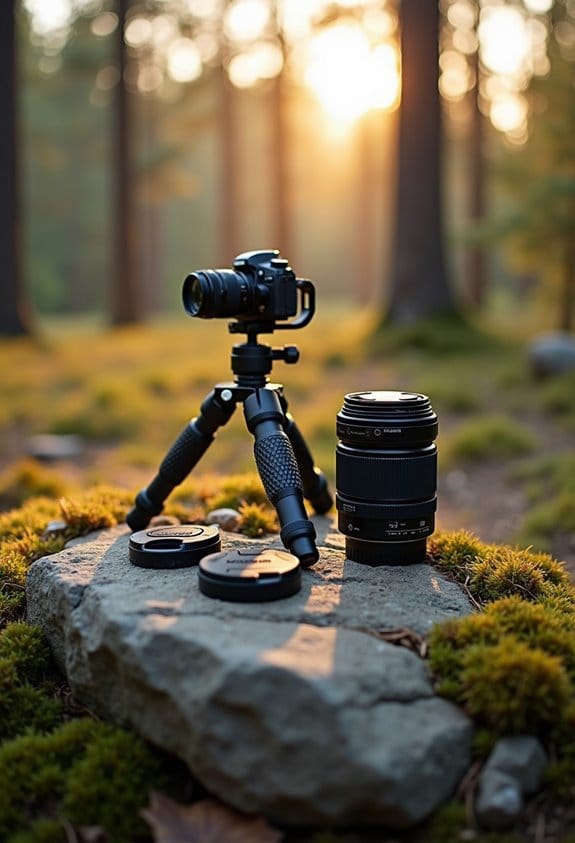
When we talk about photography, it’s so easy to get wrapped up in snapping that perfect shot. But you know what? Understanding the concept of leaving no trace is equally vital for photographers, especially when capturing wildlife. It might seem small, but every action we take can have a big impact on the environment around us.
First off, think about your footprint. When you’re out in nature, always stick to designated trails. This simple step helps protect delicate soil and the plants that thrive in those areas. For example, if you’re wandering off the path in a sensitive region, you might be trampling on flowers or grasses that are critical to local wildlife.
Next, let’s talk about respect for nature. It might be tempting to rearrange a few twigs or rocks to create a better shot, but that can disrupt the natural habitat. Instead, look for angles that showcase nature as it is. This not only keeps the ecosystem intact but also adds authenticity to your work.
Lastly, consider the impact of our disturbances. A sudden noise or movement can stress out animals, especially those already facing challenges. By being mindful, you help maintain a sense of peace for the wildlife you’re capturing on camera.
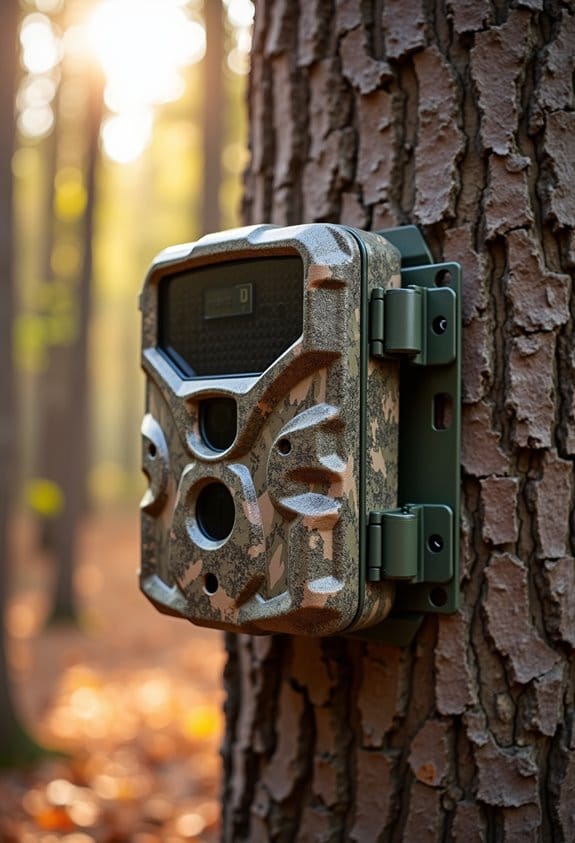
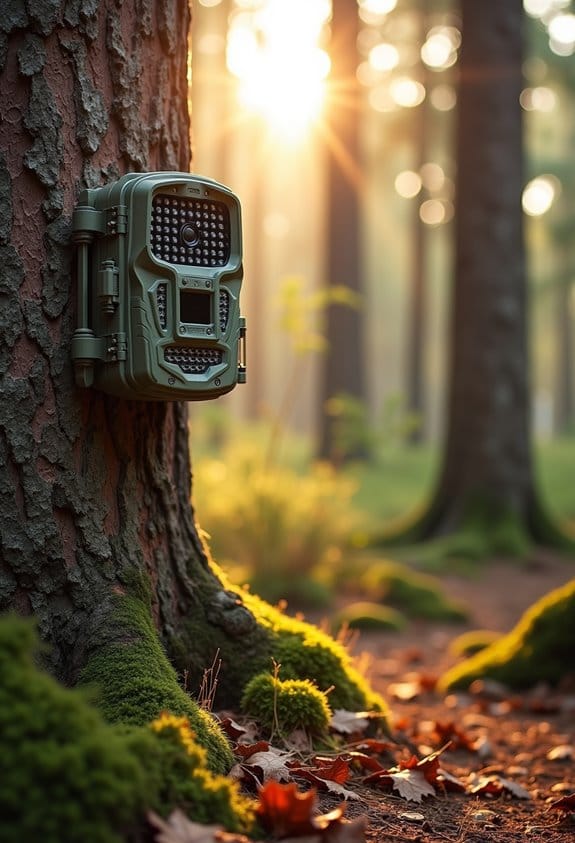
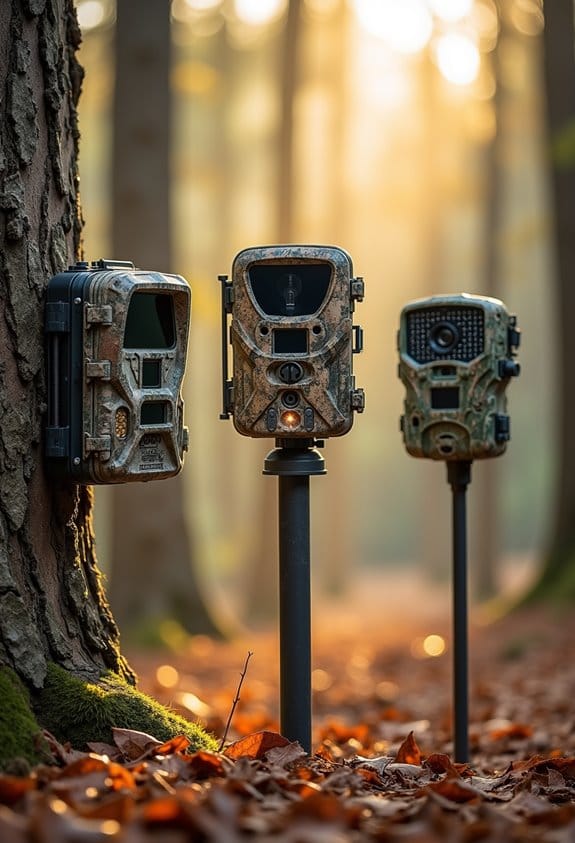
An excellent way to minimize repeated physical presence is by using cellular game cameras that allow for remote monitoring and reduce the need for frequent visits.
As we learn about these ethical photography practices, we cultivate a community that values the environment. It’s all about balancing our passion for photography with our responsibility to preserve the beauty around us. So next time you’re headed out with your camera, keep these principles in mind. They’ll not only enhance your photography but also protect the environment we all love.
Smart Tips for Setting Up Your Camera Respectfully
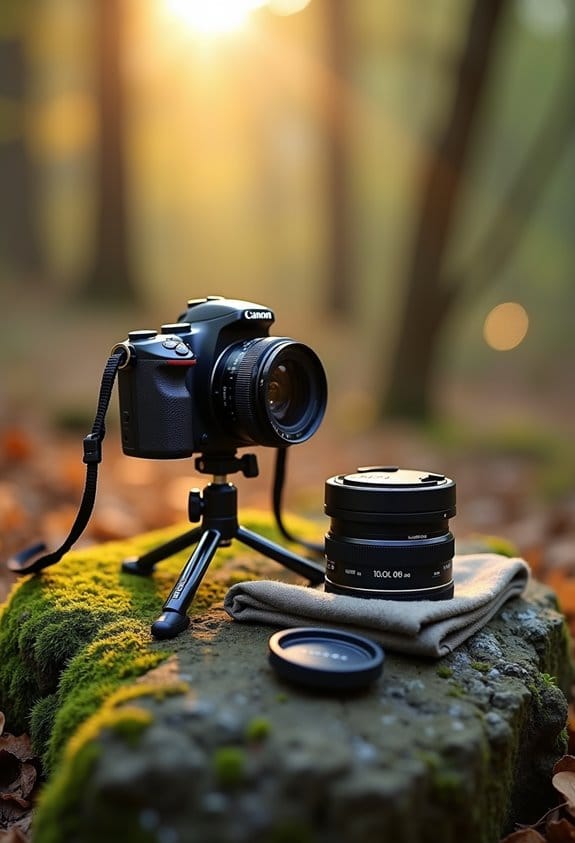
Hey there! Setting up your camera in nature is not just about having the right technical skills; it’s also about showing respect for the beautiful surroundings we’re in. Think about it—when you’re out there capturing those stunning landscapes or wildlife shots, you want to ensure that you’re not causing any harm to the environment.
One smart tip is to always choose durable surfaces to set your camera on—like rocks or established paths. This way, you avoid trampling any delicate vegetation. For example, if you’re in a lush forest, look for a sturdy tree stump or a large rock to stabilize your tripod. It’s a small action that can make a big difference!
Another thing to keep in mind is to steer clear of wildlife nesting areas. If you spot a bird’s nest or young animals, give them a wide berth. This helps keep the wildlife safe and protects their homes. Plus, using padded tripods can really help too; they minimize any disturbances to the ground, making your photography process gentler on the environment.
And don’t forget to check local regulations! Each park or nature reserve has its own rules, so a quick look online can save you some trouble. Of course, camouflaging your gear with neutral colors makes it less intrusive—think browns and greens rather than bright reds or blues.
To further protect your setup, consider mounts designed with anti-theft mechanisms to secure your equipment against theft and damage.
These simple practices not only help in capturing amazing photos but also ensure we’re being good stewards of nature. So, let’s take the time to learn these habits, and we can inspire others to do the same! What do you think? Shall we explore some more tips for responsible photography?
Staying on Established Paths: Essential for Sustainability
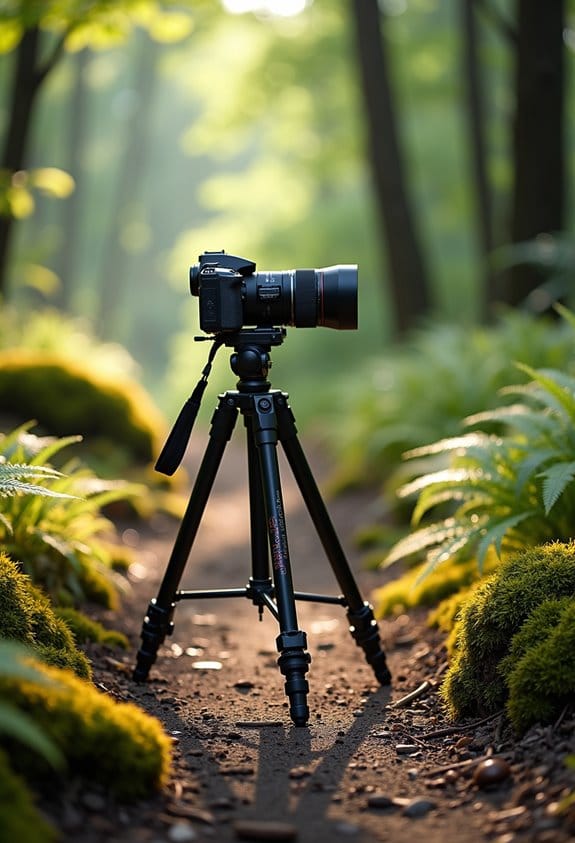
Hey there! As we gear up for our photography adventures in nature, it’s super important to remember how crucial it is to stay on established paths. By sticking to these trails, we’re not just capturing beautiful shots; we’re also protecting delicate ecosystems. Let’s break it down a bit!
First off, staying on established paths helps protect wildlife habitats. For example, if we veer off the trail into sensitive areas, we might disturb breeding grounds for birds or other animals. When we keep to the marked paths, we give wildlife a better chance to thrive in their natural homes.
Next, wandering off-trail can lead to soil erosion, which is a real problem. Picture this: if we create unofficial paths by straying from the trail, it can wear away at the soil and damage the plants that help stabilize it. So, every footstep on the established trail helps keep the landscape healthy and thriving.
Plus, many national parks have rules that require us to stick to marked trails. These guidelines aren’t just red tape; they’re designed to help maintain ecosystem health. By following these regulations, we can all enjoy nature while doing our part to keep it safe.
When we respect these paths, we’re helping to cultivate a culture of conservation. It’s about sharing the responsibility of taking care of these beautiful places we love. So, for our next outing, let’s pack our gear, grab our cameras, and remember to stick to those trails. It’s all part of being good stewards of nature! What do you think about planning our next shoot in a spot with diverse wildlife?
Additionally, using weather-resistant and durable equipment ensures our camera setups remain secure and functional in natural environments without causing disturbance.
Waste Management Tips for Photographers
Hey there! You know, managing waste is just as crucial as capturing those breathtaking photos when we’re out in nature. Think about it: every time we head out with our cameras, we’re not just shaping memories; we’re also responsible for keeping those beautiful spots pristine.
First off, always pack out your waste. That means everything you bring with you, like snack wrappers or leftover food—don’t leave anything behind. It might seem harmless, but even biodegradable scraps can attract wildlife and disrupt their habits. Imagine picking up a bag of chips on a hike, enjoying it, and then stuffing that bag back in your pack instead of tossing it aside.
Another tip? If you’re heading to an area without restrooms, consider bringing along “wag bags.” These handy kits allow you to handle your waste responsibly while keeping local water sources clean and ensuring you’re following regulations. It’s all about leaving no trace, right?
It’s also a good idea to carry an extra trash bag for any litter you might come across. It’s surprising how much you can pick up in just one outing. Maybe you spot a plastic bottle while photographing a scenic view; picking it up ensures the area looks better for the next visitor.
And let’s not forget meal planning. It’s a straightforward way to minimize waste. Just think about preparing a sandwich or snacks that don’t come with a lot of packaging. It reduces clutter and makes cleanup way easier. Plus, you get to enjoy your food surrounded by nature’s beauty without the guilt.
Finally, take a moment to familiarize yourself with local waste disposal guidelines. Every area has its own rules for preserving the ecosystem, and knowing these can be a game-changer for keeping our favorite spots safe for wildlife and future photographers.
For those using trail cameras during your outings, choosing models with solar-powered options not only helps reduce battery waste but also supports sustainable and maintenance-free operation in the field.
Ethical Considerations for Wildlife Photography
Hey there! If you’re getting into wildlife photography, it’s super important to think about the ethical considerations involved. Not only does this help you capture amazing shots, but it also protects the animals and their habitats. So, let’s chat about some key things to keep in mind.
First off, maintaining your distance is crucial—aim to stay about 100 to 200 feet away from the animals. This way, they feel more comfortable, and you lessen their stress. Imagine trying to snap a photo of a deer; if you’re too close, it might bolt or act unnaturally. Using a long lens, like a 400mm or even a 600mm, allows you to get stunning shots without creeping into their space.
Another great tip is to observe rather than interfere. When you sit quietly and watch, you’ll often catch animals in their natural state—like a mother fox teaching her pups how to hunt. It’s a wonderful experience! Plus, remember to steer clear of baiting; using food might lure animals in, but it can disrupt their natural behaviors, which isn’t fair to them.
Also, make sure to follow local regulations about wildlife photography. Some places have specific rules for using drones or flash photography to protect sensitive habitats. Knowing these regulations not only keeps you in the clear, but it also helps ensure that wildlife can thrive in their environments.
Using No Glow Night Vision trail cameras is a great way to monitor animals discreetly without disturbing their natural behavior.
In the end, ethical wildlife photography is not just about taking pictures; it’s about respecting the creatures you’re capturing. By keeping these tips in mind, you’ll create more authentic and impactful images while doing your part to safeguard the wildlife we all cherish. And from here, we can dive into techniques for capturing those stunning images!
How to Engage Respectfully With Fellow Visitors
Capturing stunning wildlife images isn’t just about the awesome animals and your trusty camera; it’s also about how we interact with others around us. Engaging respectfully with fellow visitors can really enhance the whole experience for everyone involved. For example, if you find a great spot to shoot, it’s a good idea to let others know where you are. This way, you won’t block anyone’s view or miss out on some fantastic shots.
While you’re waiting for that perfect moment, try to be patient. We’ve all been there, waiting in line for a prime location. Just remember, everyone else is hoping for their dream shot, too! Keeping noise to a minimum is also a huge help. Loud conversations can not only scare away the wildlife but also disrupt the focus of other photographers nearby.
Another tip? Stay organized! A tidy space can really reduce chaos and make it easier for everyone to move around. And before you embark on your adventure, take a moment to check the weather. It’s always worth planning ahead to make the most of your wildlife photography outing! Finally, let’s respect nature—keeping fires controlled and sharing the space ensures everyone can enjoy the beautiful surroundings. After all, it’s all about creating memorable moments together.
Also, consider using cameras with fast trigger speeds to maximize your chances of capturing fleeting wildlife moments without disturbing others.
Frequently Asked Questions
What Are the Best Times to Photograph Without Disturbing Wildlife?
We’ve found dawn photography and dusk sessions are best for capturing wildlife, as animals are most active then. By observing seasonal patterns and feeding schedules, we can blend in quietly, respecting their natural behaviors.
How Can I Identify Sensitive Vegetation Areas?
Like a seasoned explorer, we can identify sensitive vegetation areas by observing soil composition, noting seasonal growth patterns, and utilizing a visual indicators checklist. Let’s map sensitive areas and monitor invasive species for sustainable photography practices.
Are There Specific Parks With Stricter Rules for Photography?
Yes, certain National Parks and Wildlife Reserves have stricter rules for photography. Urban photography may face regulations, while beach and mountain areas often impose seasonal restrictions and restricted zones. Check for photography permits in historical sites and private lands.
What Equipment Minimizes My Impact During Outdoor Shoots?
When we consider that lightweight gear can reduce our pack weight by up to 30%, we should choose compact tripods, solar chargers, and eco-friendly materials, along with reusable batteries and water-resistant bags for minimal impact.
How Can I Educate Others About Leaving No Trace Principles?
We can educate others about leaving no trace principles through community workshops, online tutorials, social media campaigns, and educational pamphlets, while partnering with conservation groups and engaging youth programs at local meetups and nature immersion experiences.