As an Amazon Associate, we earn from qualifying purchases. Some links on this site are affiliate links at no extra cost to you. Our recommendations are based on thorough research and editorial judgment.

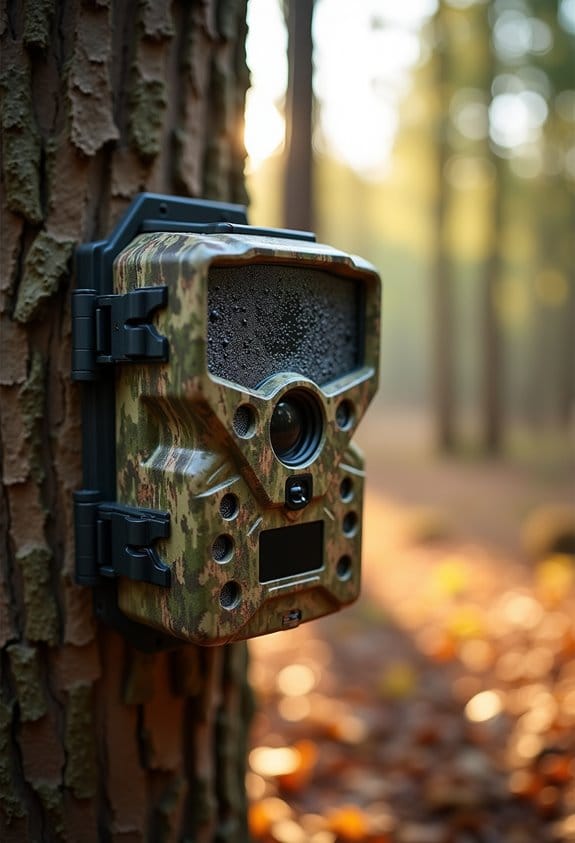
Condensation Inside the Lens Window: Causes and Prevention

Condensation inside camera lenses happens when warm, humid air cools quickly on the lens surface. This can blur your images and harm your equipment. Here are some important points to know:
- Humidity and temperature changes can increase condensation risks.
- The dew point is key—it’s the temperature where moisture forms.
- Prevention tips include using silica gel packets, neoprene sleeves, and allowing equipment to acclimatize.
You may be interested

Keep these strategies in mind to protect your gear and maintain clear images. You’ll discover even more helpful guidance ahead.
Key Takeaways
- Condensation forms when moving from warm to cooler environments, particularly in high humidity, as lens temperatures drop below the dew point.
- The dew point indicates when air can no longer hold moisture, increasing the likelihood of lens fogging.
- Moisture can blur images and lead to mold or corrosion, affecting the camera’s overall functionality.
- Utilize neoprene sleeves, heating straps, and gradual environmental transitions to reduce condensation risks.
- Store equipment with silica gel packets and monitor humidity levels to maintain optimal moisture control.
What Causes Condensation Inside Camera Lenses?
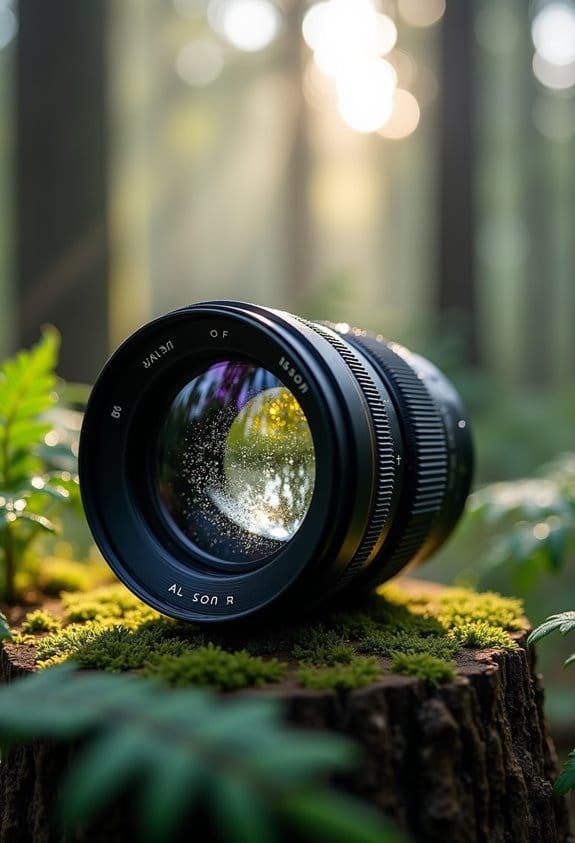
You know that moment when you’re out shooting photos, and all of a sudden you see condensation forming inside your camera lenses? It’s pretty frustrating, especially if you’re in the middle of capturing the perfect shot. This usually happens when you head from a warm space into a cooler one. When the temperature of the lens drops to the dew point, the moisture in the air starts to condense, creating those annoying little droplets we see.
So, what really causes this condensation inside lenses? Two main factors come into play. First, high humidity can increase the chances of condensation forming, especially if you’re in a humid environment. Second, quick temperature changes, like stepping inside from a hot day outside, can trigger that moisture to show up right in your lens.
Now, how can you keep condensation at bay when you’re out with your camera? One simple trick is to use lens sleeves or heating straps. These can help keep your lens temperature more stable when you transition between different environments. Another idea is to tuck silica gel packets in your camera bag. They absorb excess moisture and can help keep things dry. In addition, cameras with weatherproof design can help reduce the risk of moisture affecting internal components during outdoor use.
The Impact of Humidity and Temperature Changes
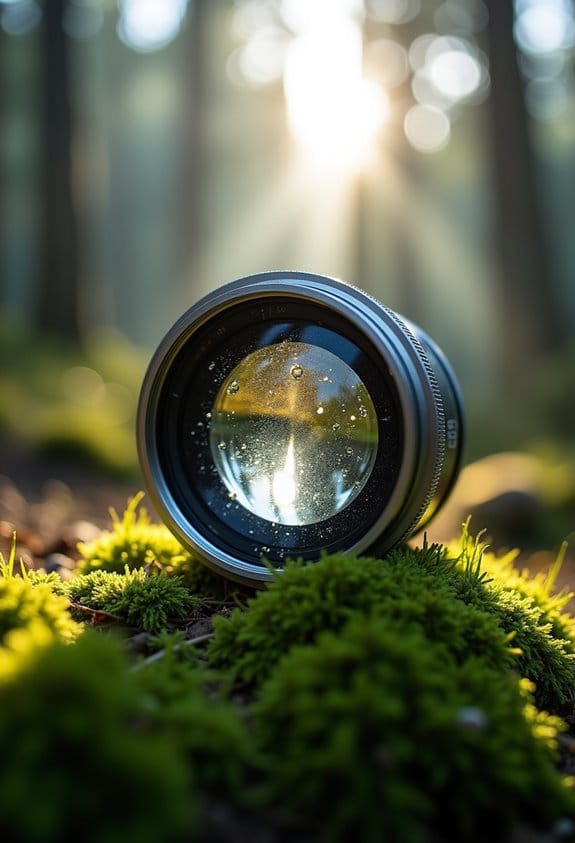
Hey! Let’s chat about how humidity and temperature changes can really throw a wrench in the works when you’re out shooting with your camera. You see, when your lens gets cooler than the dew point—especially in those muggy conditions—condensation can sneak in and ruin a perfect shot. This happens a lot, especially if you’re moving from a warm indoor space to a chilly outdoor environment, like stepping out of a cozy café into a brisk winter day.
So, how do we keep that pesky condensation at bay? First off, try to keep your lenses in dry, well-ventilated areas. For instance, if you’re headed to the beach where it’s humid, store your gear inside a sealed bag with silica gel packs; they’ll soak up excess moisture.
Another handy tip is to use heating straps that wrap around your lens. They help maintain a consistent temperature and can prevent condensation from forming. Imagine you’ve just taken your gear from a warm car to a cold landscape shoot—those straps could save your day! Many outdoor cameras also incorporate weather-resistant designs to help minimize issues caused by moisture buildup.
What Is Dew Point and Why It Matters for Condensation?
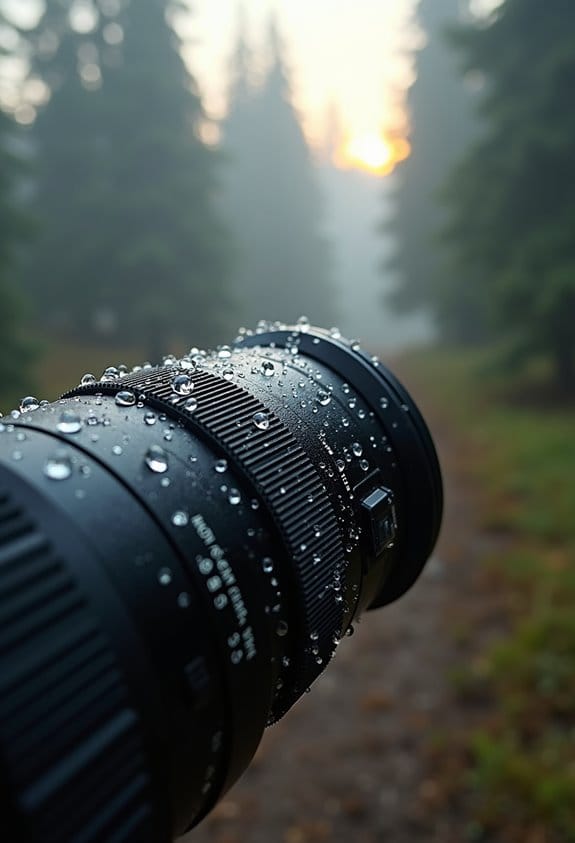
Hey there! So, let’s talk about the dew point and why it’s something every photographer should know, especially when you’re out capturing those stunning shots. Simply put, the dew point is the temperature at which the air can’t hold any more moisture—this means that at this temperature, water vapor starts to turn back into liquid. That’s what we see as dew forming on grass or your camera lens.
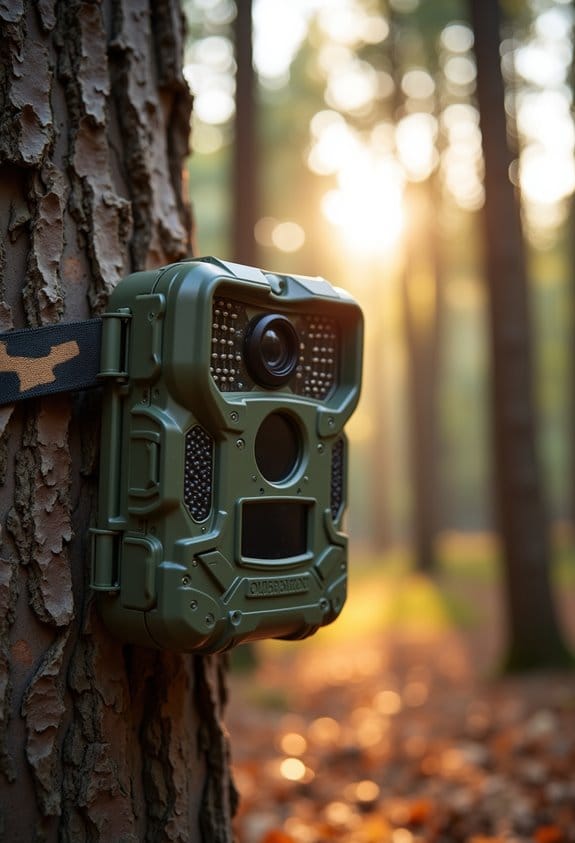
Understanding the dew point is super helpful for managing humidity while you’re shooting. If the dew point is high, it means the air is quite humid, and there’s a greater chance of condensation building up on your lens. For instance, let’s say it’s 70°F outside, but the dew point is sitting at 60°F. If your camera lens happens to cool down below that 60°F mark, you’ll likely notice some condensation forming, which can be a nuisance when you’re trying to get that perfect shot. This is especially critical when using devices like trail cameras with weatherproof designs to ensure clear and reliable performance during varying environmental conditions.
Understanding Risks of Condensation to Your Camera Equipment
Hey there! Let’s chat about something that many of us who love photography might overlook—condensation on our camera equipment. You wouldn’t believe what a little moisture can do: it can blur our images and distort the crispness we aim for in our shots. Imagine setting up the perfect sunset photo, only to realize it looks fuzzy because of condensation!
But that’s not all. When humidity creeps into our gear, it can lead to mold growth. That means you could end up with a musty camera that might need costly repairs. I once had a friend who left their camera in a humid environment, and it ended up with mold on the lens. Imagine trying to clean that up!
Plus, electrical components can corrode over time when exposed to moisture, which can seriously mess with how our camera works. It’s a good idea to store your gear in dry places and maybe even invest in silica gel packs to absorb any excess humidity. Using camera equipment with a high weather resistance rating can also help minimize condensation risks.
Top Strategies to Prevent Lens Fogging
Hey there! If you’ve ever been out in the field shooting photos and noticed your lens fogging up, you know it can be frustrating. Let’s talk about some simple but effective strategies for preventing lens fogging so you can keep those shots crystal clear.
First up, wrapping your lens in a neoprene sleeve can really help. It keeps the temperature more stable, which is great for reducing condensation when you’re moving between different environments—like going from a warm house to a chilly outdoors. Imagine you’re at a wedding; as everyone moves in and out of the venue, your camera’s lens can feel that temperature change.
Another handy tip is to use heating straps. They attach easily and can keep your lens warm enough to avoid that pesky dew point. For example, if it’s chilly out but you’re shooting a sunset, those straps can be the difference between getting a foggy shot or a stunning, clear image of the sunset.
Don’t forget about silica gel packets! You can toss a couple in your camera bag. They absorb excess moisture from the air, which helps keep your equipment dry and reduces the chance of fog forming on your lens.
Being mindful about how you transition between environments is key, too. Try to move from one area to another gradually. If you’re outside in the cold and then head indoors, give your gear some time to acclimate. And if it starts drizzling, use a transparent rain cover. It’ll help guard against humidity while still letting you see and shoot.
Using camera equipment with waterproof designs can also help minimize the risks posed by moisture and condensation during outdoor shoots.
Recommended Products
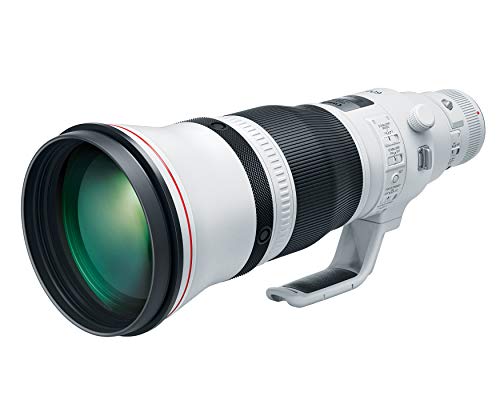
Revised Optics for a lighter Super telephoto EF L Lens

Advanced AI Autofocus & Subject Recognition – Powered by a new AI processing unit, Real-time Recognition AF uses human pose estimation technology to accurately detect and track people, animals, birds, insects, vehicles, and aircraft, supported by 759 phase-detection AF points for fast, reliable focusing across 94% of the frame.

WHAT’S INSIDE: The EOS R RF24-105mm F4 L IS USM Lens Kit features 1 EOS R camera body, 1 RF24-105mm F4 L IS USM Lens, 1 battery charger, 1 LP-E6N battery pack, 1 Cable protector, 1 IFC-100U Interface cable, and 1 wide strap
What to Do When Condensation Forms on Your Lens
Hey there! So, we all know that condensation can be a real headache for our camera lenses, right? Sometimes, no matter how careful we are, it sneaks in. When that happens, don’t be hasty in taking the lens off. Instead, let it adjust gradually to the temperature around it. This helps prevent any potential damage.
Here are a few simple steps you can take. First, if you can safely do so, gently warm the lens. A car heater or even a low setting on a hairdryer can work well—just make sure to keep it at a distance to avoid shocking the lens. That’s the last thing you want! Another handy tip is to use silica gel packets. You can easily toss a few into your lens cover or camera bag to help absorb any moisture and keep future condensation at bay.
And if you frequently shoot in humid conditions, think about getting a neoprene sleeve or a heating strap. These can help keep your lens warm and reduce the chances of condensation forming. Remember, regularly checking for moisture is key, as it helps protect your gear in the long run. Keeping your camera in tip-top shape means you can focus more on capturing the moments that matter! Additionally, using devices with solar-powered trail cameras can enhance reliability in varying environmental conditions.
Recommended Products

【Dimension】Inner size: 5.5x13.77 inch of the diameter and height. Pls measure your lens first to avoid size not match

SHELL CAMERA COVER: Designed for rugged environments and unpredictable weather, the Peak Design Shell is a form-fitting camera rain protector that shields your gear from rain, snow, dust and more – without slowing you down.

【Protective Camera Rain Cover】 This rain cover shields your camera or telephoto lens from water, rain, moisture, dust, dirt, and other debris, prevents water damage, and maintains their optimal performance in wet conditions or other adverse outdoor environments
Acclimatizing Your Camera Gear: Steps to Follow
Hey there! If you’re into photography like I am, you’ve probably wondered about acclimatizing your camera gear when moving between different temperatures. It’s super important because sudden changes can cause moisture problems, like condensation forming on your lens. Trust me, these little steps can save you a lot of trouble down the line!
First off, when you’re heading from a cold area to a warm one, make sure to keep your gear in its bag for about 30 minutes. This gives your equipment a chance to slowly adjust to the new temperature rather than shocking it all at once. Imagine you’ve been outside in the chilly air, and then you rush into a cozy room; your camera doesn’t want to go through that either!
Another handy tip is to toss a few Silica Gel packets in your camera bag. They work wonders by soaking up any moisture around and keeping humidity levels low. If you’re shooting in really cold weather, try wrapping your camera in something insulating like neoprene. It acts like a blanket, helping to buffer those temperature changes.
Keeping an eye on humidity is also key. If it’s really damp outside, think about how that can affect your photography gear; simply being aware can help you take preventive action. Additionally, using gear with waterproof ratings can safeguard your camera against moisture-related damage.
So, next time you plan your shoots, remember these easy steps to keep your camera in top shape!
Recommended Products

【Rechargeable & Reusable】 Each 50g bag can be reactivated in an oven at 240°F (120°C) for 2 hours—no waste, no refills. A sustainable solution for long-term moisture protection.
![Dry & Dry 500 Gram [120 Packet] Premium Pure & Safe Silica Gel Packets, Desiccant Packs, Silica Gel - Rechargeable Fabric Silica Packets, Silica Gel Packs](https://m.media-amazon.com/images/I/414QbDOCdVL._SL500_.jpg)
[High Quality] White silica gel beads only; These packets do not contain indicating beads and will not change color when they are saturated; 500 gram desiccant packets can cover approximately 32 cubic feet volume containers; We recommend placing more packets than recommended for extra protection; (Packet dimension: 5 inch x 9 inch)

【Portable and Durable Silica Gel Aluminum Desiccant Containers】: Silica gel aluminum can is designed with convenience and durability in mind. Each canister measures 4 x 2 x 0.5 inches, providing a compact size that is easy to carry and store. The high-quality aluminum construction ensures the canister remains firm and sturdy, protecting it from dents and damage. With their independent and portable design, these small silica gel tin canisters are a convenient solution for your storage needs.
How to Use Silica Gel and Dehumidifiers Effectively
Hey there! If you’re looking to keep your camera gear safe from moisture, using silica gel and dehumidifiers can really make a difference. Let’s break down how to use these two together effectively.
First off, silica gel packets are super handy. You can tuck them right into your camera compartments. They work by soaking up excess humidity, which is perfect for keeping everything dry. Just make sure to check on them regularly! In really humid weather, you might want to replace or recharge them more often to keep moisture at bay.
Then, there’s the dehumidifier. Think of it as your air’s best friend in damp areas. By running a dehumidifier in your storage space, it pulls moisture out of the air, which helps avoid any condensation forming on your gear. This is especially useful in places that tend to feel damp, like basements or certain closets.
And hey, it’s a good idea to keep an eye on humidity levels too. Grab a hygrometer to monitor how humid your space gets. When it starts climbing, you’ll know it’s time to add a fresh silica gel packet or turn on the dehumidifier.
Putting these methods together creates a solid defense against moisture for your precious camera equipment. It’s all about keeping it dry and protected so you can focus on capturing great moments rather than worrying about damage. Now that you have moisture control down, let’s talk about storage options that further protect your gear!
For deer camera enthusiasts especially, ensuring the equipment is stored properly is vital since models often feature weather resistance that helps but doesn’t fully prevent moisture buildup over time.
Recommended Products
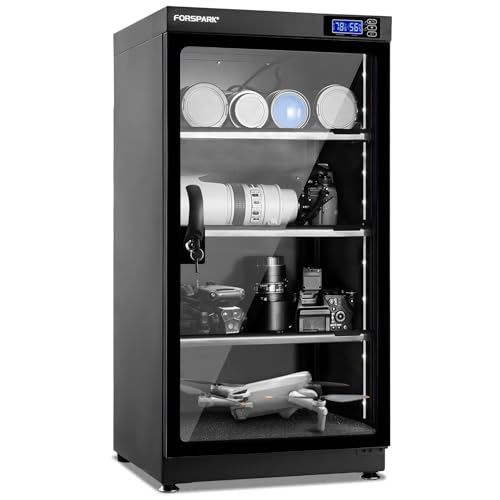
Smart Long-lasting RH Monitoring: Our intelligent dehumidifier maintains a stable 25%-60% RH and auto-activates when humidity exceeds your preset by 3%. Enjoy 10,000+ hours of camera and gear protection without maintenance

✅【STABLE HUMIDITY CIRCUMSTANCE】AUTENS dehumidifier dry cabinet is using microprocessor and TE Cooling for cold wafer design, which can detect temperature and humility in real time. When measured value of humidity exceeds setting value, it will start dehumidification; when measured value humidity is less than setting value, it will stop dehumidification. This ensures product being used in a stable humidity circumstance.

Advanced Thermoelectric Desiccation Cooling Technology for optimal humidity control | Electronically controlled dehumidification system, The customizable humidity control allows you to program and maintain the ideal relative humidity level, ranging from 30% to 60%, tailored to your specific storage needs.
Tips for Maintaining Temperature Control in Your Setup
When you’re out shooting, keeping an eye on temperature control for your gear is super important to prevent that pesky condensation. Imagine moving from a chilly outdoor scene to a warm indoor space—if you don’t give your gear some time to adjust, you might end up with moisture on your lens.
One great tip is to let your equipment acclimatize. Just give it a few minutes before you start snapping away, especially when you enter a different environment. A simple way to keep your lens warm and dry is by using a heating strap or a neoprene sleeve. It’s like giving your gear a cozy little blanket that keeps it above the dew point and ready for action.
Also, don’t overlook the power of silica gel packets. Toss a few in your camera bag, and they’ll do wonders in soaking up any excess moisture. If you’re frequently battling humidity, a portable dehumidifier can really help by keeping the air around you drier, which makes a big difference for your setup.
For trail cameras, choosing models with IP66 waterproof rating can also reduce internal condensation by preventing moisture ingress during humid or wet conditions.
Lasting Solutions for Managing Camera Lens Condensation Issues
Hey! So, let’s chat about something that can really cramp your style when you’re out capturing those perfect moments: camera lens condensation. It’s super easy to forget about this pesky issue while you’re focusing on getting that shot just right, but trust me, tackling condensation is key to keeping your lens performing at its best.
First off, consider popping some silica gel packets inside your camera bag or housing. You know those little packs that come with new shoes or bags? They’re great at soaking up moisture, which can help keep condensation at bay. Just remember to check and replace them regularly!
Also, make it a point to inspect your camera seals. This little maintenance check can save you a lot of hassle by pinpointing any areas where humidity might sneak in. If you’ve ever opened your camera after being in a humid environment and found that worrying fog, you’ll know exactly what I mean!
Another handy trick? Grab some anti-fogging spray designed for camera lenses. A simple spray on the lens surface can work wonders by preventing that annoying fog from forming. It’s like a little shield for your glass!
When transitioning between different environments—like going from a warm room to the chilly outdoors—try to keep things steady. Allow your camera to acclimate slowly instead of rushing right into the cold. This gradual shift can make a big difference in reducing condensation.
And if you’re headed to particularly humid or cold locations, think about investing in waterproof casings or even heating straps. They might seem a bit extra, but these added layers of protection can really help keep your gear safe from moisture.
To maximize protection against condensation, consider using mounting accessories made from weather-resistant materials to shield your camera from environmental moisture.
Recommended Products
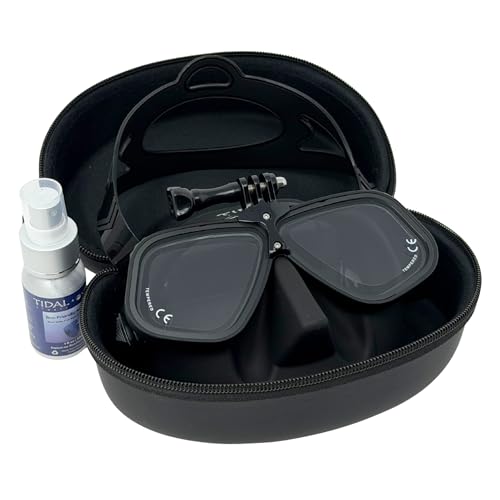
🤿 ADVANCED ANTI-FOG TECHNOLOGY: The APEX Tidal Mask comes pre-adhered with Advanced Anti-Fog Films that prevent fogging in all circumstances, and includes a Reef-Safe Anti-Fog Spray bottle to prolong and enhance the Anti-Fog Films’ properties.

PROFESSIONAL OPTICAL CLEANING KIT - Keep your Nightforce optics clean and clear at home and in the field with Nightforce Professional Optical Cleaning Kit (A431)

Cleaning and Anti-Fog: These lens wipes combine cleaning and anti-fog functions in one. They not only remove dust, grease, and fingerprints but also prevent fogging. With long-lasting anti-fog protection, they keep your lenses clear and crisp at all times.
Frequently Asked Questions
How to Get Rid of Condensation Inside a Lens?
To get rid of condensation inside a lens, we should apply proper lens cleaning techniques while focusing on humidity control and temperature regulation. Let’s keep our gear dry and store it in suitable conditions.
How Do I Prevent Condensation on the Inside of My Windows?
We’ve learned that just like a cozy blanket keeps us warm, effective window insulation tips, humidity control methods, and proper ventilation solutions guarantee our windows stay clear. Let’s keep our homes inviting, not foggy!
What Causes Condensation on the Inside of Glass?
Condensation on the inside of glass occurs due to humidity control issues and temperature fluctuations. We must guarantee proper lens maintenance to prevent this moisture buildup, especially when moving between different temperature environments.
How to Fix Windows With Condensation Inside?
To fix windows with condensation inside, we should consider lens repair tips, control humidity, and explore DIY condensation solutions. Replacing the insulated glass unit and using a dehumidifier can greatly improve the situation.