As an Amazon Associate, we earn from qualifying purchases. Some links on this site are affiliate links at no extra cost to you. Our recommendations are based on thorough research and editorial judgment.

Animal Interference: Chewing, Bumping, and Curiosity Damage

Animal interference can damage your vehicle through chewing, bumping, and curiosity. Common issues include:
- Chewed brake hoses causing brakes to fail.
- Damaged wiring leading to electrical problems.
- Nesting under the hood blocking parts, which can cause overheating.
You may be interested

To prevent this, consider protective covers and eco-friendly repellents. Regular maintenance helps catch early signs of damage. If you’re facing these challenges, know you’re not alone. We’ll share more tips on how to keep your vehicle safe from these pesky critters.
Key Takeaways
- Animals can cause significant damage to vehicles by chewing on brake hoses and wiring, leading to safety hazards and electrical issues.
- Preventative measures, such as parking in garages and using protective covers, can help minimize animal interference with vehicles.
- Regular inspections and maintenance can catch signs of animal damage early, preventing costly repairs and ensuring vehicle safety.
- Eco-friendly repellents and motion-activated devices can effectively deter animals from being attracted to parked vehicles.
- Documenting any damage and replacing affected parts promptly is essential for maintaining vehicle performance and safety.
Understanding Animal Interference
Have you ever thought about how animals can mess with our vehicles? It’s more common than you might think! From curious cats to nosy squirrels, these little creatures can cause some surprising damage in different ways. For example, you might find your brake hoses chewed up or discover a leak in your antifreeze because a critter decided to explore under the hood.
It’s pretty wild to hear people share stories about finding their cars with unexpected damage due to animal antics. While it might be funny at first, it’s definitely something to take seriously. To keep our vehicles safe, we can make a few simple changes—like parking in a garage if you have one or using protective covers when you leave your car outside.
Understanding how animals can interfere with our cars really opens our eyes to better protection strategies. Imagine if everyone started sharing their own tips on keeping those furry mischief-makers away! That kind of knowledge could help us all avoid those little surprises down the road.
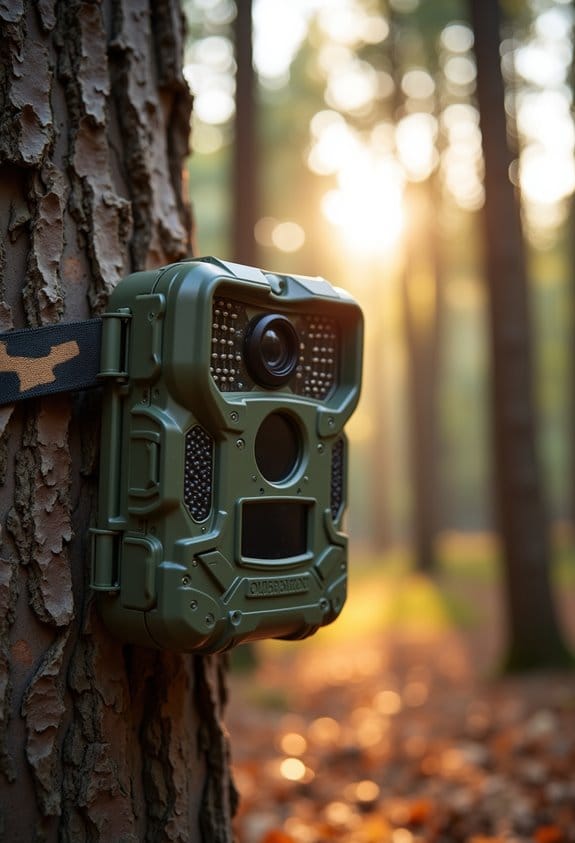
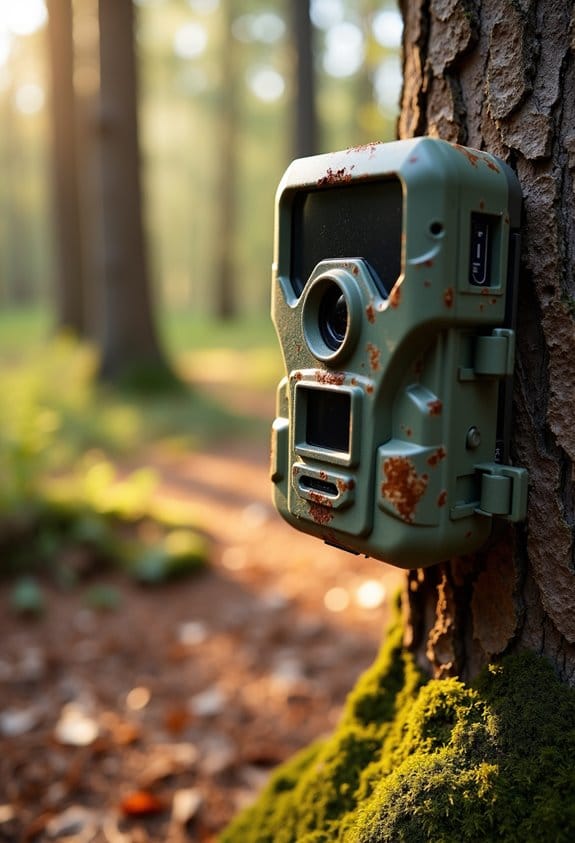
Using weatherproof technology similar to what is found in durable outdoor cameras could inspire new ways to protect your vehicle from animal interference.
Types of Damage From Chewing and Bumping
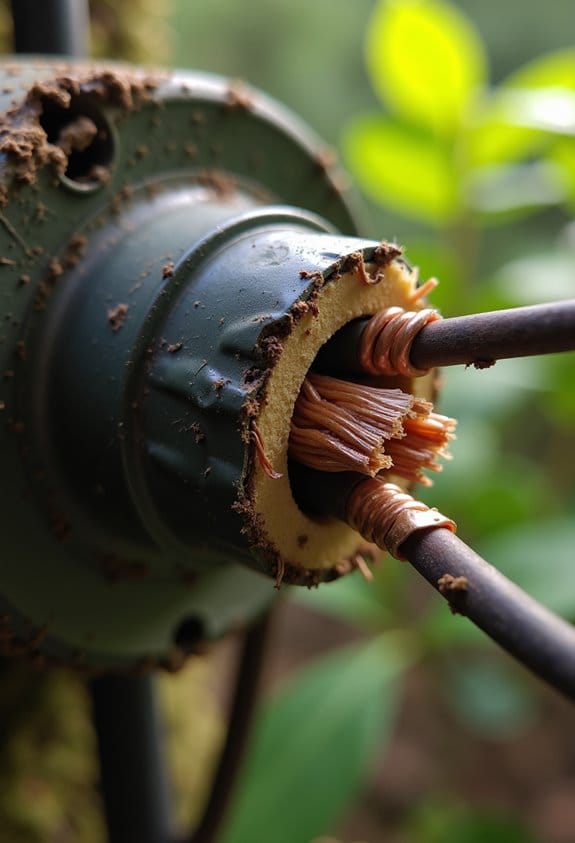
You might think animals are harmless, but the truth is, they can cause some serious damage to your vehicle, especially through chewing and bumping behaviors. When pets or wildlife start gnawing on things, it can lead to all sorts of problems. For example, if a little critter gets to your brake hoses, it can create safety hazards. And have you ever heard of wiring being chewed through? It happens more often than you’d think, leading to annoying electrical issues that can be a real headache.
When it comes to bumping and nesting, that’s another bag of trouble. If you notice dents and scratches on your car’s surface, they might just be the result of animals creating cozy little homes. Plus, if they nest in critical areas, it can block essential parts, which could mess with your vehicle’s performance. Using mounts made from rust-proof and corrosion-resistant materials can help safeguard against damage caused by these animal interactions.
Top Animal Offenders Causing Damage
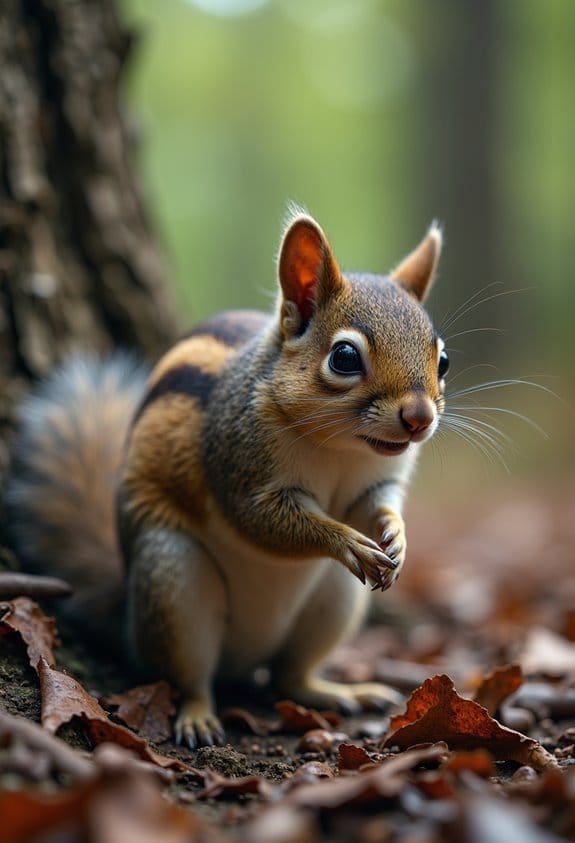
You wouldn’t believe the kinds of trouble some animals can cause for our vehicles! Those pesky little critters are known as animal offenders, and they can really do a number on your car if you’re not careful. Take cats, for instance — they’re curious by nature and have been known to chew right through brake hoses, which can lead to some serious safety issues.
But it doesn’t stop there. Squirrels and various rodents are also notorious for gnawing on rubber components like wires and hoses. Imagine opening your hood to find a nest made from your car’s insulation! This can lead to leaks and even brake failure, which is not something you want to deal with on the road.
Many vehicle owners have shared some eye-opening stories about the unexpected damage from these critters, and it’s more common than you’d think. Just keep an eye on where you park and don’t forget to inspect your vehicle from time to time. Being aware of these animal offenders can save you from some nasty surprises down the line, and it’s a great idea to take preventative measures, like using repellents or parking in secure areas. So, let’s chat about how to protect your vehicle from these furry troublemakers! Using devices equipped with motion detection technology can also help monitor and deter these animals effectively.
Recommended Products

Sonic Device: The Bird-X Critter Blaster PRO is a sonic device with a control panel to eliminate critters. It uses 8 different customizable digitally recorded harassment sounds that can be played at various intervals to irritate and disorient critters.
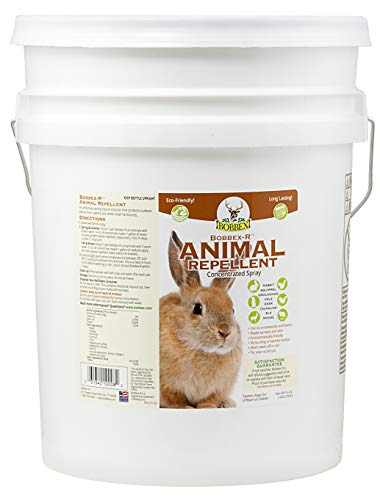
LONG-LASTING - Bobbex Animal Repellent is proven to be the most effective long-lasting spray on the market. Once applied, this product will not wash away. The deterring odor becomes undetectable to humans within 24 hours.
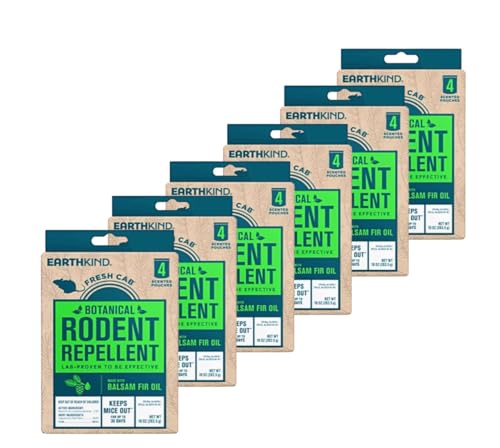
FAST ACTING - Fresh Cab keeps mice out! For preventative use in non-infested areas, simply place one pouch for every 125 square feet. Made with balsam fir oil, this non-toxic plant-based alternative freshens and protects our storage areas for up to 90 days
How Can I Stop Animals From Causing Damage?
Hey there! Did you know that animals can cause surprising damage to our vehicles? It’s pretty wild when you think about it, but there are definitely ways we can prevent this from happening. Let me share some straightforward tips to keep those pesky critters away from your ride.
First off, consider installing protective covers. This is a simple step you can take to shield vulnerable parts of your vehicle, like hoses and wires, from chewing animals. Durable materials go a long way in protecting those areas. For instance, you can find silicone or rubber wraps that are designed for this purpose.
Next up is regular maintenance. It’s essential to check your vehicle regularly to catch any signs of animal damage early on. If you spot any signs of chewing or nesting, you can address them before it turns into a bigger problem. Just think of it as giving your car a quick health check-up every now and then!
Using animal repellents can also be a game-changer. These can be as simple as natural sprays or granules that you can apply around your vehicle to keep curious animals at bay. Make sure to look for eco-friendly options that won’t harm other wildlife.
Another effective tactic is proper storage. Be mindful of how you store food and waste around your vehicle. Keeping these things secured can help minimize the chances of attracting animals looking for a snack. For example, use airtight containers for food and make sure trash cans are tightly sealed.
Lastly, consider installing motion-activated devices like sprinklers or lights around trouble spots. These can startle animals and keep them from getting too close to your vehicle. It’s a low-key way to encourage them to find somewhere else to hang out!
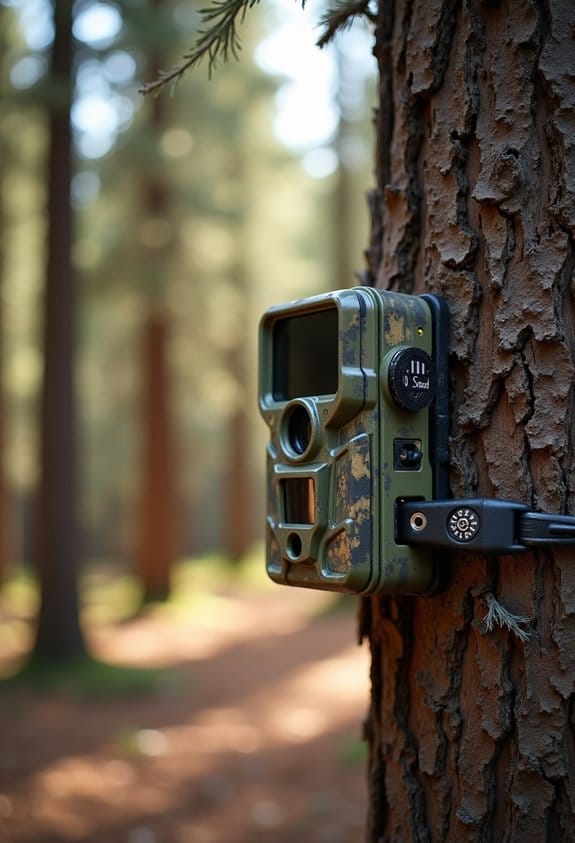
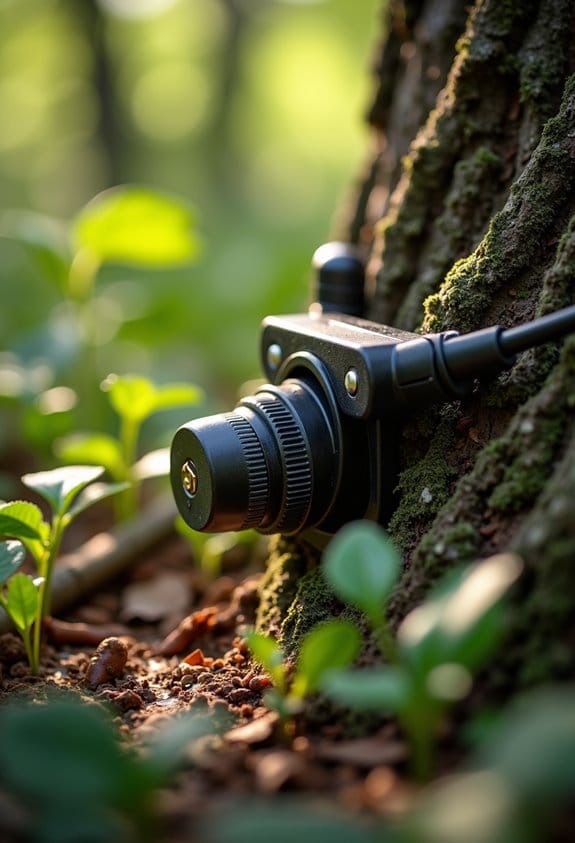
Additionally, setting up cameras at animal trails near your vehicle can help monitor and understand wildlife activity to better tailor your prevention strategies.
What to Do When Damage Happens?
So, you’ve found some damage to your vehicle from animals? That can be pretty stressful, but you can tackle it with a few straightforward steps. First, check out the areas that got hit right away. If you spot any chewed-up parts, those need to be replaced to keep your car safe and working well. For instance, a gnawed wire can not only lead to electrical problems but could also be a fire hazard.
Next, think about protecting vulnerable parts. A simple way to do this is by using protective covers or barriers around areas where animals tend to get curious. If you often park in a spot where critters roam, that extra layer can really make a difference.
Keep an eye on your vehicle, too. Regular inspections can help you catch things early, like chew marks on hoses or frayed wires. And if you want to take it a step further, using deterrents like bitter-tasting sprays or even just parking close to walls can stop critters from thinking your car is a snack.
Don’t forget, documenting any damage is crucial, especially if you need to file an insurance claim later. Keeping records of what happened over the past couple of years can really back up your case if repairs come up due to animal mischief.
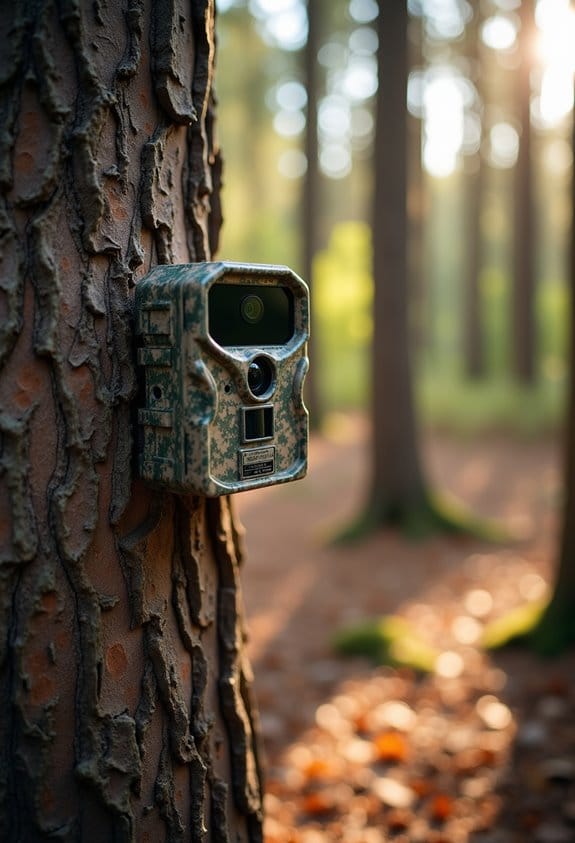
Taking these steps not only helps you manage any immediate damage but also prevents future headaches. Using technology such as cellular wildlife cameras can help monitor and prevent animal interference more effectively. Speaking of which, let’s talk about what to do if you encounter other types of unexpected mishaps with your vehicle.
Recommended Products

SPECIFICATIONS: Size: 1.25" |Length: 100 Feet | Flat: 1.03" | Diameter Expansion Range: 0.98" - 1.57" | Material: 304SS | Melting Point: Over 1000°C |Halogen Free
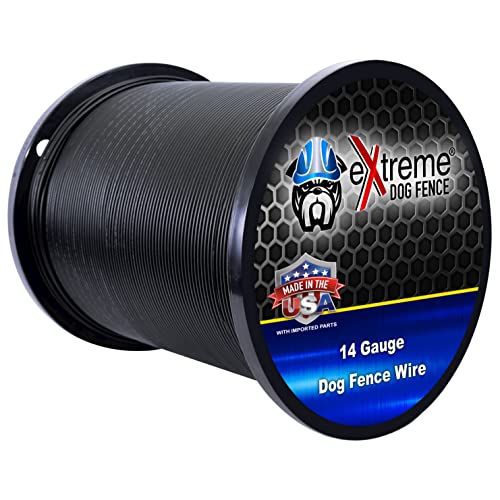
3000 Feet of 14 Gauge / Polyethylene Protected, Boundary wire that is UV Resistant, Direct Ground Burial Rated and of the Highest Quality Available ANYWHERE!

All Weather Protection: Rv Skirting is a new type of protective panel that protects your car from damage while parked. The skirt's stainless steel iron is powerful in preventing animals and unusually prolific tumbleweeds from entering the underside of the car and chewing through wires and damaging the interior. When other vehicles accidentally approach while backing up or driving, the protective fence can absorb the impact and avoid direct damage to the car body, keeping your car's appearance flawless.
Community Stories on Animal Interference
Hey there! Have you ever thought about how common animal interference is for vehicle owners? It’s a real issue that many people experience, especially with Ford Edge vehicles. A lot of us have encountered some quirky problems, and I want to share a few of those stories.
For instance, did you know that cats and squirrels love to munch on brake and radiator hoses? It’s a bizarre habit, but it can result in some pretty expensive repairs. I once heard about an owner who didn’t realize their car had a chewed hose until they found a huge puddle of coolant under the car. Talk about a surprise!
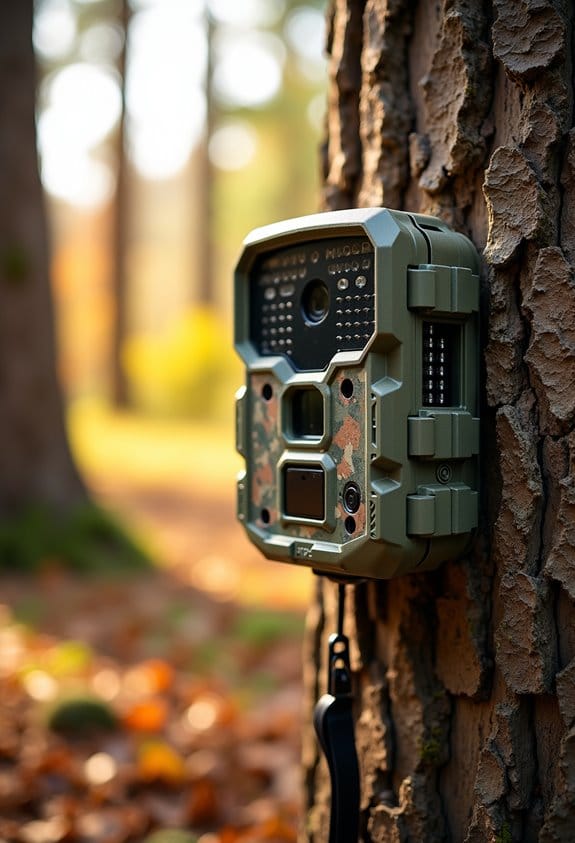
And it’s more than just chewing. Some folks notice mysterious antifreeze leaks and can’t figure out where they’re coming from. It often turns out to be these little critters getting into places they shouldn’t. Social media has become a fun platform for sharing these wild tales; it’s nice knowing others can relate. When we trade stories about our shared animal escapades, it brings a sense of community, and we can laugh about our frustrations together. For those wanting to monitor such activity, using cameras with advanced night vision technologies provides clear footage even in low light or darkness.
Frequently Asked Questions
What Two Major Concerns Result From an Animal Bite?
When considering animal bites, we’re concerned about legal implications and potential liability. These bites can lead to expensive medical bills and litigation, affecting both the injured party and the pet owner involved in the incident.
What Are the Two Main Concerns With Animal Bites?
We’ve all heard tales about animal bites, haven’t we? The two main concerns are infection risks and physical injuries. These behavioral implications can impact our interactions with animals, reminding us to be cautious and respectful.
What Happens if a Rabbit Chewed a Wire?
If a rabbit chews a wire, it can expose live wires, creating serious wire safety hazards. This can lead to electrical shorts, fires, and risks for both our pets and us, so we must be cautious.
What Is the Most Common Complication From an Animal Bite?
Like a hidden storm, the most common complication from an animal bite is infection risks. We must stay vigilant, as bacteria can swirl in, leading to serious conditions. Quick treatment can make all the difference!