As an Amazon Associate, we earn from qualifying purchases. Some links on this site are affiliate links at no extra cost to you. Our recommendations are based on thorough research and editorial judgment.

Avoiding Sun Glare: Directional Setup and Time-of-Day Thinking

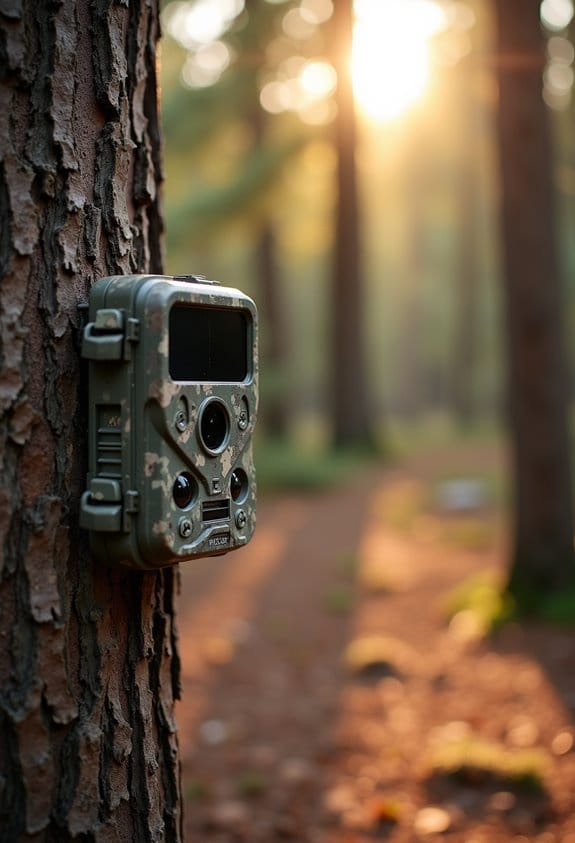
To avoid sun glare in your photography, we’ll focus on setup and timing. First, think about the direction of light. North-facing windows offer soft light, while south-facing can create intense glare. Next, shoot during the golden hour, either early morning or late afternoon, for the best quality. Position your subjects away from direct sunlight and use reflectors or diffusers to manage harsh shadows. These simple tricks can enhance your images. Let’s explore more techniques to perfect your photos.
Key Takeaways
- Shoot during golden hour for softer, diffused lighting, minimizing glare and enhancing image quality.
- Position subjects away from direct sunlight to prevent harsh shadows and reflections.
- Utilize north-facing windows for even, gentle light, avoiding the intensity of south-facing windows.
- Use reflectors and diffusers to control and soften light, reducing glare while maintaining image clarity.
- Assess the sun’s position and window direction throughout the day to choose optimal setup times.
Understanding Sun Glare: Why It’s Important for Photography

You may be interested



Hey there! If you’re diving into photography, one thing you’ll definitely want to understand is sun glare. It happens when intense sunlight shines directly into your camera lens, creating those pesky reflections that can spoil your shots. Trust me, no one likes a blurry or washed-out picture!
To tackle sun glare, think about the time of day you’re shooting. The sun’s angle changes throughout the day, and during early mornings or late afternoons, the light is much softer. For example, if you set out early to catch a sunrise, you’ll find the colors are richer, and there’s that lovely glow without the harsh glare of midday sun.
Another handy trick is using a polarizing filter. This little accessory can really cut down on reflections and make your colors pop. Imagine capturing a lake with clear blue water; a polarizing filter can help you see right through the glare on the surface.
And don’t forget about the golden hour! Try planning some of your shoots just after sunrise or right before sunset. This way, you can bypass the harsh sunlight and enjoy a more flattering light that enhances your subjects beautifully.
Lastly, always be mindful of the sun’s position. When you can, position yourself with the sun shining behind you. This can help keep glare at bay while ensuring your subject is well-lit. With these tips, you’re on your way to capturing stunning images free from that annoying sun glare! So, what do you think? Want to explore more techniques for getting the best shot?
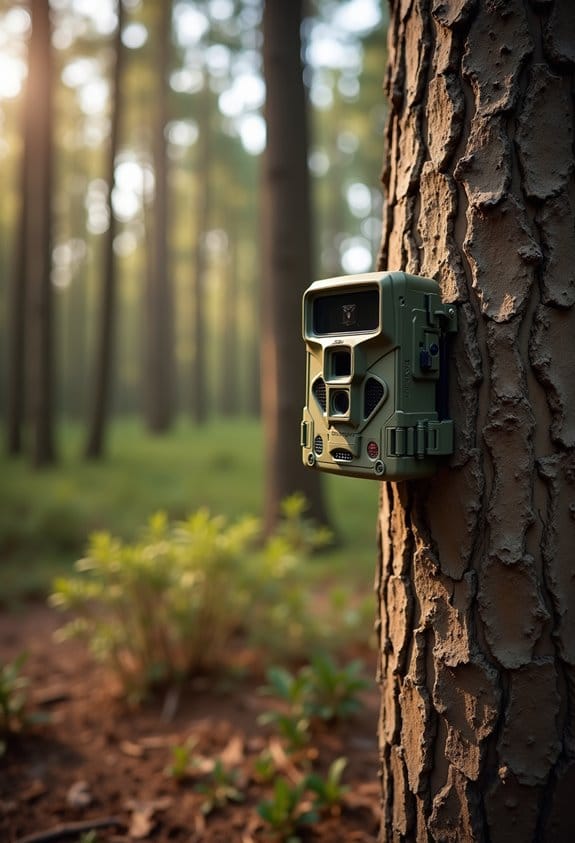
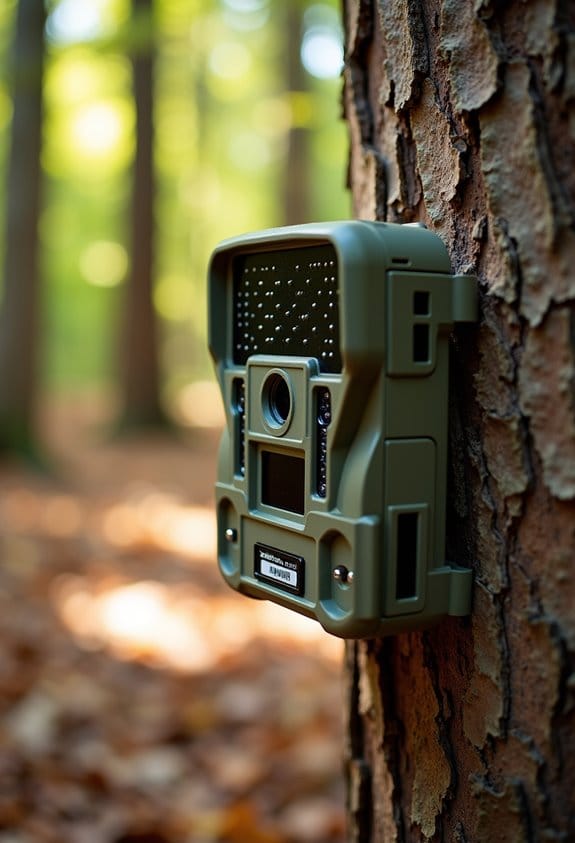
Additionally, understanding how detection range affects image capture can help you position your camera to minimize issues like glare and maximize photo quality.
Best Times for Natural Light Photography

Hey, have you ever noticed how natural light photography can really transform your images? It’s all about timing and understanding how light works at different times of the day. Let’s break it down!
First off, there’s that magical moment called the golden hour. This happens just after sunrise and right before sunset. During these times, the light is soft and diffused, making everything look dreamy and beautiful. For example, if you’re shooting a portrait, the golden hour light can wrap around your subject nicely, reducing harsh shadows and giving a warm glow.
If you’re photographing indoors, think about the orientation of your windows. East-facing windows catch those beautiful morning rays, which are great for brightening up your kitchen or breakfast nook. Just imagine capturing a yummy breakfast with gentle morning light streaming in – that’s a recipe for a stunning shot! On the flip side, west-facing windows are your go-to for the late afternoon light. This is perfect for those warm sunset images when the sun starts to dip, creating a cozy ambiance.
Now, midday can be tricky. The sunlight is usually very intense, which can cause harsh shadows or overexposed shots. But here’s the trick: look for shady areas or use reflectors to bounce the light. For instance, shooting under a tree or near a shaded building can create a beautiful, even light without the harshness. For capturing wildlife or outdoor scenes effectively, understanding how to use trigger speeds can help you seize fleeting moments with precision.
Using Direction to Minimize Sun Glare

Hey there! If you want to take advantage of natural light while keeping annoying sun glare to a minimum, you really need to consider the direction your windows are facing. It makes a big difference!
For instance, if you have north-facing windows, you’re in luck! These let in soft, even light that won’t blind you—perfect if you’re working on your computer or showcasing some beautiful artwork. It creates a calm, inviting atmosphere without harsh bright spots.
On the flip side, south-facing windows can be a bit too intense with that direct sunlight streaming in all day. To combat the glare, think about using blinds or adding low-E coatings to your windows. This can really help cut down on the harsh light while still letting in some warmth.
Now, if you have east-facing windows, you’ll probably enjoy bright, cheerful morning light that slowly fades by midday. This makes them an awesome choice for places like kitchens, where you want gentle, uplifting light to start your day.
But beware of those west-facing windows! They often bring in that blazing afternoon sunlight, which can lead to significant glare and heat build-up. A smart fix here is to install UV-blocking films or shades to help maintain comfort during those hot hours.
Using technologies with no glow infrared LEDs can also help minimize light disturbance when monitoring natural light reflection and glare outdoors.
How to Position Your Subjects to Avoid Glare
Hey there! If you want to avoid glare during your photo shoots, positioning your subjects in the right way can really make a big difference. One easy tip is to have your subjects face away from strong light sources, like direct sunlight. This way, you can dodge those harsh shadows and glaring spots.
Another great time to shoot is during the golden hour—right after sunrise or just before sunset. The sunlight during these times is softer and can really help you reduce glare. You might notice how the warmth of that light casts a beautiful glow instead of a harsh glare on your subjects.
If you find yourself dealing with direct light, look for some shade. It could be under a tree or even an awning. This allows your subjects to stay sheltered from that intense sunlight while still capturing the ambient light around them.
And don’t forget to play with angles! If you’re working near reflective surfaces, try adjusting your subject’s position slightly. You can even use diffusers to soften the light and keep those pesky reflections in check.
Getting these details right can elevate your photography, helping you capture the best shots without glare getting in the way. Using equipment with low-glow infrared technology can further minimize glare in low-light outdoor settings. Next, let’s chat about how to make the most of natural lighting in different settings!
Using Reflectors and Diffusers for Great Light Control
Hey there! You know how important lighting is when you’re taking photos, right? Well, using reflectors and diffusers can really change the game for your images. Reflectors are great because they bounce light back onto your subject, effectively softening those harsh shadows—especially on those bright, sunny days when the sun’s directly overhead.
Here’s a tip: if you want to get the best light on your subject, position your reflector at an angle. Also, think about the material you choose; silver reflects a brighter light, while gold adds a warm glow, and white creates a soft, natural look. For example, if you’re photographing a portrait, using a white reflector can help make your subject’s skin tones look beautiful and even.
Diffusers, on the other hand, are perfect for softening direct sunlight, which reduces glare and contrasts that can be too harsh. Think of it this way: using a diffuser, like a scrim, helps you create a lovely, diffused light that wraps around your subject. This works wonders for those mid-day shoots when the sun is blazing. Just imagine taking a product shot with a scrim set up—it can make everything look polished and professional.
Mastering these tools will definitely raise your photography skills, making your images look more polished and inviting. So, let’s explore more about how to make the most of the natural light available to you! Keep in mind that in outdoor photography, managing trigger speed and detection can enhance capturing precise moments with natural lighting.
Common Mistakes to Avoid With Sun Glare
We all adore snapping those stunning sunny shots, right? But let’s be real—sun glare can really mess things up! One of the biggest blunders we often make is not considering where the sun is in the sky. It might be lovely in the morning, but come late afternoon? That bright light can create some serious glare.
Another common mistake is overlooking the direction of your windows. For instance, if you have south or west-facing windows, those areas can get super bright and hard to work with. If you’re set on getting softer light, think about utilizing north-facing windows instead. They usually provide a more gentle glow that won’t wash out your shots.
Don’t forget about shading options! Installing adjustable blinds or applying window films can work wonders during those peak glare hours. Also, things like eaves or awnings can be real lifesavers—they block direct sunlight and make the space feel a lot cozier.
And hey, if you’re using shiny surfaces in your décor, that can enhance glare as well. Opt for matte finishes instead to help keep things under control.
Arming yourself with these tips can really help you manage glare while also being mindful of your energy use. Additionally, just like selecting the ideal angle to avoid glare, choosing the right detection angle is key for capturing clear and comprehensive images of wildlife. Next up, let’s chat about how the colors in your space can also impact light and overall vibe!
Frequently Asked Questions
What Direction Is Best for All Day Sun?
For all-day sun, we should focus on south-facing windows. They align perfectly with the sun path, maximizing exposure while helping with glare reduction during peak hours, creating a warm and inviting atmosphere in our spaces.
What Is the Best Orientation for Windows in a Building to Take Advantage of Daylighting?
Have you ever wondered about ideal window positioning? For maximizing daylighting benefits, north-facing windows are often best. They offer soft light while reducing glare, creating a comfortable and inviting space for all of us to enjoy.