As an Amazon Associate, we earn from qualifying purchases. Some links on this site are affiliate links at no extra cost to you. Our recommendations are based on thorough research and editorial judgment.

Night Work Safety: Setting Cameras After Dark Without Accidents

Setting up cameras after dark can be tricky, but we can do it safely. First, confirm your light sources are bright enough to help the cameras. Second, use motion-activated cameras that only record when they sense movement, saving storage. Training is key – we should teach staff to spot dim areas and report anything suspicious right away. A buddy system also boosts confidence. If you follow these tips, you’ll enhance safety while securing your site. There’s more to explore about camera placement and safety protocols.
Key Takeaways
- Ensure proper lighting in key areas to enhance camera visibility and minimize accident risks during nighttime camera setup.
- Utilize a buddy system to support workers while installing cameras, promoting safety and confidence in low-light environments.
- Conduct regular site walkthroughs to identify and address poorly lit areas that could lead to tripping hazards during setup.
- Familiarize workers with emergency protocols before night shifts to ensure quick and effective responses to any incidents or accidents.
- Position cameras strategically near existing light sources to improve footage quality and reduce glare when recording at night.
Identifying Nighttime Risks in Construction Security
You may be interested

Hey there! You know, nighttime work in construction comes with its own set of risks that we really can’t overlook. For starters, did you know that theft rates can skyrocket by as much as 300% during night shifts? Security monitoring becomes super important during these hours.
Criminals often eye those empty job sites, thinking they’re an easy target—especially if the area isn’t well-lit. It’s not just about theft, though; poor visibility can cause accidents too. For instance, workers can easily trip over equipment when glare and shadows play tricks on their eyes. And with fewer people around at night, it becomes even easier for someone to slip onto the site unnoticed.
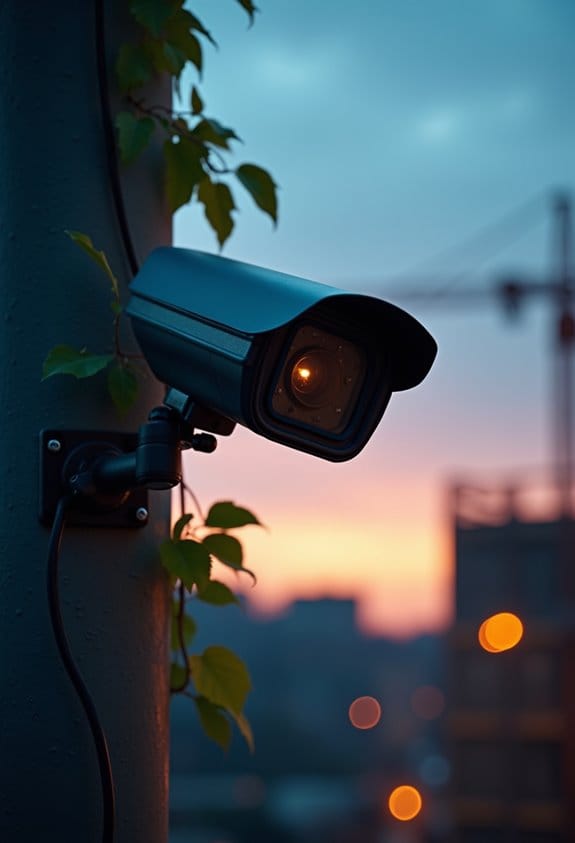
So, what can we do about these challenges? One effective measure is installing construction security cameras. These aren’t just for show; they really help deter theft and keep an eye on what’s happening. Plus, knowing that you have that extra layer of security can give peace of mind to everyone on the team. It protects not just your tools and materials but also contributes to a safer environment for everyone involved.
With all that in mind, let’s talk about some practical steps in boosting site safety, especially at night. Using cameras equipped with no-glow IR night vision technology ensures clear monitoring without alerting intruders, making them ideal for dark conditions.
Essential Training for Night Security Workers
Hey there! When it comes to keeping our construction sites safe at night, having well-trained security workers is key. Did you know that theft can be up to 300% more likely after dark? That’s why it’s crucial for security staff to be aware and ready for any potential threats.
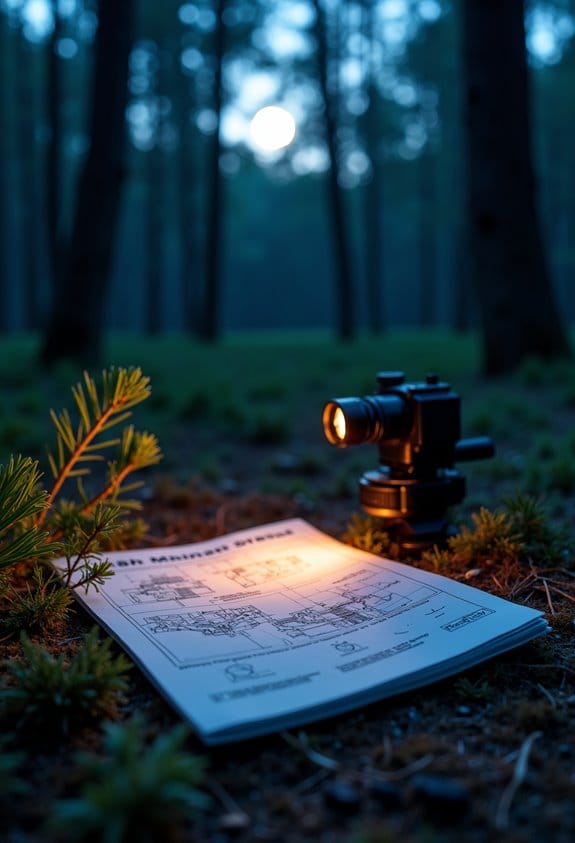
First off, let’s talk about surveillance skills. Training should include hands-on experience with surveillance cameras so that workers can effectively monitor live footage and react quickly if motion is detected. For instance, understanding how to adjust camera angles can help cover blind spots that might be tempting for thieves.
Next, identifying hazards is super important. Workers need to be able to recognize areas that are poorly lit and ensure those spots are under the watchful eye of cameras. If a certain corner of the site is dim, they should place extra attention there. Plus, having a buddy system could boost their confidence when patrolling those dark spots.
Communication plays a big role too. Workers should always report any suspicious activity immediately. That quick call or message could make all the difference in preventing a crime. And speaking of safety, knowing the emergency protocols helps everyone respond rapidly to any incidents.
With tools like infrared night vision, combined with effective training, we can really boost the safety and security on our sites. It’s all about staying one step ahead and being proactive. Let’s explore how these strategies can be implemented step-by-step to enhance nighttime security even further! Utilizing cameras with low-glow infrared flash technology can greatly improve visibility while remaining discreet during nighttime surveillance.
Choosing the Right Camera Technology for Night Security
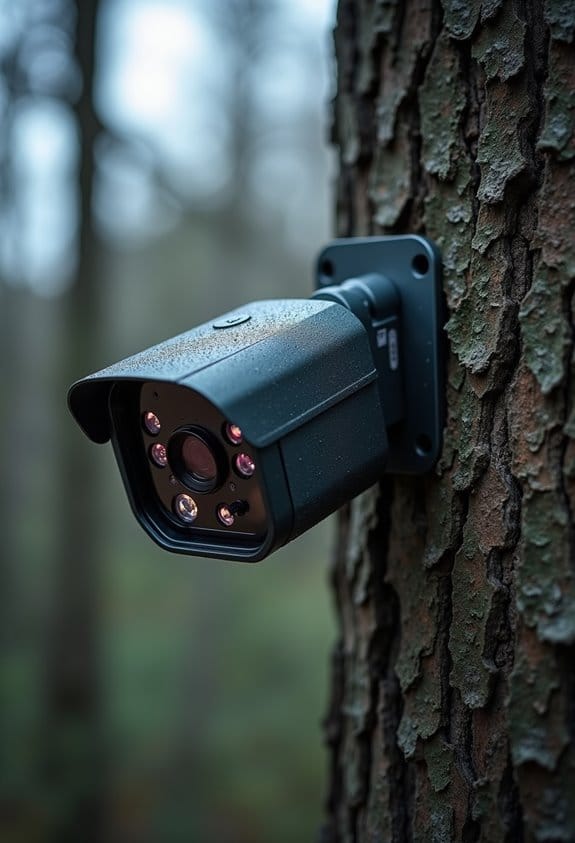
When picking the right camera technology for night security, especially for construction sites, it’s essential to consider what will work best for your needs. There are a few great options out there that can really enhance how well you keep an eye on things after dark.
First up, infrared cameras. These are fantastic for total darkness because they let you see clearly, even when the lights are off. However, keep in mind that the resolution might not be as sharp as you’d like. On the other hand, image intensification cameras are better suited for areas with some light. They work by amplifying whatever light is available, making details stand out even in murky conditions.
Then there are thermal imaging cameras. These nifty devices don’t rely on light at all; they detect heat instead! This makes them perfect for spotting anything warm-blooded—like people or vehicles—lurking around when they shouldn’t be. For instance, if someone tries to sneak onto your site, the thermal camera will catch their body heat, letting you act quickly.
Another feature worth considering is motion-activated cameras. They save on storage space by only recording when something moves. It’s a smart way to ensure you don’t miss any critical events while keeping your data manageable. If you’re curious about options, companies like TrueLook offer night vision cameras with all sorts of features, including motion detection and time-lapse settings, so you can tailor things to fit your site.
Additionally, cameras with fast trigger speeds are crucial for capturing quick movements without missing key moments during night monitoring.
In the end, understanding your specific needs will help you choose the right camera technology for night security. This way, you can better protect your construction site while enjoying peace of mind.
The Role of Lighting in Enhancing Night Security Camera Visibility
Hey there! So, let’s chat about how lighting really boosts the visibility of night security cameras. If you’re keeping an eye on a construction site after dark, proper lighting can make a huge difference in what those cameras can capture. Believe it or not, some high-definition cameras can operate effectively in super low light—like as low as 0.1 lumens.
To give you a clearer picture, moonlight provides about 0.2 lumens, and that might just be enough for those cameras to provide decent footage. Plus, many modern cameras have this nifty feature where they automatically adjust to changes in light, so they can keep your site well-monitored even if conditions shift.
And let’s not forget about infra-red cameras! These clever devices can work in complete darkness. They detect heat differences to help you identify potential hazards or security threats. For instance, if someone is lurking around and their heat signature stands out against the cooler background, the camera will pick that up easily. So, having the right lighting not only enhances video quality but also makes your surveillance much smarter.
Choosing cameras with low-glow infrared flash technology can help maintain discreet and clear nighttime images without disturbing the environment.
With this understanding, it’s clear that investment in proper lighting and smart camera technology can significantly improve nighttime security. Next, we can explore some specific types of lighting solutions that work hand-in-hand with these cameras for even better results!
Effective Strategies for Optimal Camera Placement in Low-Light Environments
You know, when it comes to camera placement in low-light environments, it’s not just about the tech—you have to think about where you put those cameras, too. If you take the time to get it right, you can really boost visibility and make your surveillance more effective.
One easy tip is to position your cameras near existing light sources, like streetlights or building exteriors. This way, you can take advantage of the natural illumination to help your cameras capture better footage. For example, if there’s a streetlight on the corner of a parking lot, installing a camera close by could significantly improve visibility during nighttime.
Another neat strategy is to mix and match camera types. Have you considered using infrared cameras alongside regular ones? Infrared cameras can “see” in complete darkness, which is super useful for monitoring areas that aren’t well-lit at all. And while you’re at it, make sure to assess any blind spots; those are potential trouble areas that need coverage.
It’s also a great idea to review your camera placements regularly, especially if there’s construction or changes in the layout. For instance, if a building is erected that blocks your camera’s view, things can quickly become less effective. Lastly, think about using motion-activated systems. They help you save storage by only recording when there’s movement, capturing the moments that matter most.
Additionally, using mounts made from weather-resistant materials ensures your cameras stay secure and protected despite harsh outdoor conditions.
Utilizing Wi-Fi Monitoring for Enhanced Night Security
You know, using Wi-Fi monitoring for night security might sound a bit tricky at first, but trust me, it actually makes keeping an eye on your property a whole lot easier. Picture this: you can check the camera feeds from your smartphone or laptop whenever you want, whether you’re on the couch or thousands of miles away on vacation.
One of the coolest features is the motion alerts. Imagine getting a notification on your phone if someone walks too close to your house at night. It gives you that peace of mind knowing you’re always in the loop about what’s happening around you. Plus, these cameras are super smart—they only record significant events, so your storage space doesn’t get filled up with hours of nothing happening.
And here’s another thing: these cameras work great even in low light. They’ve got advanced technology that ensures you still get clear visuals when it’s dark outside. This can deter potential burglars, as nobody wants to mess with a property that’s clearly being monitored. Think of it as having a guard on duty, but without the high costs.
For the best long-term performance, consider cameras with IP66 or IP68 ratings that are weatherproof and durable for outdoor use.
Benefits of Motion-Activated Cameras for Immediate Incident Response
When it comes to nighttime security, using motion-activated cameras can really make a big difference, especially in the construction industry. Imagine a system that buzzes you with an alert the moment it detects any movement in a restricted area. That’s exactly what these cameras do, letting security respond quickly to any potential incidents.
These cameras are great for keeping an eye on specific areas where only authorized people should go. For instance, if someone tries to sneak into a site after hours, the camera captures the action, providing crucial evidence if needed. Plus, they don’t record all the time—only when they sense motion. This means you save on storage space for the important footage, rather than wading through endless hours of nothing happening.
Another awesome perk? They help catch potential safety hazards before they lead to accidents. Imagine a worker tripping over an obstacle in the dark; the camera could pick up that situation quickly, allowing for immediate corrective action. And let’s not forget the deterrent aspect—just the sight of these cameras can keep troublemakers away, improving safety for everyone on the job.
Many of these devices also offer fast trigger speeds, ensuring that no critical moment is missed during their operation.
Developing a Safety Protocol for Night Operations
Hey there! So, let’s chat about how we can develop a solid safety protocol for night operations. It’s super important to keep everyone safe when the sun goes down, especially since there are unique challenges at night.
First up, regular training is key. We want night shift workers to feel prepared and aware of the safety precautions they need to take. For example, educating them about emergency procedures not only helps in keeping everyone safe but also combats the higher risk of theft during those late hours.
We should also consider putting in place some surveillance systems. Imagine having motion-activated cameras. They can send real-time alerts if something unusual is detected, acting as a great deterrent for potential risks. Plus, performing site walkthroughs can really help us identify poorly lit areas that could lead to accidents. Just a few extra lights can make a big difference.
Another aspect to think about is driver monitoring. Fatigue is a big issue at night, so implementing tech that tracks driver drowsiness can prevent serious accidents. It’s like having a buddy watching your back, ensuring you’re alert enough to drive safely.
Finally, let’s ensure we collaborate with security providers, like Monitex. They can help us keep our safety protocols updated with the latest best practices. This way, everyone feels secure and can focus on the tasks at hand. Doesn’t that sound like a smart plan? What do you think we should tackle next in our safety strategy?
Incorporating motion-activated cellular cameras with instant notifications can greatly enhance real-time awareness during night operations.
Frequently Asked Questions
Can Security Cameras Work in the Dark?
Absolutely, security cameras can work in the dark! With infrared technology and impressive low light performance, they capture clear images even when visibility is poor. We can safeguard our spaces effectively, day or night.
What Blocks Night Vision Cameras?
Night vision cameras can be blocked by infrared interference from bright lights and obstructions. Poor lighting conditions like fog or shadows also hinder their effectiveness, so we must carefully consider our surroundings when setting them up.
What Camera Setting Is Best for Night?
When it comes to night settings, we recommend using low light options with adaptive exposure adjustments. This way, we can guarantee our cameras capture clear images, illuminating even the darkest corners of our worksite effectively.
How to Fix Night Vision on Security Camera?
To fix night vision on security cameras, we should make night vision adjustments, enhance infrared lighting, and guarantee lens cleanliness. These steps help improve image clarity in low-light conditions, making surveillance more effective.