As an Amazon Associate, we earn from qualifying purchases. Some links on this site are affiliate links at no extra cost to you. Our recommendations are based on thorough research and editorial judgment.


Weatherproof Ratings (IP Codes) for Outdoor Cameras: What to Trust

When selecting outdoor cameras, understanding weatherproof ratings, or IP codes, is essential. These ratings tell you how well a camera resists dust and water. For example, IP65 resists light rain, while IP67 can handle temporary submersion for 30 minutes. It’s important to match the IP rating with your environment. Remember, higher ratings mean better protection, but they aren’t foolproof. Keep going to discover more about maintaining these cameras and debunking common myths surrounding IP ratings.
Key Takeaways
- IP ratings indicate dust and water resistance; IP65 is suitable for light rain, while IP66/IP67 withstand harsher conditions.
- Higher IP ratings don’t guarantee complete protection; understand testing conditions may not reflect real-world scenarios.
- Look for the official IP code, as “water-resistant” may lack proper certification and could be misleading.
- Regular maintenance, including checking seals and cleaning lenses, ensures cameras maintain their waterproofing capabilities.
- Avoid reliance on myths like the “rice trick” for water damage; replace damaged cameras to ensure ongoing security.
Understanding IP Ratings: What Do They Really Mean?
You may be interested
Hey there! So, you’re thinking about getting an outdoor camera? That’s awesome! One of the first things you’ll want to look at is the IP rating. IP ratings, or Ingress Protection ratings, give you a clear idea of how well that camera can handle dust and water.
Let’s break it down. The first digit of the rating tells you about dust protection, and it can range from 0 to 6. A rating of 6 means the camera is totally dust-tight, which is perfect if you’re placing it in a sandy area or somewhere windy.
The second digit is all about water resistance, which goes from 0 to 9K. If you see an IP67 rating, for instance, it means the camera can be submerged in water for up to 30 minutes without having issues. That’s great if you’re expecting heavy rain or if your camera might get splashed around.
It’s really helpful to know what these ratings mean because it prepares you for the real-world conditions your camera may face. For light use, an IP65 rating could work just fine, but if you live in a rainy place, you might want to check out models with IP66 or IP67 ratings for better protection. Understanding these details can save you from potential headaches down the road! Ready to choose the perfect camera? Let’s explore some durability & weather resistance top options!
Differences Between Key Outdoor Camera IP Ratings
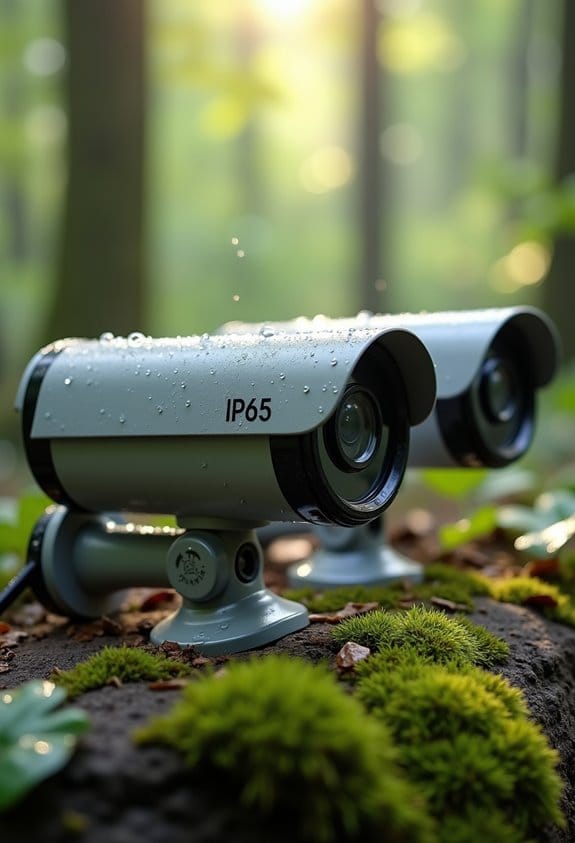
Hey there! So, let’s chat about IP ratings for outdoor cameras because they’re super important when it comes to keeping your surveillance equipment safe. Essentially, these ratings tell you how well a camera can withstand exposure to water and dust, which is crucial for outdoor use.
For example, an IP65 rating means the camera can resist water from low-pressure jets, making it a solid choice for areas that might get splashed a bit but still have some shelter. If you’re thinking about a camera that needs to handle more serious weather, look for an IP66. This rating means it’s protected against stronger water jets, perfect for places where storms roll through often.
Now, if you’re in a flood-prone area, you might want to consider an IP67-rated camera. This one can handle temporary submersion in up to 1 meter of water for around 30 minutes. On the other hand, an IP68 rating is for those really tough environments where the camera can be continuously submerged in deeper water – think of it as being built for the worst of the worst conditions.
Choosing the right IP rating can really make a difference in how well your camera performs outdoors. It’s all about matching the camera’s protective level to what you need, so you don’t end up with a fragile setup in a challenging environment. Many top wildlife cameras come with an IP66 waterproof rating, ensuring resilience against rain and dust for reliable performance outdoors. Ready to explore how these cameras work in real-life scenarios? Let’s dive into that next!
Why Weatherproofing Matters for Outdoor Cameras
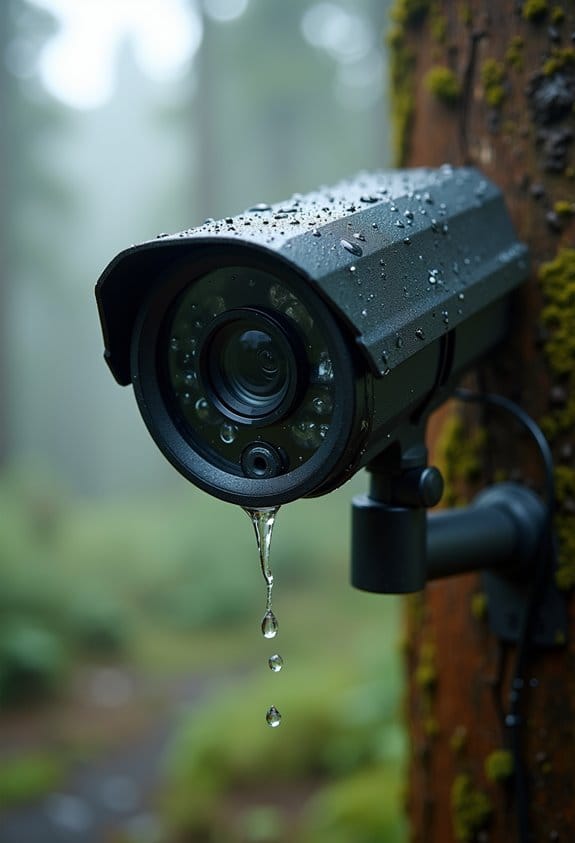
You know, when it comes to outdoor cameras, understanding why weatherproofing is so crucial can really make a difference in how reliable your security system is. Imagine spending money on a camera and then having it completely fail because of rain or dust; that’s where weatherproofing scores big points.
So, what should you look for? Well, check out cameras with an IP67 rating. This means they can actually be submerged in water for up to 30 minutes, which is pretty impressive! On the other hand, if you’re in an area that only gets light rain, cameras with an IP65 rating will do just fine. They’re built to handle those drizzles without any issues.
Consider this: billions of dollars in damage occur every year because security cameras get ruined by the weather. A camera damaged by water isn’t just a hassle; it can lead to big repairs or replacements down the line. By investing in a weatherproof outdoor camera, you’re not only ensuring it lasts longer but also protecting the money you’ve spent.
Models with an IP66 or higher rating provide reliable protection against dust and rain, making them ideal for various harsh outdoor conditions, according to weather resistance ratings.
Next time, let’s look at the different features to consider beyond just waterproofing, so you can make an even more informed choice!
Debunking Common Myths About IP Ratings?
Hey! Have you ever looked at the IP ratings on outdoor cameras and wondered what they really mean? Those IP ratings can be a bit tricky! Sure, a higher IP rating generally means better protection against dust and water, but don’t let that fool you into thinking your camera is invincible. Over time, things like wear and tear can really affect its durability.
Let’s break it down a bit. First off, lab tests that determine these ratings might not reflect the chaos of real-world conditions. For example, while a camera might claim to withstand heavy rain, it can struggle if exposed to things like salty ocean spray. And speaking of water, remember that “water-resistant” doesn’t always mean it has an official IP code; it’s like saying a sweater is “rainproof” but still getting soaked!
Also, don’t fall for the “rice trick” after your device takes a dip in water. It’s not the miracle fix everyone thinks it is. And honestly, when a device is labeled “weatherproof,” that can be pretty vague—ask yourself what that really means. For true outdoors reliability, look for devices with an IP66 rating that ensures dust and water protection designed for rugged environments.
Tips for Maintaining Your Weatherproof Cameras
Hey there! If you want to keep your weatherproof cameras in great shape, it’s actually pretty simple. Regular maintenance goes a long way to make sure they last longer and keep performing well, so let’s chat about some easy tips!
First off, you should definitely check the gaskets and seals on your cameras. These little heroes keep out dust and moisture, so it’s important to look for any signs of wear. For example, if you notice any cracks or if they seem to be lifting, it might be time for a replacement.
Next, think about where you’re mounting your cameras. If you can, choose spots that are sheltered from heavy rain or snow. You want to avoid direct hits from the elements if you can. If a tree branch or overhang can provide a little cover, that’s a win!
Don’t forget to clean your camera lens, either. A simple soft, dry cloth can work wonders to remove any dust that might be clouding your images. Trust me, it makes a huge difference in the quality of what you capture.
Every so often, it’s a good idea to test the IP ratings of your cameras, too. You want to make sure they still meet the dust-tight and water immersion standards listed in their specs. Just take a moment to check if things like dirt or moisture might have compromised their performance.
Lastly, if you’re in a particularly harsh environment, using protective covers can really add an extra layer of safety. They might seem like just an accessory, but they can do a lot to shield your cameras from extreme conditions.
Additionally, using weather-resistant mounting accessories ensures your cameras stay secure and maintain functionality despite exposure to harsh outdoor elements.
With these straightforward tips, you can keep your weatherproof cameras running smoothly. Next up, let’s talk about some troubleshooting steps for those unexpected issues that might arise!
FAQs About Outdoor Camera IP Ratings?
When you’re on the hunt for outdoor cameras, you might stumble upon the term “IP ratings,” and honestly, they can be a bit puzzling at first. Simply put, IP ratings tell you how well a camera can handle dust and water. They’re specified with a two-number code developed by the International Electrotechnical Commission, making it easier for us to understand how tough these cameras really are.
Let’s break down some common ratings you might see: IP65, IP66, and IP67. If a camera is rated IP65, it means it’s completely dust-tight and can handle low-pressure water jets. So if it’s a rainy day, you don’t have to worry about it getting too wet. Moving up, an IP66 rating provides even better protection, as it can withstand stronger water jets – think of a garden hose with some good pressure! Then there’s IP67, which means the camera can be submerged in water up to 1 meter deep for about 30 minutes. This can be really handy if you live in an area prone to heavy rains or floods.
You might be wondering, “Why should I care about these ratings?” Well, they really help you pick an outdoor camera that can withstand your local weather conditions. For example, if snow or heavy rain is common in your area, you’d want something rated like IP66 or higher. Regularly checking your camera’s condition can also help ensure it stays effective over time – after all, a reliable camera helps you keep an eye on your property, no matter the weather! So, as you’re shopping, keep those IP ratings in mind to make an informed choice. Additionally, choosing mounts made from heavy-duty materials like powder-coated steel or weather-resistant plastics can complement your camera’s waterproof capabilities for enhanced outdoor durability.
Frequently Asked Questions
What IP Rating for Outdoor Cameras?
For outdoor cameras, we should consider an IP66 or higher rating. It guarantees camera longevity, moisture resistance, and dust ingress protection in various installation locations, while also reflecting feature comparisons for temperature extremes and sensor protection.
Is IP65 or IP66 Better?
When comparing IP65 vs IP66, we’d say IP66 is superior for outdoor durability. It offers enhanced dust and water resistance, ensuring our cameras thrive in severe weather conditions and longevity concerns at ideal installation locations.
Is an IP Rating 66 Sufficient for Outdoor Cameras?
An IP66 rating’s more than sufficient for outdoor cameras, ensuring strong weatherproof performance, moisture resistance, and dust ingress protection. It offers excellent durability, efficiency, and long-term reliability against harsh conditions like rainfall exposure and temperature extremes.
What IP Rating Is Considered Weatherproof?
When it rains, it pours; it is understood an IP65 rating’s what we seek for outdoor durability. Take water resistance levels, camera material quality, and user reviews into account for better investment in rain or snow performance.