As an Amazon Associate, we earn from qualifying purchases. Some links on this site are affiliate links at no extra cost to you. Our recommendations are based on thorough research and editorial judgment.


Long-Term Deployments: Designing a Low-Maintenance Power Plan

When designing a low-maintenance power plan, we focus on simplicity and reliability. Here are some key elements to evaluate:
- Use modular components for easy repair.
- Incorporate corrosion-resistant materials to extend lifespan.
- Implement smart technology, like IoT sensors, for real-time monitoring.
You may be interested



These strategies help reduce costs and downtime. Plus, sustainable energy sources, like solar and wind, require less upkeep. Stick with us to uncover more insightful tips and strategies for optimizing your power system.
Key Takeaways
- Focus on simplicity and reliability in design to minimize maintenance activities and extend the lifespan of power systems.
- Incorporate modular components for easy replacement, ensuring quick fixes without extensive system downtime.
- Utilize corrosion-resistant materials to enhance equipment longevity and reduce the need for repairs.
- Implement smart technology like IoT sensors and predictive maintenance to detect issues before they escalate.
- Emphasize sustainable energy sources, such as solar and wind, which require minimal maintenance and have long operational lifespans.
What Makes a Power System Low-Maintenance?
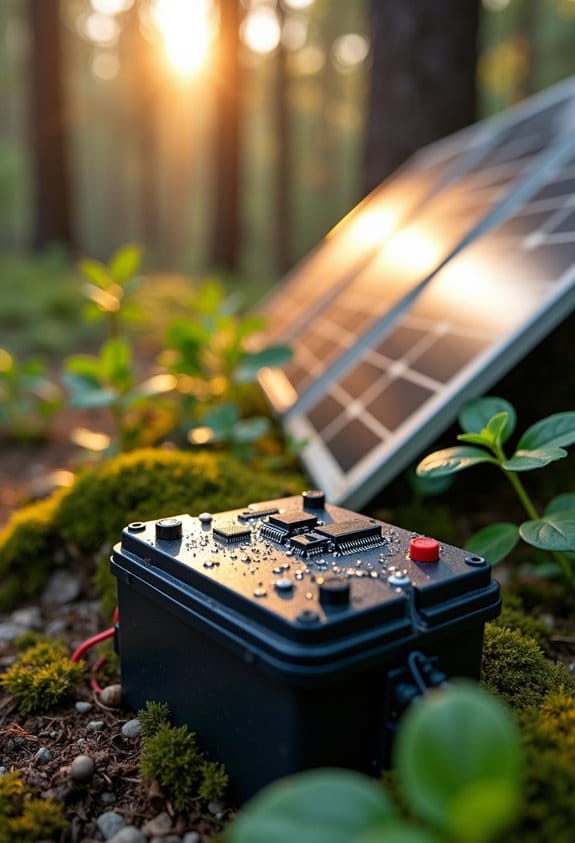
Have you ever been curious about what makes a power system low-maintenance? Well, it all starts with a strong design that prioritizes simplicity and reliability. For instance, using modular components means that if one part fails, you can easily replace it without a major overhaul.
Then there are advanced materials at play. Think about corrosion-resistant alloys—these fancy metals don’t rust easily, which means they last longer and require less upkeep. Plus, have you heard of sealed electronics? They protect sensitive parts from dust and moisture, which can lead to issues down the road.
Condition monitoring is another key aspect to consider. It’s like having a watchful eye on the system’s health. By using tools that predict when something might fail, it allows us to take action before a problem arises—kind of like going to the doctor for a check-up before you feel sick. Regular inspections also play a crucial role, but they don’t have to be a hassle; data analytics help streamline this process, ensuring everything stays in top shape without major disruptions.
And let’s not forget about user-friendly designs! When service points are easy to access, it makes inspections and repairs a breeze. This all comes together to enhance how efficiently power systems operate, making them more reliable. Incorporating solar-powered technology can also significantly reduce maintenance needs by providing continuous, eco-friendly energy over long periods.
If you’re interested, I can share more about the future of energy systems.
Key Benefits of a Low-Maintenance Power Plan

A low-maintenance power plan can really simplify how we handle our energy systems, and trust me, the benefits are pretty impressive. For starters, think about how frustrating unplanned outages can be. They can end up costing over a million dollars for just an eight-hour disruption! That’s a lot of money that could be better spent elsewhere.
Then there’s the whole issue of maintenance costs. By using strategies like predictive maintenance, we could potentially cut those costs by up to half. Imagine how much that could save not just for businesses, but for households too. Regular check-ups can also help equipment last longer and operate much better. It’s like taking your car in for oil changes to keep it running smoothly instead of waiting for it to break down.
Plus, implementing technology, like IoT sensors, allows us to catch problems before they snowball into bigger issues. This means equipment is available to work more than 90% of the time, which is fantastic for efficiency. In the grand scheme of things, keeping things in top shape not only saves money but also ensures we’re getting the most value out of our investments. It’s like maintaining a garden; the more care you give it, the more beautiful and productive it becomes. Leveraging solar power in long-term deployments is a smart strategy to enhance reliability and reduce the need for frequent battery replacements.
Benefits of Sustainable Energy Sources for Longevity
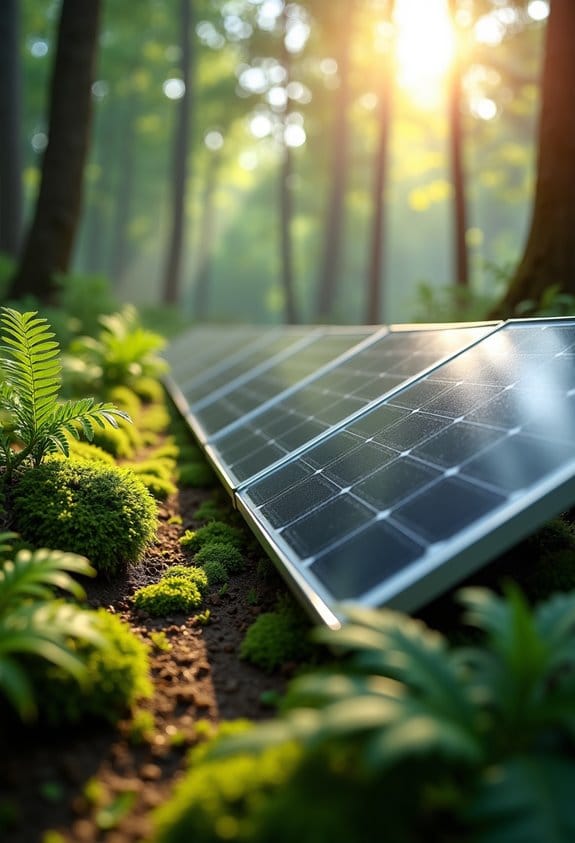
You know, when it comes to thinking about energy options, sustainable energy sources really shine in terms of longevity. They not only help the planet but also offer some fantastic perks for us in the long run. For instance, take solar panels; they require very little maintenance over their impressive lifespan of 25 to 30 years. That means once you set them up, you can pretty much forget about them for decades!
Another interesting point is how wind turbines can efficiently run for about 20 years. This extended lifespan reduces the wear and tear you’d typically expect from heavy machinery. If you think about it, that reliability is a huge plus when you consider the costs involved with unexpected repairs, which can be a real headache.
And speaking of costs, renewable energy systems like geothermal setups are designed to last for decades without major repairs, which translates into significant savings over time. Since they have fewer moving parts, you won’t be forking out tons of cash for maintenance like you might with traditional energy sources. It’s a pretty smart way to ensure that your energy costs remain manageable. Modern solar-powered devices, such as trail cameras with integrated solar panels, exemplify this low-maintenance approach by offering reliable, continuous operation with minimal intervention via built-in solar panels.
How to Integrate Smart Technology in Power Plants
Hey! You know, when we talk about integrating smart technology in power plants, it’s really about making them way more efficient and reliable. Imagine using Internet of Things (IoT) sensors that constantly track how the equipment is performing. This can actually help cut down unexpected downtime by as much as 50%, which is pretty impressive!
Now, let’s chat about advanced data analytics. With machine learning, we can pinpoint early signs of potential failures. So, if a part of the system starts acting weird, we can catch it before it becomes a bigger, costlier problem. It’s like having a health monitor that tells you when something’s off before it becomes serious.
And speaking of maintenance, predictive maintenance is fascinating. By analyzing the data we gather, we can know exactly when a piece of equipment needs attention. This isn’t just about fixing things when they break; it’s more like giving them the care they need right when they need it. For example, if a turbine is showing signs of wear, we can service it just in time, which helps it last much longer, saving the plant lots of money.
Another cool aspect is dynamic maintenance planning. By using cloud technology, we can store loads of equipment data efficiently. This not only helps in organizing our maintenance schedules better but also streamlines the whole operation. Everything just clicks into place more smoothly.
It’s fascinating to see how smart technology is reshaping how power plants operate, making them not just smarter but also more sustainable. And who knows what other innovations are just around the corner!
For continuous monitoring in remote or hard-to-access areas, integrating cellular connectivity solutions ensures real-time data transmission without physical site visits.
Tips for Reducing Operational Costs
Reducing operational costs in power plants is crucial for keeping things running smoothly and ensuring that the business stays profitable. One great way to start is by implementing predictive maintenance strategies. Think of it like getting a heads-up about potential equipment failures before they happen. Some facilities have been able to cut their downtime by as much as 50% just by being proactive about maintenance!
Another tip is to utilize usage-based maintenance (UBM). Instead of sticking to a generic maintenance schedule, you can tailor your approach based on how much each piece of equipment is actually being used. For example, if a turbine runs more hours than average, it might need a check-up sooner rather than later. This not only boosts your operational efficiency but also saves you money in the long run.
You could also leverage technology to help with maintenance tasks. Using a Computer Maintenance Management System (CMMS) can ensure that all your maintenance activities are effectively scheduled and tracked. No more guessing when something is due for a check-up!
Adopting condition-based maintenance (CBM) is another smart move. By keeping an eye on key performance indicators, you can spot small issues before they turn into costly repairs. Establishing a culture of continuous improvement where your team regularly reviews and fine-tunes maintenance strategies can lead to even more long-term savings.
Additionally, integrating reliable power sources such as solar panels can reduce downtime caused by power failures and lower operational expenses over the long term.
Future Trends in Maintenance Strategies for Power Plants
Hey there! Have you ever thought about how maintenance strategies for power plants are changing? It’s pretty fascinating! Nowadays, there’s a big push toward predictive maintenance, which basically means using real-time data to spot potential issues before they actually happen. This approach leads to fewer surprise breakdowns and helps equipment last longer.
For instance, one common strategy is Condition-Based Maintenance (CBM). This type of maintenance happens only when specific performance indicators signal that something might be off, rather than sticking to a strict schedule. Imagine you’re only getting a haircut when you actually need it—it’s similar! Another trend is using cloud-based systems that allow for on-the-fly planning based on how the plant is currently operating. This means adjustments can be made in real time to improve efficiency.
Artificial Intelligence and machine learning are also making waves in this field by helping identify unusual patterns in data. Think of it like having a smart assistant that alerts you when something’s not right. This approach not only helps manage resources better but can also cut down on costs. It’s all about making things more efficient!
Additionally, cloud-based systems enable real-time alerting and seamless communication similar to cellular trail camera data plans, optimizing operational responsiveness.
As we move forward, these advancements in maintenance strategies are going to shape how power plants operate. It’s an exciting time, and figuring out how these changes will affect our energy systems could be the next big conversation.
Frequently Asked Questions
What Initial Investments Are Needed for a Low-Maintenance Power System?
We’re looking at initial costs, like equipment selection and site assessment. Considering technology choice, financing options, and grid integration, we assuredly need maintenance training, resource evaluation, regulatory compliance, and system scalability for a successful setup.
How Can Weather Impact the Efficiency of Renewable Energy Sources?
Weather patterns greatly affect renewable sources’ energy efficiency. Temperature fluctuations, wind variability, and precipitation effects can alter solar output and impact generation across different climate zones, especially during extreme weather or seasonal changes that challenge reliability.
Are There Any Government Incentives for Implementing Sustainable Energy Solutions?
We’ve all seen plants thrive with the right conditions, just like sustainable energy solutions flourish with government grants, tax credits, renewable subsidies, and support like solar incentives, wind funding, and utility partnerships. Let’s grow together!
What Are the Environmental Impacts of Low-Maintenance Power Systems?
Low-maintenance power systems can considerably reduce greenhouse gas emissions and pollution while promoting energy efficiency and water conservation. They help decrease resource depletion and wildlife habitat disruption, supporting social equity and enhancing climate resilience for all.
How Often Should Performance Assessments Be Conducted for Power Systems?
When it comes to power systems, we believe that conducting performance assessments quarterly strikes a balance. This frequency enhances reliability, aligns with industry standards, and supports data analysis for ideal maintenance schedules and effective risk management strategies.