As an Amazon Associate, we earn from qualifying purchases. Some links on this site are affiliate links at no extra cost to you. Our recommendations are based on thorough research and editorial judgment.

Wildlife Disturbance: How to Monitor Without Changing Animal Behavior

We can effectively monitor wildlife without disturbing their natural behavior by using non-invasive techniques. These include:
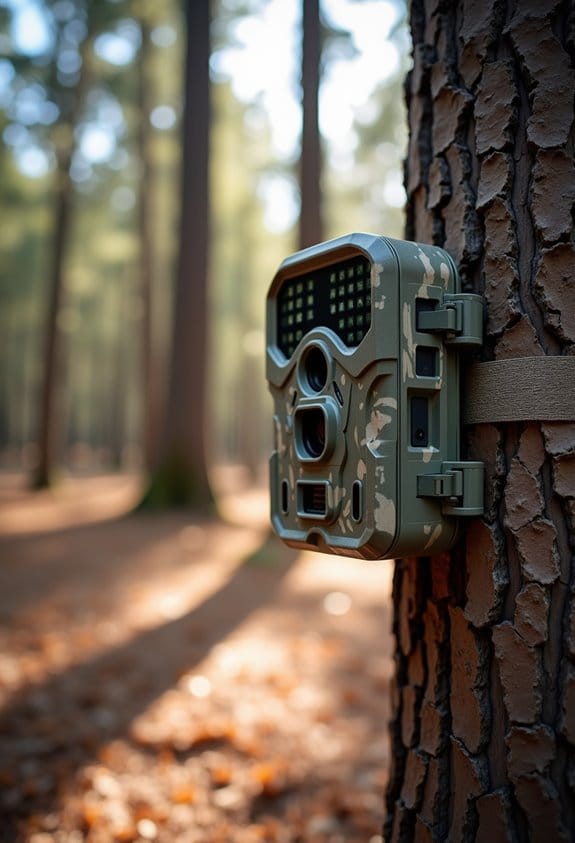
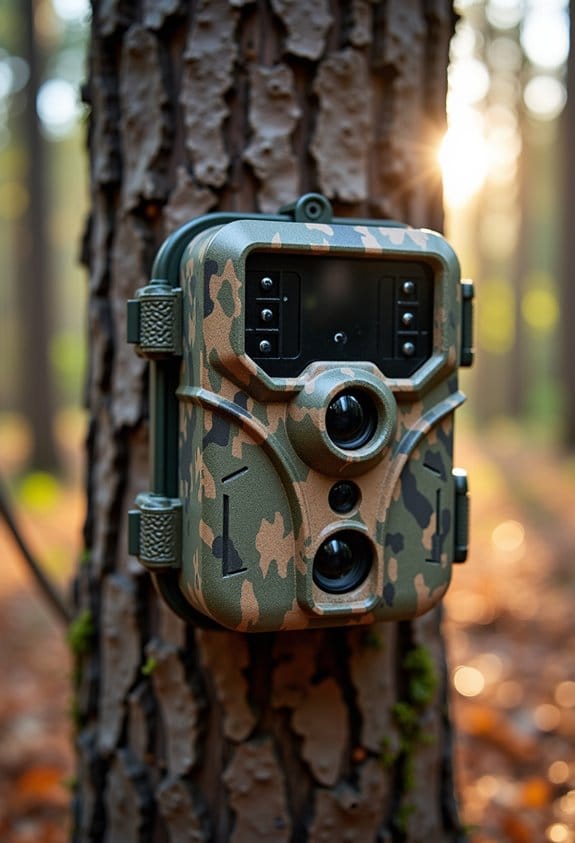
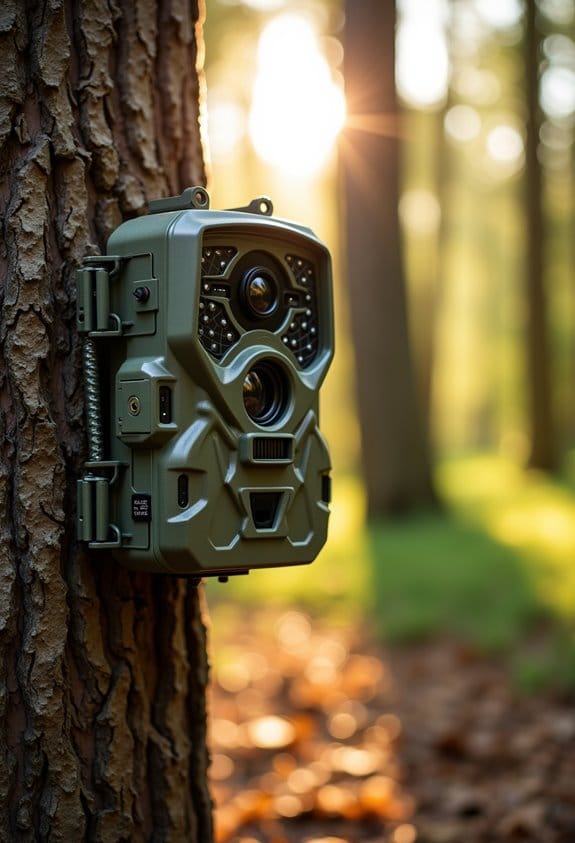
- Camera traps: They capture photos in natural settings without alarming animals.
- Acoustic sensors: They record animal sounds from a distance.
- Environmental DNA (eDNA): This method analyzes soil or water samples for species identification.
You may be interested


These technologies allow us to collect accurate data while minimizing stress to animals. Stick around to discover more about these innovative monitoring methods!
Key Takeaways
- Utilize camera traps to observe wildlife behaviors without human presence, capturing images effectively while minimizing disturbance.
- Implement acoustic sensors to record animal sounds and monitor activities remotely, reducing the risk of altering their natural behaviors.
- Use environmental DNA (eDNA) sampling to identify species through collected soil or water samples, ensuring no physical contact disrupts wildlife.
- Employ footprint identification technology (FIT) for tracking movements, providing insights into behavior while maintaining a non-intrusive monitoring approach.
- Leverage drones equipped with thermal imaging to survey large areas without interference, enhancing data collection and preserving animal welfare.
How Do Wildlife Monitoring Techniques Influence Animal Behavior?

Hey there! You know, when we talk about wildlife monitoring, it’s really fascinating to see how different techniques can shape animal behavior. Traditional methods like collaring or capturing can actually be pretty disruptive for animals. They often end up changing their movement patterns and social interactions because of the stress involved in those processes.
That’s why many wildlife researchers are now opting for non-invasive techniques that allow us to gather data without bothering the animals. For example, camera traps are a great tool. They snap photos of animals in their natural habitat without any disturbance. It’s almost like catching a candid shot of wildlife! Then there are acoustic sensors that pick up animal sounds, which helps researchers study vocalizations while keeping everything as normal as possible.
Another cool method is using environmental DNA, or eDNA. Scientists can collect tiny samples of soil and water to identify which species are present without ever needing to see the creatures. This way, we gather accurate information while keeping the animals chill and undisturbed. By embracing these innovative techniques, we enhance our understanding of wildlife without altering their natural behavior, which is crucial for successful conservation efforts moving forward!
Speaking of techniques, have you ever wondered how these monitoring tools can reveal hidden aspects of animal behavior? Modern wildlife cameras featuring 2K HD resolution and fast trigger speeds allow researchers to capture detailed footage without human interference.
Key Advantages of Non-Invasive Wildlife Monitoring Techniques
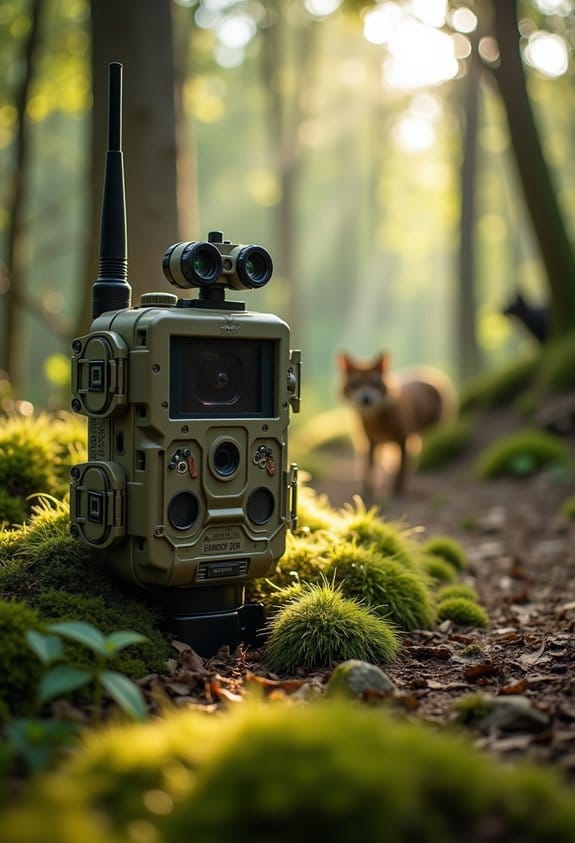
Hey there! Have you ever thought about how we can study wildlife without bothering them? That’s where non-invasive wildlife monitoring techniques come in, and they really make a difference! For example, researchers use camera traps to snap pictures of animals in their natural environment—no intrusive methods required. This means we can watch their behavior in a way that feels true to life.
One of the coolest benefits of these approaches is that they help us understand how animals really act. Instead of stressing them out with human presence, we can gather data that reflects their natural behavior, which is super important for conservation efforts. Plus, because animals aren’t disturbed, we can trust the information we gather more.
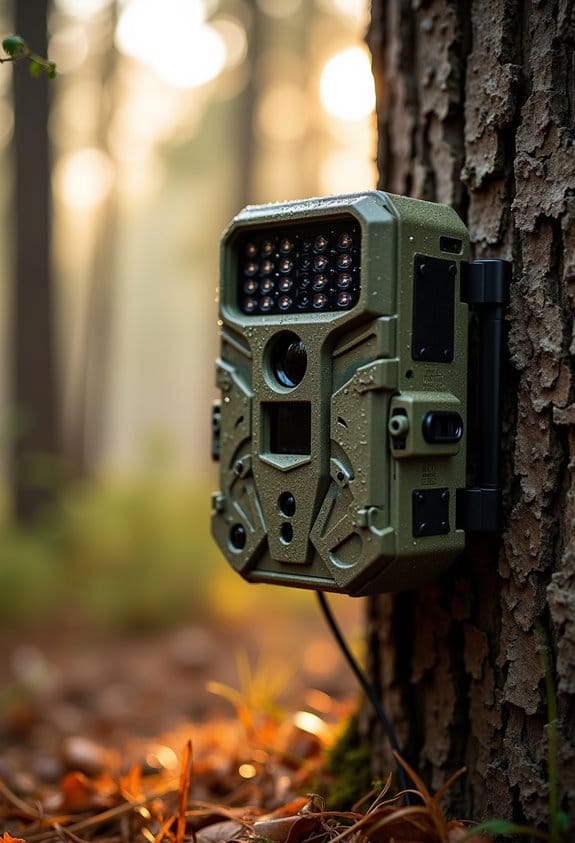
These methods are also versatile. Camera traps can catch incredible moments of wildlife, while acoustic sensors allow us to eavesdrop on animal communication, giving us insights into how different species interact. Best of all, non-invasive techniques respect animal welfare, which is something we should always prioritize in research. Many wildlife cameras now come with adjustable infrared sensitivity to optimize night vision without disrupting animals.
Innovative Tools for Disturbance-Free Wildlife Monitoring
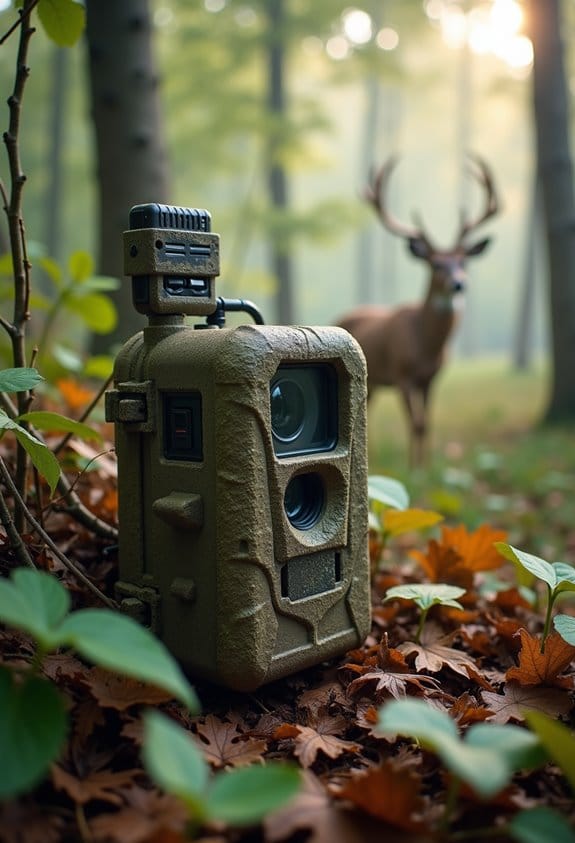
If you’re interested in wildlife monitoring, you’ll be glad to know that there are some innovative tools that let us do it without causing stress to the animals. Picture this: instead of traipsing through the woods and disturbing the wildlife, we can use technology that helps us observe animals in their natural habitats without any fuss.
One of the coolest tools out there is the camera trap. These devices are like little photographers hidden in the wild. They snap pictures and videos of animals when they walk by, all without any human presence nearby. For instance, a camera trap placed in a forest can capture the nocturnal habits of foxes or the movements of deer without them even noticing.
Another fascinating method is using environmental DNA, or eDNA. By simply collecting soil or water samples from a given area, researchers can identify various species that have been there, all without having to catch or stress out any animal. It’s pretty mind-blowing to think that a tiny fragment of DNA can tell us so much!
Acoustic sensors are another great tool—these little devices listen to the sounds animals make. They help us identify species based on their calls, which means we can gather data without interrupting their routines. Imagine being able to figure out which birds are in a forest just by listening to their songs!
Then there’s footprint identification technology (FIT). This one tracks animal movements based on their footprints, providing insight into their behavior while keeping everything low-key. For example, researchers can identify the types of animals roaming a reserve just by analyzing the tracks they leave behind, all without interfering.
And don’t forget about drones equipped with thermal imaging! They fly above wildlife areas, giving us a bird’s-eye view of the animals below without bothering them. It’s a fantastic way to monitor large areas quickly and efficiently.
Using these innovative tools, we can effectively monitor wildlife, observe environmental changes, and gather real-time data—all while keeping disturbances to a minimum. Additionally, infrared auto-adjust trail cameras provide night vision capabilities that allow for clear, disturbance-free wildlife observation even in complete darkness. It’s exciting to think about how technology is changing the game in wildlife conservation and research!
Top Strategies to Minimize Impact During Wildlife Observations
Hey there! You’d be surprised at how simple it can be to minimize our impact during wildlife observations. There are some really effective and non-invasive techniques we can try out that allow us to observe animals without getting in their way.
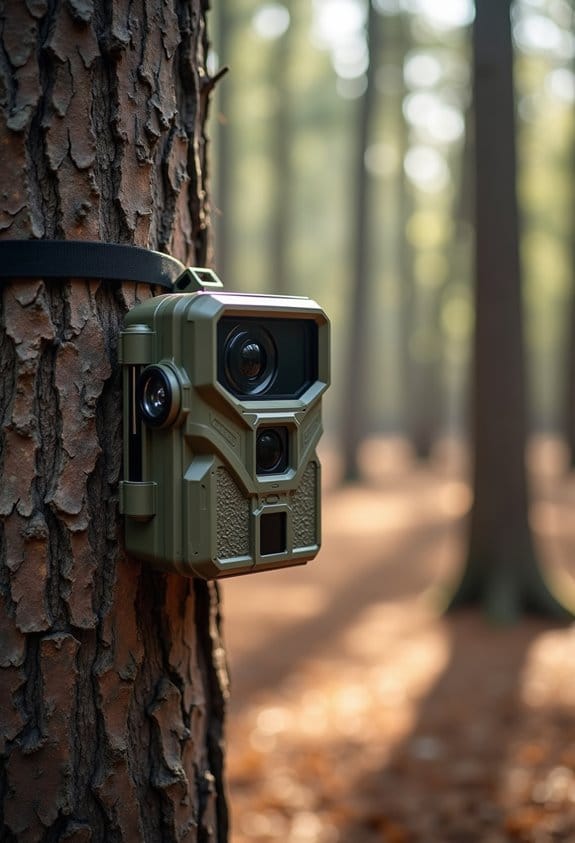
For instance, one cool tool is camera traps. These are motion-activated cameras that snap photos whenever animals pass by. They help researchers monitor animal behavior in their natural settings without causing any disturbance. Imagine getting a glimpse of a fox sneaking through the woods late at night—all captured without anyone there to interrupt!
Another interesting approach involves acoustic sensors. These little devices pick up the sounds wildlife makes, which means we can listen in from a distance, keeping our presence minimal. Think about it: we can hear birds chatting or even frogs croaking without having to walk right into their territory.
Then there’s environmental DNA (eDNA), which sounds fancy but is pretty straightforward. By collecting samples from places like soil or water, we can learn about the species that live nearby without ever having to spot them. Imagine sending a team to a lake, collecting a few water samples, and figuring out all sorts of fish and amphibians that swim just out of sight!
Finally, let’s not forget about drones. They’re great for getting a bird’s-eye view of habitats without ever setting foot on the ground. For example, wildlife managers can fly a drone over a sensitive area to locate large animal populations without disturbing their home.
To ensure the best results with camera traps, it’s important to use mounts with adjustable 360-degree rotation so you can precisely position the camera for optimal coverage.
These methods not only help us observe wildlife more respectfully but also ensure we collect valuable data to help with conservation efforts. It’s pretty amazing how technology can lend a helping hand, right? Now, speaking of conservation, let’s chat about some specific ways we can contribute to protecting these beautiful creatures.
Assessing the Effectiveness of Non-Invasive Monitoring Techniques
When it comes to wildlife monitoring, non-invasive techniques are really making a difference! They let us gather crucial information about animals without disturbing their natural behavior. For instance, using camera traps, we can snap pictures of animals in their habitat, which shows us what species are around and how they act, all without needing to be there in person. Similarly, acoustic sensors pick up animal sounds, giving us insights into their presence and activities just by listening to nature.
Another fascinating method is environmental DNA (eDNA). This involves collecting soil or water samples to find traces of all sorts of organisms, like fish or frogs, based on their genetic material. This means we don’t have to capture the animals to learn about them, which is fantastic for their well-being. Additionally, some researchers use tracking collars, which monitor an animal’s movements over time. This provides valuable data on their habits and habitat use, all while allowing them to roam freely.
Non-invasive monitoring techniques not only help us gather accurate data but also enable us to make smarter decisions regarding conservation. By respecting the animals and their environment, we can study them in a way that’s beneficial for both nature and our understanding of it. This leads us to think about how we can develop better strategies for protecting these incredible species moving forward. Using no-glow infrared technology in camera traps further minimizes disturbance, capturing clear images without alerting or altering animal behavior.
Frequently Asked Questions
What Are the Methods of Monitoring Wildlife?
We can monitor wildlife using camera trapping, acoustic monitoring, and GPS tracking. Drone surveys and remote sensing enhance our observation, while citizen science, scat analysis, track mapping, and habitat assessment provide valuable insights into animal behaviors.
What Are 5 Ways to Ensure the Safety of Animals?
To guarantee animal safety, we prioritize habitat preservation, ethical observation, and minimal intrusion. We utilize technology for quiet tracking, remote sensing, and eco-friendly practices, all while supporting conservation efforts and promoting wildlife corridors to enhance animal welfare.
What Are the Four Main Methods of Wildlife Management?
The four main methods of wildlife management are habitat restoration, population management, species management, and conservation education. By promoting community involvement and ethical hunting, we can guarantee biodiversity conservation and effective ecological research for future generations.
What Are the Methods of Population Monitoring?
For population monitoring, we can use camera trap surveys, aerial counting methods, and acoustic monitoring systems. Additionally, genetic sampling approaches, mark recapture studies, habitat assessment strategies, and citizen science initiatives enrich our understanding of population dynamics.