As an Amazon Associate, we earn from qualifying purchases. Some links on this site are affiliate links at no extra cost to you. Our recommendations are based on thorough research and editorial judgment.

When to Use External Battery Packs (Concepts and Risks)

We should use external battery packs when traveling or during outdoor activities like camping and hiking. They keep devices charged without searching for outlets. However, risks exist, including overheating, battery degradation, and physical changes like bulging. It’s essential to monitor performance and store them in cool, dry places to extend their lifespan. Always unplug once fully charged. If you want to know how to choose the right power bank and keep it safe, there’s more to explore.
Key Takeaways
- Use power banks during long journeys to keep multiple devices charged without needing a power outlet.
- Essential for outdoor activities like camping to maintain navigation and communication devices.
- Great for capturing moments during hikes, ensuring devices don’t run out of power unexpectedly.
- Keep power banks fully charged for emergencies, especially in remote areas with scarce charging options.
- Regularly check for performance and safety signs to prevent overheating and ensure reliability.
Common Risks When Using External Power Banks
You may be interested



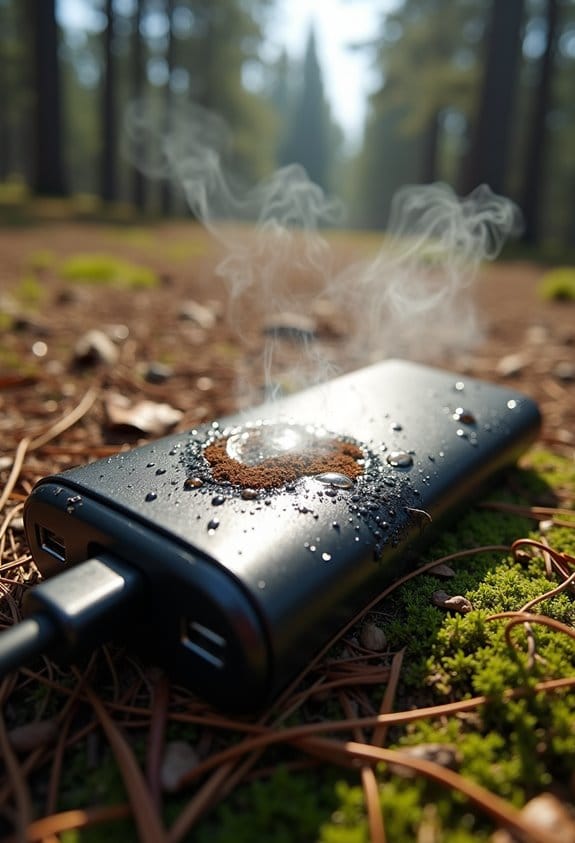
Hey! So, let’s chat about external power banks. While they’re super handy for keeping our devices charged on the go, there are some common risks we need to keep in mind when using them. For starters, one major issue is overheating. If you overcharge your power bank, it can get extremely hot, which is a serious fire risk—even with built-in safety features. Always unplug it once it’s fully charged!
Then there’s the problem of battery degradation. Many low-quality power banks don’t come with the right safety mechanisms, which means their batteries can wear out quicker and may even fail. Imagine trying to charge your phone with a power bank that suddenly stops working—frustrating, right? Look for brands that are well-reviewed and ensure they have good safety features.
Don’t forget about storage conditions! If you leave your power bank in a hot car or in a really humid environment, that can mess with its safety. Ideally, you want to store it in a cool, dry place. Also, keep an eye out for any signs of failure. If you start noticing things like rapid battery drain, weird smells, or even visible deformation of the power bank, it’s best to stop using it immediately. Using a rechargeable battery capacity of at least 10,000mAh can help maintain longer operational longevity and reduce frequent replacements.
When to Use Power Banks for Travel and Outdoor Adventures
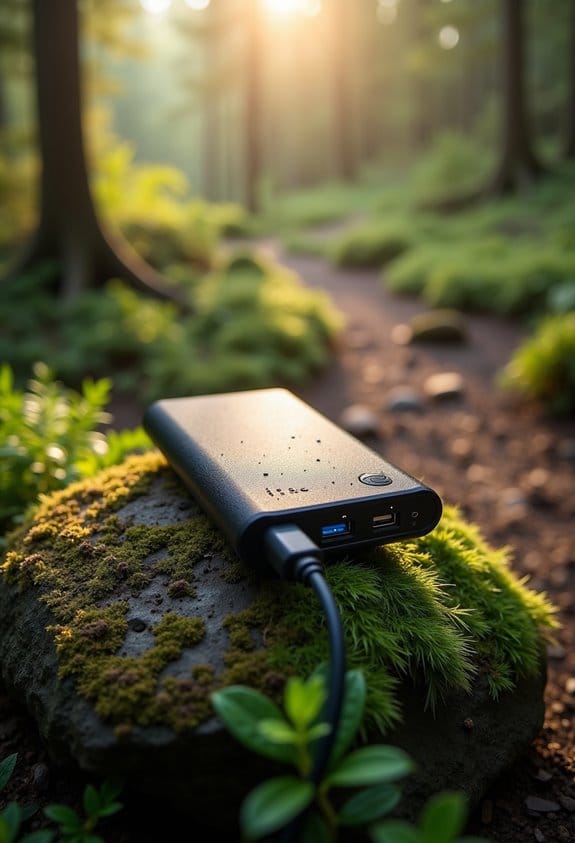
Hey there! If you’re planning some travel or outdoor adventures, you’ll want to think about bringing a power bank along. Keeping your devices charged is super important, especially when you’re on the move. Imagine hiking up a beautiful trail and suddenly your phone dies right before you snap that epic landscape photo. That’s where power banks come in handy!
Now, let’s talk about a few situations where a portable charger really shines. First off, if you’re embarking on a long journey, like a cross-country road trip, finding places to plug in can be tricky. A good power bank can give your phone several extra charges, meaning you can stay connected, share your experiences on social media, or even navigate your route without worrying about battery life.
Then there are outdoor activities, like camping. You definitely want to keep your GPS device and phone operational for safety and navigation. Picture this: you’re out in the wild, and you want to use your phone to check the weather or find your way back to the campsite. A power bank ensures your devices are ready to help when you need them most.
Lastly, being prepared for emergencies is crucial, especially if you find yourself in remote areas. A fully-charged phone could be your lifeline in an unexpected situation. Just think of it like this: a power bank gives you peace of mind, knowing that you can reach out for help if necessary.
Oh, and a quick tip! Make sure to check your power bank from time to time. Keeping it in good condition will help prevent issues like overheating. Also, if you’re using power banks with devices like cellular trail cameras, consider the activation fees and data plans that might affect your overall usage cost. With that base covered, let’s dive into what else you should pack for your adventure!
How to Choose the Right Power Bank: What to Look For

Hey! So, you’re on the hunt for the right power bank? Let me break it down for you—there are a few key things you should keep in mind to make sure you pick one that fits your needs just right.
First up is capacity. This is measured in Watt hours (Wh), and it essentially tells you how much power the bank can store. If you’re planning on charging multiple devices or need to top off your phone several times throughout the day, look for a larger capacity—something like 10,000 mAh or more should do the trick!
Next, let’s chat about charging speeds. If you’ve got newer devices that support fast charging, aim for a power bank that offers at least 2.1A output. For example, if you have a smartphone that can charge rapidly, a power bank capable of fast charge will be a lifesaver when you’re in a rush.
You also want to make safety a priority. Look for features like overcharge protection and voltage regulation. These will protect your devices from potential damage. It’s definitely worth it to avoid any mishaps, right?
Now, think about compatibility. Before you buy, ensure the power bank matches your devices’ voltage and connectors. There’s nothing worse than getting a power bank home only to realize it won’t work with your favorite gadget.
Finally, consider portability. Size and weight matter, especially if you’re going to be carrying it around all day. If you’re an on-the-go person, a compact model might be more suited to your lifestyle, while a bulkier option could be great for home use.
Also, keep in mind that some power banks are designed to integrate with solar panels to extend battery life for extended outdoor use.
Signs Your Power Bank Is Degrading
You know how often we depend on our power banks these days? It’s really important to keep an eye out for signs that yours might be degrading. For example, if you find your devices are charging up quickly but then that charge disappears faster than you’d expect, your power bank may be losing its battery capacity.
Another thing to watch for is if your power bank starts acting up; it won’t turn on or it struggles to charge your devices. That’s usually a sign that something’s going wrong inside. And don’t ignore any strange physical changes, like if you notice bulging or swelling—those are major red flags and can be quite dangerous.
You should also be cautious if you detect any unusual smells, like burning or something chemical. That can mean the batteries are failing, and you should definitely stop using it right away. And if you hear weird noises, such as hissing or humming, that can suggest there’s an internal short.
If you experience any of these warning signs, it’s probably a good time to think about getting a new power bank. After all, staying charged is key to being on the go! Speaking of being charged, let’s chat about how to extend the life of your power bank while you still have it!
Using power banks in tandem with energy-efficient devices or technologies like solar-powered battery options can also help prolong their operational life.
How to Charge and Maintain Your Power Bank Safely
Hey there! Let’s chat about how to charge and maintain your power bank safely. Taking care of it really helps it last longer and ensures it’s ready to go when you need a boost.
First off, always use high-quality charging cables and adapters. This not only keeps things safe but also makes sure your power bank gets the right amount of juice without getting too hot. Have you ever noticed how some cheap cables feel warm to the touch? That’s a red flag!
Next, it’s super important to charge your power bank in a cool spot. If you leave it in direct sunlight or a hot car, you risk damaging the battery cells. Think of it like not wanting to bake your phone inside a hot oven—same principle applies here!
Once your power bank is fully charged, make sure to unplug it. I know some devices come with overcharge protection, but it doesn’t hurt to be safe. Just like you wouldn’t want your phone charger plugged in all night, the same goes for your power bank.
And don’t forget to give it a quick check every now and then. Look for any wear and tear or signs of overheating. If anything looks off—like if it’s bulging or getting too hot—it’s best to replace it.
When you’re not using your power bank, store it in a cool, dry place. This keeps it happy and functioning well, kind of like how we all feel better in a comfy spot!
To further extend your power bank’s life, consider using it with devices that have optimized power consumption to reduce unnecessary drain.
Frequently Asked Questions
When Should You Not Use a Power Bank?
When the weather’s not cooperating, we shouldn’t use a power bank. Portable device limitations, charging current restrictions, and environmental conditions impact our usage duration. Plus, compatibility issues can lead to unpleasant surprises, so let’s be cautious.
What Are the Important Considerations for Battery Pack Design?
When designing battery packs, we should consider battery capacity, charge cycles, and discharge rates, while prioritizing circuit protection and thermal management to guarantee safety and efficiency for users and their devices.
What Are the Risks of Using Batteries?
Parsing the currents of battery hazards, we find overheating risks and lifespan issues looming like storm clouds. Let’s embrace charging safety while considering environmental impacts, ensuring our power sources harmonize with both our devices and the planet.
What Are the Rules for Battery Packaging?
When packaging batteries, we’ve got to follow strict battery safety and packaging standards. This includes meeting transportation regulations, using appropriate label requirements, and ensuring consumer awareness to prevent hazards during shipping and handling.