As an Amazon Associate, we earn from qualifying purchases. Some links on this site are affiliate links at no extra cost to you. Our recommendations are based on thorough research and editorial judgment.

Using Time-Lapse for Habitat Use: Counting and Movement Trends

Using time-lapse technology lets us capture and analyze wildlife movements and habitat use. Here’s how it works:
- We take high-resolution images at set intervals.
- This helps us understand population trends and ecosystem health.
- Tracking animal movements shows social dynamics and provides early warnings about population declines.
You may be interested


By using time-lapse data, we can see seasonal changes that affect animal behavior. There’s much more to explore about how this technology is shaping conservation efforts.
Key Takeaways
- Time-lapse technology provides high-resolution images for monitoring habitat use, enabling researchers to analyze animal behaviors and movements over time.
- Continuous data collection through solar-powered cameras allows for long-term tracking of population trends and habitat changes without disturbing wildlife.
- Movement trends reveal social dynamics among species, indicating potential environmental stress factors affecting population density and health.
- Seasonal changes significantly impact wildlife movements, with time-lapse data helping identify adaptations to habitat alterations and food availability.
- Advanced tools and citizen scientist involvement enhance data collection and analysis, improving the accuracy of counting and understanding movement trends.
Understanding Time-Lapse Technology for Wildlife Monitoring
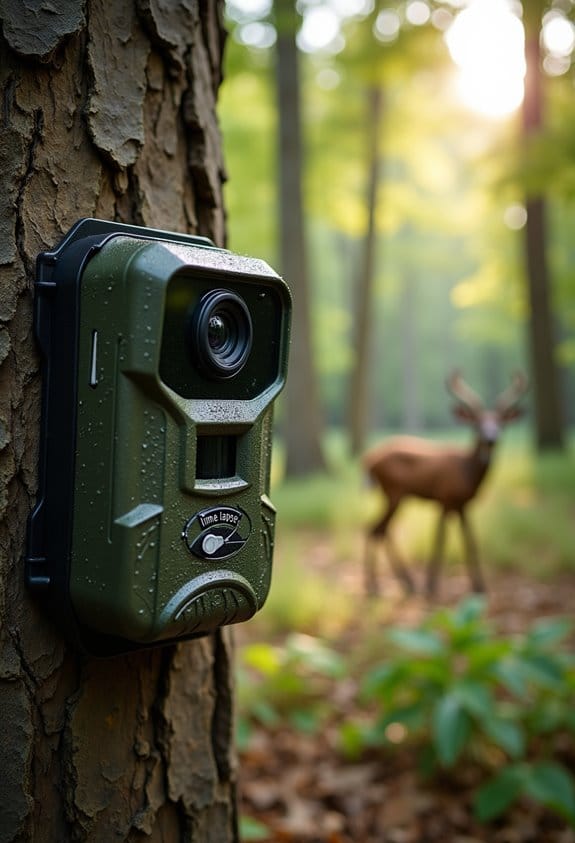
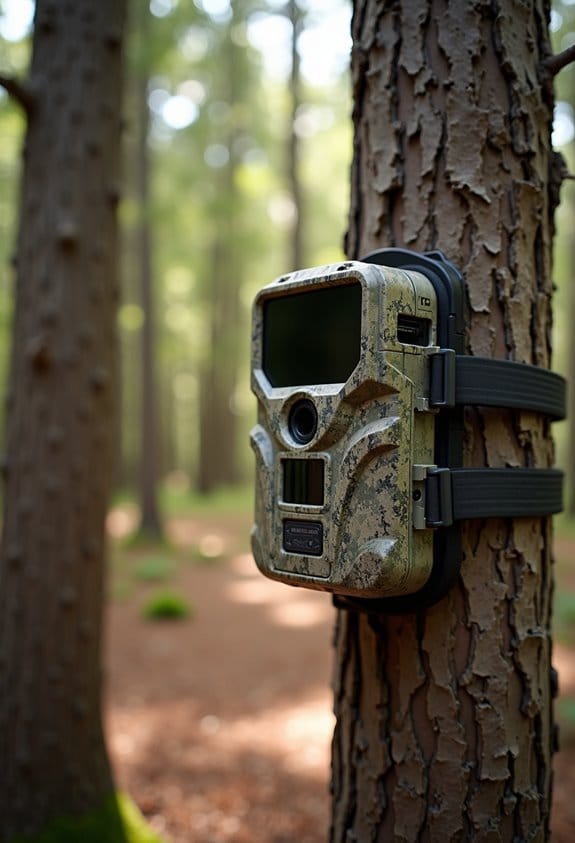
Have you ever been out in nature and wondered how animals really use their habitats? Observing wildlife can be a challenge, but that’s where time-lapse technology steps in to help researchers monitor animal populations with ease. Essentially, this technology snaps high-resolution pictures at regular intervals, allowing scientists to see changes over time without needing to be physically present all the time.
For instance, using systems like SubC Imaging, researchers can set up cameras to capture images in a variety of habitats, including underwater environments. Imagine being able to watch how a school of fish moves through coral reefs over weeks or months! This kind of documentation helps us understand movement patterns and how animals adapt to their changing environments.
With time-lapse technology, we get valuable insights into animal behaviors and ecosystem dynamics, which can inform conservation efforts. It’s fascinating to think about all the stories these images can tell. And speaking of fascinating, let’s explore what else we can learn from monitoring wildlife!
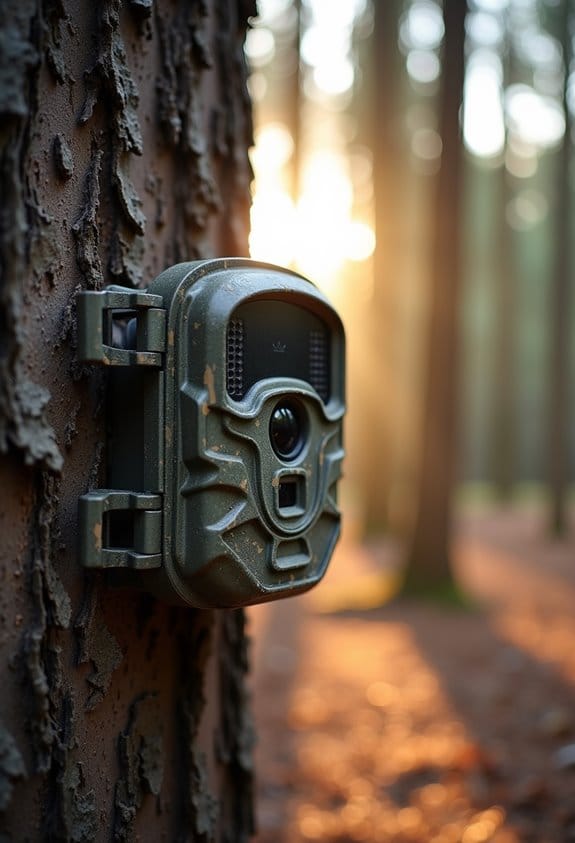
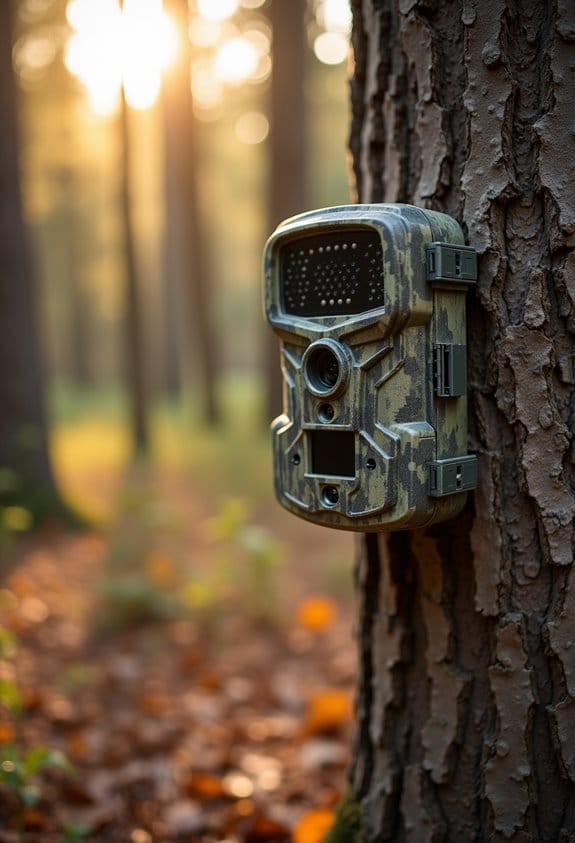
One advantage of modern wildlife monitoring is the ability to use trail cameras equipped with solar panels that extend their battery life, allowing for uninterrupted data collection over months.
How Time-Lapse Imagery Reveals Habitat Use Patterns
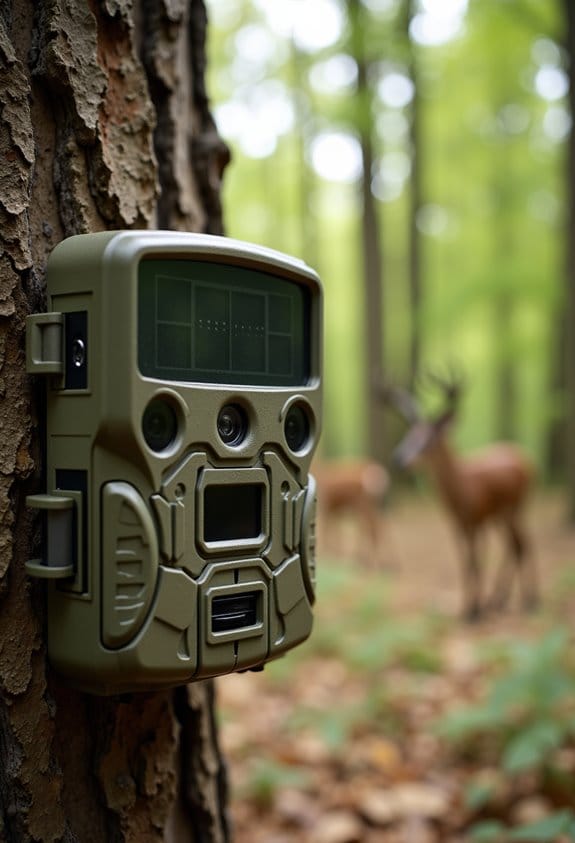
Have you ever thought about how time-lapse imagery can help us better understand animal behavior in their natural habitats? It’s a fascinating tool that lets researchers capture images at set intervals, allowing them to observe animal activity without causing any disturbances. For instance, in the Penguin Watch Project, scientists collected over 63,070 images to study how penguins behave, especially when it comes to nesting. Isn’t it incredible that we can see these adorable penguins in action?
Time-lapse imagery also allows us to track how animals use their habitats seasonally. Take marine life studies off the coast of Australia, for example. Researchers can analyze the movements of different species throughout the year, giving us insights into their migratory patterns and how they respond to environmental changes. Plus, by measuring how close different individuals are to one another, we can learn about their social interactions and movement behaviors.
This visual data sheds light on the impact of environmental changes, like climate shifts or habitat loss, on animal movement. By observing how animals adapt or change their behaviors in response to these factors, we gain valuable insights into ecological health. It’s all part of piecing together how various species relate to their environments and each other, helping us understand the delicate balance of ecosystems. Advanced trail cameras with features like infrared efficiency enable more precise and non-intrusive time-lapse data collection.
Next, let’s explore how these observations can inform conservation efforts and help protect wildlife habitats.
What Are the Benefits of Tracking Movement Trends?
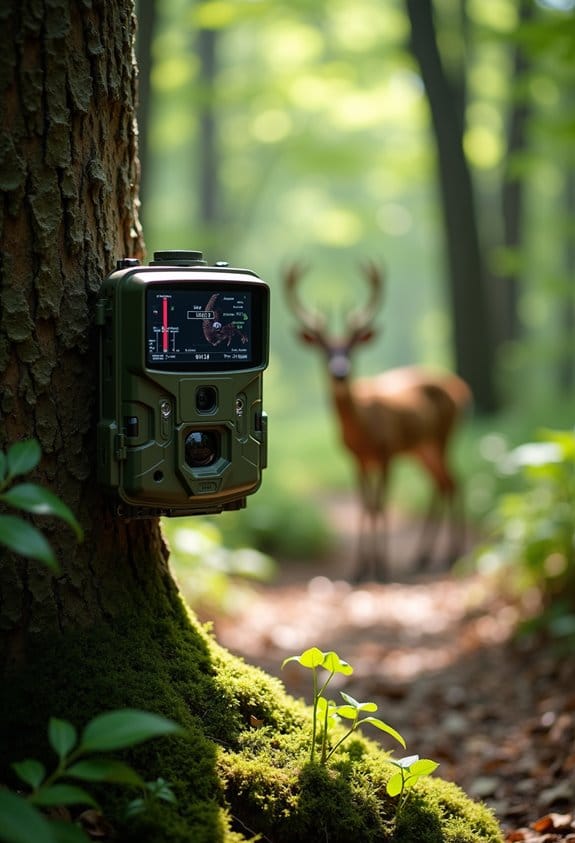
You know, tracking movement trends in wildlife is super fascinating and gives us amazing insights into the lives of different species and how they interact with their environments. For instance, by observing the movements of animals, we can identify their breeding patterns. This is crucial because breeding behaviors indicate the health of an ecosystem. If we see certain patterns change, it could signal that something’s off in their habitat.
Another cool thing about movement tracking is that it helps us understand social dynamics. By measuring how close animals stay to their neighbors, we get a peek into their social interactions and how they’re distributed in their communities. For example, if a group of birds is suddenly spaced farther apart, it might suggest changes in their social structure or environmental stressors.
Plus, keeping tabs on animal movements is an early warning system for population declines. When we monitor their movements regularly, we can spot trends that might indicate trouble. If a particular species, like the monarch butterfly, begins to move less or change its migration pattern, that could prompt conservation efforts before it’s too late.
Analyzing these movement trends also lets us see how changes in their habitat impact their behavior. For example, if a new road interrupts a deer’s usual pathway, it might avoid that area altogether. Understanding these responses helps us develop better management strategies to protect both the animals and their habitats.
Advanced monitoring tools like cellular deer cameras provide real-time alerts and high-resolution images, making it easier to track and analyze wildlife movements accurately.
Using Time-Lapse Data to Analyze Population Density
Hey! You know, understanding how animal populations change over time is super important for conservation, right? That’s where time-lapse photography comes in to help us effectively monitor population density. It works by capturing images at regular intervals, so we can get a clear picture of how many animals, including their young, are around in a given area.
What’s cool is that we can team up with citizen scientists to gather even more data. Imagine being out in the field, taking photos of wildlife yourself, and knowing that your contributions are part of a bigger effort to track these changes! Plus, with the help of computer vision tools, we can analyze all this information much faster.
Thanks to advancements in wildlife monitoring, we can now spot trends over time. For instance, we might find that the population of deer in a particular forest is steadily increasing, while the number of birds in that area is declining. This kind of insight allows conservationists to act quickly, tailoring strategies to address these changes effectively. Many of these monitoring efforts now use 4G LTE connectivity to enable real-time data transmission from remote cameras directly to researchers.
Seasonal Changes’ Effects on Wildlife Movements
You know how the seasons really shift not just our wardrobes but also how wildlife moves around? It’s fascinating to see how animals adjust their behaviors based on food availability and the weather. For instance, during spring and summer, you might spot more active creatures like roe deer. They usually roam farther from their usual spots in search of fresh and abundant food sources.
Then, as fall and winter roll in, wildlife tends to slow down. With fewer resources available, many animals conserve their energy by limiting their movements. Think about it: a bear might spend more time holed up in its den during harsh winter months rather than wandering around looking for food.
But it’s not just the natural changes in seasons that impact these patterns; climate change is shaking things up significantly. Habitat fragmentation makes it even tougher for animals to find mates and food, pushing them into tighter spaces. By using time-lapse technology to observe these movements, researchers can piece together how wildlife adapts and make better efforts to protect their habitats. It’s really a window into the survival strategies of animals! Additionally, employing cellular trail cameras with advanced features like time-lapse modes enhances the ability to monitor these seasonal shifts in real time.
Challenges in Time-Lapse Data Collection
You know, using time-lapse technology can give us incredible insights into wildlife and their movements, but collecting that data comes with its own set of challenges. For starters, analyzing the huge amounts of images we capture can be quite the task. It often takes a lot of time, and if we don’t have the right software, counting animals accurately can become a real headache.
Then, there’s the issue of keeping our cameras in top shape. Just imagine if a camera stops working right in the middle of an important observation period. Regular maintenance is crucial; otherwise, we risk losing valuable data when equipment malfunctions.
Another tricky element is occlusion, where animals are hidden by trees or bushes. It’s really important to develop techniques that can spot these animals even when they’re partially blocked. For instance, we might need to train algorithms to recognize patterns that indicate an animal is behind an obstacle, which helps us understand their behavior better.
To ensure continuous data collection despite environmental challenges, using mounts made from impact-resistant materials can protect cameras and reduce equipment downtime.
Real-World Examples of Time-Lapse Monitoring in Action
Have you ever wondered how time-lapse technology helps scientists study wildlife? One fascinating example is the Penguin Watch Project. This initiative has analyzed over 63,000 images to identify different types of penguins and keep track of their populations. It’s incredible how this technology works!
To start, they use a tool called the Pengbot, which applies smart algorithms to count how many penguins are in a scene and monitor their movements, even if the images aren’t perfect. Another great example is a study done at Axial Seamount, where researchers took pictures of deep-sea life every 30 minutes. Through this time-lapse monitoring, they noticed significant ecological changes and behaviors, such as how certain species adapted to their environment.
What’s even more exciting is that they live-stream these observations. This means scientists can watch these ecosystems change in real time, gaining immediate insights into how wildlife interacts with its surroundings. It’s fascinating to see how time-lapse monitoring not only helps document wildlife but also enriches our understanding of their habitats. Looking ahead, it will be interesting to consider how these techniques might further influence conservation efforts. Modern wildlife cameras with 4G LTE connectivity enable researchers to receive instant updates and real-time footage, enhancing the effectiveness of such studies.
Future Directions for Time-Lapse Technology in Environmental Studies
You know, time-lapse technology is really set to revolutionize the way we study the environment. Just imagine being able to collect data about wildlife movements or seasonal changes almost instantly! With advancements like artificial intelligence and computer vision, we’ll soon be able to analyze large amounts of data on the spot. This means researchers can get faster insights that can help them make more informed decisions.
One exciting development is the potential for longer camera deployments. Picture this: cameras that can stay out in remote areas for months without needing a recharge! This could allow scientists to capture important seasonal changes throughout the year, providing a more complete picture of ecosystems as they evolve.
Engaging citizen scientists in this process can be a big win, too. When everyday people get involved, not only does it increase public interest in conservation, but it also results in a wealth of data that researchers can tap into. Think about local community members helping to gather information about the wildlife in their neighborhoods!
And let’s not forget about the advancements in imaging technology. The introduction of higher resolution and multispectral imaging could help scientists uncover hidden details about ecosystems that we didn’t notice before. For instance, multispectral images can reveal how plant health can vary over time, offering clues about environmental stresses.
It’s exciting to think about how time-lapse technology will change the landscape of environmental studies, but we also need to be mindful of the ethical implications. We have to make sure that we’re using these amazing tools responsibly as we work to conserve nature. That’s a big topic on its own, and it’s essential we navigate it carefully in the coming years.
Additionally, the ability to access footage remotely through real-time alerts ensures that researchers can monitor changes as they happen without frequent field visits.
Frequently Asked Questions
How Much Does Time-Lapse Photography Equipment Cost?
Time-lapse photography equipment can range from $100 for basic equipment options to several thousand for advanced setup techniques. We’ve found some affordable camera models that deliver fantastic results without breaking the bank.
What Types of Wildlife Can Be Monitored Using Time-Lapse?
We can monitor an astonishing array of wildlife species, from tiny insects to majestic deer, using time-lapse techniques! The monitoring benefits reveal behavior patterns that would leave us in awe. Think of the possibilities!
How Long Should Time-Lapse Recordings Be for Effective Analysis?
For effective analysis, we should aim for recording durations that capture significant activity, with ideal intervals ensuring data accuracy. Typically, several hours to days allows us to gather thorough insights into wildlife behaviors.
Can Time-Lapse Photography Disturb Wildlife Behavior?
“Curiosity killed the cat.” We can’t ignore that time-lapse photography may cause wildlife stress and behavioral changes. Disturbance effects are possible, so we must plan carefully to minimize our impact on these creatures’ natural habits.
What Software Is Best for Analyzing Time-Lapse Data?
For analyzing time-lapse data, we’ve found that software like ImageJ or MATLAB works well. They address image processing techniques and data visualization tools, but let’s check for software compatibility issues before committing to any platform.