As an Amazon Associate, we earn from qualifying purchases. Some links on this site are affiliate links at no extra cost to you. Our recommendations are based on thorough research and editorial judgment.

Turning Trail Cam Data Into a Wildlife Sighting Report Template

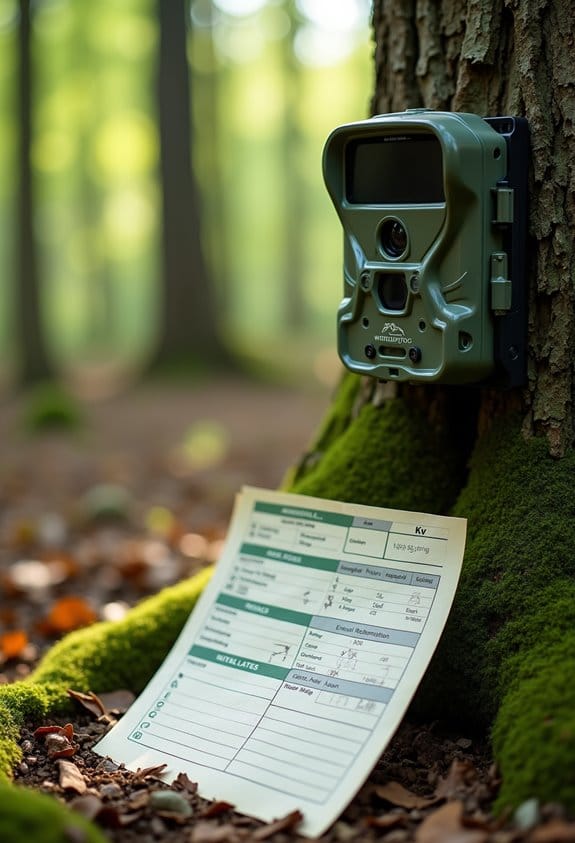
Turning trail cam data into a wildlife sighting report template helps you share your findings clearly. Start by organizing your data with dates, species, and notable behaviors. Include images that showcase the wildlife and their habitats. We can use graphs to show population trends and highlight unusual sightings. Don’t forget to keep your summaries concise and engaging. This helps everyone appreciate local wildlife better. Keep exploring how to enhance these reports effectively!
Key Takeaways
- Utilize clear headers to categorize observations by species, date, and notable behaviors for organized reporting.
- Include relevant images and contextual information like weather to enhance the engagement and understanding of sightings.
- Summarize key findings and patterns concisely, focusing on significant observations and changes in wildlife behavior.
- Incorporate visuals like graphs or maps to illustrate trends, population changes, and habitat use for better clarity.
- Share reports on accessible platforms and social media to reach a broader audience and promote conservation awareness.
Understanding the Significance of Wildlife Sighting Reports
You may be interested
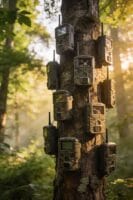

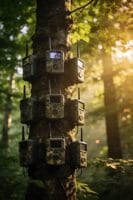
Hey there! So, let’s talk about wildlife sighting reports—these are super important when it comes to understanding animal populations. For example, when people use trail cameras and share their findings, it helps researchers track not just how many animals are in an area, but also which species are making appearances.
One of the biggest benefits of these reports is monitoring populations. Imagine you spot a family of deer or a lone fox on your hike; that single sighting provides valuable insight into how many animals are thriving in that space. It also helps reveal changes in their behavior, like if they’re migrating earlier because of changing weather patterns.
Plus, sharing these sightings fosters collaboration among enthusiasts and researchers. For instance, if you see a rare bird or an unusual predator, reporting it can contribute to a larger database of animal behavior across different regions. This collective information supports better wildlife management practices.
And let’s not forget about community engagement! When locals understand what wildlife lives around them, they’re more likely to protect it and get involved in conservation efforts. Your observations not only enrich our knowledge but can set off a chain reaction of awareness and action in the community.
Using advanced trail cameras with real-time alerts can enhance the immediacy and accuracy of these wildlife sighting reports.
Organizing and Categorizing Trail Cam Data
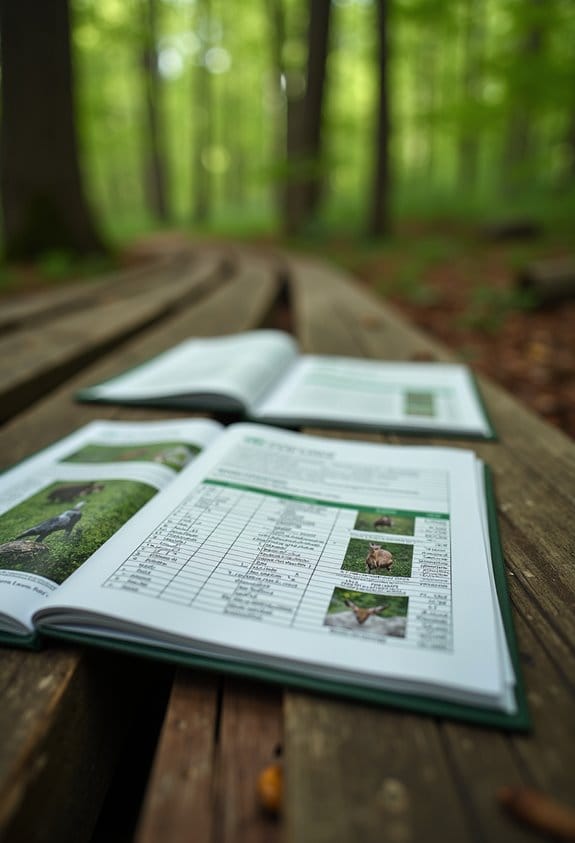
Hey there! Have you ever thought about how organizing and categorizing trail cam data can really enhance our understanding of wildlife? It’s pretty fascinating—by grouping the different species we spot, we can analyze their behavior and movements more effectively. For example, if we pull together all the photos of deer and raccoons, we can see what times they’re most active!
One of the key things to do is record the time stamps and dates for each photo. This helps us identify patterns over time. Just think about it: if we notice a spike in deer activity around dawn in October, that could indicate their migration patterns. Plus, it’s important to filter the data. We can highlight significant sightings—like an unexpected bobcat—which makes our analysis sharper and more meaningful.
Don’t forget to consider environmental factors, too! Things like temperature, wind direction, and even the moon phase can play a big role in animal behavior. For instance, on full moon nights, you might find critters like raccoons rummaging around more often. Visuals like graphs or heat maps can help us present these findings clearly. This organized data structure not only aids in our understanding but also serves the broader conservation efforts as we share our insights.
And as we keep gathering and analyzing this information, we get more chances to learn about the intricate dynamics of wildlife in our area. Using cellular wildlife cameras with app control can make the data collection process seamless and efficient in remote areas.
Recommended Products

The Construction Pack Tikee 4 comes in a dedicated hard case. It contains 1 Tikee 4 Timelapse camera, 1 Stainless Steel Arm, 1 Stainless Steel reinforcement plate, 1 Mounting Kit, 1 256GB MicroSD Card, 1 Cable Lock, 1 pair of lens caps

Cellular Connectivity: SPYPOINT FLEX-DARK sends full-HD photos and videos with sound directly to your phone through the free SPYPOINT app, keeping you informed remotely

What's in the bundle: 4*Reolink TrackMix LTE; 4*Reolink Solar Panel 2; 4*SIM Card; 4*128GB microSD Card
Essential Elements for Comprehensive Wildlife Sighting Reports
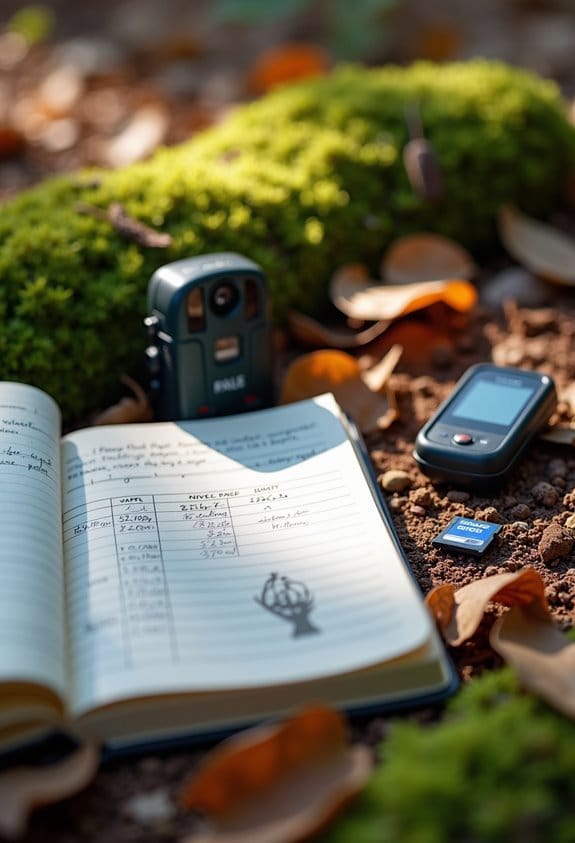
Hey there! So, when it comes to putting together those wildlife sighting reports, it’s super important to combine them with your trail cam data. I mean, think about it: gathering these detailed reports helps us understand animal behaviors and trends we might not notice otherwise.
First off, always jot down the date and time of your sightings. This gives us clues about when animals are most active. And don’t forget the location—specific spots where you see certain animals can show us interesting patterns. For example, if you notice deer frequently in a particular area around dawn, it could indicate safe feeding grounds that they prefer during low light.
Next, make sure to note the species observed and their numbers. This isn’t just about spotting wildlife; it really helps us understand how different species interact within the ecosystem. Also, remember that environmental factors like weather can change animal movements, so keeping track of how conditions impact sightings is key.
High-quality images are essential, too. Good photos with some context about what you’re seeing can really enhance a sighting report. And, of course, wrapping it all up with your thoughts on what the findings might mean is invaluable. Who knows? Your observations could contribute to better wildlife management strategies!
It’s also crucial to consider the trigger speed of your trail camera, as faster response times improve the chance of capturing elusive or fast-moving animals accurately.
Now, as we move on, it’s worth talking about how these detailed reviews can lead to just amazing insights into animal behavior and health over time.
Recommended Products

Bundle Includes: Lowdown High-Speed Trail Camera Image and Video Viewer with 2 x SanDisk 32GB Ultra SDHC UHS-I Memory Cards

2K Live Video & Phone Remote Access: Tkenpro cellular game camera delivers stunning 2K live streaming video, which can be particularly beneficial when trying to identify specific details in the recorded video. Besides, you can adjust camera settings, pan, tilt, or zoom the camera, switch between different camera views, or even trigger specific actions through the Ucon app. Set up the trail camera from your phone anytime, anywhere.

24MP photo & 1080P video: This mini trail camera captures 24MP clear images and full HD 1080P video during day (color) and night (black and white), ensure every details will be captured. (Included 4pcs 16GB SD cards and 16pcs AA batteries) Since the camera cannot connect to a phone, accessing photos or videos requires removing the SD card.
Use Data Analysis Tools for Insightful Reports
Hey there! You know, using data analysis tools is a fantastic way to gain insights into wildlife sightings. Imagine you have a massive stash of trail camera photos—these tools can sift through them and pull out the important details without us having to sift through each image manually, which is such a time saver!
For example, with machine learning algorithms, we can automatically tag the animals we see in the photos. It’s like having a smart assistant who knows exactly what to look for. Plus, we can organize these sightings by different factors, like what species we spotted, their behavior, and even the weather conditions at the time. If we noticed a lot of deer sightings on cooler days, we could start to understand how temperature and wind might influence their activity.
And the visuals! Data analysis tools help us create easy-to-read maps and graphs, showing hotspots for different species. It’s super helpful for sharing our findings with others, like conservation groups or local wildlife managers. By working together and sharing this information, we can make smarter decisions for wildlife management and conservation efforts. It’s pretty exciting to think about how data can empower us in protecting nature!
In fact, integrating data from cellular wildlife cameras enhances real-time monitoring and accuracy in tracking animal movements, making our reports even more reliable.
Recommended Products

Advanced multisport GPS smartwatch for athletes/adventurers features a 1.4” solar charged display with scratch-resistant sapphire lens, durable titanium bezel and built-in LED flashlight for after-dark visibility

Internal rechargeable battery with over 6 hours of battery life

G-METRIX-Built-in GPS and external sensors with connectivity to Garmin devices to capture performance data like speed, elevation, heart rate and G-force
Tips for Sharing Your Wildlife Sightings Effectively
When you’re eager to share your wildlife sightings with others, using a few simple strategies can really make your observations shine. First off, clear headers are a game changer! Organizing your sightings by species, date, and location makes it super easy for friends or fellow nature enthusiasts to follow along. For example, you could say, “On March 15, 2023, I spotted three Eastern Bluebirds near the old oak tree in Riverside Park.”
Including images is another fun way to engage your audience. If you’ve snapped some great pictures, add them in with details about the weather—like temperature or wind direction—so people can understand the context. Imagine sharing a vibrant photo of a fox you saw lounging in the sun, paired with a note about how a warm afternoon might affect its behavior.
Keep your summaries concise and to the point. You don’t need to write a novel; just touch on the species, how many you saw, and anything interesting they were doing. For instance, you might write, “I observed a group of five deer grazing and playfully nudging each other’s sides.”
Visual aids can also help people grasp the bigger picture. Consider making simple graphs or using maps to illustrate trends over time—like the increase in sightings of certain species in a particular area. This makes your findings more relatable and easier to digest.
Finally, don’t forget to share your reports on accessible platforms, like conservation websites or your social media. This way, more people can enjoy and learn from your experiences. It’s all about spreading the love for wildlife and inspiring others to connect with the great outdoors! Speaking of which, have you thought about what species to look for next season?
Using trail cameras with cellular connectivity options can also enhance your data collection by providing real-time wildlife activity updates for more timely and accurate reports.
Recommended Products

This fishing logbook is crafted from genuine cowhide leather—each is unique, just like fingerprints. Subtle differences in color, texture, and markings give every logbook its own character. As you use it on fishing trips, the leather will develop charming "wear marks" from your adventures

PREMIUM QUALITY: Made from top-grain cowhide leather for durability, Secured with a leather buckle closure to keep your notes safe, this hunting logbook exudes luxury and durability, providing a stylish and sophisticated way to record your hunting adventures.

Used Book in Good Condition
Engaging the Public With Trail Camera Data Visuals
Hey there! You know, trail camera data visuals can really spark your interest in local wildlife. Those cool images show us what’s happening in nature, giving us a glimpse of different species in their natural settings. For example, when you see a photo of a fox playing in the snow, it can really make you appreciate how these animals live.
These visuals do more than just catch your eye; they also help us understand patterns in animal behavior. For instance, if you look at a graph showing deer movement during different seasons, you can easily spot when they’re most active. It’s fascinating to see how these activities change with the weather and other environmental factors.
Plus, there are interactive platforms where you can actually explore this camera trap data and even share your own observations. Imagine getting together with your friends to compare what you’ve seen out in the wild! This kind of community involvement encourages discussions about conservation efforts and how our actions affect local ecosystems. Using cameras with effective camouflage patterns helps ensure that the wildlife is observed without disturbance, making the data more authentic and reliable.
Recommended Products


Bundles Includes: Stealth Cam 2022 G42NG 32MP No-Glow Trail Camera (10-Pack, Kryptek Camouflage) with 32GB Memory Cards (20-Pack) and a Card Reader

Bundle Includes: 6 x Stealth Cam 2022 G42NG 32MP No Glow Trail Camera (Kryptek Camouflage) with 6 x Stealth Cam Lithium Solar Power Panel, 6 x 32GB Ultra UHS-I SDXC Memory Card and All-In-One High Speed USB 2.0 Card Reader
Frequently Asked Questions
Why Are Trail Cameras Being Banned?
Trail cameras are being banned due to ethical considerations surrounding fair chase in hunting. These devices can provide unduly advantages, harming wildlife management efforts and leading to unsustainable harvesting practices that disrupt natural animal behaviors.
What States Have Banned Trail Cameras?
We’ve seen states like Arizona, Montana, Colorado, and Utah implement trail camera regulations, which restrict their use during hunting season. These measures aim to promote fair chase and maintain ethical hunting practices across the regions.
Can You Connect a Trail Cam to a Cell Phone?
Yes, we can connect a trail cam to our cell phone through camera connectivity. Many modern trail cameras offer mobile apps that let us access images and manage settings right from our smartphones.
What Is the Difference Between a Trail Camera and a Wildlife Camera?
Isn’t it fascinating how both camera types capture nature’s beauty? While trail cameras focus on motion-triggered wildlife observations, wildlife cameras often cater to artistic shots. We’ve got to choose based on our specific needs!