As an Amazon Associate, we earn from qualifying purchases. Some links on this site are affiliate links at no extra cost to you. Our recommendations are based on thorough research and editorial judgment.


Dynamic Range in Trail Cameras: Why Shadows Hide Animals

Dynamic range in trail cameras is essential for spotting animals hidden in shadows. It measures how well a camera captures light, from bright highlights to dark shadows. When the dynamic range is high, you can see more details in low light, especially during dawn and dusk. This helps you notice animals that typically stay concealed. Here are some key points:
- High dynamic range helps reduce motion blur.
- Good sensors enhance low-light performance.
You may be interested

Understanding these features can boost your wildlife photography skills.
Key Takeaways
- High dynamic range in trail cameras captures subtle details in shadows, improving visibility of animals often concealed in low-light conditions.
- Shadows can obscure animals like deer as they tend to stay hidden in shaded areas during the day.
- Cameras with good dynamic range help differentiate animals from their surroundings by enhancing contrast in challenging lighting.
- Advanced infrared sensors further improve low-light performance, increasing the likelihood of photographing animals while they are hidden in shadows.
- Effective camera settings and proper placement are crucial to balance bright and dark areas, maximizing chances of capturing hidden wildlife.
What Is Dynamic Range and Why Does It Matter for Trail Cameras?
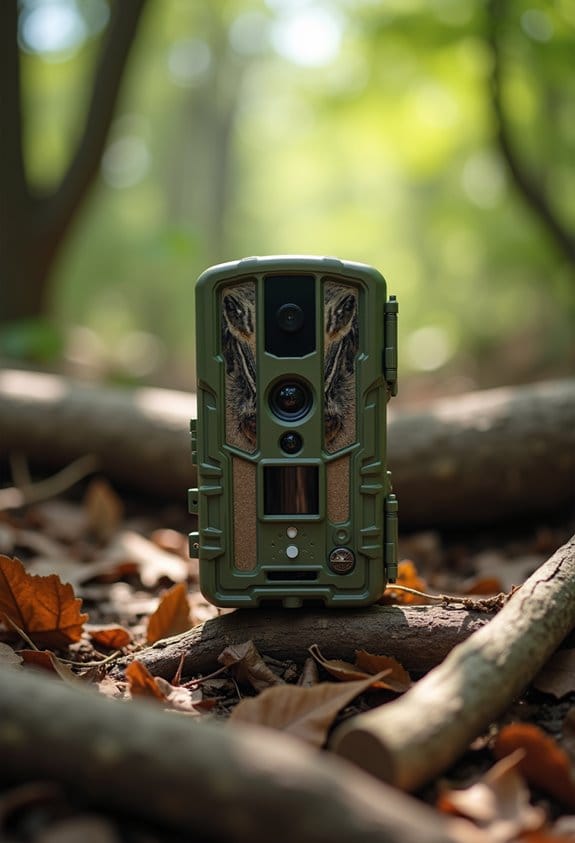
Dynamic range is super important when you’re choosing a trail camera! In simple terms, it’s all about how well the camera can capture different light levels, from bright highlights to dark shadows. Think about it like this: if you’re in a forest, you want to see the details of a deer in the sunlight while still picking up what’s happening in the shady areas.
When a camera has a higher dynamic range, you get clearer images, even in challenging lighting. For example, if you’re trying to catch nighttime activity, a camera with a boosted dynamic range will show you more detail instead of just a dark blur. Those late-night shots of raccoons rummaging through the bushes will actually reveal their features rather than just a shadowy silhouette.
Another piece to consider is how well these cameras manage high-contrast scenes—like when sunlight filters through trees. You won’t miss the intricacies of the scene, whether it’s bright or shadowed. Plus, cameras with a solid dynamic range also help reduce motion blur. So, if a fast-moving animal like a coyote darts through, you’ll capture it in sharp focus rather than a blurry mess.
Understanding dynamic range can genuinely enhance your wildlife photography experience. Now, let’s explore what features matter most when you’re out there capturing your next big shot! Cameras with a fast trigger speed are especially crucial for freezing motion and avoiding missed moments in your images.
How Dynamic Range Affects Wildlife Image Clarity

Hey there! Let’s chat about how dynamic range plays a big part in how clearly trail cameras capture wildlife. Basically, dynamic range is all about how well a camera can handle really bright spots and really dark areas at the same time. It’s super important when you’re trying to spot animals in the wild.
For example, if you have a camera with a high dynamic range, it can pick up subtle details in the shadows. So, if there’s a deer hiding in a shaded area, that camera will help you see it much more clearly. Plus, these kinds of cameras are great for tricky lighting situations like those magical moments at dusk or dawn. They can give you sharp images when the light is changing fast. Just think about how amazing it would be to catch a glimpse of a wild fox as the sun sets!
Also, if you’re trying to photograph quick-moving animals, a camera with good dynamic range can help minimize motion blur. So whether you’re capturing a rabbit dashing through the brush or a bird in flight, you’ll get clearer shots, making identification easier.
Another key factor is the trigger speed of the camera, which works hand-in-hand with dynamic range to ensure that fast wildlife movements are captured crisply.
In the end, understanding this feature helps you choose a trail camera that’ll suit your needs, whether you’re monitoring wildlife for research or just for fun. The next time you’re out in nature with your camera, appreciating its clarity will make your wildlife observations all the more exciting!
Key Light Conditions for Optimizing Wildlife Observation
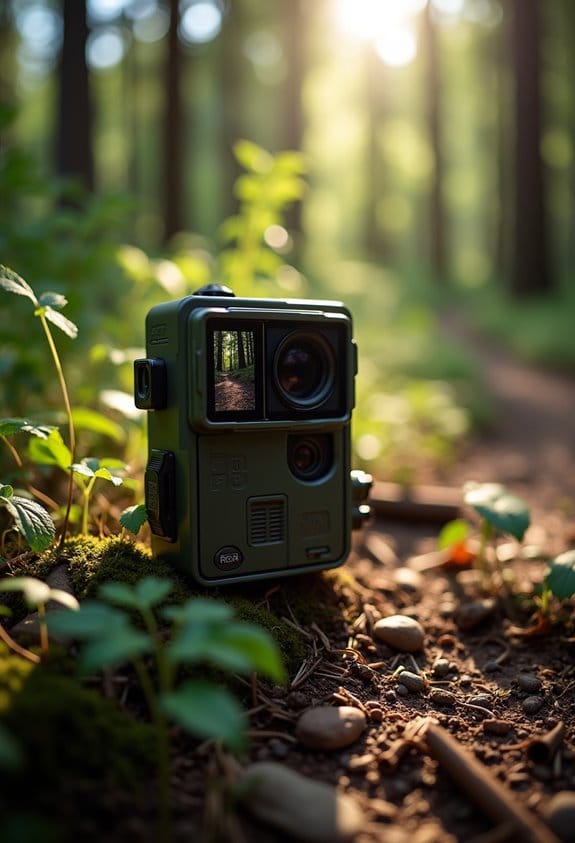
You know, capturing wildlife can be a bit of an adventure, and understanding key light conditions is a huge part of that. The right lighting can mean the difference between snapping a stunning photo of a deer at dawn or a blurry shadow in the bushes. So let’s chat about how you can make the most of your wildlife observations.
First off, your camera settings are going to change depending on the time of day. For instance, animals tend to be more active during the magical hours of dawn and dusk, but the lighting can be pretty tricky at those times. You want to fiddle with your camera settings to ensure you get clear images, even when the light isn’t perfect.
When it comes to low-light conditions, it’s wise to choose a camera that excels in dim lighting. Look for a model with a high signal-to-noise ratio (SNR) because it helps you catch those subtle movements that might otherwise go unnoticed. Imagine spotting a quick glance of a fox on the move—you definitely don’t want to miss that because your camera struggles in lower light.
Finally, consider the dynamic range of your trail camera. A camera with a high dynamic range can balance bright spots and dark shadows, so it reveals those hidden animals that blend into their surroundings. For example, when there’s a bright sunset or deep shadows in the forest, a capable camera can capture details you’d otherwise lose. Opting for cameras with advanced infrared sensors like Starvis technology can significantly enhance low-light performance and image clarity.
The Role of Shadows in Concealing Animals From View
You know, when we head out to spot wildlife, we usually think that bright sunlight is our best bet. But here’s the thing: shadows play a significant role in how well we actually see animals in their natural surroundings. They can make it tougher to spot creatures because many prefer to hang out in those darkened spots where they feel safe.
Take, for instance, a deer. During the heat of the day, you might find it tucked away in the shade of a tree rather than out in the open. This clever behavior helps the deer avoid not just the heat, but also potential predators and the prying eyes of humans. And if you’re trying to capture that moment on camera, knowing how shadows affect visibility is key. A camera’s dynamic range is important here—it’s really all about how well it can show details in bright highlights and dark shadows. If your camera can handle high dynamic range, you’re much more likely to get a great shot of an animal blending into the shadows. Modern trail cameras also utilize low-glow infrared night vision to capture clear images in darkness without disturbing wildlife.
Explore the Technology Behind Dynamic Range in Cameras
You know, shadows can actually be your best friend when it comes to capturing stunning wildlife photos. The secret lies in understanding dynamic range—essentially, this is a measure of how well a camera can handle light. When a camera has a high dynamic range, it means you get to see amazing details in both the bright highlights and the dark shadows of an image.
Take low-light performance, for example. Modern cameras have advanced sensors that are really good at picking up details even in dim conditions. This is super helpful for wildlife photography because it allows you to spot animals hiding in the shadows or under thick foliage. Imagine you’re in a forest at dusk, and there’s a deer just a few feet away. A camera with great low-light capability can help you capture a clear picture of that deer, despite the fading light.
These advanced sensors effectively capture a broader spectrum of light, which reduces underexposed areas. This means fewer surprises when you look at your photos later. So, if you want to improve your wildlife shots, pay attention to a camera’s dynamic range and low-light performance; they can make all the difference in getting that perfect shot of elusive creatures in their natural habitat. Speaking of natural habitats, let’s explore how different environments affect photography even further. Additionally, technologies like no-glow infrared allow cameras to take clear night shots without disturbing wildlife, enhancing the overall image quality in low-light scenarios.
How to Choose a Trail Camera With Optimal Dynamic Range
Choosing a trail camera with the best dynamic range can feel overwhelming, but it doesn’t have to be! Let’s break it down together. First off, you’ll want to look for cameras that come equipped with advanced sensors. These sensors perform really well in low light, which means they’ll capture clearer images when it’s dark outside. For instance, if you’re hoping to snap shots of deer at dusk, having a solid low-light performance will make all the difference.
Another key feature to consider is high dynamic range (HDR) imaging. This technology works wonders by blending different exposures so you can see both the bright highlights and dark shadows in your photos. Imagine catching a picture of animals by a waterhole where the sun is shining brightly—HDR helps ensure that you don’t miss any details in the light or shade.
Don’t forget about the signal-to-noise ratio (SNR) too! A high SNR helps keep your images clear and reduces that pesky noise, especially in the darker parts of your shots. It’s often the difference between a blurry mess and a crisp, detailed photo.
Finally, remember to tweak your camera settings based on the lighting conditions. Setting up your camera in a spot that avoids harsh sunlight and heavy shadows can really enhance its dynamic range. Additionally, using mounts made from heavy-gauge steel can help ensure your camera remains secure and protected to maintain optimal performance. With these tips in mind, you’ll be well on your way to capturing breathtaking images out in nature! What other features or questions do you have in mind for your trail camera adventure?
Common Dynamic Range Challenges in Trail Cameras
Hey, have you ever run into dynamic range challenges with trail cameras? It can really be a hassle when you’re trying to snap pictures of wildlife in different lighting situations. For example, if the camera struggles with dynamic range, it might lose important details in the shadows or even wash out highlights. This can make it really tricky to identify animals, especially if they’re hiding among dense leaves.
Another issue arises when you’re dealing with high-contrast lighting – think of those moments when a bright sunlit area meets deep shadows. In those cases, animals can blend right into their surroundings, making it hard to spot them at all. It’s like trying to find a needle in a haystack!
And let’s not forget about low-light conditions at dusk or dawn. Cameras that have a narrow dynamic range often produce grainy images, especially in darker areas where you might hope to catch a glimpse of wildlife. So, keeping these challenges in mind can really help you better prepare and position your trail camera for success. It’s all about maximizing your chances to capture those fleeting moments in nature! Choosing a camera with a high image resolution and advanced night vision can significantly mitigate these issues.
Solutions for Enhancing Dynamic Range Performance
If you want to boost the dynamic range performance of your trail cameras, I’ve got some practical tips that can really help. Think of dynamic range as the ability of your camera to capture both the bright spots and the dark shadows in a single image. It’s essential for getting those clear, detailed pictures of wildlife without the extremes of light ruining the shot.
First off, consider choosing advanced sensors. Cameras that are specially designed to handle various lighting conditions will deliver better results. For example, a camera that excels in bright sunlight yet still captures the details in the shade will provide a much clearer picture of the deer that just wandered into your view.
Another great trick is to use the HDR mode if your camera has it. This mode works by taking several shots at different exposures and blending them together. So instead of losing detail in the bright or dark areas, you get a more balanced image. It’s like having your cake and eating it too; you won’t miss a detail of that stunning sunset behind the trees!
Also, make sure you place your cameras strategically. Avoid direct sunlight or deep shadows where possible; this can drastically change the quality of your images. Think about setting them up in an open area where the light is more consistent throughout the day. And don’t forget to give your camera some regular TLC! Cleaning the lens and keeping the firmware updated can make a noticeable difference in image quality.
Lastly, opting for cameras specifically designed for wildlife can be a smart move. These cameras often have built-in features that enhance dynamic range performance, so you can catch every little detail of your animal sightings. By combining these strategies, you can elevate your trail camera game and enjoy more incredible wildlife moments. Now, let’s talk about how to manage the other elements like battery life and storage to keep your camera running smoothly! For longer sessions, consider models with solar power options to reduce the frequency of battery replacements and maintain consistent performance.
Dynamic Range Examples for Wildlife Observation Success
Hey there! If you want to capture wildlife successfully, dynamic range in your trail camera is super important. When a camera has a high dynamic range, it can show details in bright spots and dark shadows. For instance, picture a beautiful forest clearing at sunrise—your camera’s ability to handle those varying light levels means you could spot a deer just hanging out in the shade, even while the sun’s bright in the sky.
Speaking of spotting animals, have you thought about using infrared LEDs? They’re perfect for getting clear images when it’s dark out, helping you catch those nocturnal critters in their element. If your camera has an HDR (High Dynamic Range) mode, definitely give it a go! It takes several pictures with different exposures and combines them, making tricky lighting situations, like a sunset filtering through trees, look a lot clearer. Additionally, many trail cameras feature No-Glow IR technology, which ensures clear nighttime images without disturbing the animals.
Frequently Asked Questions
Do Animals Sense Trail Cameras?
Absolutely, animals do sense trail cameras. Research reveals that up to 70% of mammals exhibit camera shyness. With their advanced scent detection and nocturnal behavior, they often avoid these devices unless they’re curious.
What Is the Purpose of Dynamic Range?
Dynamic range’s purpose is to enhance image quality by capturing a wider range of light intensities. For wildlife photography, the benefits include improved detail in shadows and highlights, allowing us to better appreciate animal behavior and environments.
Which Animal Is Invisible When Seen in Infrared Cameras?
Like a magician’s secret trick, some animals, such as certain deer, can disappear from infrared cameras due to their infrared sensitivity and natural camouflage, evading thermal detection and slipping unnoticed through the shadows of their habitat.
Why Are Trail Cameras Being Banned?
Trail cameras are being banned due to concerns over surveillance ethics, potential disturbances to wildlife, and habitat disruption. While useful for wildlife monitoring, camera technology’s impact on ecosystems has prompted regulatory actions in various regions.