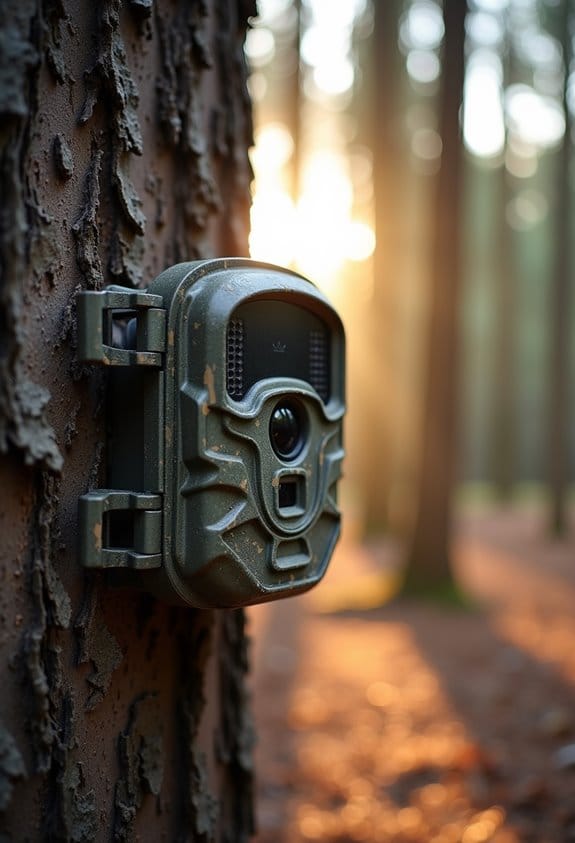
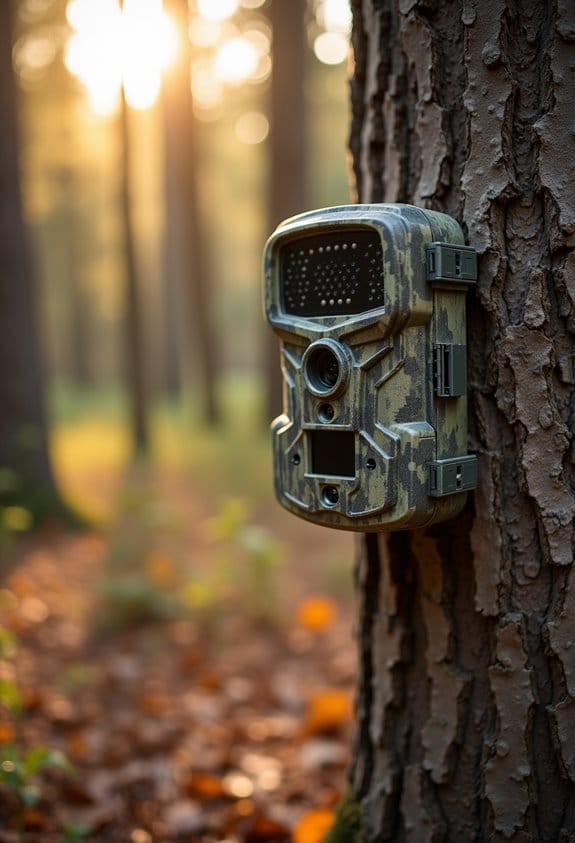
As an Amazon Associate, we earn from qualifying purchases. Some links on this site are affiliate links at no extra cost to you. Our recommendations are based on thorough research and editorial judgment.

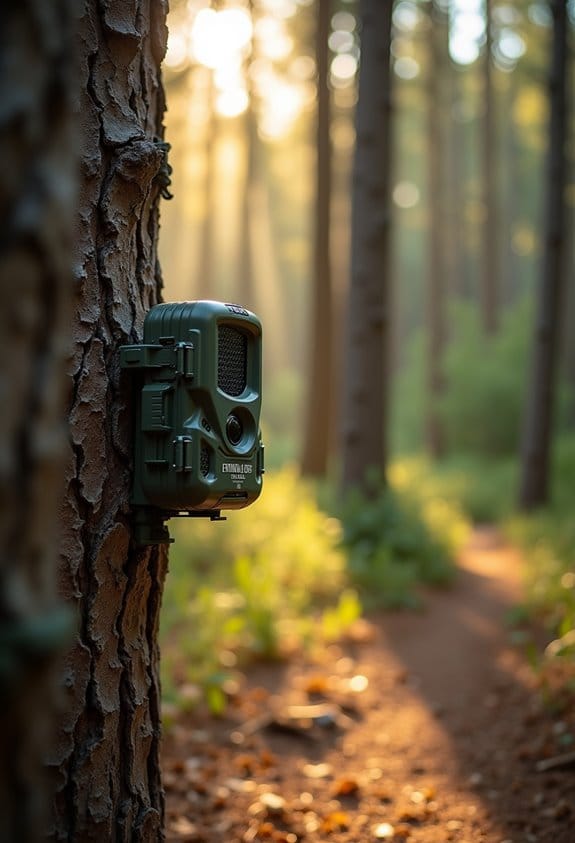
What “Stamp Info” Means: Time, Moon Phase, Temp, and Metadata

Stamp Info is key information collected by trail cameras, which shows important details for wildlife studies. It includes:
- Time: Helps track when animals are active.
- Moon Phase: Indicates how animal behavior changes with the moon’s cycle.
- Temperature: Provides context for activity levels based on weather.
You may be interested
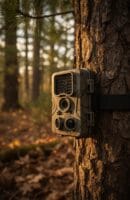
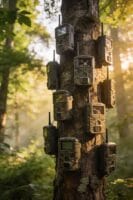
This metadata enhances our understanding of wildlife and storytelling in animation. By utilizing this info, you can improve your observations and gather more insights about animal behavior. There’s much more to discover!
Key Takeaways
- Stamp Info captures essential data like time, providing precise dates for wildlife activity analysis from trail camera photos.
- Moon phase impacts animal behavior, with many species more active during full moons, aiding understanding of movement patterns.
- Temperature records contextual environmental conditions, reflecting influences on animal activities and behaviors during different weather scenarios.
- Metadata enriches creative storytelling by adding context, improving production workflows, and ensuring consistency in visual narratives.
- Implementing Stamp Info with advanced technology enhances wildlife observation and research effectiveness by tracking detailed environmental conditions and behavior insights.
What Is ‘Stamp Info’ and Why Should You Care?
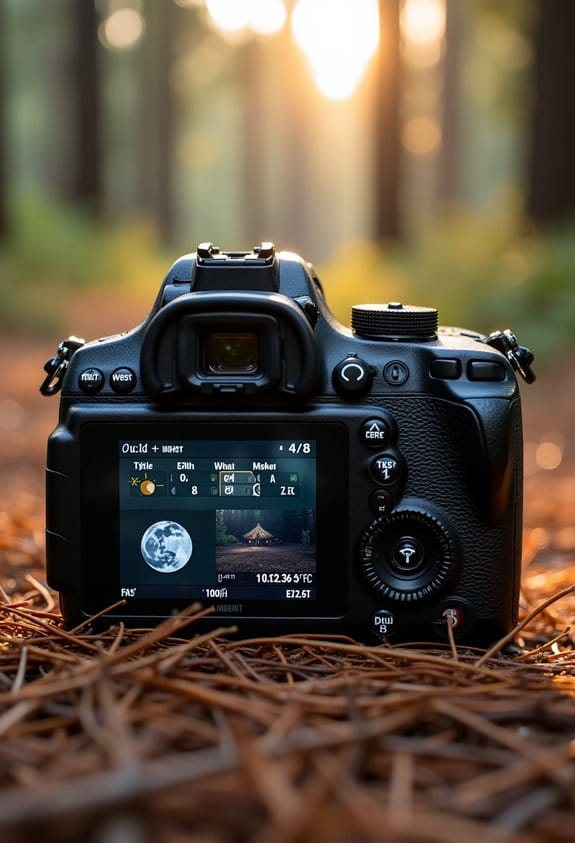
Have you ever heard of “Stamp Info”? If you’re into wildlife studies or just curious about animal behavior, it’s a really handy tool! Basically, it captures vital details about each photo our trail cameras snap. Let’s break down why it’s so important.
First off, the date and time are spot-on, down to the exact second. This helps us understand when animals are most active. For example, if we see a lot of deer at dusk, we can learn that they prefer to roam around that time. Then there’s the temperature—knowing how warm or cool it is when we take a picture gives context to the animals’ actions. A bear might be more likely to venture out for food if it’s cooler, rather than in the heat of summer.
Lastly, the moon phase is pretty fascinating. It can impact animal movement. Animals like wolves might be more active during a full moon because the brighter night helps them hunt. How cool is that? Understanding these snapshots not only shows us what’s happening in nature but can also help in protecting wildlife habitats. This data truly helps paint a clearer picture of the ecosystems we study! Many modern trail cameras even include motion sensor technology to capture these moments only when animals are present, making the data more relevant and useful.
Using Time, Moon Phase, and Temperature for Better Data
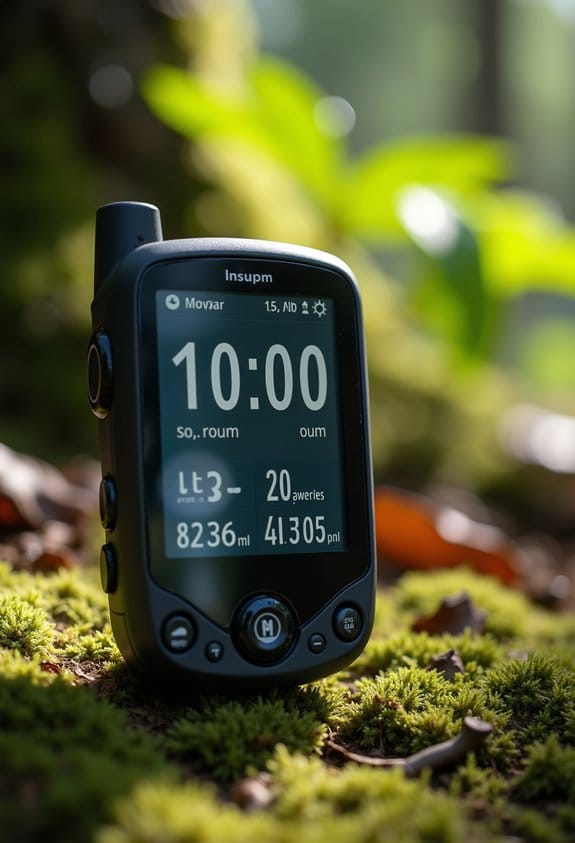
Hey there! So, have you ever thought about what really drives wildlife behavior? It’s super interesting and understanding those factors can give us great insights into how animals tick. For starters, using the “Stamp Info” feature allows us to capture some key details like the time of day, the moon phase, and temperature, which can all play a big role in animal activity.
Let’s break it down a bit. When we look at the time, we can actually see when animals are out and about. For example, deer tend to be more active during dawn and dusk, which means if you’re out there during those hours, you might just catch a glimpse of them. Then there’s the moon phase. Many animals, like certain fish, are known to be more active during a full moon because the extra light can make it easier for them to hunt.
And don’t forget about temperature! You’d be surprised how much many animals adjust their behavior based on whether it’s warm or chilly outside. For instance, you might notice that on cooler days, squirrels are more likely to be out gathering food in preparation for winter. Modern trail cameras also utilize infrared heat signature technology to improve detection and monitoring of animals regardless of lighting conditions.
How Metadata Enhances Storytelling and Organization in Animation
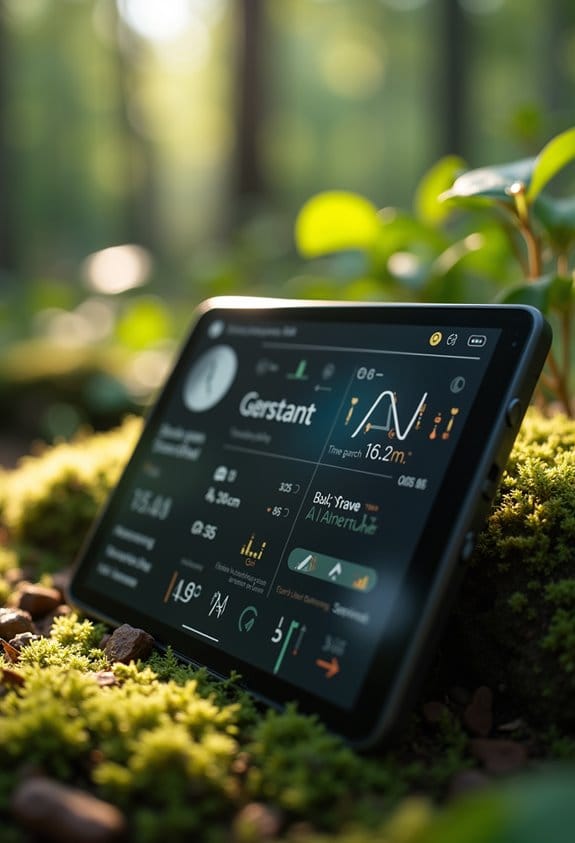
Hey, have you ever thought about the behind-the-scenes magic that goes into animation? Metadata plays a crucial role in both storytelling and organization, and it truly makes a difference. For instance, when animators include details like the temperature outside or the moon’s phase, it can really add layers to the narrative—perhaps a character is more driven on a crisp, clear night because the environment feels right for their journey.
Plus, there’s a practical side to metadata that helps the animation process run smoothly. When assets, like character models or background designs, are tagged with information such as camera IDs and timestamps, it becomes a breeze to find what you need. Imagine a scene where a character pulls out a magic sword; with well-organized metadata, animators can quickly locate the sword’s design and the specific angles they need.
Collaboration is another area where metadata shines. When everyone on the team uses clear and precise tags, it’s easy for each member to understand how and why certain assets are used in different scenes. For example, if an animator needs to know which background works best for a peaceful scene, metadata can point them in the right direction without any confusion.
At the end of the day, thorough metadata helps ensure that all creative choices align with the overall story, which ultimately boosts the quality of the production. It’s fascinating how these details not only streamline the process but also enrich the storytelling experience! Furthermore, incorporating weather resistance ratings in metadata can help teams understand and plan for environmental factors affecting outdoor scene elements.
Practical Uses of ‘Stamp Info’ in Animation Production
You know that feeling when you’re watching an animation and everything just fits perfectly? That’s where the “Stamp Info” feature comes in handy! It’s like giving your animation a backstage pass to add essential metadata directly into each frame. Let me break it down for you.
First up, timestamps can be super helpful. They allow you to sync your scenes with real-world events, making sure everything flows just right. Imagine you’re working on a story that happens during a specific holiday—adding a timestamp ensures that your characters are celebrating at the right moment.
Next, think about the moon phase. This detail can really set the mood for night scenes. If you’re animating wildlife, knowing whether it’s a full moon or a new moon can help you shape how animals behave. It’s these little touches that create a more immersive experience.
Now, let’s not forget temperature! Reflecting seasonal changes in your animation adds a layer of realism. For instance, if it’s snowy in your scene, it’s a visual cue that it’s winter—plus, this can influence how your characters react to their environment.
Using “Stamp Info” also helps keep your production organized. Tracking your timeline this way makes sure the story unfolds the way you envision. It’s all about those details that help enhance your narrative, right? So, next time you’re in the animation zone, give “Stamp Info” a shot and watch your scenes come alive!
In addition, integrating metadata like motion detection advances can help you capture crucial moments in your animations with precision.
Tips for Integrating ‘stamp Info’ Into Your Workflow
Hey, have you heard about the “Stamp Info” feature? It’s a fantastic tool that can really enhance your workflow when you’re capturing images or videos. I’ve got some tips that can help you integrate it seamlessly into your routine.
First off, you can customize your Stamp Info. For example, adjusting the logo size and adding a seconds field can refine your time tracking. This little tweak allows you to get more accurate data when you’re observing wildlife, which makes your research even more reliable.
Another tip is to use real-time data. Why not capture weather conditions like temperature and time right alongside your photos? This information is crucial when you’re analyzing animal behavior, as it can reveal how environmental factors influence their activities.
Make “Stamp Info” a standard part of every project you work on. Consistently incorporating it into each photo or video you take ensures that every shot contributes to your research. Imagine being able to reference specific conditions for every image you’ve captured!
Lastly, don’t forget to regularly review your captured metadata. This habit can significantly deepen your understanding of the patterns and trends in your studies. By staying engaged with all the data you collect, you enhance your decision-making process.
Also, using cameras with cloud storage capabilities can make managing and accessing your stamped data much easier without draining your mobile data.
I hope these tips spark some ideas on how to use “Stamp Info” in your next project! Now, let’s talk about some specific wildlife observation techniques that can benefit from this rich data.
Future Developments and Community Collaboration in Metadata Usage
Hey there! If you’re into wildlife observation like I am, you know that keeping up with future developments in metadata usage for trail cameras can really up your game. Let me share some cool updates that are on the horizon!
First off, you can expect a battery capacity indicator that gives you a much clearer idea of how long your camera will last. No more guessing! Imagine being able to see exactly how much juice you have left before heading out on a scouting trip. And speaking of clarity, the capture info display is getting a makeover. You’ll see details like the time, temperature, and even the moon phase with ease, helping you pick the best times to observe wildlife activity.
Another exciting improvement is the time display enhancements. This will include a new seconds field, giving you precise time-stamped data, which is super handy for analyzing animal behavior over time. Plus, if you ever wish to personalize your camera, new custom firmware updates will allow you to tweak your filename and folder structure – perfect for keeping everything organized.
Let’s not forget about expanded metadata tags! Picture this: when you add something like humidity to your scouting data, it can make a real difference in understanding wildlife patterns and habits.
I really encourage you to share your thoughts and feedback with the community. Engaging with other trail camera enthusiasts can help us all refine how we use metadata. These discussions are essential for ensuring that all users benefit from the latest advancements. So, what do you think? Do you have any ideas that could enhance our trail camera experience even further?
Additionally, integrating metadata with 4G LTE connectivity can revolutionize how quickly and efficiently data is accessed and shared remotely.
Frequently Asked Questions
How Does “stamp Info” Improve Collaboration Among Team Members?
“Stamp info” enhances collaboration by fostering team synchronization and improving project tracking. It allows us to share essential updates quickly, ensuring everyone’s on the same page and can respond effectively to any changes or developments.
Can “stamp Info” Be Applied to Existing Blender Projects?
Yes, we can seamlessly integrate “stamp info” into existing Blender projects. By utilizing various application methods, we enhance our workflow, enrich our creativity, and foster collaboration, ensuring every project reflects our collective artistry and vision.
Is “stamp Info” Available in Other 3D Software?
Yes, stamp info isn’t exclusive to Blender. Maya features similar functionality, and Cinema 4D also offers options for integrating metadata. We should explore each software’s capabilities to find what best suits our creative needs.
What Types of Temperature Data Can Be Recorded?
We can record temperature data reflecting current conditions and seasonal variations. It’s fascinating how these readings influence our projects, offering insights into environmental changes that can impact our work and enhance our creations.
How Is the Moon Phase Calculated for “stamp Info”?
As we gaze at the night sky, the moon phase’s calculation reveals the lunar cycle’s influence on our surroundings. By tracking the moon’s position and its six phases, we connect with nature’s rhythmic dance.