As an Amazon Associate, we earn from qualifying purchases. Some links on this site are affiliate links at no extra cost to you. Our recommendations are based on thorough research and editorial judgment.


Tagging Wildlife Photos: Species, Behavior, Direction of Travel

Tagging wildlife photos is essential for understanding biodiversity. When you include details like species name, behaviors, and direction of travel, you help researchers monitor animal populations. Here’s what to tag:
- Species: Identify the animal correctly.
- Behaviors: Note any interesting actions, like hunting or nesting.
- Direction of Travel: Record where the animal is headed.
You may be interested


This information aids conservation efforts and can improve future research outcomes. There’s much more to discover about wildlife photography techniques.
Key Takeaways
- Include species names in tags to facilitate easy identification and enhance biodiversity understanding.
- Document observed behaviors, such as hunting or social interactions, to provide insights into wildlife ecology.
- Record the direction of travel for animals to track movement patterns and monitor population dynamics.
- Capture the date and time of images to analyze seasonal behaviors and activity trends in wildlife.
- Utilize GPS coordinates or landmarks in tags to provide precise location information for future reference and studies.
Understanding the Importance of Tagging Wildlife Photos
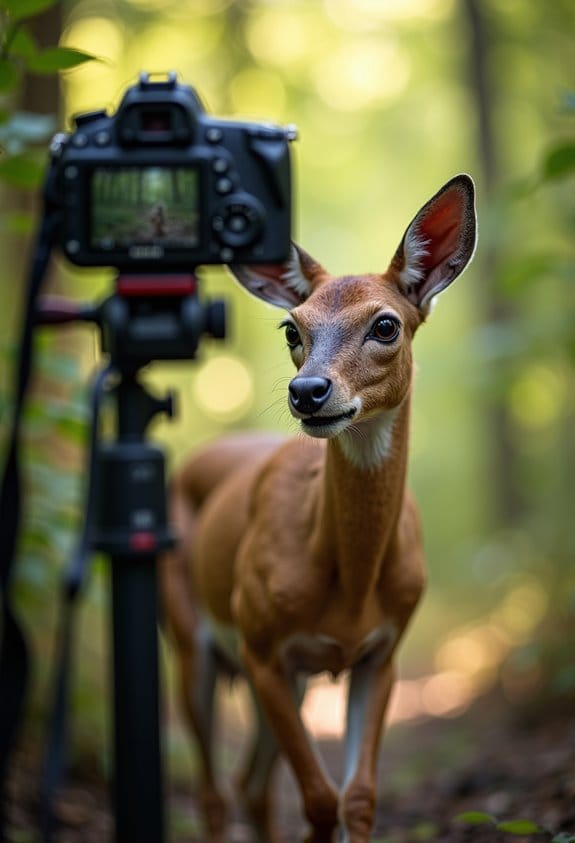
Hey, did you ever think about how important tagging wildlife photos really is? You might picture amazing landscapes and cute animals, but tagging plays a crucial role in understanding biodiversity. It’s like putting a label on a favorite book; it helps researchers find what they need. For example, when tags help identify species, researchers can keep an eye on different animal populations, which is vital for conservation efforts.
But tagging isn’t just about identifying animals. It can also include behavioral data, like when animals are eating or mating. Think about it: if we know what animals are up to in their natural habitats, we gain important insights into their ecology. Plus, tracking their movements tells us how they navigate their environments—like how some birds travel thousands of miles during migration and use specific stopover points along the way.
Another great thing about tagging wildlife photos is that it supports accurate data collection. When researchers link photos to specific studies, it makes the information more reliable and easier to use in future conservation strategies. And let’s not forget collaboration! By using consistent tagging practices, researchers can share their findings more easily, which ultimately boosts conservation efforts all around. Additionally, advancements in motion detection technology enhance the quality and timeliness of wildlife photo tagging by capturing precise moments in animal behavior.
Key Elements for Wildlife Photography: Species Identification
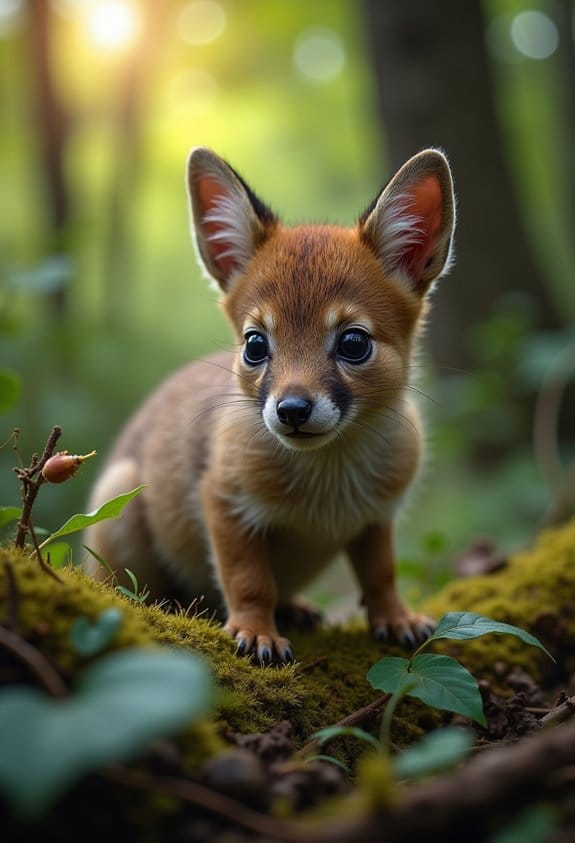
Hey there! If you’re eager to snap some incredible wildlife photos, the first thing you need to really nail down is species identification. It’s all about spotting those unique physical traits, like size and color. For example, when trying to tell the difference between a Cooper’s hawk and a sharp-shinned hawk, look for their distinctive tail shapes and varying patterns.
Another key aspect is understanding animal behavior. Knowing what different species eat or how they interact during mating season can seriously up your photography game. Imagine being patient and capturing a rare moment when a mother deer leads her fawn to a watering hole—it’s all about timing and knowing what to look for.
Then there’s the direction of travel, which can really help you set up for the perfect shot. If you see animals moving towards a specific area, make sure you’re ready and in position to capture them.
Also, don’t underestimate the power of field guides or handy mobile apps. They can be a lifesaver in the field, assisting you with quick identifications and informing you about common behaviors for different species.
Using cellular trail cameras can also enhance your ability to monitor wildlife behavior remotely and capture high-quality images without disturbing the animals.
Recommended Products


RELIABLE 24/7 VISION - Infrared/Thermal imaging reveals humans and animals in complete darkness or glaring light, offering reliable detection at any time of day.

Techniques for Capturing High-Quality Wildlife Images
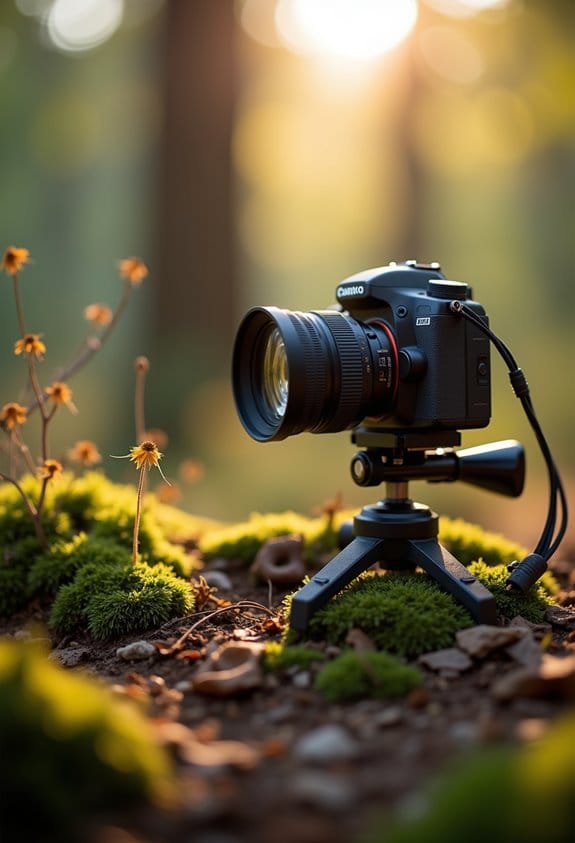
Capturing high-quality wildlife images is really about blending your skills with some handy knowledge. Imagine yourself out in nature at dawn, camera in hand, waiting for that perfect moment. It’s not just luck; it’s knowing what to do!
First off, let’s talk camera settings. You’ll want to use a fast shutter speed to freeze any action. Think about a bird in mid-flight—if your shutter speed is too slow, it’ll just be a blur. A wide aperture is great for letting in light and creating a nice blurry background, making your subject pop. For example, if you spot a deer amidst a forest, a wide aperture will help you focus on the deer while the trees behind fade softly.
Next, knowing animal behavior is crucial. Animals are often most active during golden hours—those beautiful early mornings or late afternoons. That’s when you’ll capture stunning images, whether it’s a cheeky squirrel darting about or a majestic eagle soaring above.
And here’s a tip: natural camouflage can be your best friend. Dress in earth tones and keep quiet while you move. When you blend into the environment, animals are less likely to feel threatened, giving you better chances for those close-up shots.
When framing your shots, pay attention to the direction the animal is traveling. Position yourself in a way that allows their movement to flow into the frame, adding a sense of dynamism to your images. If you can, use a telephoto lens, which lets you maintain a safe distance from the wildlife. It’s perfect for capturing intricate details without disrupting the creatures in their natural habitat.
Using cameras with infrared flash technology can improve nighttime shots without disturbing wildlife, ensuring clear photos even in low light conditions.
Recommended Products

Super-telephoto, 600mm Lens with Wide f/4 Maximum Aperture, Exclusively for EOS R-series cameras.
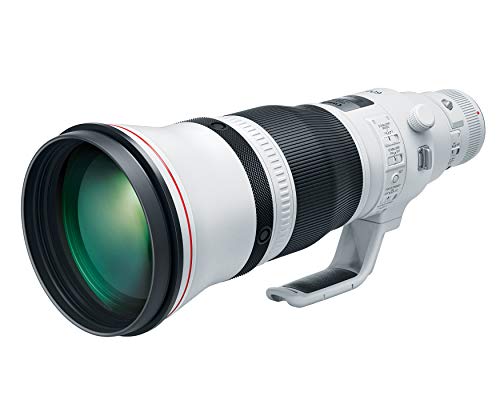
Revised Optics for a lighter Super telephoto EF L Lens

World’s lightest1 600mm super-telephoto full frame wide-aperture F4 lens
Why Habitat Context Matters in Wildlife Photography
You know, when it comes to wildlife photography, understanding habitat context is super important. Knowing where certain species like to hang out can really help you snap those perfect shots of them in their natural surroundings. Imagine capturing a majestic heron wading through a wetland or a playful fox darting through a lush forest—these are the kinds of moments that truly showcase their behavior.
Different habitats, like wetlands, forests, or grasslands, are home to all kinds of wildlife. So, if you want to find a specific animal, think about where it’s likely to be. For instance, if you’re aiming to photograph migratory birds, you’d want to head toward wetlands during the spring and fall when they’re passing through.
Seasons also play a big role in this. If you keep an eye on seasonal changes, it helps you pinpoint the best spots at just the right times. For example, wander into an area during the early morning while animals are feeding, and you might just catch a glimpse of them at their most active. Plus, understanding what, when, and where animals eat can help you anticipate their movements, making it easier to set up for that perfect shot. Utilizing cellular wildlife cameras can enhance your ability to monitor animal activity remotely and capture candid moments in their natural habitats.
Identifying Animal Behavior Through Photography
Hey there! If you’re getting into wildlife photography, you’ll quickly discover that identifying animal behavior is one of the most exciting parts of the experience. Not only does it enhance your pictures, but it also helps you connect with the animals in their natural habitat. Let’s break down some practical ways to sharpen your skills.
First off, pay close attention to how animals move and interact with their surroundings. For example, if you spot a bird pecking at the ground, it might be foraging for insects. That little clue can tell you a lot about its diet and behavior.
Also, don’t overlook the signs animals leave behind. Tracks and scat are like a diary of their activities. If you find fresh tracks in the mud, you can infer which animals have been roaming around, which can help you position yourself for a great shot.
Next, honing your tracking skills can be incredibly rewarding. If you notice that deer tend to move in and out of an area at dawn, setting up your camera near that spot can increase your chances of catching them in action.
And remember that the environment plays a significant role in animal behavior. Seasonal changes can affect everything from mating rituals to feeding patterns. For instance, animals may be more active during the early morning or late afternoon when temperatures are cooler. Using no-glow nighttime cameras can help you capture undisturbed wildlife activity after dark.
Recommended Products

Cellular Connectivity: SPYPOINT FLEX-DARK sends full-HD photos and videos with sound directly to your phone through the free SPYPOINT app, keeping you informed remotely

Bundle Includes: 10 x Stealth Cam DECEPTOR MAX 2.0 40MP Photo Dual-Core Cellular Trail Camera with 1440P Video (Brown), 10 x 32GB Ultra SDHC UHS-I Memory Card (100MB/s), and 1 x Focus All-In-One High Speed Card Reader

Includes Four TACTACAM – Defend 360 Cellular Security Camera with Solar Panels and Rechargeable Batteries, Two Large Field Boys Carrying Cases to fit 2 Defend 360 Cameras each, and Microfiber Cleaning Cloth by Field Boys, a Trademarked Brand.
Annotating Your Wildlife Photos for Effective Record-Keeping
When you’re out in the field snapping stunning wildlife photos, the fun doesn’t stop there! To make those memories really count, it’s super helpful to annotate your photos with a few key details. Let’s chat about what you should include.
First off, jot down the species names of the animals you capture. This makes it easier to identify them later on. If you spot a majestic bald eagle, for instance, write that down right beneath the photo. Next, take note of any interesting behaviors you see—like if that eagle is soaring high in the sky or diving for fish. These little actions can tell us a lot about how animals live and interact with their environment.
Don’t forget about the direction of travel as well! This is especially useful if you’re tracking animal movements. For example, if you find tracks leading towards a nearby water source, make a note of the direction. Plus, always include the date and time the photo was taken. This can really help when you’re trying to understand seasonal changes in behavior or migration patterns.
And let’s not skip the location! Adding GPS coordinates or mentioning nearby landmarks gives your records a solid foundation. If you photographed that eagle near Lakeview Park, make sure to include that detail. This insight can be crucial when you want to revisit the spot or share your findings with fellow wildlife enthusiasts.
For those using trail cameras, regularly checking the signal strength ensures that your device is properly connected and capturing images effectively in remote locations.
Recommended Products
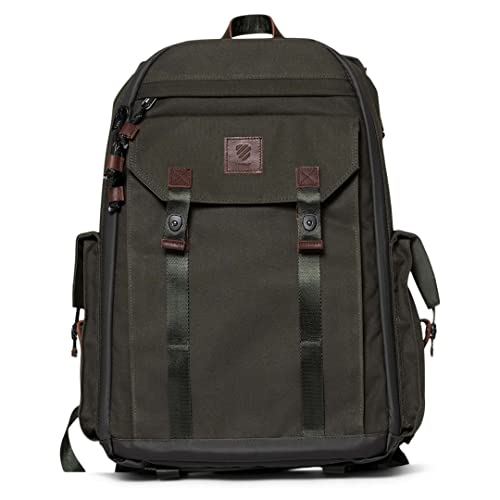
MAKE IT YOUR OWN: With customizable foam inserts, this photography backpack suits any setup. Find an arrangement that works best for you. This large camera backpack can fit everything including any camera body and up to 10 lenses, with easy access exterior tripods straps

A rugged 34 Liter professional camera backpack built to carry large photo, video, and outdoor creator kits, including super-telephoto lenses, drones, and a 16" laptop. Super-telephoto compatible – Designed for wildlife, birding, and sports photography setups

High Definition: Record max 2592x1944 at 50fps video and still photo. Multiple resolution adjustable.
How Wildlife Photography Enhances Conservation Efforts
Hey! You know, wildlife photography is way more than just snapping gorgeous pictures. It actually plays a crucial role in conservation efforts. When photographers capture stunning images of animals, they help us learn about their behaviors and how different species interact in their habitats.
For instance, think about the emotional impact of a striking image of a snow leopard prowling through its snowy mountain home. Such photos can really raise awareness about endangered species and the threats they face from habitat loss. Plus, they get people excited and motivated to step up and protect the environment. When we see beautiful images of animals during mating or migration, it reminds us of how important it is to preserve their habitats.
Photographs can also show us how climate change is affecting wildlife. For example, an image of bleached coral reefs can highlight the urgent need for coral conservation. By sharing these captivating stories through pictures, we help others feel responsible for nature, encouraging more folks to get involved in conservation activities. Wildlife photography not only connects us to these incredible creatures but also promotes a lasting commitment to preserving our planet for generations to come. Using infrared illumination in wildlife cameras ensures nocturnal animal behaviors are captured without disturbance, providing crucial insights into species active at night. So, next time you see a breathtaking wildlife photo, remember the important message behind it!
Editing Your Wildlife Photos for Impact
You know, capturing stunning wildlife images is just the tip of the iceberg. The editing part can really elevate your photos to the next level! Good editing does wonders—like enhancing details and boosting those vibrant colors we love to see in our shots.
Let’s break it down a bit. First up, adjusting the exposure and contrast is key. This helps bring out the textures of an animal’s fur or feathers. For instance, if you’ve snapped a majestic eagle, emphasizing its sharp wing edges can truly showcase its power and grace. And don’t forget about cropping! Trim away any distracting elements in the background to keep the focus where it should be—on the animal itself.
Another important step is using noise reduction. This is especially handy for images taken in lower light where graininess can creep in. A picture of a deer at dusk, for instance, can look much smoother and cleaner with a bit of noise reduction. And, of course, color correction is crucial. You want the colors to reflect the true appearance of the wildlife; maybe you’ve captured a vivid red fox, and you want that rich, warm hue to pop.
Oh, and adding your watermark is a smart move! It protects your work while also sharing some insight about the species and its behavior with viewers. It’s a perfect way to combine art and education! Speaking of education, let’s move on to how you can utilize these enhanced images to spread awareness about wildlife conservation. Additionally, consider using cameras with infrared night vision to capture clear images during nighttime for better editing opportunities.
Recommended Products
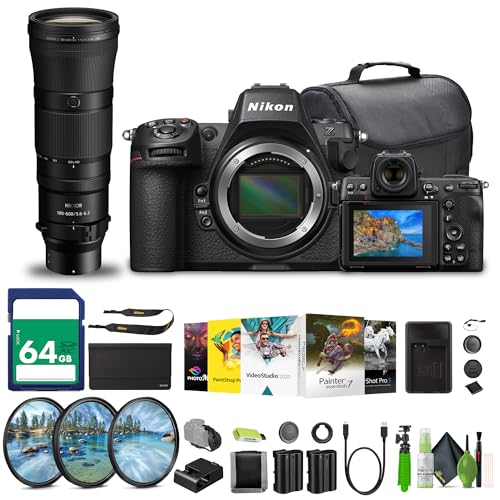
Bundle Items Include:Nikon Z8 Professional Full Frame Mirrorless 8K Video & Stills Hybrid FX Camera, Nikon NIKKOR Z 180-600mm f/5.6-6.3 VR Lens (Nikon Z), 64GB Memory Card, EN-EL15c Replacement Battery, External Battery Charger, Soft Bag, Photo Editing Software, Memory Card Reader, 3 Piece Filter Kit, 12" Flexible Tripod, Cleaning Kit, Memory Card Wallet, Hand Strap, Lens Cap Keeper

Bundle Items Include: Canon EOS R5 Mark II Mirrorless Camera with 24-105mm f/4 Lens, 64GB Memory Card, Soft Bag, Photo Editing Software, External Battery Charger, Memory Card Reader, 2 x LPE6 Battery, 3 Piece Filter Kit, 12" Flexible Tripod, Cleaning Kit, Memory Card Wallet, Hand Strap, Lens Cap Keeper, HDMI Cable

Items Include: 1 x Sony a7R V Mirrorless Camera, 1 x Sony FE 24-105mm f/4 G OSS Lens, 1 x 64GB Memory Card, 1 x 3 Piece Filter Kit, 1 x Graduated Color Filter Kit, 1 x Photo Software With PhotoMirage, AfterShot, Painter Essentials, PaintShop Pro, and Video Studio, 1 x Soft Bag, 1 x NP-FZ100 Battery, 1 x NP-FZ100 charger, 1 x Memory Card Reader, 1 x 12_inch Flexible Tripod, 1 x Memory Card Wallet, 1 x Cleaning Kit
Frequently Asked Questions
How to Tag Wild Animals?
To tag wild animals, we use thoughtful techniques like digital tagging, incorporating photo metadata for species recognition. By enhancing wildlife tracking accuracy, we contribute to conservation efforts, ensuring ethical considerations guide our field research and behavioral analysis.
What Is Spatial Orientation in Animal Behavior?
Spatial orientation in animal behavior involves spatial awareness, using environmental cues and sensory perception. It aids in animal movement, supports territorial behavior, enhances cognitive mapping, and shapes species adaptation, foraging strategies, and migration patterns for habitat preference.
What Are Three Types of Tag Technology Used to Track Animals?
So, we’re basically throwing high-tech gadgets at animals now, right? Well, GPS collars, satellite tracking, and RFID tags are just a few ways we play tech-savvy detectives to keep tabs on our wildlife buddies!
What Is Navigation in Animal Behaviour?
Animal navigation involves using sensory cues and homing instincts to follow migratory routes, shaped by environmental factors. Through spatial memory and social interactions, animals adapt their navigational strategies, showcasing significant ecological impacts and behavioral adaptations.